5 Underrated Vietnam National Parks for 2026: Off-the-Beaten-Path Nature Escapes
For travellers seeking an alternative to Phong Nha Beyond the Caves: Farmstay Hopping and Hidden Waterfalls, this roundup profiles five lesser-known Vietnam national parks—Pu Mat, U Minh Thuong, Chư Yang Sin, Ben En, and Xuân Sơn—with 2026 entry fees, guide rules, best seasons, and transport tips. It helps you plan uncrowded nature escapes with clear costs and safety notes.

Related reading
Keep exploring Vietnam
- 1
- 2
- 3
At a glance
- Best time
- November–April for most parks; Ben En lake swimming June–August
- How long
- Allow one full day per park; overnight at Ben En or Pu Mat homestay for multi-day
- Budget
- No fixed total; carry cash for entry fees (20,000–50,000 VND) plus guide/boat fees (200,000–600,000 VND)
- Getting there
- Motorbike or private car; public buses only reach nearby towns
- Language
- Vietnamese; basic English at park visitor centres
- Currency
- Vietnamese đồng (VND)
Why choose these parks over Phong Nha Beyond the Caves: Farmstay Hopping and Hidden Waterfalls
Entry to all five parks—Pu Mat, U Minh Thượng, Chư Yang Sin, Ben En, and Xuân Sơn—runs only ~20,000 to ~50,000 VND per person, a fraction of the cost of booking Phong Nha Beyond the Caves: Farmstay Hopping and Hidden Waterfalls tours and their cave access add-ons. Before you set off, note the universal rule: every visitor must register at park headquarters and carry a passport or ID card. That one stop is also where you can confirm gate fees, book required ranger escorts (Pu Mat adds ~300,000 VND/day/group), and ask about trail conditions after rain.
Cash is the bigger logistical issue. There are no ATMs at most park gates, so carry enough VND for entry, guides, boat rental, bungalows, and homestays—U Minh Thượng boat trips cost ~400,000–600,000 VND on top of the ~50,000 VND entrance, and Ben En lakeside bungalows start at ~300,000 VND/night. If you arrive without cash, the nearest town may be a 30–60 minute ride back, and public buses only reach nearby towns, not the park entrances. A motorbike or private car is the most practical way to string these parks together.
What you get in return is the quieter side of Vietnam's protected areas. Entry fees remain ~20,000 to ~50,000 VND across the five, far cheaper than major cave tours, and you will typically share the forest with a handful of day-trippers rather than a queue. Ben En is remote, with few other tourists; Chư Yang Sin's waterfall treks cost ~300,000–500,000 VND for a guided day; Xuân Sơn's karst caves and minority village homestays are basic but inexpensive. These prices buy you the same ranger registration, but not the crowd.
A final 2026 practical point: fees and schedules change without notice. Call the park visitor centre before you travel to reconfirm the current entry price, boat status (U Minh Thượng access is limited May–Nov), and guide availability, especially during Tết and other holidays. Pack strong insect repellent, leech socks from May to November, and enough cash—this is the trade-off that keeps these five parks under the radar compared to Phong Nha Beyond the Caves: Farmstay Hopping and Hidden Waterfalls.
Pu Mat National Park, Nghệ An
If Phong Nha Beyond the Caves: Farmstay Hopping and Hidden Waterfalls is already on your 2026 itinerary, Pu Mat National Park in Nghệ An is the muddier, steeper alternative. Entry costs ~40,000 VND, and any trek into the core zone requires a ranger escort booked at the visitor centre for ~300,000 VND per day per group. Pay both fees in cash at the gate, carry your passport or ID card for registration, and expect no ATM within easy reach. The escort is mandatory for anything beyond the buffer zone, and it is the only way to access the steepest forest sections legally.
The most reliable trekking window is November–April, when trails are drier but still slippery enough to demand caution. Expect leeches and steep, rain-slicked paths after any downpour. The core zone’s main scenic payoff is Khe Kem waterfall, a high cascade reached by a forest track that can turn to mud even in the dry months. Many trekkers pair the waterfall with an overnight in a Muong village homestay, usually a stilt house with family meals. Arrange the stay through the visitor centre or contacts in Con Cuong; prices vary by village, and facilities are basic—shared bathrooms and thin mattresses rather than hotel comfort.
Before travelling, confirm ranger availability, especially during Tết and other holidays when guides may be off duty or already booked. The park has no meaningful online booking system, so call the visitor centre or ask your guesthouse to phone ahead. If you plan to trek in the rainy season—May onward, often wet through October—pack leech socks and strong insect repellent, and accept that some core-zone routes may close at short notice. Leeches are worst after rain, so treat socks and boots before setting out.
Getting there takes effort: public buses only reach Con Cuong, not the park gate itself, so a motorbike or private car is the practical option from Con Cuong or the nearest town with bus connections. Once inside, you may see more rangers and Muong farmers than foreign trekkers, which is exactly the point for travellers who find the Phong Nha–Bach Ma–Ba Be circuit too polished. Allow a full day for the waterfall trek and a second day if you stay overnight in a village.

U Minh Thượng National Park, Kiên Giang
U Minh Thượng National Park in Kiên Giang Province sets entry at ~50,000 VND, and the mandatory guided boat to the waterbird colonies adds ~400,000–600,000 VND for the boat ride. It’s a far stricter access model than most Phong Nha Beyond the Caves: Farmstay Hopping and Hidden Waterfalls stops, but it protects a flooded forest that supports dense birdlife. You cannot paddle or walk into the core zone on your own; a park-assigned boat and guide are compulsory, and you’ll need to register at the visitor centre and carry a passport or ID card before departure.
Plan around the water levels—the reliable window for boat access is December–April, when water levels allow boats to reach the main nesting colonies. From May–November, high water limits access, and some boat routes to the colonies become unreachable or close without much notice. This is not a park where you can improvise: call the park visitor centre before making the trip, because bird-boat tours may be suspended on short notice in flood years. Hours and prices change—confirm at the visitor centre or by phone. Public buses only reach nearby towns, so plan the final stretch to the park entrance by motorbike or private car.
Bring a wide-brimmed hat and binoculars. The boat trips are hot and exposed, with little shade once you leave the tree line, and the waterbird colonies are often viewed from open water rather than from a shaded hide. Sunscreen and a water bottle are essential, and bring enough cash for the entry fee and boat fee; there is no ATM at the park gate. If you visit outside December–April, treat the journey as a reconnaissance trip rather than a guaranteed birding day.
Chư Yang Sin National Park, Đắk Lắk
Chư Yang Sin National Park charges a ~40,000 VND entry fee, but budget another ~300,000–500,000 VND for a guided waterfall trek to Krong Kmar or Krong No. The trails here are lightly marked: after the first few hundred metres you'll be following faint footpaths through dry dipterocarp forest and across open scrub, where wrong turns are easy. December–March is the best season, with drier trails and more reliable waterfall flow. Register at park headquarters before you head out and carry your passport or ID card.
A guide is recommended on every route, not just for navigation but because the terrain shifts with the seasons. Local guides know which stream crossings are safe and which rock slabs stay slippery even in dry weather. Confirm guide availability before setting out—local guides can be limited, especially outside December–March or during Tết. The park visitor centre is the most reliable place to book, and you'll need to register there anyway before entering the park. Bring cash for the entry fee and guide fee; there is no ATM at most park gates.
Bring more water than you think you'll need and wear real sun protection. Shade is inconsistent: some sections of trail pass under a closed canopy, but long stretches cross exposed ridge lines and grassy clearings with no cover. A hat, sunglasses, a long-sleeved shirt, and at least 2–3 litres of water per person are sensible for a full-day hike. There are no shops or water refill points once you leave the trailhead.
Krong Kmar and Krong No are the two main waterfall targets. Krong Kmar is the more accessible drop, usually reached in a half-day. Krong No requires a longer, rougher walk and is often done as a full day with a guide. Both see far fewer visitors than the waterfall routes around Đà Lạt or Pleiku, and you may not encounter another trekking group all day. If you want to link the two waterfalls in one day, start early and arrange a guide who has done the route recently.

Ben En National Park, Thanh Hóa
Ben En National Park keeps its entry fee between ~20,000–50,000 VND, and basic lakeside bungalows start at ~300,000 VND per night. That makes it the most affordable overnight stop among these five parks, and the bungalows sit directly on the lake edge. Because the park is remote and draws very few other tourists, you can often have the shoreline to yourself after day visitors leave.
Renting a boat costs ~200,000 VND per 2 hours on the lake, which is enough time to explore the shoreline at a slow pace. For hiking, plan your visit between November and February, when trails are drier; for lake swimming, June–August is the best window. The park remains remote and uncrowded throughout the year, so you can expect few other tourists even at the peak of the summer lake season.
Xuân Sơn National Park, Phú Thọ
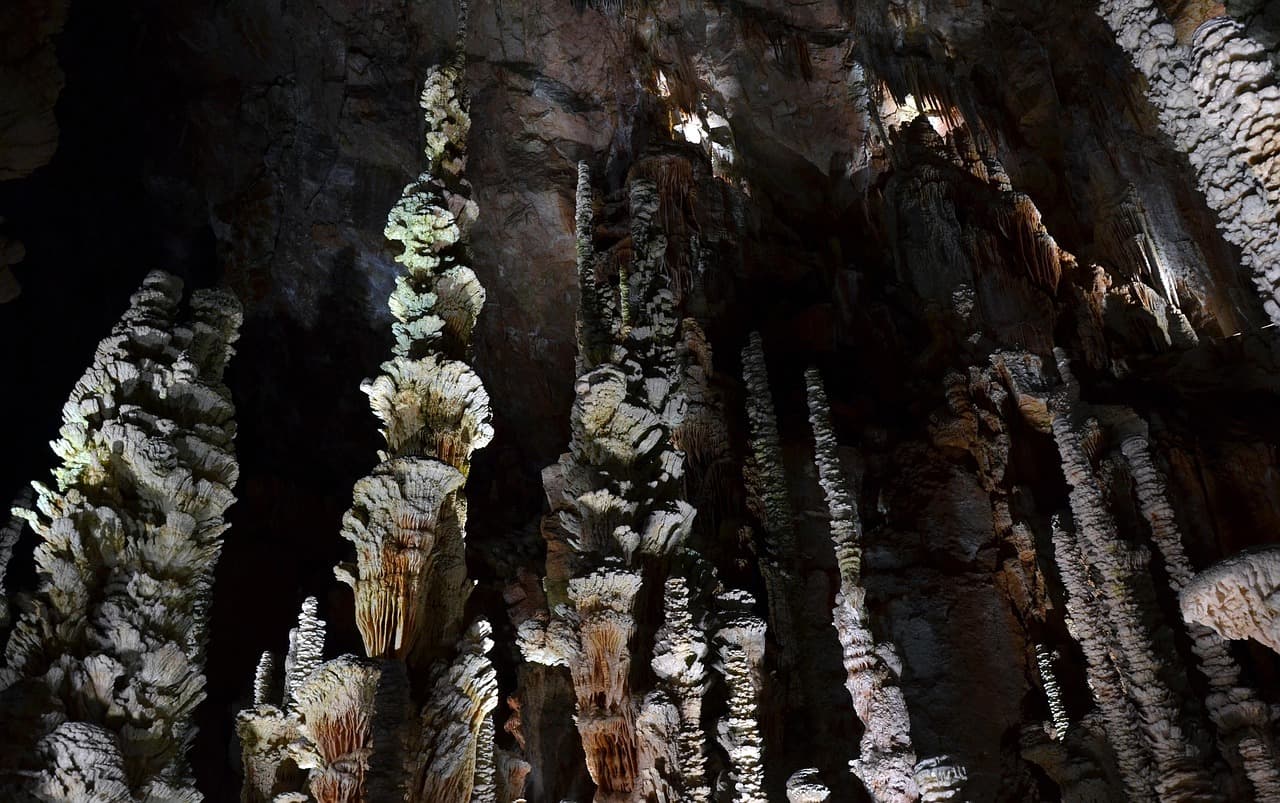
Xuân Sơn National Park in Phú Thọ province charges ~30,000 VND at the gate, making it one of the cheapest park entries in this roundup. The main draws are karst caves and minority villages clustered along the valley floor, and homestay options are basic: simple beds, home-cooked meals, and shared washing facilities rather than hotel comfort. If you want cave trails without the guided infrastructure of Phong Nha, this is a low-frills alternative.
The best season to visit is November–April, when dry days keep the cave approaches and limestone paths manageable. Bring a headlamp for cave sections—most have no installed lighting or handrails—and sturdy shoes with good tread; limestone is sharp and stays slick near dripping cave mouths even in dry weather. Outside November–April, rain can make some cave floors muddy and slip-prone, so check conditions locally before setting out.
Guides are recommended for cave trails. Arrange one at the park entrance or visitor centre; a local guide knows which passages are currently open, which side chambers are safe, and which minority villages accept overnight guests. English-speaking guides are not always available, so carry a translation app or a few basic Vietnamese phrases. The visitor centre is the most reliable place to confirm same-day guide availability; there is no dependable online booking system, and hours and prices change—confirm on the official website or by phone before travelling.
Carry enough cash for the ~30,000 VND entry fee, homestay payment, guide fee, and any food you buy in the villages, because there is no ATM at the park gate and card payments are rare. Public buses only reach nearby towns in Phú Thọ; from there a xe ôm or pre-arranged private car covers the last stretch to the entrance. Homestay comfort is basic, so pack a sleep sheet and a small towel if you are particular about bedding.
Practical planning: transport, cash, registration, and safety
At Pu Mat National Park, the gate fee is ~40,000 VND, but a ranger escort for the core zone costs ~300,000 VND per day per group—so have that cash ready at the visitor centre before you even lace your boots. At every park covered here, register at park headquarters and carry a passport or ID card. Rangers use the log to know who is on remote trails, and in an emergency it can speed up a search.
For north and central Vietnam parks—Pu Mat, Ben En, Xuân Sơn, and Chư Yang Sin—check storm/typhoon alerts from September to October before committing to any multi-day trek. Heavy rain can wash out trails, turn streams into barriers, and close access roads. Confirm guide availability for Chư Yang Sin and Pu Mat by phone or in person, especially during holiday periods, when local rangers may be off duty or booked by domestic tour groups.
Public buses only reach nearby towns, not the park gates, so plan the last leg by motorbike or private car. Bring enough cash for every expense: entry, guides, boats, bungalows, and food all require Vietnamese đồng. At U Minh Thuong, the mandatory birding boat ride runs ~400,000–600,000 VND on top of the ~50,000 VND entry. At Ben En, entry is ~20,000–50,000 VND, boat rental ~200,000 VND per 2 hours, and lakeside bungalows from ~300,000 VND/night. Chư Yang Sin guided waterfall treks cost ~300,000–500,000 VND.
Pack strong insect repellent and leech socks if you're trekking Pu Mat or Chư Yang Sin between May and October, when trails are wet. There is no ATM at most park gates, so carry more cash than you think you'll need—homestay owners and boat operators rarely take cards. Fees and schedules change without notice, so confirm the current 2026 prices and guide availability at the visitor centre or by phone before you travel.
Frequently asked questions
Yes for Pu Mat core zone, mandatory boat guides in U Minh Thượng, and recommended for Chư Yang Sin and Xuân Sơn cave trails. Book at visitor centres and confirm availability before travelling.
Strong insect repellent, leech socks in season, sun protection, water, and enough cash. Most park gates have no ATM.
No, most park gates have no ATM. Bring cash for entry fees, guides, boat hire, homestays, and food.
November–April for most parks. Ben En lake swimming is best June–August; U Minh Thượng boat access is best December–April.
Travel details change — opening hours, prices, and schedules can vary by season. Please verify current information on official websites before your visit.
Watch: related videos
5 Underrated Vietnam National Parks for 2026: Off-the-Beaten-Path Nature Escapes — Video by Sergey Guk on Pexels · silent stock clip
5 Underrated Vietnam National Parks for 2026: Off-the-Beaten-Path Nature Escapes — Video by Serg Alesenko on Pexels · silent stock clip
Sources
- vietnam.travel — Primary source
- vietnamcoracle.com — From research brief
- travelfish.org — From research brief
- lonelyplanet.com — From research brief
- roughguides.com — From research brief
Loading reviews…
About the author
Võ Hoài Nam
Nature & Adventure Editor
Hoài Nam edits Vietpeep's national parks, trekking, and adventure coverage from an environmental perspective. He keeps trail conditions, permits, wildlife rules, and low-impact travel choices front and center, so readers can plan a trip that respects the landscape.
All articles by Hoài NamRelated posts

Sapa Remote Trekking: Hidden Villages and Off-the-Beaten-Path Trails (2026 Guide)
This guide details Sapa’s lesser-known trekking routes for 2026, covering remote villages like Sin Chai, Seo My Ty, and Nam Cang. It includes up-to-date info on guide requirements, transport, costs, accommodation, weather, and practical tips for experienced trekkers seeking authentic adventure beyond the tourist crowds.

10-Day Vietnam Itinerary: Offbeat Cities and Nature (2026 Edition)
This 10-day itinerary covers Vietnam’s emerging destinations—Ninh Binh, Phong Nha, Quy Nhon, and Da Lat—focusing on authentic experiences, scenic nature, and practical travel details for 2026. Includes day-by-day transport, costs, entry info, and tips for travelers who want to avoid the usual tourist route.

Trekking Bidoup Nui Ba National Park: Permits, Safety, and Adventure in Vietnam’s Central Highlands (2026)
This guide covers everything international visitors need for trekking in Bidoup Nui Ba National Park in 2026: updated permit rules, how to get there, guided and independent trekking options, safety advice, best seasons, and practical tips for a safe and rewarding adventure in Vietnam’s Central Highlands.