7 Days in Vietnam: Urban Culture & Nature from Da Nang to Ninh Binh (2026 Edition)
This 7-day Vietnam itinerary offers international visitors a practical route from Da Nang to Ninh Binh, focusing on urban culture, UNESCO heritage sites, and natural landscapes. It covers updated 2026 transport options, entry rules, daily costs, and essential tips for a smooth and memorable trip.

Trip plan
Day-by-day itinerary
Day 1
Da Nang Arrival & City Exploration
Arrive at Da Nang International Airport, settle in, and explore city highlights like Dragon Bridge, Han Market, and My Khe Beach. Enjoy riverside dining in the evening.
Related reading
Keep exploring Vietnam
- 1
- 2
- 3
At a glance
- Best time
- March–May or September–November
- How long
- 7 days
- Budget
- $600–900 USD (mid-range, per person)
- Getting there
- Fly to Da Nang International Airport
- Language
- Vietnamese (English widely spoken in tourist areas)
- Currency
- Vietnamese Dong (VND)
Getting There & Entry Requirements
International travelers on this itinerary will land at Da Nang International Airport, one of Vietnam’s busiest hubs with direct connections to major Asian cities and frequent domestic flights. As of 2026, most nationalities can enter Vietnam using an e-visa, which costs $25 USD and is processed online in three to five days. The e-visa system has remained stable through recent years, but it’s best to check the official Vietnamese immigration website for any last-minute changes before booking flights. For travelers from select countries, visa on arrival is still possible, but requirements can shift, so confirmation with your airline or embassy is recommended.
Upon arrival, the airport is well-equipped for international visitors. 4G SIM cards with unlimited data for seven days are sold at kiosks in the arrivals hall for $7 USD—setup takes just a few minutes and staff will help with installation. This is the most convenient way to stay connected for maps, ride-hailing, and translation apps throughout your trip.
Getting into the city is straightforward: Grab and regular taxis are readily available outside the terminal. The ride to Da Nang’s city center takes about 15–20 minutes and costs around $7 USD, depending on traffic and time of day. Payment in cash is standard for taxis, though Grab can be paid by card if your account is set up in advance. There are no surcharges for late-night arrivals, and drivers are used to handling luggage for international visitors.

Day-by-Day Itinerary Overview
Arriving at Da Nang International Airport, most travelers can secure a 30-day e-visa online for $25 USD, processed in 3–5 days as of August 2026. The city center is a 15–20 minute taxi or Grab ride (about $7 USD). Spend your first afternoon exploring the Dragon Bridge, Han Market, and relaxing at My Khe Beach. For dinner, riverside restaurants along Bach Dang Street offer local seafood and Vietnamese dishes, with mid-range meals averaging $8–15 USD.
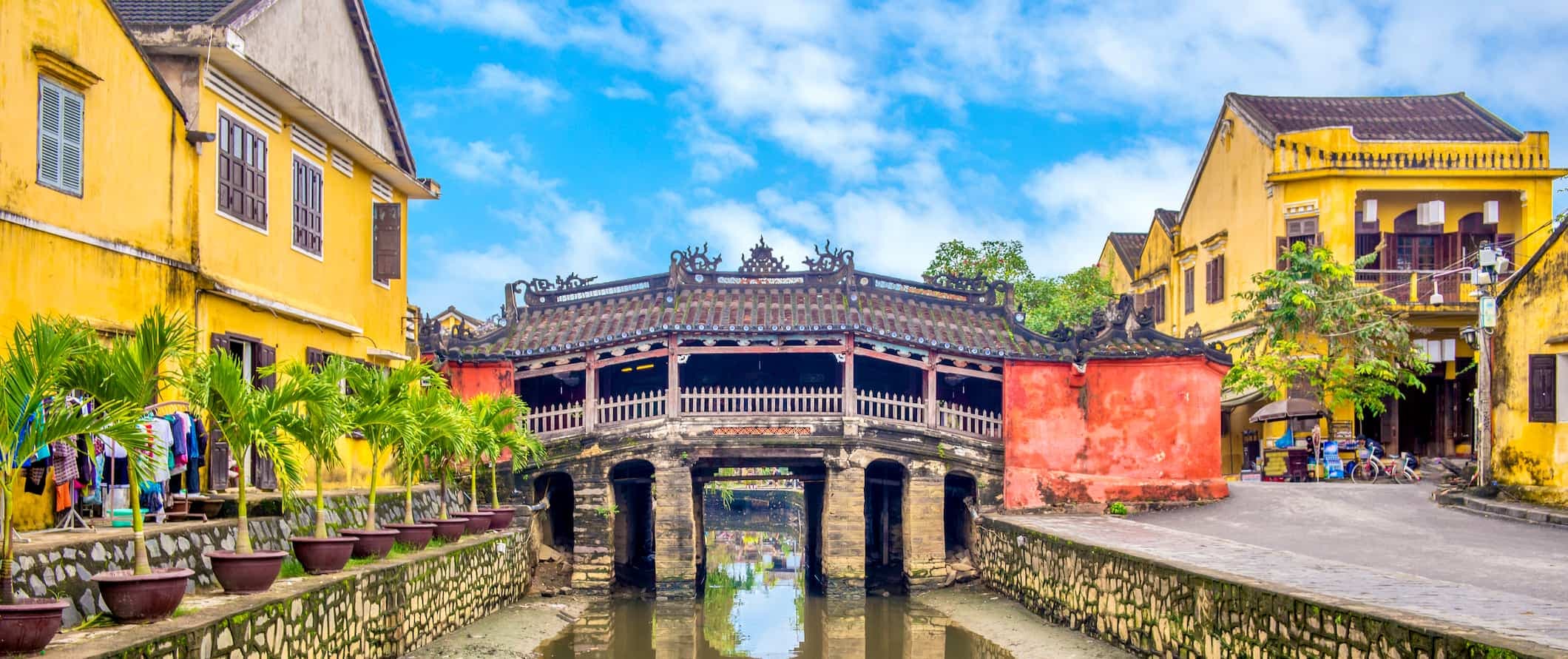
On Day 2, take a bus or Grab south to Hoi An (45 minutes, $2–10 USD). The UNESCO-listed Ancient Town requires a 150,000 VND ($6 USD) entry ticket, granting access to landmarks like the Japanese Bridge and lantern workshops. In the afternoon, unwind at An Bang Beach or visit Tra Que Vegetable Village. Evenings are best spent at the night market or watching lanterns float on the Thu Bon River.
Day 3 starts with a limousine bus to Hue (3.5 hours, $12–20 USD). The Imperial City, open from 8am to 5:30pm (200,000 VND/$8 USD), reveals centuries of royal history. A visit to Thien Mu Pagoda and a Perfume River cruise (from $10 USD) fill the afternoon. Sample bun bo Hue at local eateries for $3–5 USD in the evening.
Days 4 and 5 focus on Hanoi. Fly from Hue to Hanoi (1 hour 15 minutes, from $45 USD), then check into an Old Quarter hotel ($25–60 USD/night). Explore Hoan Kiem Lake, Ngoc Son Temple, and sample street food. Visit the Ho Chi Minh Mausoleum (open Tue–Thu, Sat–Sun, 7:30–10:30am), the Temple of Literature, and museums like the Museum of Ethnology. Book a water puppet show in advance (from $6 USD) for an evening of traditional entertainment.
On Day 6, a limousine bus (2 hours, $10–15 USD) takes you to Ninh Binh. Choose a boat tour through Trang An or Tam Coc (3 hours, 250,000 VND/$10 USD), then visit Bich Dong Pagoda and climb Mua Cave for panoramic views. Overnight in a local guesthouse or homestay ($18–40 USD). Day 7 offers time to cycle through rice paddies or explore local markets before returning to Hanoi by bus or train (2 hours, $6–12 USD) for your departure.
Transport & Connections
Traveling between the cities on this itinerary is straightforward, thanks to frequent buses, affordable ride-hailing, and reliable domestic flights. From Da Nang International Airport, reaching Hoi An is easiest via Grab car or local bus, with the journey taking about 45 minutes. Grab rides cost $10 USD on average, while public buses (like the No. 1 yellow bus) run every 30–60 minutes and cost just $2 USD per person. Both options drop you near Hoi An’s Old Town, and Grab is especially convenient if you have luggage or arrive outside bus hours.
To continue north from Hoi An or Da Nang to Hue, limousine buses are the most comfortable choice. These air-conditioned vans depart hourly from both cities, with the trip lasting around 3.5 hours. Tickets range from $12–20 USD, and seats can be reserved online or through local travel agencies. The buses pick up from central locations and drop off in Hue’s city center, making them ideal for travelers who want to avoid multiple transfers.
For the longer jump from Hue to Hanoi, the fastest route is a taxi ride to Phu Bai Airport (about 30 minutes, $8 USD), followed by a direct flight to Hanoi. Vietjet and Vietnam Airlines offer several daily flights, with fares starting at $45 USD if booked two to three months in advance. The flight itself takes 1 hour 15 minutes, and airport transfers are readily available by Grab or taxi upon arrival in Hanoi.
When heading to Ninh Binh from Hanoi, limousine buses are again the preferred option. Departures are available from 7–8am, with the journey taking two hours and costing $10–15 USD. On the return, travelers can choose between bus or train, both offering similar travel times and fares ($6–12 USD). Local transport in each city is handled easily by Grab, taxis, or rented bicycles, with prices typically $1–3 USD for short city rides. For longer distances or sightseeing, consider renting a motorbike ($8–12 USD/day) or booking day tours through your guesthouse.
Costs & Budget Tips
A mid-range traveler in Vietnam can expect to spend between $600 and $900 USD for a week-long trip covering Da Nang, Hoi An, Hue, Hanoi, and Ninh Binh in 2026. This estimate includes all major expenses: transport, accommodation, meals, and entry fees. Daily costs typically range from $85 to $130 USD, depending on your choice of hotels, transport class, and dining preferences.
Meals at mid-range restaurants generally cost $8–15 USD per person, while local dishes such as bun bo Hue or pho can be found for $3–5 USD at street food stalls and casual eateries. If you stick to local spots for breakfast and lunch, then splurge on one nicer dinner, your daily food budget will likely stay under $25 USD. Riverside dining in Da Nang or Hoi An’s Old Town tends toward the higher end of the range, especially with drinks.
Accommodation in city centers like Hanoi or Da Nang averages $25–60 USD per night for a comfortable double room in a guesthouse or boutique hotel. In Ninh Binh, expect to pay $18–40 USD for a homestay or guesthouse. Booking ahead, especially during festival periods, helps secure the best rates. Entry fees for major sites are modest: Hoi An Old Town ticket is 150,000 VND ($6 USD), Hue Imperial City is 200,000 VND ($8 USD), and a Trang An or Tam Coc boat tour is 250,000 VND ($10 USD).
To keep costs manageable, use limousine buses for intercity travel (typically $10–20 USD per leg), opt for local eateries, and pay cash for small purchases. ATMs are widely available, but carrying some Vietnamese dong is essential for markets and rural areas. Booking flights and hotels two to three months in advance can help lock in lower prices, especially around Tet or other major holidays when demand surges.
When to Visit & Practical Notes
March to May and September to November are the optimal months for this itinerary, with daytime temperatures averaging 22–28°C and lower humidity across central and northern Vietnam. Rainfall is minimal compared to the summer monsoon, making outdoor exploration in places like Hoi An, Hue, and Ninh Binh more comfortable. If your trip coincides with Tet (Vietnamese New Year, usually late January or early February) or Mid-Autumn Festival (September/October), expect higher hotel prices and crowded transport routes; booking trains, buses, and flights at least two months ahead is advisable during these periods.
Domestic flights between cities such as Hue and Hanoi include a 7kg carry-on allowance. Checked baggage costs $10–20 USD per piece, so pack light if you want to avoid extra fees. Airport security is efficient, but allow 90 minutes for check-in and boarding, especially during festival weeks. For local transport, Grab and taxis are reliable, with fares clearly displayed; cash is preferred for smaller purchases, street food, and rural markets. Credit cards are accepted in most urban restaurants, hotels, and shops, but always carry some Vietnamese dong for incidentals.
Museum visits in Hanoi require extra planning, as several—including the Museum of Ethnology and Fine Arts Museum—close on Mondays. Official holiday closures can also affect opening hours, so check websites or call ahead for 2026 schedules. For connectivity, 4G SIM cards are available at airports for $7 USD (7 days unlimited data), making navigation and payments easier throughout your journey.

Frequently asked questions
As of August 2026, Vietnam’s e-visa system is stable for most nationalities; apply at least one week before arrival and confirm requirements before booking.
Plan $8–15 USD per meal at mid-range venues and $3–10 USD for major entry fees per site.
Yes, a flight from Hue to Hanoi is included; book 2–3 months in advance for best prices (from $45 USD).
Limousine buses are the most comfortable and efficient, costing $10–15 USD and taking about 2 hours.
Travel details change — opening hours, prices, and schedules can vary by season. Please verify current information on official websites before your visit.
Sources
- nomadicmatt.com — Primary source
- wanderingwheatleys.com — From research brief
- theblondeabroad.com — From research brief
- vietnam.travel — From research brief
- travelfish.org — From research brief
Loading reviews…
About the author
Lê Minh Đức
Routes & Itineraries Editor
Minh Đức plans Vietpeep's itineraries, transport guides, and practical tips with a surveyor's care for distances, timings, and connections. He believes a route is only as good as its smallest detail — the last ferry, the right train class, the turn travelers miss.
All articles by Minh ĐứcRelated posts

10-Day Vietnam Itinerary: Offbeat Cities and Nature (2026 Edition)
This 10-day itinerary covers Vietnam’s emerging destinations—Ninh Binh, Phong Nha, Quy Nhon, and Da Lat—focusing on authentic experiences, scenic nature, and practical travel details for 2026. Includes day-by-day transport, costs, entry info, and tips for travelers who want to avoid the usual tourist route.

Vietnam Itinerary: 5 Days in Da Nang and Hoi An from India, With Real 2026 Costs
This case study follows a 5-day Vietnam itinerary from India to Da Nang and Hoi An in 2026. It covers the ₹60,000 target, actual costs, Grab transfers, My Son, Ba Na Hills, Hoi An Ancient Town, and what to verify before booking.

Vinh Hy Bay and Binh Tien Beach: Vietnam Beaches on Ninh Thuan's Quiet Coast, 2026
This practical guide covers Vinh Hy Bay and nearby Binh Tien Beach on Ninh Thuan's sheltered coast: how to get there by plane, train and motorbike, the best months for snorkeling, water safety on lifeguard-free beaches, 2026 prices for rooms and boat charters, and why these are Vietnam beaches worth choosing over crowded Da Nang and Phu Quoc.