Bach Ma National Park Trekking & Wildlife: Permits, Trails, and Practical Tips (2026)
This article provides international visitors with practical advice for trekking and wildlife spotting in Bach Ma National Park, including permit requirements, trail options, guided tours, transport from Hue and Da Nang, accommodation, and seasonal tips for 2026. It’s designed to help you plan a safe and rewarding adventure in Vietnam’s cloud forest region.
Related reading
Keep exploring Vietnam
- 1
- 2
- 3
At a glance
- Best time
- March–June (minimal rainfall, accessible trails)
- How long
- 1–2 days recommended for trekking and wildlife
- Budget
- Entry VND 80,000; guided tour from VND 250,000; taxi Hue–park VND 600,000–900,000
- Getting there
- Taxi or shuttle from Hue (45 km) or Da Nang (65 km); no direct bus
- Language
- Vietnamese; limited English spoken by guides
- Currency
- Vietnamese Dong (VND)
Getting to Bach Ma National Park
Bach Ma National Park sits about 45 kilometers south of Hue and 65 kilometers north of Da Nang, making it an accessible day trip or overnight excursion from either city. However, travelers should note that there are no direct public buses to the park gate. The most straightforward way to reach Bach Ma is by taxi or private shuttle, both of which can be arranged from central Hue or Da Nang.
Taxi fares from Hue typically range from VND 600,000 to 900,000 (approximately USD 25–38) for a one-way journey in 2026, depending on vehicle size and negotiation. From Da Nang, expect slightly higher rates due to the longer distance. Taxis can be hired through reputable companies such as Mai Linh or Vinasun, and it’s advisable to confirm the fare before departure. For those traveling in groups or seeking a more structured experience, private shuttles are available and can be booked through most hotels in Hue or Da Nang, as well as through adventure tour operators specializing in Bach Ma excursions.
Shuttle services often include hotel pickup and drop-off, and some operators offer combined transport and guided tour packages. These can be particularly convenient for international visitors, as they handle park entry logistics and provide English-speaking guides. Regardless of the option chosen, it’s best to arrange transport at least a day in advance, especially during the peak trekking season from March to June. The final approach to the park involves a short drive up a winding mountain road to the main gate, where entry permits are checked and orientation begins.
Permits, Entry Fees, and Registration
Entry to Bach Ma National Park in 2026 requires each visitor to obtain a park permit, which can be purchased directly at the main gate or reserved in advance through the official park website (https://bachma.vietnamnationalparks.org/en/visitor-info-2026/). The standard entry fee is VND 80,000 per person, equivalent to approximately USD 3.30, and payment is accepted in cash (Vietnamese dong) at the gate. For those booking online, confirmation is typically issued by email and should be presented (printed or on a phone) upon arrival.
International travelers are required to register with their passport at the entry checkpoint. This process usually takes just a few minutes but can be longer during weekends and public holidays, so bringing a physical passport and allowing extra time is advised. The registration ensures compliance with local regulations and assists park staff in case of emergencies.
Guided tours, while optional, are strongly recommended for accessing certain restricted trails and for safety reasons. Official guided trekking options start from VND 250,000 per person (about USD 10.30), with prices varying based on group size and route. These can be arranged at the main gate or through reputable adventure operators prior to arrival. Note that some specialized wildlife or dawn/dusk tours may carry higher fees and require advance booking, especially during peak trekking season (March to June).
Best Time to Visit and Weather
March to June is widely regarded as the optimal window for trekking and wildlife spotting in Bach Ma National Park. During these months, rainfall is minimal, which means trails such as Do Quyen Waterfall and Five Lakes are accessible and less slippery. Clear skies improve visibility from the park’s summit, Hai Vong Dai, and increase the likelihood of encountering rare species like the douc langur or Annamite striped rabbit. Early mornings and late afternoons are the best times for wildlife observation, as animals are most active during these cooler hours.
In contrast, the wet season from September to February brings frequent fog and heavy rains. This can obscure panoramic views and make hiking routes hazardous, especially on steeper sections. Landslides are more common during this period, occasionally resulting in temporary trail closures. If you plan to visit during these months, it’s essential to check the official Bach Ma National Park website or contact park staff for up-to-date information on trail conditions and closures. Some trails may require advance booking or be restricted for conservation and safety reasons.
Regardless of the season, sudden weather changes are possible due to the park’s high-altitude terrain. Sturdy footwear and waterproof clothing are recommended, and visitors should always inform park staff of their planned route. Carrying a local SIM card is advised, as emergency services are limited and cell coverage can vary across the park.
Trekking Trails and Waterfall Hikes
At 1,450 meters, Hai Vong Dai is the highest point in Bach Ma National Park, reached via a paved road and a final steep staircase. On clear days between March and June, the summit provides wide views over the cloud forest and coastline; in the wet season (September–February), fog often limits visibility. The ascent is manageable for most visitors, but the stairs can be slippery after rain.
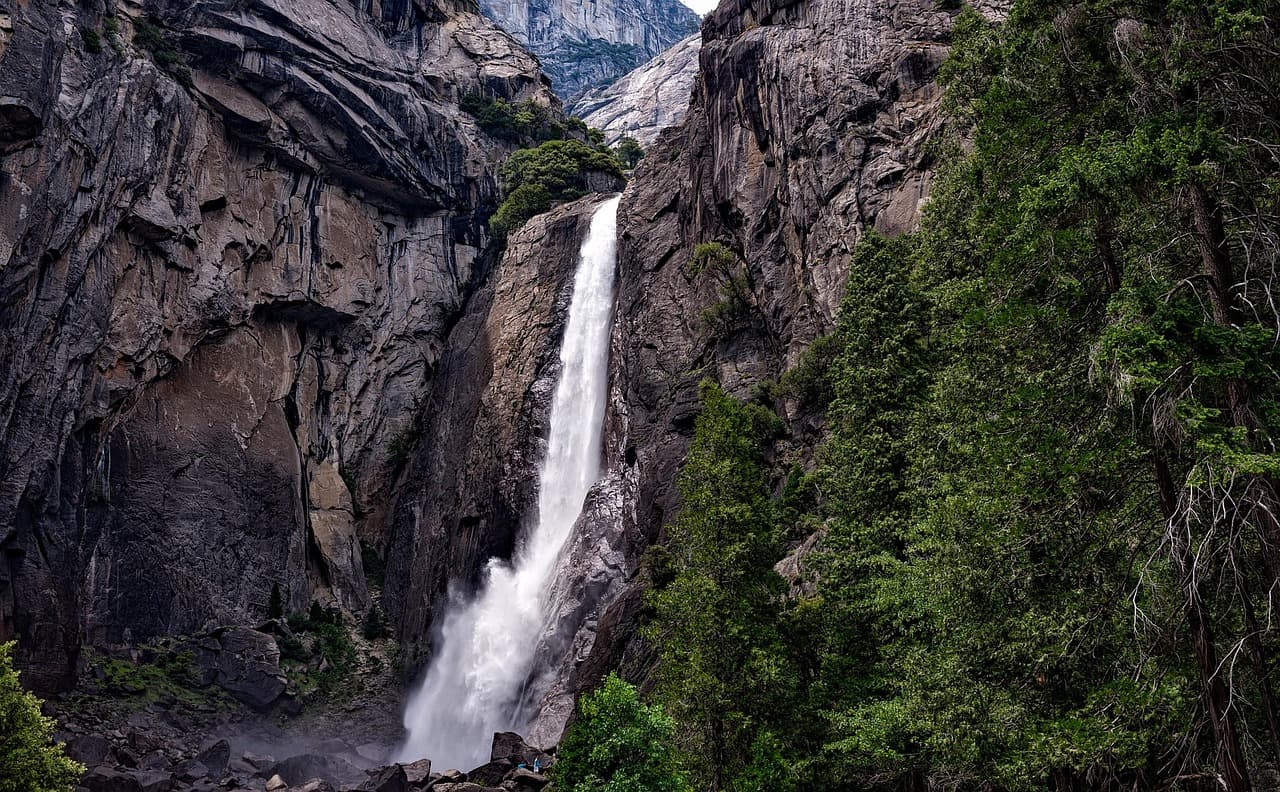
For waterfall hikes, Do Quyen Waterfall is the park’s signature route. The trail starts near the summit and descends roughly 700 steps to a 300-meter cascade surrounded by rhododendrons. The return climb is strenuous, so good fitness and sturdy shoes are essential. The Five Lakes trail (Ngu Ho) is another popular option, winding through forest and crossing streams to reach a series of small pools. This circuit is less steep but still requires moderate fitness and caution on wet rocks.
Several trails, especially those leading deeper into the forest or to sensitive wildlife habitats, may require advance booking for conservation reasons. Restrictions and closures are updated on the official park website. Guided tours, available for VND 350,000–600,000 per group (USD 14–24), are recommended for access to restricted areas and improved safety. Guides can help navigate unclear junctions and provide information about local flora and fauna. While solo trekking is allowed on main routes, guides are required for certain trails and are helpful in case of emergencies, as mobile signal is patchy in remote areas.
Wildlife Spotting and Guided Tours
Bach Ma National Park is one of the few places in Vietnam where visitors have a chance to spot elusive species such as the Annamite striped rabbit and the red-shanked douc langur. These rare mammals are most active at dawn and dusk, so wildlife enthusiasts should plan early morning or late afternoon treks for the best chances of sightings. While the park is home to over 350 animal species, including civets and hornbills, patience and quiet observation are essential, as animals tend to avoid the more popular trails during busy hours.
For those hoping to maximize their wildlife encounters, booking an official guide is strongly advised. Park-accredited guides are available for VND 250,000 per person (about USD 10.30) and can be reserved at the main gate, through the official Bach Ma website, or via established adventure operators in Hue and Da Nang. Guides are familiar with the animals’ habitats and can lead visitors to less-trafficked areas, some of which are restricted to guided groups for conservation reasons. They also help interpret animal tracks and calls, increasing the chances of spotting rare species.
Guided tours range from short two-hour walks to full-day treks and often include visits to the park’s waterfalls and cloud forest viewpoints. Solo trekking is permitted, but guides are recommended not only for wildlife spotting but also for safety, as emergency services are limited and some trails are poorly marked. Always inform park staff of your intended route and carry a local SIM card for communication, especially if venturing into remote sections of the park.
Accommodation and Practical Safety Tips
Basic park lodges inside Bach Ma National Park are available for visitors seeking convenient access to trailheads and the summit. These lodges offer simple rooms with shared bathrooms, typically priced around VND 400,000–600,000 (USD 16–25) per night in 2026. For travelers preferring more amenities, several eco-resorts and guesthouses cluster near the park entrance, such as Bach Ma Eco-Village and Do Quyen Guesthouse, both offering private rooms, hot showers, and meals. Expect rates from VND 700,000–1,200,000 (USD 28–48) per night, and book ahead during peak trekking months (March–June).
Emergency services within the park remain limited, so carrying a Vietnamese SIM card is essential for local network coverage and contacting park staff if needed. Upon arrival, visitors should register their intended route at the main gate, especially if trekking solo. Park staff can advise on current trail conditions and recommend guides for more remote routes. It’s wise to share your plans with accommodation hosts as well, since mobile signal can be patchy in higher elevations.
Sturdy footwear is necessary for waterfall hikes and steep, sometimes slippery, trails. Rain gear is recommended year-round, but especially outside the dry season (March–June), when sudden showers and fog are common. Before setting out, check the official park website or ask at the gate for up-to-date information on trail closures due to landslides or conservation work. Weather conditions can change quickly, so pack extra water and snacks, and avoid trekking during heavy rain or low visibility.
Frequently asked questions
Yes, a park permit is required for entry and can be obtained at the main gate or online; bring your passport for registration.
Solo trekking is allowed, but guided tours are recommended for safety and access to restricted trails.
Wildlife sightings are not guaranteed; dawn and dusk treks increase the chances.
No, local buses do not run directly to the park gate; use taxi or shuttle services.
Sources
- bachma.vietnamnationalparks.org — Primary source
- wanderingvietnam.com — From research brief
- nomadadventures.asia — From research brief
- vietnamwildlife.org — From research brief
- travelfish.org — From research brief
Loading reviews…
Related posts

Bach Ma National Park Guided Treks: Safety, Permits, and Transport for 2026
This article gives international visitors up-to-date, practical guidance for exploring Bach Ma National Park in 2026, focusing on guided trekking options, safety protocols, permit requirements, and transport from Hue. It’s an essential resource for anyone planning a safe and well-prepared visit to this biodiverse park.

Vietnam National Parks in 2026: Entry Fees, Permits, and Practical Tips
This article gives international travelers up-to-date information for visiting Vietnam’s national parks in 2026, including entry fees, digital permit requirements, eco-friendly transport, seasonal advice, and safety tips. It’s a practical resource for planning a smooth, responsible trip to parks like Phong Nha-Ke Bang, Cat Tien, and Cuc Phuong.

Bach Ma National Park’s Hidden Waterfalls: Hiking Do Quyen, Ngu Ho, and Truot in 2026
This article is a practical guide for international visitors aiming to hike Bach Ma National Park’s lesser-known waterfalls—Do Quyen, Ngu Ho, and Truot—in 2026. It covers trail details, entry fees, safety tips, guided trek options, seasonal advice, and essential logistics for a safe and rewarding adventure.