Bai Tu Long Bay Island Beaches: 2026 Transport, Stays, and Safety
This article covers Bai Tu Long Bay’s tranquil beaches and islands in 2026, including the best time to visit, updated transport routes, water safety tips, and current accommodation prices. It’s a practical guide for international visitors seeking a quieter alternative to Ha Long Bay, with concrete details for planning a smooth trip.

Related reading
Keep exploring Vietnam
- 1
- 2
- 3
At a glance
- Best time
- March–May, September–November
- How long
- 2–4 days recommended
- Budget
- USD $30–120/night for accommodation
- Getting there
- Hanoi to Ha Long City (3.5 hrs), then ferry/speedboat
- Language
- Vietnamese; limited English
- Currency
- Vietnamese Dong (VND); bring cash
Best Time to Visit
March through May and September to November are the most reliable months for visiting Bai Tu Long Bay, with dry skies, mild temperatures (averaging 22–28°C), and calm seas that make ferry crossings and beach days more pleasant. These shoulder seasons avoid both the winter chill and the summer’s heavy rains, providing clear water for swimming and kayaking around islands like Quan Lan and Ngoc Vung.
From June to August, the bay experiences its heaviest rainfall and is occasionally affected by typhoons sweeping in from the East Sea. Sudden storms can disrupt ferry schedules and close some beaches for safety, so travelers are advised to check weather updates and avoid planning trips during these months. Humidity is high, and rougher seas may limit access to smaller islands or water activities.
Jellyfish are present in the bay year-round, but their numbers peak between May and July. During this period, local authorities may post warnings at popular beaches, and swimmers should check with accommodation hosts or boat operators about current conditions before entering the water. Wearing a rash guard or swim shirt can help minimize the risk of stings. Overall, timing your visit for spring or autumn reduces both weather and wildlife hazards, making for a more comfortable and safe island experience.
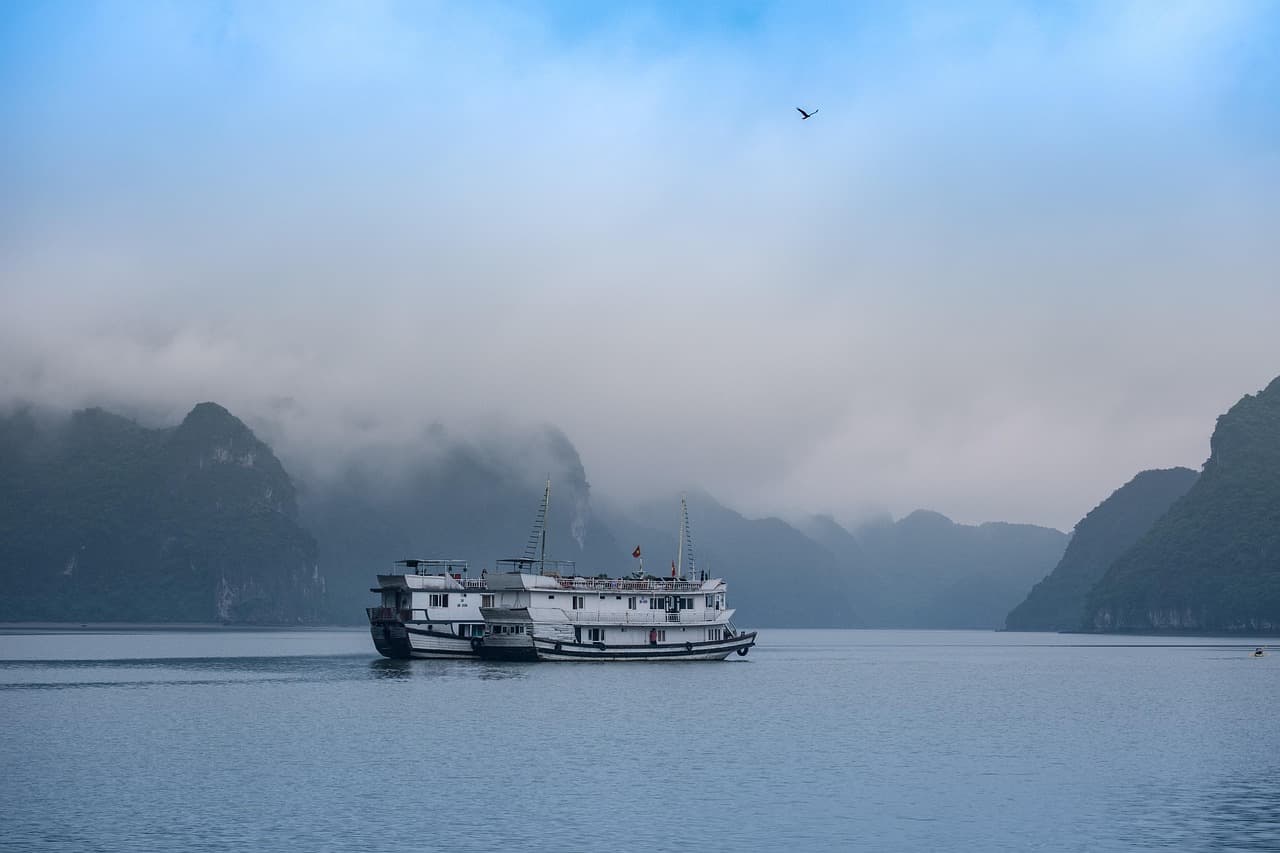
Getting There
International visitors heading to Bai Tu Long Bay typically start their journey by flying into Noi Bai International Airport in Hanoi, which offers direct connections from major Asian and European cities. From the airport, the most efficient way to reach Ha Long City is by express bus or private car. In 2026, the express bus service departs every hour from Hanoi’s My Dinh and Gia Lam stations, with tickets priced around 280,000 VND (about USD $11). The journey takes approximately 3.5 hours, depending on traffic. Private car transfers can be arranged through hotels or ride-hailing apps, costing between USD $65–90 per vehicle.
Once in Ha Long City, new ferry and speedboat routes launched in 2026 provide regular service to Bai Tu Long’s main islands, including Quan Lan and Ngoc Vung. Ferries depart from Hon Gai and Cai Rong ports, with travel times ranging from 45 minutes to two hours depending on the island and vessel type. Tickets for ferries start at 180,000 VND (USD $7.50), while speedboats are faster but costlier, typically 350,000–450,000 VND (USD $15–19) per person. Advance booking is strongly advised, especially during Vietnamese holidays and weekends, as seats fill quickly and capacity is more limited than in Ha Long Bay.
Travelers should note that ferry schedules are subject to change due to weather, particularly during the summer rainy season. It’s wise to check for updates with ferry operators or local guesthouses on the day of travel. English is less commonly spoken at ticket counters, so having your destination written in Vietnamese or using a translation app can help avoid confusion.
Water Safety and Beach Conditions
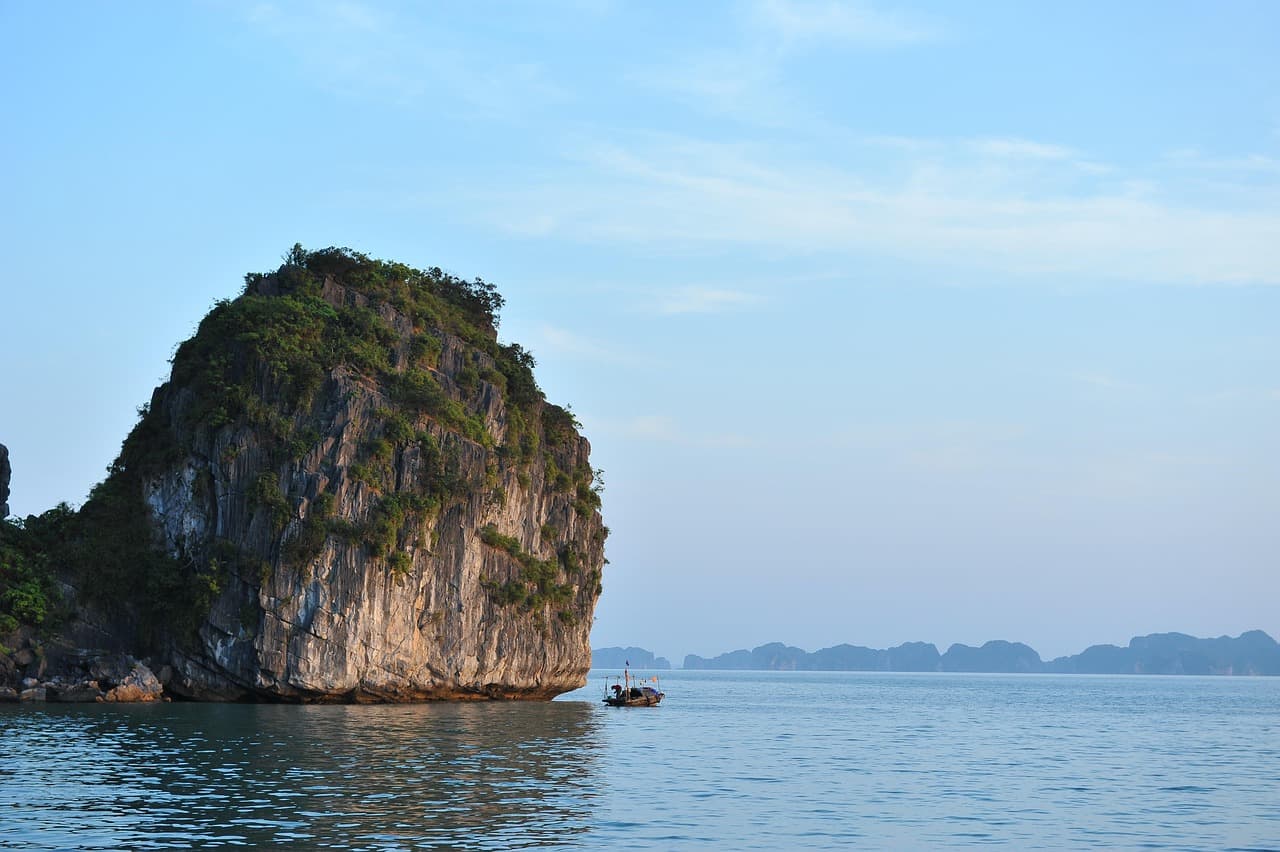
Bai Tu Long Bay’s beaches are known for their gentle currents and clear waters, making them generally safe for swimming. However, lifeguards are present only at the main stretches on Quan Lan Island, so swimmers should exercise caution elsewhere and avoid venturing too far from shore. Outside these monitored areas, it’s best to swim with companions and keep an eye on posted notices, as safety infrastructure is limited compared to more developed destinations.
Local authorities recommend avoiding swimming during storm warnings, which are more common from June to August. During the peak jellyfish season, typically May through July, visitors should check with accommodation hosts or local boat operators for up-to-date advice on safe swimming spots. Stings are uncommon but can occur, and basic first aid is available at most guesthouses on Quan Lan and Minh Chau.
Travelers are encouraged to use reef-safe sunscreen, as community-led conservation efforts are underway to protect Bai Tu Long’s coral reefs and marine life. Some beaches may close temporarily for conservation activities or during local festivals; these closures are usually announced in advance, but it’s wise to confirm access before planning a beach day. With fewer crowds and ongoing environmental initiatives, Bai Tu Long Bay offers a quieter but more self-reliant beach experience—bring cash, basic supplies, and check conditions before heading out.
Accommodation Options and Prices
Travelers heading to Bai Tu Long Bay in 2026 will find a range of accommodation options, but capacity remains much lower than in neighboring Ha Long Bay. Basic guesthouses, often family-run and located in villages on Quan Lan and Ngoc Vung islands, charge between USD $18 and $30 per night. These provide simple rooms, hot showers, and sometimes home-cooked meals, but English is not always spoken and amenities can be modest.
For those seeking more comfort, boutique beachfront resorts have sprung up along the sands of Quan Lan and Minh Chau. These properties, such as Minh Chau Pearl Resort and Van Hai Quan Lan, offer air-conditioned rooms, sea views, and on-site restaurants, with rates ranging from USD $65 to $120 per night in 2026. Many resorts arrange island tours and transfers, but it’s wise to confirm these services when booking, as ferry schedules can change with weather.
A notable development for 2026 is the opening of several eco-lodges, priced at USD $45–70 per night. These eco-lodges focus on sustainability, using solar power and local materials, and often include guided nature walks or kayaking. Options like Bai Tu Long Eco Retreat are popular with travelers who prioritize environmental responsibility.
Regardless of your choice, booking ahead is essential during the March–May and September–November peak seasons, as rooms fill quickly and walk-in availability is rare. ATMs are scarce on the smaller islands, so bring enough cash to cover your stay and incidental expenses. Most resorts and eco-lodges accept online reservations, but payment on arrival is usually in Vietnamese dong.
Practical Tips for International Visitors
English proficiency remains limited in Bai Tu Long Bay compared to places like Hanoi or Da Nang. Most guesthouse and ferry staff speak only basic phrases, so having a translation app or key Vietnamese phrases on hand is useful for arranging transport, meals, and accommodation. Don’t expect English-language signage outside main ferry terminals or resorts.
Ferry schedules between Ha Long City and Bai Tu Long’s islands—such as Quan Lan and Ngoc Vung—can change at short notice due to weather or local events. Before traveling, check the latest updates on ferry company websites or ask your accommodation to confirm departure times. This is especially important during the rainy season (June–August) when storms may disrupt service. Weather apps and local news sites provide timely storm and typhoon warnings.
Beaches on Bai Tu Long occasionally close for conservation efforts or during local festivals. These closures are usually announced a few weeks in advance, but information may only be available in Vietnamese. If you have specific beaches in mind, ask your guesthouse or tour operator to check their current status before you finalize your itinerary.
Accommodation and ferry seats are limited, especially during Vietnamese holidays and the peak dry seasons (March–May, September–November). Book both transport and lodging at least several weeks in advance to avoid last-minute stress. With fewer options than Ha Long Bay, rooms and tickets can sell out quickly, particularly at eco-lodges and beachfront resorts.
Frequently asked questions
Most beaches are safe with gentle currents, but lifeguards are rare outside main spots like Quan Lan. Avoid swimming during storm warnings and check for jellyfish advisories, especially May–July.
Take an express bus or private car from Hanoi to Ha Long City (about 3.5 hours), then catch a ferry or speedboat to islands such as Quan Lan or Ngoc Vung. Book transport in advance.
ATMs are scarce on smaller islands; bring enough cash for your stay.
English is less common than in major tourist areas; basic Vietnamese phrases and translation apps are helpful.
Sources
- nomadphilippines.com — Primary source
- thewanderingquinn.com — From research brief
- viettraveller.com — From research brief
- vietnamtourism.gov.vn — From research brief
- backpackingbeyond.com — From research brief
Loading reviews…
Related posts

Bai Tu Long Bay Eco-Resorts: Where to Stay and What to Expect in 2026
This article breaks down Bai Tu Long Bay’s eco-resort and boutique accommodation scene for 2026, including price ranges, booking tips, and what amenities to expect. It’s designed for international travelers seeking a quieter, more sustainable alternative to Ha Long Bay, with practical advice on getting there, water safety, and island facilities.

Bai Dai Beach, Phu Quoc: 2026 Visitor Guide for Transport, Stays, and Safety
This guide gives international travelers practical advice for visiting Bai Dai Beach on Phu Quoc Island in 2026, covering the best time to go, how to get there, water safety tips, and current accommodation options with prices. It highlights what makes Bai Dai different from other Phu Quoc beaches and addresses common concerns.

Ho Tram & Long Hai Beach Escapes: 2026 Transport, Stays, and Safety Guide
This article gives international travelers a practical 2026 guide to Ho Tram and Long Hai—two of southern Vietnam’s best beaches within 2.5 hours of Ho Chi Minh City. It covers the best season, updated transport options, water safety, accommodation prices, and tips for a smooth, affordable beach trip.