Central Highlands Vietnam: 7-Day Active Itinerary from Buon Ma Thuot to Da Lat (2026)
This article provides a practical 7-day adventure itinerary through Vietnam’s Central Highlands, covering Dak Lak, Gia Lai, and Lam Dong provinces. It details transport, trekking, ethnic village visits, waterfalls, coffee tours, costs, and seasonal tips for 2026—ideal for active travelers seeking cultural and natural highlights.

Trip plan
Day-by-day itinerary
Day 1
Arrival in Buon Ma Thuot
Arrive in Buon Ma Thuot by morning flight. Spend the afternoon exploring the Buon Ma Thuot Coffee Museum (8:00–17:00, 70,000 VND entry), then enjoy dinner and local snacks at Dak Lak Night Market.
Related reading
Keep exploring Vietnam
- 1
- 2
- 3
At a glance
- Best time
- November–April (dry season)
- How long
- 7 days
- Budget
- 1,000,000–1,500,000 VND/day
- Getting there
- Direct flights to Buon Ma Thuot (BMT); buses connect provinces
- Language
- Vietnamese (limited English)
- Currency
- Vietnamese Dong (VND)
Getting to the Central Highlands
Travelers can reach the Central Highlands efficiently by flying directly into Buon Ma Thuot Airport (BMT), the region’s primary air gateway. In 2026, both Vietnam Airlines and VietJet Air operate multiple nonstop flights daily from Hanoi and Ho Chi Minh City, with flight times averaging about 90 minutes and fares typically ranging from 1,200,000 to 2,000,000 VND one-way if booked in advance. The airport sits just 8 kilometers from the city center, and taxis or ride-hailing services like Grab charge around 100,000 VND for the short transfer.
Once in Buon Ma Thuot, intercity buses are the most practical way to connect between the main Central Highlands towns. Reliable operators such as Phuong Trang (Futa Bus Lines) and Kumho Samco offer daily departures linking Buon Ma Thuot, Pleiku, Kon Tum, and Da Lat. For example, the bus from Buon Ma Thuot to Pleiku departs as early as 7:00 a.m., takes about five hours, and costs around 250,000 VND. Continuing from Pleiku to Da Lat is a six-hour journey, with fares near 300,000 VND. These routes can be busy during weekends and Vietnamese holidays, so booking online or at the station a day or two ahead is recommended.
For shorter transfers, such as the 45-minute trip from Buon Ma Thuot to Lak Lake, local taxis and minivans are readily available at the bus station and hotels. Expect to pay 300,000–400,000 VND for a taxi, or about 70,000 VND per person for a shared minivan. While public transport is reliable between major towns, reaching remote villages or trailheads often requires arranging private cars or using local motorbike taxis (xe ôm), especially if you’re traveling outside regular bus hours.

When to Visit and Weather
The Central Highlands’ dry season, from November to April, is the most reliable window for trekking, waterfall visits, and outdoor adventures. During these months, rainfall is minimal and trails are less muddy, making routes around Lak Lake, Dray Nur, and Langbiang Mountain safer and more accessible. Temperatures are comfortable, ranging from about 18°C in Da Lat’s higher elevations to 28°C in Buon Ma Thuot, so packing light layers is practical for early mornings and evenings.
Travelers planning a visit between December and January can catch Da Lat’s annual flower festivals, when the city’s gardens and public spaces are filled with displays of hydrangeas, chrysanthemums, and orchids. These events draw local crowds and can affect hotel availability and prices, so booking accommodation ahead is advised. While the dry season generally offers clear skies, occasional cold fronts can bring mist and drizzle, especially in mountain areas.
From May to October, heavy rains are frequent and can disrupt trekking plans, cause slippery paths, and make rural roads impassable. Waterfall sites such as Dray Nur may be closed or unsafe due to high water levels. Before heading out for a hike or waterfall swim, check local weather forecasts—updates are posted at tourist information centers and most hotels. For up-to-date trail conditions, ask local guides or homestay hosts, as weather can change quickly in the highlands.

Day-by-Day Highlights
Travelers landing in Buon Ma Thuot can expect a smooth start, with direct flights from Hanoi or Ho Chi Minh City taking about 90 minutes. The city’s standout attraction is the Buon Ma Thuot Coffee Museum, open daily from 8:00 to 17:00 with a 70,000 VND entry fee. The museum blends interactive exhibits with a striking modern design, offering insight into Vietnam’s coffee culture. As evening falls, the Dak Lak Night Market becomes the go-to spot for dinner, serving local specialties like grilled beef in bamboo and avocado ice cream at street-side stalls.
Day two brings a change of scenery with a 45-minute drive to Lak Lake. Here, travelers can join a canoe tour for around 150,000 VND, gliding across the lake’s calm waters. In the afternoon, a visit to a M’nong village reveals traditional longhouses and a cultural show—expect to pay about 200,000 VND, usually arranged through a local homestay. Overnight at Lak Tented Camp offers a peaceful lakeside retreat.
The third day focuses on nature, starting with a one-hour drive to Dray Nur Waterfall. Entry is 50,000 VND and covers both Dray Nur and neighboring Dray Sap Waterfall. The area is ideal for trekking along forested paths and swimming in clear pools, with basic facilities on site. After a day outdoors, travelers return to Buon Ma Thuot for the night.
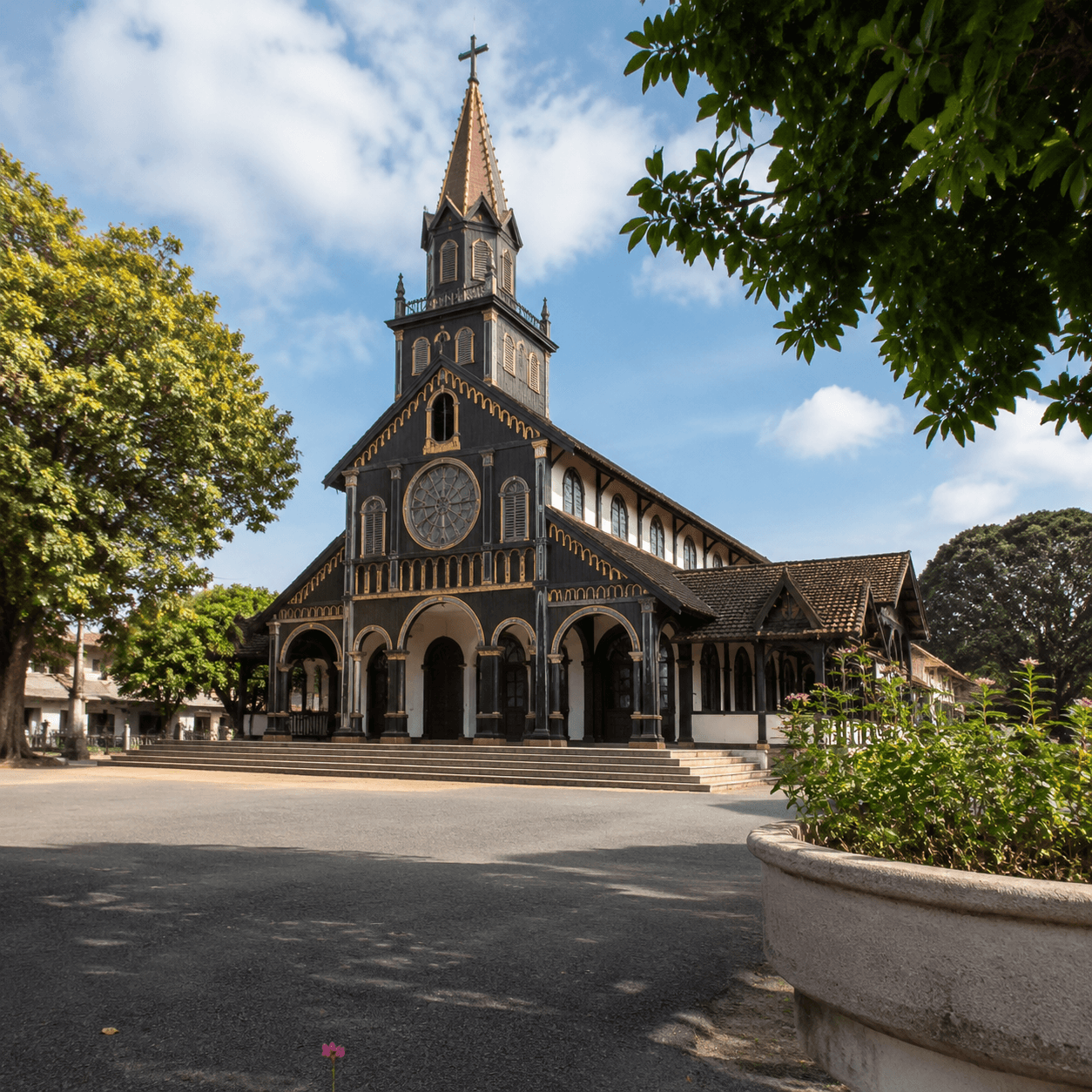
In Gia Lai, the itinerary includes a five-hour morning bus ride to Pleiku (250,000 VND). Minh Thanh Pagoda, open from 7:00 to 17:00, stands out for its ornate wooden architecture and tranquil gardens. The following day, a short drive leads to Kon Tum’s Wooden Church (6:00–18:00), a 1913 landmark built entirely from local timber. Afternoon visits to Bahnar villages introduce traditional weaving and music, often arranged through homestays.
The final stretch heads south to Da Lat, reached by a six-hour bus (300,000 VND). The Da Lat Flower Gardens (70,000 VND, 7:30–17:00) showcase hundreds of blooms, while the night market offers fresh produce and street snacks. On the last day, a trek up Langbiang Mountain (120,000 VND entry) rewards with panoramic views; guided treks are recommended for safety. Afternoon coffee farm tours (from 150,000 VND) provide a hands-on look at local production before departing from Da Lat’s airport.

Where to Stay and Eat
Mid-range accommodations in the Central Highlands typically range from 400,000 to 900,000 VND per night in 2026, with the best selection in larger towns like Buon Ma Thuot and Da Lat. In Buon Ma Thuot, booking ahead is recommended, especially during the dry season (November–April) when demand peaks. Options like the Dakruco Hotel and Muong Thanh Luxury Buon Ma Thuot offer comfortable rooms, reliable Wi-Fi, and central locations for exploring the city. For dinner, the Dak Lak Night Market on Phan Chu Trinh Street opens nightly from 17:00, serving dishes such as grilled beef, banh mi, and avocado ice cream for 70,000–200,000 VND per meal.
Near Lak Lake, Lak Tented Camp stands out for its immersive lakeside setting and eco-friendly design. Rates start around 900,000 VND per night, including breakfast and canoe rental. The on-site restaurant serves M’nong-inspired specialties and locally sourced coffee. Advance booking is essential, particularly if you plan to join cultural activities or village visits arranged through the camp.
In Kon Tum, homestays in Bahnar or Sedang villages provide a chance to experience local hospitality and traditional stilt houses. Prices typically fall between 400,000 and 600,000 VND per night, with meals available on request. Hosts often prepare regional dishes like bamboo-tube rice and grilled chicken, and some arrange weaving demonstrations or music performances for guests.
Da Lat’s accommodation scene is diverse, but mid-range hotels and boutique guesthouses fill quickly during flower festival season (January–February). Book ahead for places like Ana Mandara Villas or Du Parc Hotel. The Da Lat Night Market, open nightly from 17:00, is a reliable spot for street food: try artichoke tea, grilled corn, and fresh strawberries, with most snacks under 100,000 VND. ATM access is good in cities, but bring cash for rural homestays and markets.
Practical Tips and Costs
Travelers heading to Vietnam’s Central Highlands in 2026 will need to secure an e-visa before arrival. The application is processed online through the official government portal, and most nationalities are eligible. Processing typically takes three working days, but it’s wise to apply at least a week in advance to avoid delays. Be sure to print a copy of your e-visa and have it ready for airport or land border checks.
While ATMs are easy to find in cities like Buon Ma Thuot, Pleiku, and Da Lat, cash access becomes unreliable in rural areas and ethnic villages. Bring enough Vietnamese dong for daily expenses when venturing outside urban centers, especially for local markets, homestays, and village tours. Most small businesses and homestays do not accept credit cards, and mobile payment options are rare in the highlands.
English is not widely spoken outside of major towns, so a translation app like Google Translate or basic Vietnamese phrases will be useful for arranging transport, meals, and homestays. Simple greetings and numbers go a long way, especially when negotiating prices or asking directions.
A realistic daily budget for mid-range travel in the Central Highlands is 1,000,000–1,500,000 VND per person (around $40–$60 USD). This covers a comfortable guesthouse or homestay (400,000–900,000 VND/night), meals (70,000–200,000 VND per meal), intercity buses, and entrance fees for activities like waterfalls, museums, and guided treks. Booking buses and accommodation ahead is recommended, especially during the dry season from November to April, when demand is highest.
Safety and Booking Advice
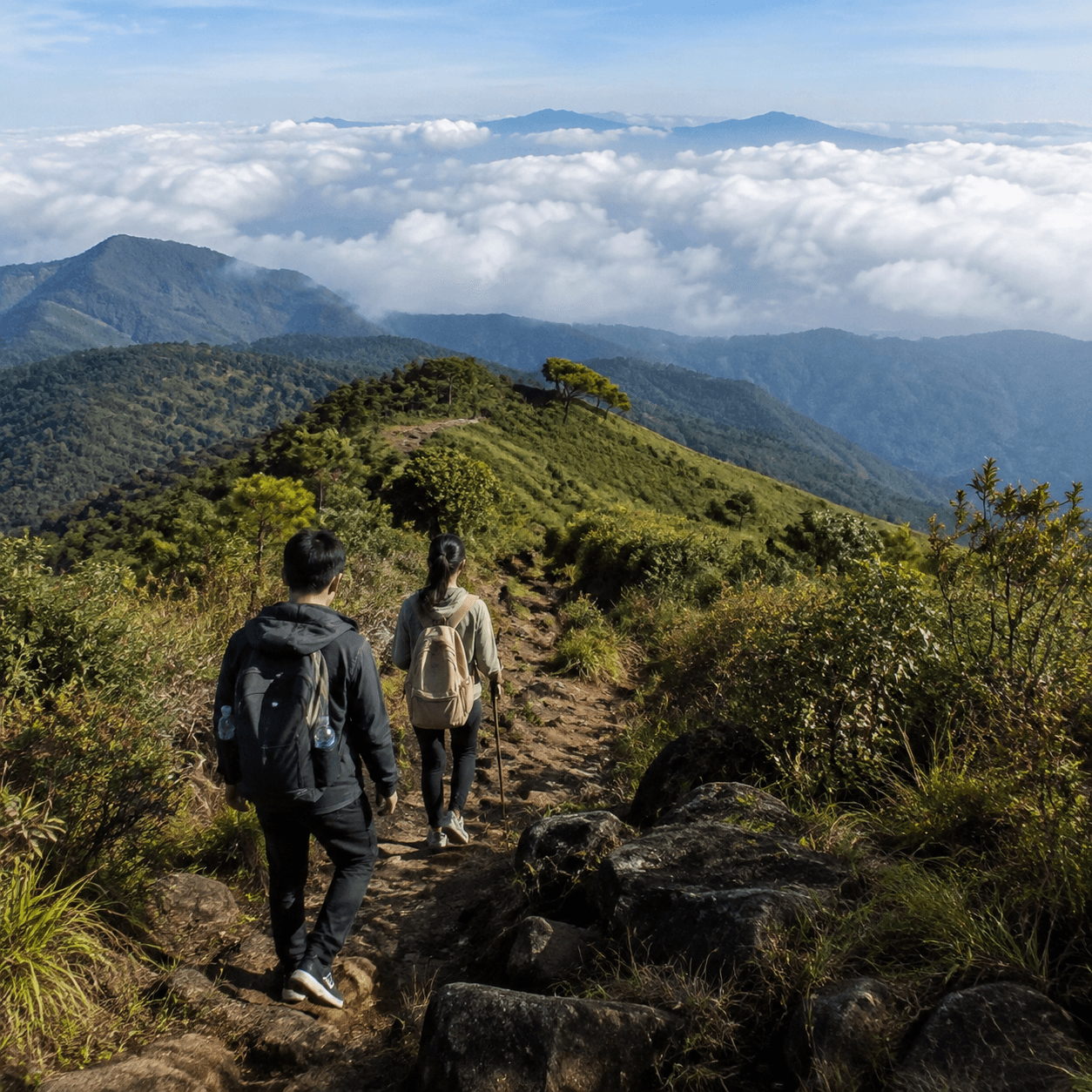
From May to October, the Central Highlands’ rainy season brings frequent downpours that can turn trekking trails around Dray Nur, Langbiang Mountain, and Lak Lake slick and hazardous. Before setting out, check weather forecasts and local trail conditions—most homestays and guesthouses in Buon Ma Thuot, Kon Tum, and Da Lat can provide up-to-date advice. Transport is also affected: landslides or flooding may delay buses between provinces, so it’s wise to confirm schedules directly with operators or at bus stations, especially if traveling between Buon Ma Thuot, Pleiku, and Da Lat. Bus departures can shift without notice, particularly during holidays or heavy rain.
Solo trekkers should always register their plans with local authorities or guides. In smaller towns and villages, the police or community leaders can note your route and expected return, which is standard practice for safety. Guides arranged through homestays—such as Lak Tented Camp or Kon Tum’s village stays—are familiar with the terrain and can advise on safe routes. For ethnic village visits and cultural shows, booking ahead is crucial. Many M’nong and Bahnar villages require advance notice to arrange performances or weaving demonstrations; reputable homestays or local tourism offices can facilitate this. Last-minute drop-ins may be refused, especially during busy periods or festival weeks.
English is limited outside major cities, so having a translation app or basic Vietnamese phrases helps when arranging transport or confirming bookings. ATM access is sparse in rural areas—carry enough cash for entry fees, meals, and tips. By planning ahead and staying informed, travelers can avoid common pitfalls and enjoy a safer, smoother journey through the Central Highlands.
Frequently asked questions
Yes, it’s recommended to arrange village visits and cultural shows ahead of time via your homestay or a local guide.
ATMs are common in cities like Buon Ma Thuot and Da Lat, but limited in villages—bring enough cash for rural stops.
Solo trekking is possible, but check with local authorities for current trail conditions and always inform someone of your plans.
Intercity buses and minivans are the main options; book tickets in advance, especially during peak travel months.
Sources
- nomadicnotes.com — Primary source
- travelwithtina.com — From research brief
- vietnamtourism.gov.vn — From research brief
- backpackervietnam.com — From research brief
- thewanderingquinn.com — From research brief
Loading reviews…
Related posts

Vietnam Central Highlands and Coast: 14-Day Itinerary, Transport, and Costs (2026)
This article details a practical 14-day itinerary for exploring Vietnam’s Central Highlands and coastal cities in 2026, covering transport, entry rules, daily costs, and top attractions. It's designed for international visitors seeking a blend of culture, nature, and local cuisine, with up-to-date prices and travel tips.

Buon Ma Thuot and Pleiku: How to Plan a Central Highlands Trip via 2026’s New Direct Flights
This guide explains how to plan a practical trip to Vietnam’s Central Highlands in 2026, using the new direct flights to Buon Ma Thuot and Pleiku. It covers flight routes, visa steps, airport transport, accommodation, festival timing, and essential travel tips for international visitors.

Budget Travel in Dak Lak and Buon Ma Thuot: 2026 Costs, Stays, and Local Experiences
This article gives international travelers a practical 2026 guide to exploring Dak Lak province and Buon Ma Thuot city on a budget. It covers current prices for transport, accommodation, and tours, visa rules, how to get around, and tips for enjoying coffee farms, ethnic villages, and eco-lodges in Vietnam’s Central Highlands.