Hai Van Pass by Motorbike in 2026: Rental Costs, Route, and Safety Guide
A practical 2026 guide to riding the Hai Van Pass by motorbike between Da Nang and Hue, covering rental costs, fuel stops, ride times, tunnel alternatives, and safety. Use it to plan a self-ride or easy rider trip and avoid the tunnel for the old Top Gear road.
Related reading
Keep exploring Vietnam
- 1
- 2
- 3
At a glance
- Best time
- November–February for cooler, misty conditions; early morning to beat fog and buses.
- How long
- 1.5–2 hours from Da Nang to Lăng Cô including photo stops; add about 1.5 hours from Hue.
- Budget
- Rental 150,000–250,000 VND/day; fuel 40,000–60,000 VND; easy rider $35–$60/day.
- Getting there
- Start in Da Nang or Hue, follow National Road 1, and take the old road before the Hai Van Tunnel.
- Language
- Vietnamese; basic English in tourist areas, but have offline maps and Google Translate.
- Currency
- Vietnamese dong (VND).
Getting There and Why Avoid the Tunnel
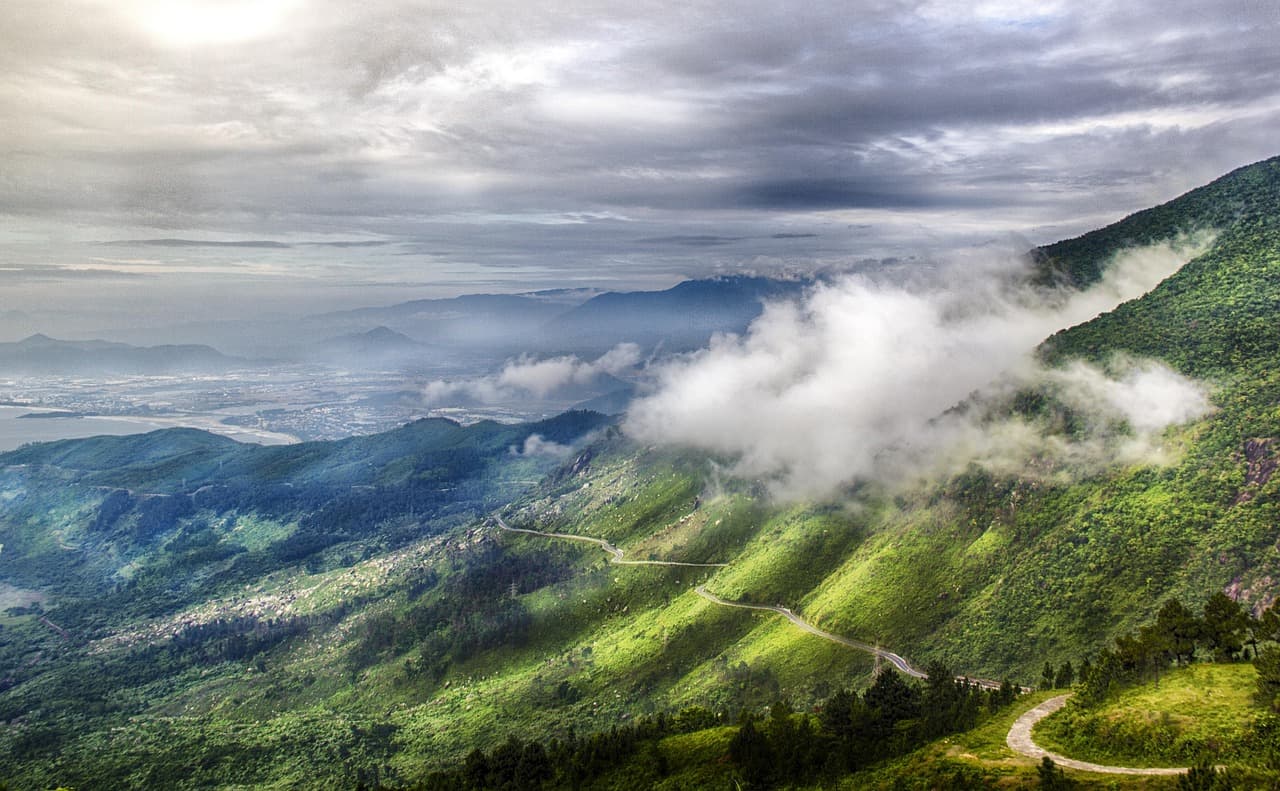
The Hai Van Pass scenic climb runs on National Road 1 from Da Nang north to Lăng Cô, covering 21 km of switchbacks, coastal views, and old French bunkers. From Hue, add 1.5 hours to reach the same climb before you even start up the pass. That makes the full Hue–Da Nang ride a long half-day if you stop for photos. Start in Da Nang to shorten the approach, or start in Hue if you want the extra coast time first.
The Hai Van Tunnel cuts the crossing to 15 minutes, but you see nothing except tunnel walls. Cars pay a toll; motorbike toll details change, so confirm at the tollgate before entering. Do not follow the tunnel signs if you want the pass views. Look for the turn onto the old road before the tunnel entrance. For 2026 the old road is open and free.
From Da Nang, ride north on National Road 1 until the road approaches the tunnel portal. The old road splits off just before the entrance, often signed as the Hai Van Pass road or đường đèo Hải Vân. Missing that turn puts you in the tunnel and skips the entire climb. The 21 km section to Lăng Cô takes 1.5–2 hours including photo stops, because the summit pullouts and the abandoned bunkers invite repeated stops above the lagoon.
From Hue, the added 1.5 hours means you should not rush the final descent into Da Nang. Fuel stations are sparse on the pass, so fill up in Lăng Cô or Phú Lộc before you climb if riding from Hue. Keep the old road as your fixed route, not a detour, and you will get the full pass without paying for the missed scenery.
Renting a Motorbike: Costs and Checks
A semi-automatic scooter in Da Nang or Hue costs 150,000–250,000 VND per day. An easy rider tour with a local driver on the same route runs $35–$60 per day. If you don't ride at home, the easy rider option removes the stress of Vietnamese traffic and lets you watch the pass instead of the road. For self-ride, this daily rate gets you a basic semi-automatic scooter; condition varies, so the cheapest shop is not always the best value.
Book informally through your hotel, a hostel such as Hue Backpackers, Da Nang bike shops, or local Facebook groups. No advance booking is needed in 2026, and walk-in rentals are normal in both cities. Ask the shop to show you the exact bike you will ride, not just a photo, and confirm the rental includes a helmet. Facebook groups are useful for recent road and rental feedback, but inspect the bike yourself before paying.
Before you leave the shop, photograph the bike from all sides, focusing on existing scratches, mirrors, and the exhaust. Verify what the insurance covers and get that in writing if possible. Check the helmet: the strap should adjust snugly, the shell should not have cracks, and the visor should close. Many rental shops will rent to you even without a valid driving permit. Vietnam does not officially accept International Driving Permits, so you should understand the risk of fines before you twist the throttle.
Carry your passport and any driving permit you hold, even if the shop never asks. Police rarely stop foreigners on the Hai Van Pass route, but fines are common if they do check. If you ride without a valid license, be prepared to pay on the spot or leave the bike with the rental company.

Route, Timing, and Fuel Stops
Fuel for the pass typically costs about 40,000–60,000 VND depending on the bike, but that is not a full tank; tank sizes and pump prices vary, so confirm the current cost when you fill up. Stations are sparse on the pass itself; there are no pumps on the climb or descent between the Da Nang side and Lăng Cô. You'll see a few small roadside stalls selling bottled petrol in a pinch, but don't count on them. Check your gauge before leaving Lăng Cô or Phú Lộc; the climb and descent will use more than you think in low gear.
Safety, Weather, and Road Conditions
Morning fog on the pass often thins by mid-morning, so leave Da Nang or Hue between 6 and 9 AM. That puts you ahead of tourist buses and gives the clearest light for the 21 km climb to Lăng Cô. Carry a light rain jacket even in the dry season; conditions shift quickly over the summit. November–February is cooler and misty, while summer heat can be intense on exposed sections with no shade. Fall and winter mornings bring sea fog up the eastern slope, so if visibility drops below a few hundred meters, pull over at the first paved shoulder and wait for a bus or truck to pass before continuing.
The asphalt on the old National Road 1 has been repaired, but landslides still occur after heavy rain; check local road reports before setting out. The main hazards are trucks cutting blind corners and tourists stopping for photos without warning, especially near the summit viewpoints. Slow down and use short horn taps at tight turns. If rain gets heavy, wait it out at a fuel stop in Lăng Cô or Phú Lộc rather than riding through. Poor visibility can cut the ride to a crawl, and the 15-minute Hai Van Tunnel is a faster alternative when weather turns, but motorbikes may face separate fees; for 2026 the old road remains open and free.
Police rarely stop foreigners on this route, but you should still carry your passport and a valid driving permit or Vietnamese-recognized document. Vietnam does not formally accept international driving permits, and rental shops will rent anyway; understand that fines are common and you assume the risk. For 2026 the pass remains open and free, so the old road stays the better scenic option, but the legal position on permits has not changed.
Costs at a Glance
A semi-automatic scooter rents for 150,000–250,000 VND per day in Da Nang or Hue, and fuel for the pass costs 40,000–60,000 VND. Those two line items set the self-ride budget; a full day on the pass stays under 310,000 VND before food, water, or a spare rain jacket. No advance booking is needed for rentals. Hotels, hostels like Hue Backpackers, and Da Nang bike shops arrange informal rentals on the spot, and Facebook rental groups post daily availability. Before you pay, photograph the bike, verify the insurance, and check the helmet.
Easy rider tours run $35–$60/day, and that gap matters more than the scooter rental. Confirm whether the rate includes fuel, food, and any entrance fees; some operators quote a base seat price and then add stops or meals. The old road itself is free in 2026, so a self-rider pays only the rental and fuel to ride the 21 km climb from Da Nang to Lăng Cô. That ride takes 1.5–2 hours including photo stops; from Hue, add 1.5 hours, but fuel costs stay in the same 40,000–60,000 VND range. The Hai Van Tunnel alternative takes 15 minutes and skips the views, but skipping it adds no toll to your costs.
For either option, keep a small buffer for fuel stations, which are sparse on the pass; fill up in Lăng Cô or Phú Lộc before climbing. Start between 6 and 9 AM to beat fog and tourist buses. The cooler, misty season from November to February does not change rental or easy rider rates, but summer heat makes the early start more valuable. Road repairs have improved the asphalt, though landslides after heavy rain still cause occasional delays.
Police rarely stop foreigners on this route, but carry your passport and a valid driving permit, and know that rental shops will rent to you regardless of permit status. That legal risk is a budget question too: a fine, if it comes, will cost more than an easy rider day.

Practical Tips for the 2026 Ride
Before you ride in 2026, the small preparations that prevent most problems are checking cloud cover, carrying your documents, setting offline maps to National Road 1, locking your bike and removing valuables at viewpoints, and asking your hotel about road closures after heavy rain. Each one takes minutes and saves a longer detour, a fine, or a stolen helmet.
Check the forecast and satellite cloud cover the night before, not just the morning of. Morning fog sits on the pass often, especially in the cooler November–February season, and it can roll in fast around 9-10 AM. In the dry season, late afternoon light is often better for photography than the hazy early hours; if you can ride between 2 and 5 PM, you'll get clearer views down to Lăng Cô and Da Nang Bay.
Keep your passport and any driving permit with you, not in a bag left on the bike. Vietnam does not officially accept International Driving Permits, so if you rent without a Vietnamese-recognized document, you accept the risk of a fine if police stop you. Separately, download offline maps before you leave and set the route to National Road 1, not 'fastest' or 'avoid tolls'; those settings can send you straight into the Hai Van Tunnel, which skips the 21 km scenic climb.
At every viewpoint, lock the bike and take your valuables with you; do not leave a phone, passport, or wallet in the top box, even for five minutes. Before you set off in the morning, ask your hotel or hostel staff about current road closures after heavy rain, because landslides occasionally block the old road. A five-minute conversation with the front desk can save you from riding 30 minutes toward a closed section.
Frequently asked questions
Yes, for 2026 the old road is open and free. The Hai Van Tunnel is faster but skips the views; if you want the Top Gear road, ignore the tunnel signs and take the pass.
Rental shops will usually rent to you anyway, but Vietnam does not officially accept IDPs. Police fines are common, so carry your passport and any driving permit, and understand you are taking the risk.
From Da Nang to Lăng Cô is about 21 km and takes 1.5–2 hours including photo stops. From Hue, add about 1.5 hours to reach the same climb.
Stations are sparse on the pass itself. Fill up in Lăng Cô or Phú Lộc before or after the climb, and expect fuel to cost about 40,000–60,000 VND depending on the bike.
Travel details change — opening hours, prices, and schedules can vary by season. Please verify current information on official websites before your visit.
Watch: related videos
Hai Van Pass by Motorbike in 2026: Rental Costs, Route, and Safety Guide — Video by GIANG VU on Pexels · silent stock clip
Hai Van Pass by Motorbike in 2026: Rental Costs, Route, and Safety Guide — Video by Daniela Risco on Pexels · silent stock clip
Sources
- vietnamcoracle.com — Primary source
- theflamingotravels.com — From research brief
- infarawayland.com — From research brief
- vietnamonline.com — From research brief
Loading reviews…
About the author
Lê Minh Đức
Routes & Itineraries Editor
Minh Đức plans Vietpeep's itineraries, transport guides, and practical tips with a surveyor's care for distances, timings, and connections. He believes a route is only as good as its smallest detail — the last ferry, the right train class, the turn travelers miss.
All articles by Minh ĐứcRelated posts

Sapa Trekking with Kids: Family-Friendly Routes, Costs and Safety in 2026
A practical 2026 guide for families trekking in Sapa with children, covering the Muong Hoa Valley, Cat Cat, and Ma Tra-Ta Phin routes, realistic distances, 2026 guide and homestay costs, safety, and a three-day plan. Use it to choose routes, budget accurately, and avoid common mistakes on a family trek.

Fansipan Trek 2026: Park Permits, Guided Tour Costs, and the 2-Day Route
Everything you need to plan a 2026 Fansipan trek in Hoang Lien National Park: the 100,000 VND entry rule, logbook system, 2-day guided tour prices, cable car costs, seasonal weather windows, and safety essentials for the 3,147 m summit.

Sapa Village Trekking: Route Choices, Guide Costs, and Practical Tips for 2026
This article explains Sapa's village trekking options for international visitors in 2026, covering route difficulty, guide requirements, prices, transport, weather, and cultural etiquette. It provides practical details for planning half-day to full-day treks through Cat Cat, Lao Chai–Ta Van, Ta Phin, and Ban Ho, plus tips for booking guides and staying in local homestays.