Hanoi Old Quarter on $15 a Day: 2026 Backpacker Budget Guide
A 2026 price-checked budget plan for Hanoi's Old Quarter: sleep in $6–$9 dorms, eat $2 pho and $1.20 banh mi, see free lakeside sights, and use local buses or Grab motorbikes. Includes Tet timing, Train Street rules, and spot-checked costs to keep daily spending around 380,000 VND ($15).

Related reading
Keep exploring Vietnam
- 1
- 2
- 3
At a glance
- Best time
- March–May or September–November; avoid Tet (Feb 17–22, 2026)
- How long
- 2–3 days is enough for Old Quarter highlights
- Budget
- 380,000 VND ($15) per day for dorm, street food, one sight, local transport
- Getting there
- Local buses 7,000–10,000 VND; Grab motorbike 15,000–30,000 VND within city
- Language
- Vietnamese; English is widely spoken in tourist areas
- Currency
- Vietnamese dong (VND); carry small notes
Where to Sleep for Under $10
A dorm bed at Hanoi Old Quarter Hostel runs 160,000–230,000 VND ($6.30–$9) on Hostelworld as of May 2026, leaving most of a $15 daily budget for food and sights. Vietnam Backpacker Hostels lists similar bunks in the same range, usually on Ma May or Luong Ngoc Quyen. For couples or friends, a basic private double starts at 350,000–450,000 VND ($14–$18); split two ways, that's $7–$9 per person, still under the $10 target. These privates are often windowless, with hard mattresses and thin walls, but they include air conditioning and sometimes a balcony over the street.
The one exception is Tet, February 17–22, 2026, when hostel rates can double and dorms fill weeks ahead. Book at least a month before if you're arriving then, and confirm the property is actually open—some family-run places close for the holiday. Before paying, scroll recent Hostelworld reviews for noise complaints, bed quality, and check-in hours; Old Quarter hostels vary widely on all three.
Eating Well on $5–$7 a Day
A bowl of pho bo at Old Quarter street stalls cost 50,000–70,000 VND ($2–$2.80) in May 2026, enough for a full lunch if you add a 30,000–40,000 VND ($1.20–$1.60) banh mi for later. At those prices, your daily food budget of $5–$7 covers two solid meals plus a drink. Bun cha, the grilled-pork-and-noodle dish served at lunch counters, ran 60,000–80,000 VND ($2.40–$3.20) and often includes herbs and a fried spring roll. For the cheapest calories, a glass of bia hoi (draught beer) was 10,000–20,000 VND, and many backpackers pair it with a small bowl of peanuts or a banh mi from the same block.
Be careful with sit-down cafes in the Old Quarter. Some add tourist prices to menus, meaning the bill can be higher than the price on the board or the local menu. Ask for the printed menu with prices and confirm the total before you order. Street stalls with a menu board are usually safer; carry small notes (10,000 and 20,000 VND) because vendors often can't break large bills. If you stick to pho, banh mi, bun cha, and bia hoi, you can eat well for $5–$7 a day without hunting for the cheapest bowl on the block.

Free and Almost-Free Sights
A full day of sightseeing in the Old Quarter can cost as little as 40,000 VND ($1.60) if you stick to the free circuit around Hoan Kiem Lake, a 1.5 km loop that is busiest from 6:00 to 8:00 when locals practice tai chi and aerobics. St. Joseph's Cathedral on Nha Tho Street is a 19th-century neo-Gothic church free to photograph from outside; you can step in during Mass times for a look at the stained glass. The ancient houses at 87 Ma May and 38 Hang Dao are restored merchant homes that cost nothing to walk past.
The weekend Night Market, held Friday through Sunday from roughly 18:00 to 23:00 along Hang Dao, Hang Ngang, and Hang Duong streets, is free to browse the stalls and street food scene. For a small entry fee, Ngoc Son Temple on Jade Island costs 40,000 VND ($1.60), open daily 8:00–18:00; buy your ticket at the red Huc Bridge. Hoa Lo Prison at 1 Hoa Lo Street charges 50,000 VND ($2), open 8:00–17:00 with last entry at 16:30.
If you want a performance, Thang Long Water Puppet Theatre at 57B Dinh Tien Hoang Street sells tickets from 150,000 to 200,000 VND ($6–$8), which can eat up half of a tight $15 daily budget—skip it and watch free street performers near the lake instead.
Getting Around the Old Quarter
Hanoi’s city buses cost 7,000–10,000 VND a ride and are handy for leaving the Old Quarter, but the neighborhood itself is compact enough to walk. From Dong Xuan Market to Hoan Kiem Lake is a 10–15 minute stroll, and you can string together a free loop: start at St. Joseph’s Cathedral, walk down Hang Gai’s silk shops, then follow Hang Dao to the red Huc Bridge and the lake. For anything beyond a 20-minute walk, use the Grab app’s motorbike option—short hops within the Old Quarter currently run 15,000–30,000 VND, and the in-app fare is locked before you confirm. Refuse taxi touts near Hoan Kiem; they commonly quote 150,000 VND for a trip that Grab prices at 20,000 VND. Always check the Grab fare first and walk away from anyone offering "cheap taxi" at the lake or bus stops. On city buses, carry 10,000 VND notes or smaller—drivers often won’t break anything larger.

When to Visit and Tet Timing
Tet (Lunar New Year) falls on February 17–22, 2026—the one stretch to avoid if you're on a $15-a-day budget. During those six days, dorm beds in Old Quarter hostels often double from the usual 160,000–230,000 VND, and many street-food stalls close. You'll still find some pho and banh mi carts, but cheap eats thin out and those that stay open may raise prices.
Plan instead for March–May or September–November. These shoulder months keep demand lower, so a bed at Hanoi Old Quarter Hostel or Vietnam Backpacker Hostels tends to stay in the 160,000–230,000 VND range, and street food scenes around Hang Buom and Ta Hien remain open. Shoulder weather still brings heat and short downpours: carry a reusable water bottle and a packable rain layer, and start walking loops before 9am to beat the midday sun.
If you're locked into Tet dates, book accommodation and transport well ahead. Reserve your dorm bed and any overnight buses or trains as soon as you know your dates, because both sell out and prices spike. Also note that Train Street access around Tet can be even more restricted; if you go, expect to buy a 40,000–100,000 VND drink at a café just to enter.
Daily Budget Breakdown
As of May 2026, a dorm bed at Hanoi Old Quarter Hostel or Vietnam Backpacker Hostels runs 160,000–230,000 VND ($6.30–$9) on Hostelworld, which leaves about 200,000 VND for everything else. Start the day with a bowl of pho bo at 50,000–70,000 VND ($2–$2.80), grab a 30,000–40,000 VND ($1.20–$1.60) banh mi for lunch, and sit down to bun cha at 60,000–80,000 VND ($2.40–$3.20) in the evening. Add one bia hoi at 10,000–20,000 VND and your food and drink total lands around 150,000–210,000 VND ($6–$8.40).
One paid sight fits without breaking the budget: Ngoc Son Temple on Hoan Kiem Lake costs 40,000 VND ($1.60), or Hoa Lo Prison is 50,000 VND ($2). Getting around is cheap too—a local bus costs 7,000–10,000 VND, and a Grab motorbike ride within the quarter is 15,000–30,000 VND ($0.60–$1.20). Even at the top end of that range, transport stays under 30,000 VND.
Add it all up: dorm bed 160,000–230,000 VND, meals and bia hoi 150,000–210,000 VND, one paid sight 40,000–50,000 VND, and transport 7,000–30,000 VND—roughly 380,000 VND ($15) for the day. That total is before bottled water, coffee, or a 150,000–200,000 VND ($6–$8) water puppet ticket. Carry small dong notes for street vendors, and check menu prices before ordering because some Old Quarter cafés add tourist surcharges.

Practical Notes for Budget Travelers
Most Old Quarter street vendors, xe om drivers, and bus conductors won’t have change for a 500,000 VND note, so break big bills at your hostel reception or a Circle K before you start the day. Carry a stack of 10,000–50,000 VND notes; they cover banh mi, a bia hoi glass, and a local bus fare (7,000–10,000 VND) without stalling the transaction or inviting an inflate-the-price moment.
Drink only bottled or filtered water. Tap water in Hanoi is not potable, and refilling your bottle at a bathroom or street spigot is a fast route to a ruined day. A 1.5-liter bottle of local water costs 10,000–15,000 VND at any minimart. For Train Street, the railway corridor is now gated and police/guard-controlled; tourists enter only by sitting at a café and buying a drink, usually 40,000–100,000 VND for an egg coffee or juice. Entry rules shift without notice—some cafés close the tracks during freight train hours or local crackdowns—so ask your hostel that morning before walking over.
Finally, spot-check prices before you commit. Hostel dorm beds and private rooms in the Old Quarter fluctuate weekly; a 180,000 VND bed in May 2026 can jump to 260,000 VND by Friday. Use Hostelworld and Google Maps current listings, then pay in person if possible. If a café menu has no prices, ask first: a few places near Hoan Kiem Lake add tourist markup on request.
Frequently asked questions
Yes, but access is controlled. You generally need to buy a drink at a café to enter, often 40,000–100,000 VND. Rules can change quickly, so ask your hostel or a local café before going.
About 380,000 VND ($15) if you stay in a dorm, eat street food, visit one cheap paid sight, and use local buses or one Grab motorbike.
Yes if you want cheap, open stalls. Tet 2026 is Feb 17–22; many street food stalls close and hostel prices can double. Visit in March–May or September–November instead.
No. Drink bottled or filtered water only.
Travel details change — opening hours, prices, and schedules can vary by season. Please verify current information on official websites before your visit.
Sources
- nomadicmatt.com — Primary source
- thebroke-backpacker.com — From research brief
- vietnamcoracle.com — From research brief
- travelfish.org — From research brief
- vietnam.travel — From research brief
Loading reviews…
About the author
Đặng Nhật Linh
Travel News & Money Editor
Nhật Linh curates Vietpeep's travel news and money guides — visa changes, transport updates, seasonal events, and how far your money goes. She writes for travelers who want current, practical answers without the fluff.
All articles by Nhật LinhRelated posts

Hanoi in 2 Days: A Practical Vietnam Itinerary for the Old Quarter, Lakeside Cafés, and Train Street
This 2-day Hanoi Vietnam itinerary covers the Old Quarter, Hoan Kiem Lake, Hoa Lo Prison, Train Street, Ba Dinh Square, and the Temple of Literature with exact 2026 prices, transfer costs, and budget notes. Independent visitors can use it to move efficiently, avoid taxi scams, and see the key sights without a guide.
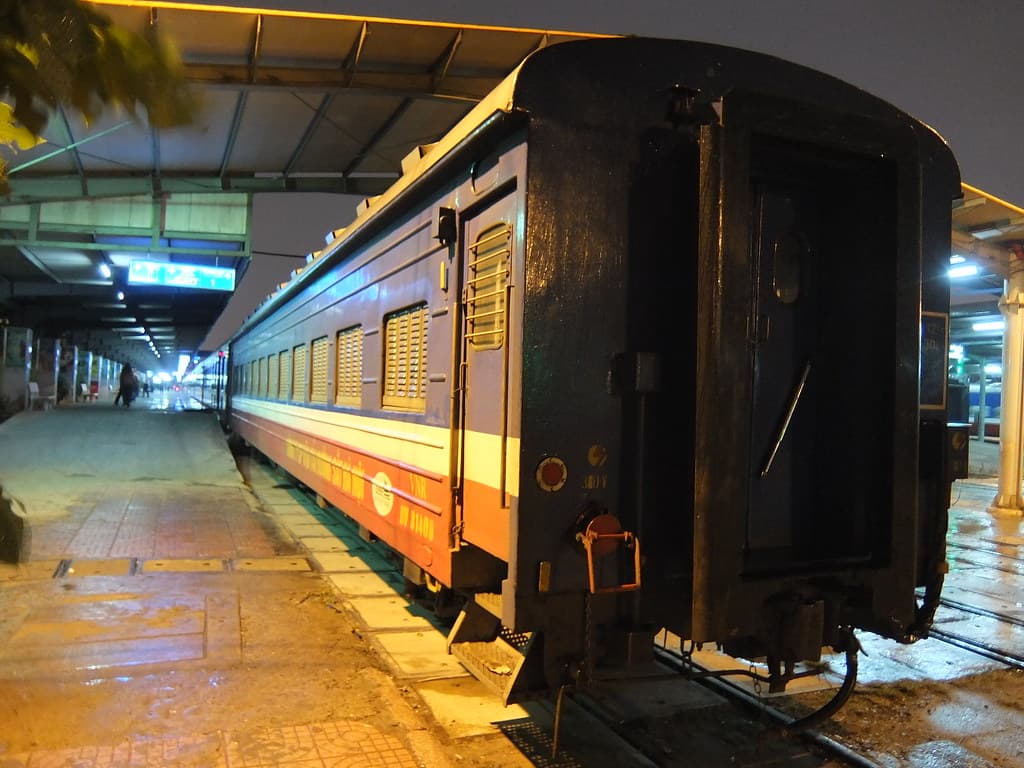
Hanoi to Sapa day train 2026: a Vietnam travel guide to whether it exists and what to book instead
This expert roundup answers whether a daytime Hanoi to Sapa train exists in 2026, compares it with overnight sleepers and buses, and gives 2026 fares, Lao Cai transfers, Sapa attraction fees, booking lead times, and seasonal timing. It is useful for travelers deciding how to reach Sapa without wasting a day or missing a connection.

Hung Kings Temple from Hanoi: Vietnam Culture Day Guide for the 2026 Hung Kings Festival
For a meaningful Vietnam culture day in 2026, take a day trip from Hanoi to Hung Kings Temple in Phu Tho. The complex is about 70 km, roughly 2 hours by road, with free admission and 3–4 hours needed to explore. Avoid festival crowds by arriving before 9 AM or visit outside festival days.