Hanoi to Sapa by Vietnam Trains: Overnight Sleeper Fares, Schedules, Booking and Lao Cai Transfer
This 2026 guide covers the Hanoi–Sapa overnight Vietnam Railways route: SP3/SP7 departure times, sleeper fares from ₫500,000, booking on dsvn.vn, and the Lao Cai–Sapa road transfer. Use it to plan a comfortable overnight rail trip and avoid unreliable third-party sellers.

Related reading
Keep exploring Vietnam
- 1
- 2
- 3
At a glance
- Best time
- Year-round; bring layers November–February when Sapa is cold and foggy.
- How long
- 5–6 hours by train to Lao Cai, plus 30–60 minutes road transfer to Sapa.
- Budget
- Train from ₫500,000 (hard sleeper); soft sleeper from ₫800,000; shared minibus ₫50,000–100,000.
- Getting there
- Overnight Vietnam Railways train from Hanoi Tran Quy Cap to Lao Cai, then shared minibus or taxi to Sapa.
- Language
- Vietnamese; official booking site dsvn.vn has e-tickets, Baolau offers English.
- Currency
- Vietnamese đồng (₫)
Vietnam trains at a glance: Hanoi–Lao Cai route basics
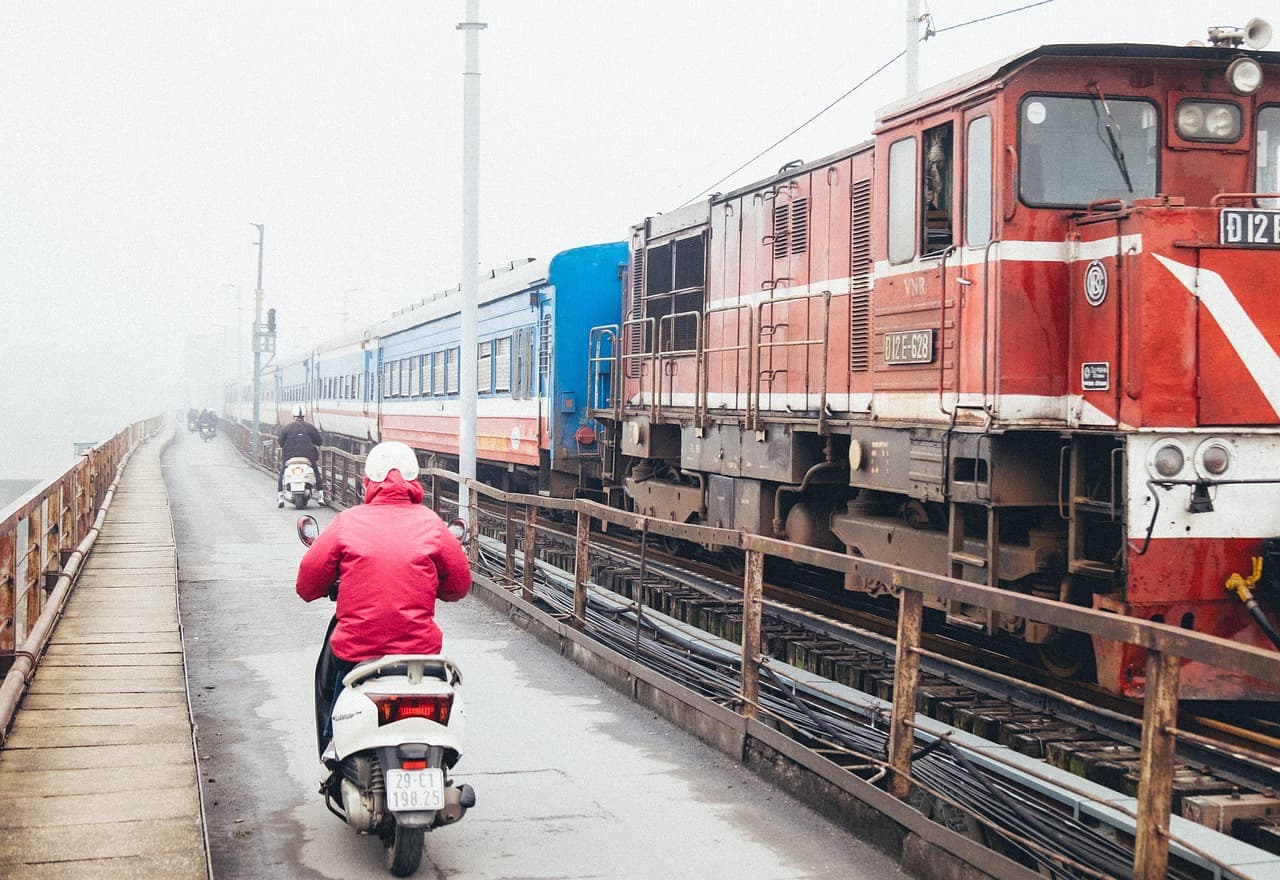
Vietnam trains from Hanoi to the Sapa area do not actually stop in Sapa town; Vietnam Railways runs overnight services only to Lao Cai, roughly 7 hours from the capital. All passengers then complete a 30–60 minute road transfer up the mountain to Sapa. Boarding in Hanoi happens at Tran Quy Cap station, not the main Hanoi station, so check the address printed on your ticket; the platform is 10 minutes by taxi from the Old Quarter.
The most common overnight departures are SP3 and SP7, leaving Hanoi between 21:00 and 22:00 and arriving in Lao Cai between 04:00 and 05:00. After you step off the train, shared minibuses wait outside the station for early arrivals. They charge ₫50,000–100,000 per person and cover the climb to Sapa in 30–40 minutes; private taxis cost ₫250,000–350,000 for the same transfer. This is a horizontal-sleep alternative to the express bus: the train takes roughly 7 hours to reach Lao Cai, while the express bus can make the trip in about 5–6 hours, but the train lets you lie flat instead of sitting upright overnight.
Set expectations before booking. The Hanoi–Lao Cai line is meter-gauge, and the rolling stock is less modern than Thai or Japanese trains; cabins are functional rather than luxurious, and night meals are not included. Because there is no direct rail link to Sapa town, every passenger must account for the final road leg. Sapa sits at around 1,600 metres, so the 04:00–05:00 arrival often means stepping into cold, foggy mountain air from November to February; pack a layer for the minibus ride.
The train is not faster than the express bus—the bus can reach Lao Cai in about 5–6 hours while the train takes roughly 7—but for travelers who prefer a reclined berth and a stable night, the overnight service remains a practical choice in 2026. For a step up, the tourist-oriented Chapa Express and Sapaly Express carriages on the same trains offer more polished cabins, booked through agencies or dsvn.vn when listed. Confirm schedules on dsvn.vn before traveling, as times and carriage availability shift seasonally.
Schedules and train types: SP3 and SP7
Two Vietnam trains dominate the overnight Hanoi–Lao Cai run: SP3 and SP7. Both leave Hanoi between 21:00 and 22:00 and pull into Lao Cai between 04:00 and 05:00, which puts you at the station before the first shared minibuses to Sapa start filling. If you want the earliest possible transfer up the mountain, SP3 tends to be the one to watch; if you prefer a slightly later departure, SP7 buys you a little more time in Hanoi before boarding. Confirm the exact platform and departure time on dsvn.vn, since the timetable shifts with track maintenance and holiday demand.
The standard Vietnam Railways sleeping cars are functional and predictable. Four-berth soft sleeper cabins lock from the inside and come with bedding, air-conditioning, and a reading light, but the ride is on meter-gauge track and the carriages can be old. Last-minute tickets are often in older cars, so booking 2–3 weeks in advance gives you a better chance at a newer carriage. Six-berth hard sleeper compartments are cheaper but noisier, with less privacy. No meals are included on SP3 or SP7—bring water, fruit, or banh mi before you board, because the station stalls may be closed at that hour.
If you want a step up without switching trains, the tourist-oriented Chapa Express and Sapaly Express carriages are attached to the same SP3 and SP7 services. They cost more, but the cabins tend to be fresher, with softer bedding, better lighting, and sometimes a welcome drink or snack; book these through dsvn.vn when listed or through a travel agent, since they are not always available as standard Vietnam Railways tickets.
Daytime and later trains also run on the Hanoi–Lao Cai line, but they are less useful for a standard Sapa overnight itinerary, and their schedules change seasonally. Before you commit to SP3 or SP7, check dsvn.vn for the current timetable and carriage options; the official site shows e-ticket availability and which tourist carriages are running on your date.

Fares and cabin classes for Vietnam trains
On the overnight Hanoi–Lao Cai trains, the default choice for most international visitors is the four-berth air-conditioned soft sleeper, which runs ₫800,000–1,300,000 per berth in 2026. The compartment has two upper and two lower berths, a door that closes, and air-conditioning; each berth comes with a pillow, blanket, and small reading light. You can board with an e-ticket from dsvn.vn displayed on your phone, and the conductor checks names against the passenger manifest at the carriage door.
The six-berth hard sleeper drops the fare to ₫500,000–800,000 per berth, but it is a different experience: three berths per side, an open curtain instead of a door, and more passengers moving through the carriage at night. It is noisier and offers minimal privacy, though the berths are still padded and air-conditioning is usually present. At the top end, two-berth soft sleeper cabins may exceed ₫1,500,000 per berth and are the closest to a private compartment. On every cabin type, fares climb on weekends and public holidays, and the better carriages sell out early — booking 2–3 weeks ahead is the reliable way to secure a four-berth soft sleeper at the lower end of that band.
For a more finished ride on the same Vietnam Railways trains, the tourist-oriented Chapa Express and Sapaly Express carriages are a step up from standard sleepers; these premium options are sold through travel agencies or, when listed, on dsvn.vn. Standard four-berth soft sleepers remain the practical middle ground for most travelers. Because schedules and carriage assignments shift seasonally, confirm current fares on dsvn.vn before paying a third-party site, and keep the e-ticket on your phone — it is accepted as the boarding document on Vietnam trains.
Booking Vietnam trains: official site and alternatives
Vietnam Railways sells Hanoi–Lao Cai tickets directly on dsvn.vn, the only primary source for Vietnam trains booking that issues e-tickets accepted on phones without a service fee. The official site is in Vietnamese, but the train list, berth types, and prices are visible once you select your date and route.
If the Vietnamese-language dsvn.vn interface is hard to navigate, use Baolau at baolau.com to compare berth types and prices in English. Baolau is a verified booking platform; it lists the same overnight SP3 and SP7 departures as the official site and issues a confirmation you can show on your phone. The Baolau interface shows the same real-time availability as dsvn.vn, so you are not giving up accuracy for English. Local travel agents and hotel desks in Hanoi can also book for you, but they add a small service fee on top of the official fare. This is convenient if you do not want to handle the booking yourself, but do not expect agent prices to be lower.
Avoid unofficial third-party websites that promise discounts or last-minute availability. Many of these sites mark up Vietnam trains tickets well above the official dsvn.vn fare, and some disappear after payment, leaving you without a boarding pass at Hanoi's Tran Quy Cap station. The safest route is to book on dsvn.vn or Baolau, then check your carriage number against the official schedule before travel.
For the best cabin availability, reserve 2–3 weeks in advance, especially for four-berth air-conditioned soft sleepers and weekend or holiday departures. Last-minute bookings through any channel often leave only hard sleepers or older carriages, and a local agent may still find a berth but at a higher markup. Prices rise on weekends and holidays, so early booking also locks in the published fare.
Lao Cai to Sapa: train station transfer
Shared minibuses wait directly outside Lao Cai station when the overnight trains arrive, and they cost ₫50,000–100,000 per person — the cheapest way to make the 30–40 minute climb to Sapa. Drivers hold signs or call out 'Sapa' and leave once the van is full, which happens quickly on early-morning arrivals. Bags go under seats or on laps, and you may share with market traders as well as tourists. Keep small notes, because change for large denominations is often unavailable before 5 a.m.
Private taxis and ride-hailing cars cost ₫250,000–350,000, and that fare should be negotiated as a fixed price before you get in — especially at 4–5 a.m., when multiple trains arrive and meter rules are loosely applied. A private car gives you a dedicated driver, a cleaner seat, and proper luggage space; shared minibuses usually wait to fill before departing, while a private car leaves when you do. But it does not cut the drive time under normal conditions. If you book via Grab or a local app, confirm the total before loading anything; some drivers ask for an extra charge to cover the empty return to Lao Cai.
Sapa town sits at about 1,600 m, and the temperature can drop sharply on the ride up, particularly from November to February when the road is cold and foggy. Even the short walk across the station yard in the early morning can be cold enough to justify a layer. That makes the 30–40 minute transfer more a question of comfort than speed. Bring a fleece or jacket in your carry-on, not buried in your suitcase, because even the wait outside the station while bags are loaded can be cold. Confirm the per-person price before boarding a shared minibus and the full fare before a taxi departs, and the transfer stays simple.
Practical tips for an overnight Vietnam train
Pack earplugs and a small padlock. Cabin security is moderate — doors close and can be latched from inside, but the latch is basic and you'll be sharing with strangers, so keep cash, passport, and phone in a zipped bag close to your body. Earplugs blunt the rail clatter and any snoring in a four-berth soft sleeper. The train is not faster than the express bus; the express bus reaches Lao Cai in about 5–6 hours, while the train takes roughly 7 hours. Do not book this route to save time. Book it to arrive flat instead of folded into a bus seat.
Manage expectations about the equipment. The Hanoi–Lao Cai line runs on meter-gauge track, and the carriages are not as smooth or modern as Thai or Japanese trains: expect more sway, sharper track joints, and older fixtures. If you're a light sleeper, bring a sleep mask and a small neck pillow. Night meals are not included, so carry your own food and water for the roughly 7-hour trip.

When to visit Sapa via train
At 1,600 m, Sapa's November–February weather is cold and foggy, and the platform at Lao Cai is often the first place you feel it when SP3 or SP7 arrives between 04:00 and 05:00. The overnight train itself may be warm, but early winter mornings at the station are cold, and the mountain air only gets cooler on the road up. Bring layers even for the sleeper cabin, not just for Sapa town; a fleece or down jacket within reach makes the 04:00–05:00 arrival much easier.
Demand on Vietnam trains to Lao Cai rises sharply on weekends and around Vietnamese holidays, and fares follow. A four-berth soft sleeper that might cost ₫800,000–1,300,000 per berth can creep higher on those dates, while a six-berth hard sleeper at ₫500,000–800,000 per berth is cheaper but noisier and less private. Book at least 2–3 weeks ahead for the best cabins; last-minute seats often land in older carriages. Schedules and fares change seasonally, so before any trip, verify departure times and ticket availability on dsvn.vn, the official Vietnam Railways booking site.
The road transfer from Lao Cai to Sapa normally takes 30–40 minutes by shared minibus (₫50,000–100,000 per person) or 30–60 minutes by private taxi (₫250,000–350,000). In heavy fog or rain, especially November through February, that climb can run slower. Allow extra time if you have a same-morning trek or tour start in Sapa; drivers slow down on wet hairpin bends, and visibility can drop sharply near the summit.
Vietnam trains on this route run year-round, so there is no seasonal shutdown, but the coldest stretch is still early morning. If you travel between November and February, check dsvn.vn for any schedule changes, book early, and keep a warm layer accessible before you step off the train in Lao Cai.
Frequently asked questions
No. Vietnam Railways trains terminate at Lao Cai. You then take a 30–60 minute road transfer to Sapa town.
SP3 and SP7 are the most common departures, leaving Hanoi at 21:00–22:00 and arriving Lao Cai at 04:00–05:00. A four-berth air-conditioned soft sleeper costs ₫800,000–1,300,000 per berth.
Use the official Vietnam Railways site dsvn.vn, which issues phone e-tickets, or Baolau for an English interface. Book 2–3 weeks ahead, especially for weekends and holidays.
Board at Hanoi's Tran Quy Cap station, not the main Hanoi station. Allow 10 minutes by taxi from the Old Quarter plus extra time for finding your carriage.
Travel details change — opening hours, prices, and schedules can vary by season. Please verify current information on official websites before your visit.
Watch: related videos
Hanoi to Sapa by Vietnam Trains: Overnight Sleeper Fares, Schedules, Booking and Lao Cai Transfer — Video by Chảo láo Lở on Pexels · silent stock clip
Hanoi to Sapa by Vietnam Trains: Overnight Sleeper Fares, Schedules, Booking and Lao Cai Transfer — Video by Chảo láo Lở on Pexels · silent stock clip
Sources
- dsvn.vn — Primary source
- seat61.com — From research brief
- baolau.com — From research brief
- manaball.com.au — From research brief
- vietnamrailways.com — From research brief
Loading reviews…
About the author
Lê Minh Đức
Routes & Itineraries Editor
Minh Đức plans Vietpeep's itineraries, transport guides, and practical tips with a surveyor's care for distances, timings, and connections. He believes a route is only as good as its smallest detail — the last ferry, the right train class, the turn travelers miss.
All articles by Minh ĐứcRelated posts

Hanoi to Sapa Vietnam Itinerary: 2026 Train, Sleeper Bus and Limousine Van Fares and Schedules
A 2026 fare and schedule comparison for the Hanoi to Sapa leg: Vietnam Railways soft sleeper, sleeper bus, VIP limousine van and private car, with VND and USD prices, departure times, journey lengths, booking channels and Tet surcharge notes. Data checked September 2026.
Vietnam trains and the northern loop: 9 days Hanoi, Sapa, Ha Giang, Cat Ba
This 9-day northern Vietnam loop uses Vietnam trains for the Hanoi to Lao Cai overnight leg, then buses and a ferry to link Sapa, Ha Giang, and Cat Ba without backtracking. It gives 2026 fares, booking channels, pacing, a daily itinerary, and a US$450 to 750 budget.

Hanoi to Hai Phong by Vietnam Trains: 2026 Fares, Schedules and Cat Ba Transfer Tips
A straight 2026 guide to the Hanoi–Hai Phong railway: the 102 km route takes 2h30–3h, hard seats cost 70,000–90,000 VND, soft seats about 100,000 VND, and the Cat Ba transfer adds a 15–20 minute taxi ride plus a 350,000–400,000 VND high-speed ferry. Covers schedules, online booking, luggage, food, and Tet rush.