Hanoi Train Street in 2026: Safe and Legal Ways to Visit
This article explains how to experience Hanoi’s Train Street in 2026, covering current entry rules, recommended cafés, train viewing times, booking procedures, costs, and safety tips. It’s essential reading for travelers who want to see this unique spot without risking fines or breaking local regulations.

Related reading
Keep exploring Vietnam
- 1
- 2
- 3
At a glance
- Best time
- 3:00 PM–8:00 PM for train viewing
- How long
- 1–2 hours
- Budget
- 100,000–200,000 VND (~$4–$8 USD) per person
- Getting there
- 15-minute walk or 30,000–50,000 VND taxi/Grab from Old Quarter
- Language
- Vietnamese; some café staff speak English
- Currency
- Vietnamese Dong (VND)
What Is Train Street and Why Visit?
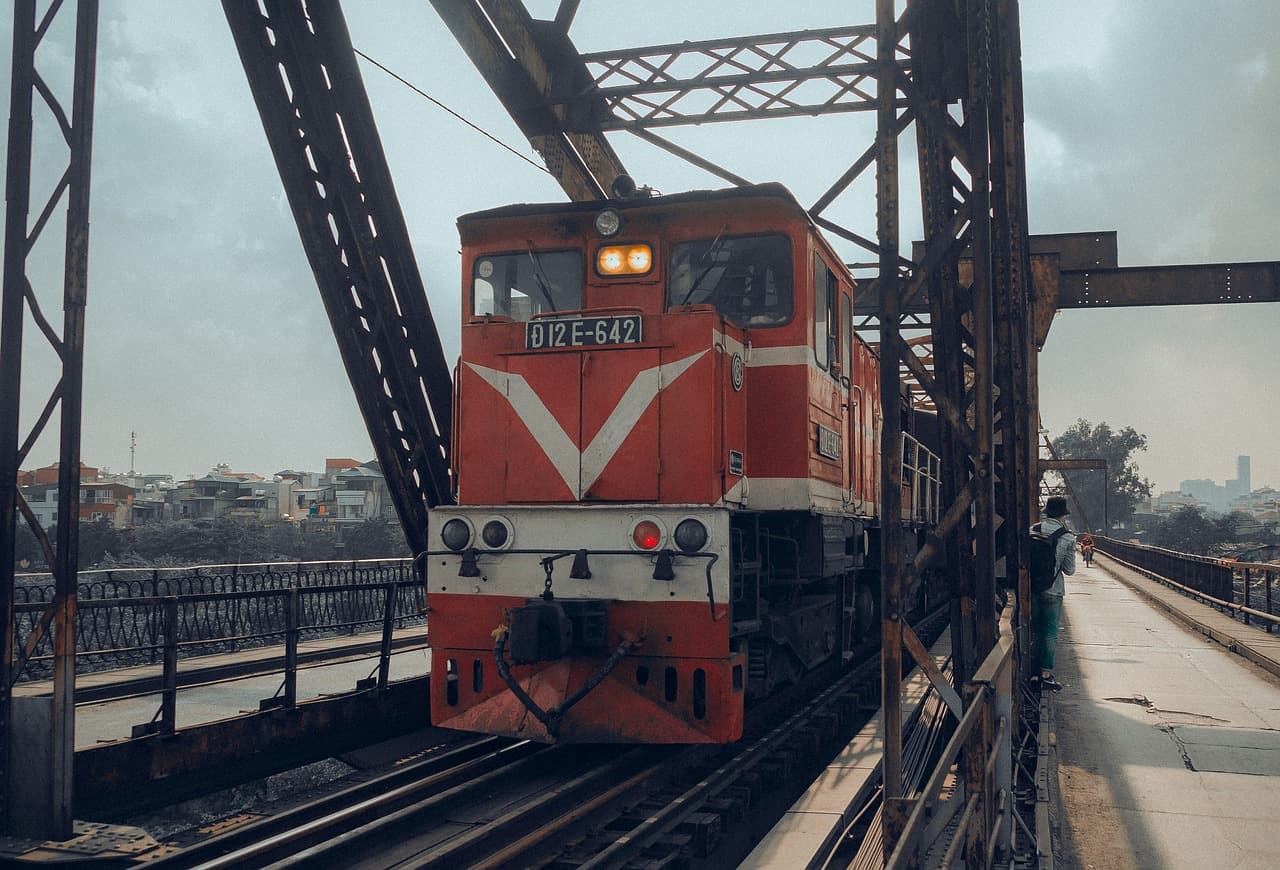
Trains squeeze through Hanoi’s Train Street—specifically the narrow alleys of Ngõ 224 Lê Duẩn and Trần Phú—just inches from doorways, laundry lines, and café tables. This surreal scene has drawn travelers for years, with the spectacle of a full-sized locomotive threading through a lived-in neighborhood now a fixture on social media feeds worldwide. The alley’s unique blend of daily life and railway drama, where residents pause their routines to let the train pass, remains a defining image of Hanoi for many visitors.
By 2026, however, the experience has changed. Local authorities have tightened access to address safety concerns after several incidents. Entry to Train Street is now strictly controlled: only visitors with a confirmed reservation at a registered café, or those accompanied by approved local guides, are allowed past police-manned checkpoints at the main alley entrances. This means spontaneous visits are no longer possible, and ignoring the rules can result in fines up to 1,000,000 VND (about $40 USD).
Despite the new restrictions, Train Street’s appeal endures. Watching a train thunder past mere centimeters from your table remains a singular Hanoi experience, but it now requires advance planning and respect for local protocols. For travelers willing to book ahead and follow the updated rules, Train Street still offers a dramatic, photogenic glimpse into the city’s everyday life—just with a stronger emphasis on safety.
Current Entry Rules and Safety Protocols
Visitors hoping to experience Hanoi’s Train Street in 2026 must secure a reservation at a registered café such as Café Ga, Train Track Café, or Railway Café Hanoi. Entry checkpoints are now enforced at the main alley entrances on Ngõ 224 Lê Duẩn and Trần Phú, and authorities require proof of booking—typically a QR code confirmation or an escort by café staff—to pass the barriers. Enforcement is strict, with fines for unauthorized entry reaching 1,000,000 VND (about $40 USD), so arriving without a valid reservation is risky and likely to result in being turned away or fined.
Most cafés accept bookings via WhatsApp or their official Facebook pages, and it’s essential to confirm that your reservation includes train viewing access and a staff escort. Upon arrival, plan to reach the café at least 30 minutes before the scheduled train time; staff will guide you through the checkpoint and explain safety protocols. During train passages, all guests are required to stay behind clearly marked safety lines. Café staff monitor compliance, and local police may patrol during peak hours.
Children must be closely supervised at all times, and pets are not permitted during train viewing periods. Photography is allowed, but drones are banned and large camera crews need special permits. Schedules can change without notice, so ask café staff for the latest train timings or check the Vietnam Railways official website before your visit. These measures are in place to minimize accidents and ensure that the experience remains safe for both visitors and residents.
Best Viewing Times and Train Schedules
Between 3:00 PM and 8:00 PM is the most dependable window for witnessing trains pass through Hanoi’s Train Street in 2026. During these hours, visitors can typically expect to see two to four trains rumble past the iconic alley, though the exact schedule varies from day to day. Recent travelers and café staff recommend targeting the late afternoon or early evening for the best chance of catching multiple trains with good daylight for photos.
Because Vietnam Railways often adjusts timetables without advance notice, it’s essential to confirm the latest train times before your visit. The most reliable sources are the official Vietnam Railways website or direct updates from your chosen café. Most registered cafés, such as Café Ga or Railway Café Hanoi, will provide real-time schedule information when you book, and staff can alert you to any last-minute changes.
Visitors are required to arrive at least 30 minutes before the expected train to allow time for check-in, safety instructions, and escort through the security checkpoint. This buffer is important, as authorities strictly control entry and fines for unauthorized access can reach 1,000,000 VND. Train delays are common, so be prepared to wait longer than scheduled—bring water, and don’t plan tight connections immediately afterward. Patience pays off, as the experience of watching a train pass just meters away is a highlight for many travelers.
Recommended Cafés and How to Book
Café Ga on Ngõ 224 Lê Duẩn, Train Track Café on Trần Phú, and Railway Café Hanoi at Ngõ 5 Trần Phú are the top choices for experiencing Train Street legally in 2026. Each of these cafés is officially registered with local authorities, which means they can escort guests through the security checkpoints set up at alley entrances. Without a booking at one of these venues, visitors risk being turned away or fined up to 1,000,000 VND (about $40 USD).
Advance reservations are essential, especially during late afternoons and weekends when demand peaks. Most cafés accept bookings via their official Facebook pages or WhatsApp numbers, which are listed on their websites and social media. Some travelers also arrange visits through Hanoi-based tour operators, who can confirm availability and coordinate entry. When booking, specify the number of guests, your preferred train viewing time (typically between 3:00 PM and 8:00 PM), and request confirmation that a staff member will meet you at the checkpoint.
Expect a minimum spend of 100,000–200,000 VND (roughly $4–$8 USD) per person, which covers your seat, a drink or snack, and access to the trackside viewing area. This minimum is strictly enforced and payable upon arrival. After booking, you’ll receive a QR code or written confirmation to present at the entry barrier. Arrive at least 30 minutes before the scheduled train to allow time for check-in and escort. Only guests accompanied by café staff are permitted past the barriers, so double-check that your reservation includes this service to avoid last-minute issues.
Getting There and Costs
Train Street sits about 1.2 kilometers south of Hanoi’s Old Quarter, making it an easy 15-minute walk along Phùng Hưng or Lê Duẩn streets for most visitors. If you prefer to avoid the midday heat or want a direct route, taxis and Grab cars are widely available. Expect to pay between 30,000 and 50,000 VND (roughly $1.20 to $2 USD) for a one-way ride from the Old Quarter, with journey times typically under 10 minutes depending on traffic.
There’s no separate entry fee for Train Street itself, but you can’t walk in freely. Since 2026, access is only allowed for guests with reservations at one of the registered cafés lining the tracks. Most cafés require a minimum spend of 100,000 to 200,000 VND per person (about $4–$8 USD), which covers your seat and a drink or snack while you wait for the trains. This minimum is usually payable on arrival, but some cafés request a deposit when you book via WhatsApp or Facebook.
Cafés on Train Street accept both cash and popular mobile payment apps like MoMo and ZaloPay. International cards are less reliable, so it’s smart to bring enough Vietnamese dong in cash. Booking ahead is essential, especially for late afternoon or evening slots when train traffic is busiest and tables fill up quickly. If you’re using a local tour operator, confirm that your package includes the café reservation and any required escort through the entry checkpoint.

Practical Tips and Warnings
Photography is permitted along Hanoi’s Train Street, but visitors should note that drones are strictly banned and large camera crews must secure special permits from local authorities. Most café staff are familiar with these rules and can advise on what’s allowed, but it’s safest to bring only handheld cameras or phones. For families, supervising children is essential: trains pass within centimeters of the café tables, and staff will direct everyone to stay behind marked safety lines well before the train arrives. Pets are not allowed during train times, and children should never cross the tracks unsupervised.
Train schedules can fluctuate—sometimes trains are delayed or rescheduled without warning. To avoid disappointment, confirm the latest train times with your café host on the day of your visit, or check the Vietnam Railways official website. Arriving at least 30 minutes before the expected train passage gives you time to settle in and ensures staff can guide you through the entry checkpoints. It’s common for visitors to miss the train by arriving late or relying on outdated schedules, so double-checking is crucial.
The future of Train Street’s public access remains uncertain, as local authorities review safety incidents and may adjust entry policies at short notice. Enforcement varies between alleys, but the official rule in 2026 is café-only access, with fines of up to 1,000,000 VND for unauthorized entry. Before planning your visit, check recent updates on Hanoi City’s official website or ask your chosen café for the latest entry requirements. Staying informed and following staff instructions will help you avoid common mistakes and enjoy a safe, legal experience.
Frequently asked questions
No. Entry is only allowed with a confirmed café booking or a registered local guide due to strict safety rules.
Children are allowed but must be closely supervised, and all visitors must stay behind safety lines during train passages.
No official entry fee, but you must meet the café’s minimum spend (100,000–200,000 VND per person). Fines apply for unauthorized entry.
Ask your café staff on arrival or check the Vietnam Railways official website for updated schedules.
Travel details change — opening hours, prices, and schedules can vary by season. Please verify current information on official websites before your visit.
Sources
- vietnam-railways.com.vn — Primary source
- nomadicnotes.com — From research brief
- thetravelmentor.com — From research brief
- hanoicity.gov.vn — From research brief
- railwaycafehanoi.com — From research brief
Loading reviews…
About the author
Lê Minh Đức
Routes & Itineraries Editor
Minh Đức plans Vietpeep's itineraries, transport guides, and practical tips with a surveyor's care for distances, timings, and connections. He believes a route is only as good as its smallest detail — the last ferry, the right train class, the turn travelers miss.
All articles by Minh ĐứcRelated posts

Hanoi to Da Nang in 2026: Vietnam trains vs flights, sleeper buses, and private cars
A like-for-like 2026 benchmark of Hanoi to Da Nang transport: flights, Vietnam trains, sleeper buses, and private cars. It compares door-to-door time, one-way VND fares, comfort, reliability, and booking channels from January to December 2026, so international visitors can choose the fastest, cheapest, or most comfortable option.

Vietnam beaches near Hanoi 2026: Sam Son, Hai Tien, Quat Lam and Thinh Long by train, bus and car
This 2026 guide covers the closest Vietnam beaches to Hanoi: Sam Son and Hai Tien in Thanh Hoa, plus Quat Lam and Thinh Long in Nam Dinh. It explains train, bus and limousine access, the April to early September swim window, VND room rates, water safety and entry rules. Use it to choose a beach and plan safely.
Hanoi to Sapa day train 2026: a Vietnam travel guide to fares and daytime alternatives
This Vietnam travel guide 2026 explains why no true daytime Hanoi to Sapa train runs, lists overnight train and limousine bus fares, transfer costs, best months, booking cautions, and how international visitors can plan a daylight trip with current prices and schedules.