Ho Chi Minh City to Da Lat by Bus: 2026 Fares, Schedules, and Booking Guide
Plan the 300 km Ho Chi Minh City–Da Lat bus trip with 2026 fares (250,000–500,000 VND), sleeper and limousine options, departure points, booking steps, and climate tips. Includes exact overnight times, pickup details, and advice on lower berths and motion sickness for the winding mountain road.

Related reading
Keep exploring Vietnam
- 1
- 2
- 3
At a glance
- Best time
- November–April (less fog on mountain roads)
- How long
- 6–8 hours
- Budget
- 250,000–500,000 VND one-way
- Getting there
- Bus from Mien Dong Bus Station or District 1 hotel pickup
- Language
- Vietnamese; basic English at major bus operators
- Currency
- Vietnamese dong (VND)
The Route at a Glance
The Ho Chi Minh City–Da Lat bus route runs 300 km and normally takes 6–8 hours, with the final 100 km from Bao Loc climbing to a 1,500-meter plateau. That last stretch is a winding series of switchbacks, so the trip often feels longer than the map suggests. Buses run day and night, but the overnight timing is the most useful for visitors: departures leave between 22:00 and 23:00 and pull into Da Lat between 05:30 and 06:30, which puts you in town before breakfast with a full first day in the highlands.
Most buses depart from Mien Dong Bus Station in Binh Thanh, 8 km northeast of District 1. Phuong Trang and FUTA Buslines run standard sleeper buses from this terminal, while limousine van services such as Sapa Limousine and Bang Phan also use it or offer hotel pickups. Many operators will collect passengers from hotels around Pham Ngu Lao Street and Ben Thanh Market in District 1, covering much of the tourist core, so confirm the pickup point when booking rather than assuming you need to travel to the station.
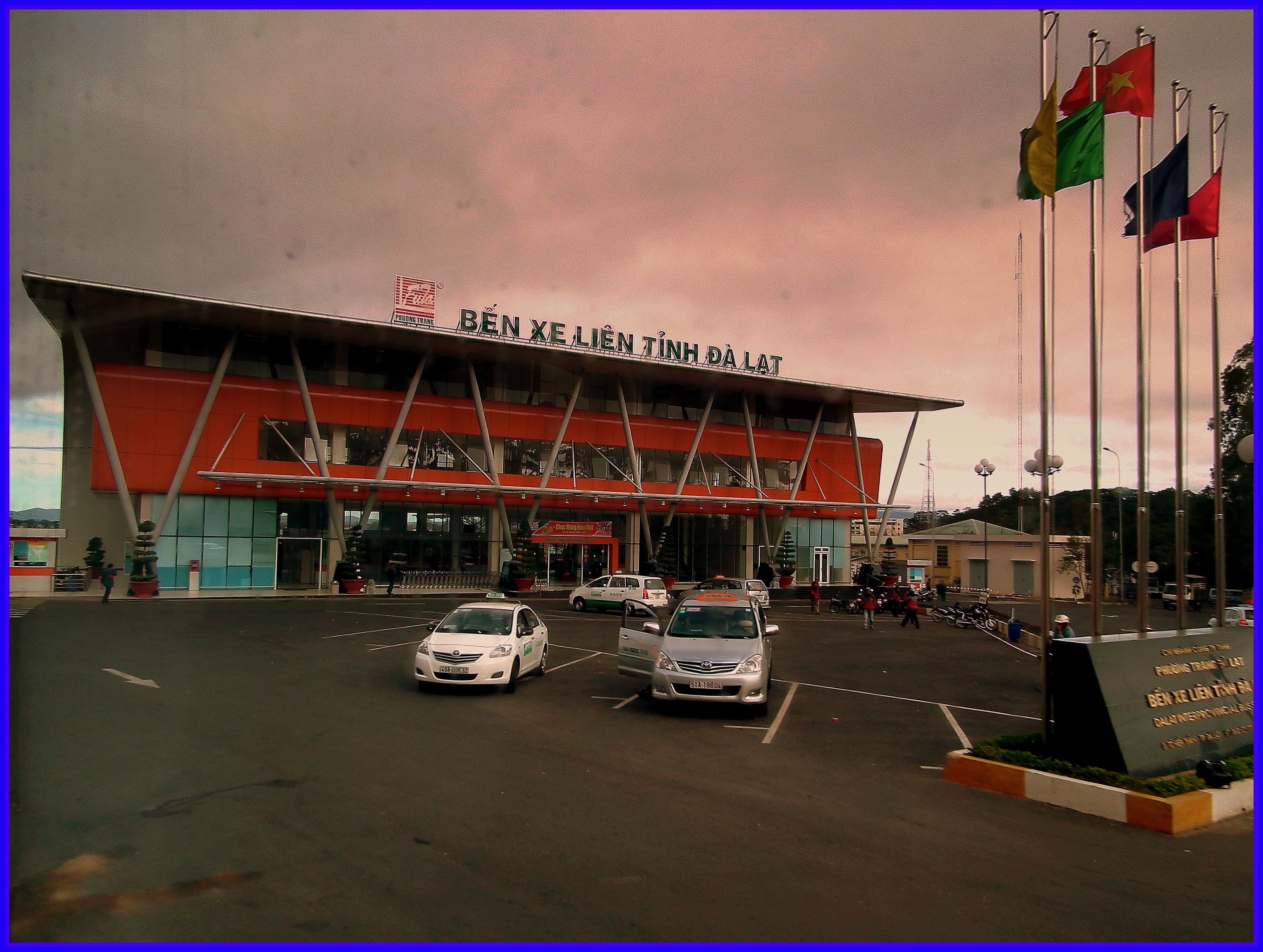
On arrival, standard sleeper buses stop at the Da Lat bus station 2 km south of Xuan Huong Lake. Limousine vans often drop guests directly at their hotels in the city center, which saves a short taxi or walk. The overnight schedule means you arrive after the mountain curves, but the last 100 km climb to 1,500 meters is still part of the ride, so motion-sensitive passengers should take medication before Bao Loc, not after the first hairpin.
The weather shift is sharp. Da Lat daytime highs run 22–26°C and nights drop to 14–16°C, compared with Saigon’s 30°C departure. Pack a light jacket in your carry-on before leaving Saigon, because you will want it when stepping off a 05:30–06:30 bus into the cool highland air. Standard buses and limousine services on this route both handle the 300 km journey, but the climate change on arrival is the detail most first-time riders underestimate.
Bus Types and 2026 Fares
Standard sleeper berths on the Ho Chi Minh City–Da Lat route cost 250,000–350,000 VND one-way in 2026, with Phuong Trang and FUTA Buslines running the most frequent departures. If you book through Vexere, you can compare those sleeper prices against limousine van services such as Sapa Limousine and Bang Phan, which charge 350,000–500,000 VND per person. The fare gap is not just about comfort: limousine vans typically carry 9–12 passengers instead of the 40+ on a standard sleeper, and they make fewer stops, so the trip often runs faster and leaves more legroom.
If you are tall or easily bothered by tight cabins, the higher limousine price usually buys wider seats and individual reclining seats in two rows. On a standard sleeper, a lower-deck berth costs nothing extra on Phuong Trang and FUTA Buslines. Request it during booking rather than letting the system auto-assign a bunk: lower berths sit closer to the road and sway less through the tightest hairpins on the Bao Loc and Prenn passes, while upper-deck bunks amplify every curve.
Before paying, check exactly what the fare includes. On Vexere, two buses from the same company can list different inclusions depending on time and vehicle, so read the ticket details or message the operator. Hotel pickup in District 1 or drop-off in central Da Lat is often bundled, but not on every departure; limousine vans are more likely to offer door-to-door service, though that is not a guarantee outside the central pickup zone. If the fare does not include a hotel transfer, you will be left at the Da Lat bus station 2 km south of Xuan Huong Lake. Rebooking a missed pickup costs more than the few minutes it takes to check, so confirm the pickup point and whether the fare covers hotel transfer before you complete the booking.

Departure Points and Schedules
Phuong Trang and FUTA Buslines run sleeper departures from Mien Dong Bus Station in Binh Thanh on a rolling schedule from early morning until late evening, and the terminal sits 8 km northeast of District 1. Ticket counters for both operators are inside the station, so if you are already in the area, buying a seat on the spot is straightforward for the 300 km route. The station is served by local buses and taxis from the tourist core, but many passengers never need to go there: several operators offer hotel pickup in District 1, particularly if you are staying in the Pham Ngu Lao or Ben Thanh Market zone.
Limousine companies such as Sapa Limousine and Bang Phan handle most of those District 1 pickups, covering much of the backpacker and central hotel area around Pham Ngu Lao Street and Ben Thanh Market. When booking, provide your exact hotel address and wait in the lobby 15–30 minutes before the scheduled pickup time. Vans sometimes run early when traffic on Dien Bien Phu Street is light, so stay visible to the driver rather than waiting in your room. The pickup window is not a fixed departure time; call or message the operator the day before travel to confirm the exact gate and pickup time.
Overnight departures are the most popular choice: buses leaving between 22:00 and 23:00 typically reach Da Lat between 05:30 and 06:30, which gives you a full first day in the highlands. Standard sleeper buses stop at the Da Lat bus station, 2 km south of Xuan Huong Lake, while limousine vans often drop passengers directly at central hotels. Schedules shift seasonally, and extra buses appear near Tet and weekends, so do not rely on your booking confirmation alone. Confirm the departure gate and pickup time the day before travel, whether you are boarding at Mien Dong Bus Station or waiting for a hotel pickup.
Booking and Tickets
A one-way ticket on the Ho Chi Minh City–Da Lat bus costs 250,000–350,000 VND for a standard sleeper berth and 350,000–500,000 VND for a limousine van in 2026. Book through an official operator site such as futabus.vn or Phuong Trang's own site, or use a live aggregator like Vexere or Bookaway. Vexere is the most practical for comparison: it shows current departure times, seat maps, and lets you view multiple operators side by side, so you can spot a cheaper sleeper or a faster van without toggling between tabs.
For weekend and holiday departures, book at least 1–2 days ahead. For Tet, which falls on February 17, 2026, reserve as early as possible; buses on this route typically sell out two weeks in advance, and walk-up seats at Mien Dong Bus Station are rarely available. The same applies to busy holiday weekends throughout the year, so don't wait until you're in Saigon to buy a ticket.
After booking, call or message the operator the day before travel to confirm the departure time and pickup point. Schedules shift seasonally, and hotel pickup points can change; a message to the operator takes less time than fixing a missed pickup at the station. If you booked a hotel pickup, give your exact hotel address and be ready in the lobby 15–30 minutes before the scheduled time.
One common mistake is trusting older travel blogs that list 2024 or earlier fares. Those prices no longer match what 2026 operators charge. Check the current fare and departure on Vexere, Bookaway, or the operator's official site before paying. Most platforms hold your booking with a small deposit or full prepayment, and you'll typically receive an e-ticket with the bus number and pickup point. If anything changes, the operator will usually message or call you, but you should still confirm the day before.
Onboard Experience and Practical Tips
The full 300 km Ho Chi Minh City–Da Lat run normally takes 6–8 hours, but the stretch that shapes most passengers' experience is the final 100 km from Bao Loc to the 1,500-meter plateau. That is a long series of switchbacks, and on Phuong Trang and FUTA Buslines the lower-deck sleeper berths sway noticeably less than upper bunks through the hairpins. Request a lower berth at booking; it costs nothing extra, but the system may auto-assign an upper bunk if you don't specify.
Buy dimenhydrinate—sold as Nautamine at most District 1 pharmacies—before you leave Saigon, and take it before the mountain section begins, not after you feel the first turn. Fog is frequent from May through October, and low visibility can make the twisting road feel worse even if you don't normally get sick. Keep the medication and a bottle of water in the pocket next to your berth, not in your checked bag, because stops near Bao Loc are unpredictable.
Da Lat's night lows drop to 14–16°C, a sharp change from Saigon's 30°C departure; daytime highs of 22–26°C can feel cool after the lowlands. Pack a light jacket in your carry-on, especially if you're on an overnight bus that arrives between 05:30 and 06:30. The bus air-conditioning itself can also run cold through the highlands, so you'll want the extra layer before you step off.
Tall passengers on limousine vans may find the individual seats tighter on long climbs, but those seats are often more stable than a flat sleeper bunk. Vans typically carry 9–12 passengers, which adds comfort but reduces recline space for taller travelers on steep grades. If you're on a standard bus and height or nausea is a concern, a lower-deck berth on Phuong Trang or FUTA Buslines is the better choice.
Frequently asked questions
Book 1–2 days ahead for regular days. For Tet on February 17, 2026, book at least two weeks early because buses sell out and walk-up seats are rare.
On standard sleeper buses, request a lower-deck berth on Phuong Trang or FUTA Buslines; it sways less through the switchbacks and costs no extra.
Standard sleeper buses stop at Da Lat bus station, 2 km south of Xuan Huong Lake. Limousine vans often drop directly at central hotels.
Yes, many operators offer pickup around Pham Ngu Lao and Ben Thanh Market. Confirm the exact time and gate with the operator the day before travel.
Travel details change — opening hours, prices, and schedules can vary by season. Please verify current information on official websites before your visit.
Watch: related videos
Ho Chi Minh City to Da Lat by Bus: 2026 Fares, Schedules, and Booking Guide — Video by Kushie In Vietnam on Pexels · silent stock clip
Ho Chi Minh City to Da Lat by Bus: 2026 Fares, Schedules, and Booking Guide — Video by Media Dung on Pexels · silent stock clip
Sources
- vietnamcoracle.com — Primary source
- vexere.com — From research brief
- futabus.vn — From research brief
- thetravelketchup.com — From research brief
Loading reviews…
About the author
Lê Minh Đức
Routes & Itineraries Editor
Minh Đức plans Vietpeep's itineraries, transport guides, and practical tips with a surveyor's care for distances, timings, and connections. He believes a route is only as good as its smallest detail — the last ferry, the right train class, the turn travelers miss.
All articles by Minh ĐứcRelated posts

Ho Chi Minh City to Vung Tau Bus and Hydrofoil: 2026 Fares, Schedules, and Route Guide
Plan the Ho Chi Minh City to Vung Tau bus or Greenlines hydrofoil journey over 95 km. Buses take 2-2.5 hours and cost 120,000-200,000 VND; the hydrofoil takes 75-80 minutes and costs 250,000-350,000 VND. Covers booking sites, departure points, arrival stations, luggage rules, and weekend pitfalls.

Ho Chi Minh City to Vung Tau by Hydrofoil: 2026 fares, schedules, and booking tips
This guide covers the Greenlines DP hydrofoil from Ho Chi Minh City to Vung Tau in 2026: fares from VND 250,000, a 75-120 minute crossing, daily departures, booking in English, and bus or limousine alternatives. It includes what to carry, when to arrive, and how to handle rough-weather cancellations.

Ho Chi Minh City to Vung Tau by Hydrofoil in 2026: Fares, Schedules and Booking Tips
This guide covers the fast hydrofoil link between Ho Chi Minh City and Vung Tau in 2026: which piers to use, operators, fares, schedules, boarding steps and hotel transfers in Vung Tau. It also explains weather cancellations, Tet timetable changes and what to carry for the boat manifest.