Phong Nam Ancient Village: Cultural Etiquette and Practical Guide for Cao Bang (2026)
A practical 2026 guide to visiting Phong Nam Ancient Village in Cao Bang, covering transport, entry costs, cultural etiquette, the 400-year-old blacksmith tradition, festival timing, and where to stay. Includes up-to-date pass fees, road details, and respectful behavior tips for Nung and Tay communities.
Related reading
Keep exploring Vietnam
- 1
- 2
- 3
At a glance
- Best time
- February–March for the Return to the Village festival; October–December for dry weather and easier roads
- How long
- Half-day to full day, often combined with Ban Gioc Waterfall
- Budget
- No village entry fee; geopark pass VND 50,000–100,000; guide VND 100,000–200,000 per group; parking VND 10,000–20,000
- Getting there
- 80 km from Cao Bang City via National Road 3 and Provincial Road 203 (2–2.5 hours), then 8 km from Quang Hoa town by taxi or xe om
- Language
- Vietnamese; local Nung and Tay languages; limited English
- Currency
- VND only; no ATMs in the village
Getting to Phong Nam from Cao Bang City
Phong Nam Ancient Village sits about 80 km from Cao Bang City; the drive follows National Road 3 then Provincial Road 203 and takes 2–2.5 hours by motorbike or private car without long stops. The road is mostly paved but winding, especially on the approach to Quang Hoa District, and a motorbike or private car is recommended over large buses. Road and bridge upgrades tied to the 2025 National Tourism Year continued into early 2026, so check current conditions with your accommodation or the Cao Bang tourism information office before departing.
Public buses run from Cao Bang city to Quang Hoa town during the day. From Quang Hoa, the remaining 8 km to Phong Nam is best covered by taxi or xe om (motorbike taxi); agree on a fare before starting, as meters are rare on this stretch. Parking inside the village is limited, and the designated lot charges VND 10,000–20,000. Because Phong Nam is only about 10 km from Ban Gioc Waterfall, pair the two in a single trip: visit Ban Gioc first, then loop back to Phong Nam on the way to Cao Bang, or reverse the order to avoid afternoon crowds at the waterfall.
Entry Fees, Geopark Passes and Local Guides
Visiting Phong Nam Ancient Village itself is free as of early 2026. There is no ticket booth at the entrance, and you can walk the main lane, watch blacksmiths at work from behind marked safety lines, and enter the communal yards without paying an entry fee. The only unavoidable cost is parking, which runs VND 10,000–20,000 for a motorbike or car in the village lot.
If you arrive as part of a Non Nuoc Cao Bang Geopark itinerary, you may need a geopark visitor pass costing VND 50,000–100,000. This pass covers designated sites across the geopark, but Phong Nam is not always included in combined tickets, so check with the Cao Bang tourism office or your driver before buying one. Hiring a local guide is optional but useful for understanding blacksmithing rituals and Nung/Tay customs; guides charge VND 100,000–200,000 per group, not per person.
Bring enough Vietnamese cash for the day. The village has no ATMs, and nearby Quang Hoa town is the closest reliable cash point. Keep small notes for parking, guide fees, and any donation boxes at family workshops.

Cultural Etiquette and Dress Code
Long trousers or skirts and covered shoulders are the practical dress code for Phong Nam, a 400-year-old Nung and Tay village in Cao Bang’s Non Nuoc Geopark. Modest clothing shows respect when entering homes and workshops, and it also protects your arms and legs from forge heat and dust. Always ask permission before photographing residents; this is especially important during prayers, family meals, or blacksmithing work. Many households are happy to be photographed if you ask first, but a camera raised without consent is considered rude.
Remove your shoes before entering any stilt house. Leave them at the foot of the steps and do not walk past the main threshold. Inside, keep your feet on the floor and avoid pointing the soles of your feet toward the ancestral altar, which usually sits on the back wall. Do not touch household objects—including tools, woven baskets, and altar items—without permission, even if they are within reach.
In blacksmith workshops, stay behind the marked safety lines. Sparks, hot scale, and metal fragments can fly several metres, and the forges are often lit throughout the day. Listen to the smith’s instructions before leaning in to watch hammer work.
Blacksmith Workshops and 400-Year Craft Heritage
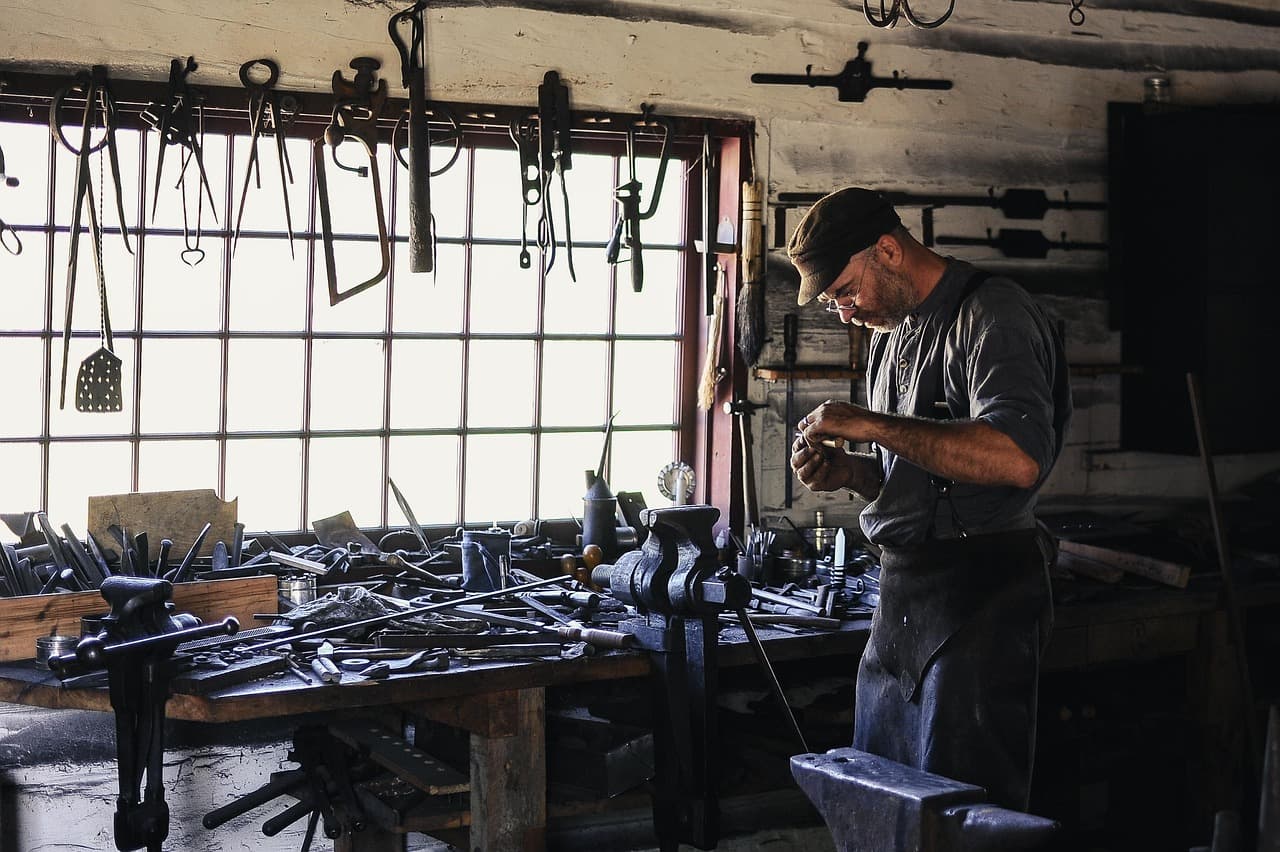
Blacksmithing has been practised in Phong Nam without interruption since the village was founded in the late 16th century. The Nung and Tay smiths here still produce the knives, machetes, axes, and farming tools used across Cao Bang Province, shaping steel over charcoal forges and hammering it on anvils set into the floors of open-sided workshops.
Most visitors spend half an hour moving between the forges along the main lane, where you can watch the full sequence: heating, hammering, folding, and quenching. Several workshops allow supervised participation—ask the smith before touching any tool, and stay behind the marked safety line, as sparks fly when red-hot metal is struck. Early-2026 upgrades to walking paths and signage have connected the workshop cluster near the village entrance with smaller family forges deeper in the settlement.
Phong Nam falls within the Non Nuoc Cao Bang UNESCO Global Geopark, but there is no separate entry fee for the village. If you want the craft explained properly, a local guide costs VND 100,000–200,000 per group; many guides come from blacksmith households and can translate the technical terms.
Best Time to Visit and the Return to the Village Festival
The Return to the Village festival is held on the 10th day of the first lunar month — February 26 in 2026, when the lunar new year begins on February 17. Expect traditional Nung and Tay music, live blacksmithing demonstrations in the family workshops, and communal feasts of local dishes. The festival is Phong Nam's biggest cultural event of the year, but it arrives with cool, misty weather; bring a light jacket and prepare for low clouds over the karst hills.
For the easiest driving, target October through December. Those months are Cao Bang's dry season, with stable conditions on the 80-km route from Cao Bang city via National Road 3 and Provincial Road 203. The winding, paved road takes 2 to 2.5 hours by motorbike or private car, but heavy rain from May to September can make steep sections slick. Avoid visiting during downpours, as mountain roads become genuinely dangerous.
If you come for the February festival, book lodging in Cao Bang city or near Ban Gioc Waterfall (10 km away) well ahead, because Phong Nam has almost no homestay beds. Carry cash for food, parking (VND 10,000–20,000), and a local guide (VND 100,000–200,000 per group) — the village has no ATMs. Check road conditions before you leave, since upgrades continued through early 2026.
Where to Stay and Eat
As of 2026, Phong Nam has no ATM and only a handful of homestay beds inside the village, so most visitors sleep in Cao Bang city—about 80 km and 2–2.5 hours by road—or near Ban Gioc Waterfall, just 10 km away. Cao Bang city offers the widest choice of hotels and guesthouses, from budget rooms around VND 300,000 to mid-range stays near the bus station; booking ahead is wise during the 'Return to the Village' festival in February or March. From there, treat Phong Nam as a day trip and drive in with a motorbike or private car.
Meals inside the village are not guaranteed at fixed restaurants. Some local Nung and Tay families prepare lunch or dinner by prior arrangement, usually through a guide or homestay host; expect simple home cooking such as sticky rice, wild vegetables, and grilled pork for roughly VND 100,000–150,000 per person. There are no ATMs in Phong Nam, so bring enough cash for food, guides (VND 100,000–200,000 per group), and the VND 10,000–20,000 parking fee. If you are already staying near Ban Gioc, Phong Nam is an easy 10 km detour—about 20–25 minutes by motorbike—and works well as a half-day stop before returning to your waterfall-area lodging.

Practical Tips for a Smooth Visit
Phong Nam has no ATMs; the closest cash machines are in Quang Hoa town, about 8 km away. Carry VND in small denominations—20,000, 50,000, and 100,000 notes—for parking (10,000–20,000 VND), local guides (100,000–200,000 VND per group), and purchases from blacksmiths or food stalls. Few vendors accept cards or digital payments.
Before driving from Cao Bang City, confirm road conditions with your accommodation or the Cao Bang Tourism Information Center. The route via National Road 3 and Provincial Road 203 is mostly paved but winding, and bridge work tied to the 2025 National Tourism Year upgrades may still cause short delays in early 2026. Also ask whether a Non Nuoc Cao Bang Geopark visitor pass (50,000–100,000 VND) is required for Phong Nam on your date; policies have shifted as the geopark formalizes site access.
Learning a few Vietnamese phrases goes a long way in rural areas where English is scarce. Use “xin chào” (hello), “cảm ơn” (thank you), and “bao nhiêu tiền?” (how much?). Wear closed-toe shoes, not sandals, for uneven stone paths and blacksmith workshops, where metal shavings and occasional sparks reach the marked safety lines. Stay behind those barriers and follow the blacksmith’s hand signals—most forges are active workplaces, not staged exhibits.
Frequently asked questions
No official village entry fee exists as of 2026. A Non Nuoc Cao Bang Geopark visitor pass (VND 50,000–100,000) may be required for certain sites, and local guide and parking costs are separate.
Only after asking permission, especially during prayers or family activities. Dress modestly, remove shoes before entering stilt houses, and avoid pointing your feet at ancestral altars.
Drive or ride via National Road 3 and Provincial Road 203, about 80 km and 2–2.5 hours. Buses run to Quang Hoa town, then you need a taxi or xe om for the remaining 8 km.
Availability is limited. Most visitors stay in Cao Bang city or near Ban Gioc Waterfall and visit Phong Nam as a day trip. Bring cash, as there are no ATMs in the village.
Travel details change — opening hours, prices, and schedules can vary by season. Please verify current information on official websites before your visit.
Sources
- vietnam.travel — Primary source
- travelfish.org — From research brief
- en.unesco.org — From research brief
- vietnamcoracle.com — From research brief
- overseasvietnamese.vn — From research brief
Loading reviews…
About the author
Trần Thị Diệu Hằng
Culture & Coast Editor
Diệu Hằng edits Vietpeep's culture, heritage, and coastal coverage with a preference for clear, unhurried prose. She looks for the details that give a place its pace — temple bells, fish-drying racks, the quiet of an island morning — and cuts adjectives until they surface.
All articles by Thị Diệu HằngRelated posts

Red River Delta Village Festivals: Practical Guide for International Visitors 2026
This article gives international travelers practical, up-to-date guidance for experiencing village festivals in Vietnam’s Red River Delta in 2026. It covers festival schedules, etiquette, dress codes, entry fees, transport, and historical context, ensuring visitors can respectfully and enjoyably participate in these living cultural traditions.

Ban Gioc Waterfall and Cao Bang Province: 2026 Visitor Guide
Ban Gioc Waterfall, Vietnam’s largest, sits on the border with China in Cao Bang Province. This 2026 guide covers how to get there, current entry rules, the best months to visit, and practical tips for exploring the region’s karst landscapes, ethnic villages, and rural attractions.

Sapa 2026: Trekking, Cable Car, and Hill Tribe Villages – Practical Guide for International Visitors
This 2026 Sapa guide covers the best months to visit, transport from Hanoi by train or bus, village entry fees, Fansipan cable car costs and hours, trekking and homestay prices, and practical cautions for altitude and weather. Use it to plan a 3-day trip without overspending or getting stuck in fog.