Phong Nha-Ke Bang Wildlife Guide 2026: Rare Primates, Cave Bats, and Responsible Watching
This guide covers wildlife in Phong Nha-Ke Bang National Park in 2026: which primates and cave species live there, the best months and morning hours to look, permit and tour rules, responsible watching distances, and what to do when rare mammals do not appear. It gives international visitors realistic plans and fees.

Related reading
Keep exploring Vietnam
- 1
- 2
- 3
At a glance
- Best time
- February to August
- How long
- Half-day for the Botanic Garden; multi-day for cave treks and night spotlighting
- Budget
- Park entry about 150,000 VND; Botanic Garden about 50,000 VND; tours extra
- Getting there
- Fly or train to Dong Hoi (VDH), then a 45-minute taxi to Phong Nha
- Language
- Vietnamese; English-speaking guides available on licensed tours
- Currency
- Vietnamese dong (VND)
What lives in Phong Nha-Ke Bang National Park
## What lives in Phong Nha-Ke Bang National Park
Phong Nha-Ke Bang National Park protects a karst forest in central Vietnam with at least three primate species, rare ground mammals, and cave fauna. The rarest primate is the critically endangered Ha Tinh langur, with about 200 left. Look in limestone forest, usually between 6 and 9 AM. Sightings are low-odds, so bring binoculars and keep a minimum wildlife distance of 10 m. The dry season, February to August, gives the best odds. Avoid September to November rains.
Red-shanked douc and northern white-cheeked gibbon also live in the park. Doucs feed in the canopy of karst forest, and your best window is again 6 to 9 AM. Gibbons call at dawn; you are far more likely to hear them than see them. Dawn calls are a reliable sign that the forest is intact.
On the ground, giant muntjac and Annamite striped rabbit live in the park. Both are rare and nocturnal, so most visitors never see them. The saola has not been photographed since 2013 and is likely extinct in practice. Do not plan a trip around a saola sighting. Treat tracks, calls, and camera-trap reports as the realistic evidence. For a structured search without a cave tour, the Botanic Garden has a 1.5 km loop and a 4 km trail for about 50,000 VND.
Cave ecosystems hold bats, swiftlets, cave crickets, and invertebrates. Birds include hornbills, barbets, and kingfishers. Bats and swiftlets are the most reliable wildlife sightings, especially at cave entrances at dusk or on guided cave visits. To protect bats from white-nose syndrome, follow your guide and decontaminate gear. Park entry for foreigners is about 150,000 VND; confirm the 2026 fee. Permits and night walks change; confirm 2026 rules with the park or operators.
| Species | Where to look | Best time | Chance |
|---|---|---|---|
| Ha Tinh langur | Limestone forest | 6-9 AM | Low |
| Red-shanked douc | Canopy in karst forest | 6-9 AM | Low |
| Northern white-cheeked gibbon | Dense forest; listen for calls | 6-9 AM | Low, often heard |
| Bats and swiftlets | Cave entrances and caves | Dusk or guided cave visits | Reliable in caves |
| Saola | Not confirmed in the park | Not applicable | No realistic chance |
When to visit Phong Nha for wildlife
Sightings in Phong Nha-Ke Bang come down to two decisions: which months you visit and what time you reach the trail. Plan for February to August, the dry stretch, and be walking before sunrise. The 6-9 AM window is when primates and birds are most active, and it is the coolest part of a central Vietnam day.
Dry-season trails are firmer and less likely to close, and wildlife moves more freely without heavy rain. The wettest months (roughly September to November) bring the opposite: trails can shut and animals stay under cover. Afternoon heat suppresses activity again, so use midday for travel or a cave tour, then return to forest edges at dusk. Oxalis Adventure holds exclusive rights to Son Doong, Hang En and Tu Lan, while Jungle Boss runs alternative treks. Reach Dong Hoi first, by flight (VDH) or train, then about 45 minutes by taxi to Phong Nha.
Night walks, if the park permits them in 2026, are the main route to nocturnal mammals, including giant muntjac and the Annamite striped rabbit. Confirm access with the park or an operator before planning around it, because permits and fees change. For independent watching, the Botanic Garden costs about 50,000 VND and has a 1.5 km loop plus a 4 km trail, no cave tour required. Dawn there is the simplest way to hear gibbon calls and watch bats at cave entrances.
Keep expectations level. Large mammals are rare and mostly nocturnal, and sightings are not guaranteed. The Ha Tinh langur numbers about 200 individuals, and the saola has not been photographed since 2013. Stay at least 10 m from any wildlife, skip flash and playback, and decontaminate gear to protect bats. Check 2026 trail closures and the entry fee (about 150,000 VND for foreigners, confirm the 2026 rate) before booking transport or guides.
| Window | Conditions | Best for |
|---|---|---|
| February to August | Dry season, firmer trails, more active wildlife | Overall best window |
| September to November | Wettest months, trails can close | Avoid |
| 6-9 AM daily | Coolest hours, highest activity | Primates and birds |
| Midday | Heat reduces wildlife activity | Cave tours and travel |
| Dusk | Forest edges become active | Bats at cave entrances, night walks if permitted |

Cave wildlife and bat safety in Phong Nha
## Cave wildlife and bat safety in Phong Nha
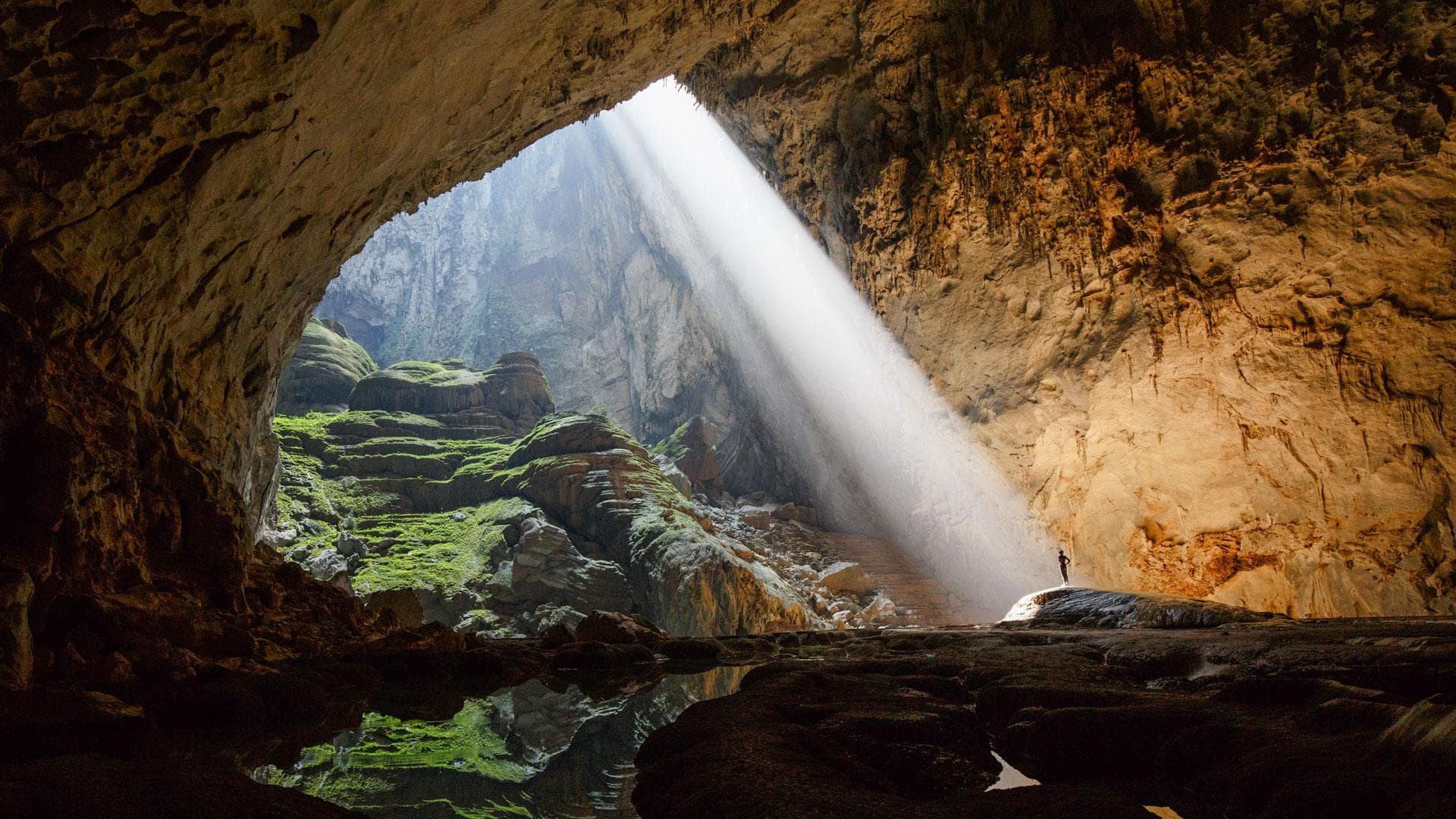
Several bat species roost in the limestone of Phong Nha-Ke Bang National Park, and guided cave tours pass close to active roosts. The same cave systems hold swiftlets, cave crickets, and invertebrates that live nowhere else in the park. Bats also use karst crevices outside the show caves, which is why the rules cover more ground than the caves on your ticket.
White-nose syndrome drives the hygiene rules on every cave visit. The fungus travels on boots, clothing, and bags, so decontaminate your gear before and after each cave. Ask your operator which cleaning product to use, and do not carry the same equipment into a second cave system without cleaning it first. Inside, do not touch bats or disturb roosts, and leave the flash off. Keep your hands off the walls too, since cave invertebrates live on surfaces that look bare.
For bat watching, a cave entrance at dusk beats a tour. Sit back from the opening and keep at least 10 m from any animal, the same minimum distance the park asks for primates and other wildlife. A headlamp aimed at the roost defeats the purpose; use binoculars and let your eyes adjust to the low light. Night spotlighting tours are the other option, though whether they run in 2026 depends on the park's conservation schedule, so confirm before you build a trip around one.
Access rules shape what you can see. Oxalis Adventure holds exclusive rights to Son Doong, Hang En, and Tu Lan, while Jungle Boss offers alternative treks. Most caves and trails require a guided tour, and park entry for foreigners is about 150,000 VND; confirm the 2026 fee and any trail closures with the park before booking. For cave fauna without a tour, the Botanic Garden has a 1.5 km loop and a 4 km trail for about 50,000 VND.
Clean boots before you leave your guesthouse
Knock dried mud, soil, and plant matter off boots, trekking poles, and daypacks. This debris is what carries white-nose syndrome between caves.
Disinfect before entering the cave
Use the disinfectant and contact time your operator specifies, and cover boot soles, gaiters, and any fabric that touches the cave floor.
Repeat after you exit
Clean and disinfect again before travelling to another cave or region, and keep separate footwear for the next site if you have it.
Responsible watching rules for Phong Nha wildlife
Keep 10 m between you and any animal in Phong Nha-Ke Bang National Park, and carry binoculars so you never need to close that gap. The distance applies to the Ha Tinh langur, the red-shanked douc, the northern white-cheeked gibbon, and the hornbills and barbets that usually call before you see them. When a guide signals you to back off, that signal beats your own judgment.
No flash, no feeding, no playback. Flash at dawn or dusk disorients nocturnal animals and pushes cave bats deeper into passages. Handouts teach wildlife to approach people, and that habit endangers the next visitor. Playing recorded gibbon or langur calls pulls animals away from feeding and territory, and it can split family groups. Phone cameras fire the flash automatically in low light, so change that setting at the trailhead rather than when an animal appears.
Caves bring a separate set of obligations. To protect bats from white-nose syndrome, decontaminate boots, clothing, and gear between caves and between sites. Stay on the route your guide marks; some trails close for conservation, and a closed path is not an invitation. Park entry for foreigners is about 150,000 VND, and most caves and trails require a guided tour. Confirm the 2026 fee with the park before you travel. Night spotlighting runs only where permits allow, so check with the park or your operator before you book.
If you find a langur or a gibbon, stop, stay quiet, stay still. About 200 Ha Tinh langurs remain, and a group chased or surrounded loses foraging time it cannot spare. Do not follow an animal when it moves, and do not spread out to cut off its path. Peak viewing is 6 to 9 AM. If the forest stays silent, the Botanic Garden has a 1.5 km loop and a 4 km trail for about 50,000 VND, and no cave tour is needed.
1.Keep 10 m back
Use binoculars instead of stepping closer, and follow a guide's signal to retreat.
2.No flash, no food, no playback
Recorded calls pull primates from feeding and can split family groups; handouts teach animals to approach people.
3.Stay on marked routes
Follow guide instructions on trails and inside caves; some trails close for conservation.
4.Decontaminate your gear
Clean boots, clothing, and equipment between caves and sites to protect bats from white-nose syndrome.
5.Stay quiet and still around primates
If you see a langur or gibbon, stop, keep silent, and never chase or surround the group.

Tours, permits, and independent Phong Nha options
Park entry for foreign visitors is about 150,000 VND, and that ticket alone will not get you into most caves or trails: Phong Nha-Ke Bang National Park requires licensed guides on nearly all of them. Confirm the 2026 fee with the park before you travel, because posted rates change and routes close for conservation work. Bring cash in VND; card readers at the gate are unreliable.
Two operators handle most of the bookable trips. Oxalis Adventure holds exclusive rights to Son Doong, Hang En, and Tu Lan, so no other company can sell those caves. Son Doong slots fill months in advance; Hang En and Tu Lan are easier but still sell out across the February to August dry season. Jungle Boss runs alternative treks into quieter parts of the park and is the usual fallback when Oxalis is full. Book directly with the operator rather than through a hotel desk, and check what the price includes, since transfers, food, and porters vary by trip.
The Botanic Garden is the one place you can walk without a cave tour. A ticket costs about 50,000 VND and covers a 1.5 km loop and a 4 km trail. Go at dawn, around 6-9 AM, when gibbon calls carry and birds are active. Expect tracks, butterflies, and calls rather than guaranteed sightings of the park's rarer mammals.
Night walks and spotlighting tours need permits if they are running in 2026. Ask Phong Nha-Ke Bang National Park or a licensed operator whether they are allowed this season and what they cost. To get there, fly or take the train to Dong Hoi (VDH), then a taxi of about 45 minutes.
| Option | Cost | How to book |
|---|---|---|
| Park entry (foreign visitors) | About 150,000 VND | At the gate; confirm the 2026 fee with the park |
| Botanic Garden | About 50,000 VND | At the entrance; no cave tour needed |
| Son Doong, Hang En, Tu Lan | Set by the operator | Oxalis Adventure only, as sole rights holder |
| Other treks | Varies by operator | Jungle Boss or another licensed operator |
| Night walks and spotlighting | Confirm the 2026 permit and fee | Phong Nha-Ke Bang National Park or a licensed operator |
Confirm 2026 fees and permits
Check park entry (about 150,000 VND) and night walk permits with Phong Nha-Ke Bang National Park or licensed operators.
Book cave tours early
Oxalis Adventure holds exclusive rights to Son Doong, Hang En, and Tu Lan. Jungle Boss offers alternative treks.
Plan independent mornings
Use the Botanic Garden (1.5 km loop or 4 km trail; about 50,000 VND) for dawn birding and primate calls.
Arrange transport
Fly or train to Dong Hoi (VDH), then take a 45-minute taxi to Phong Nha.
Realistic expectations and what to do when sightings fail
Large mammals in Phong Nha-Ke Bang National Park are rare and mostly nocturnal, so sightings are not guaranteed. The saola has not been photographed since 2013 and is likely extinct in practice. The Ha Tinh langur numbers about 200 individuals. Plan for tracks, calls, camera-trap evidence, cave fauna, and butterflies rather than a guaranteed view of a rare primate or ground mammal.
If you do not see rare species, visit the Botanic Garden at dawn. The ticket costs about 50,000 VND and covers a 1.5 km loop and a 4 km trail. Listen for gibbon calls, watch bats at cave entrances, or join a night spotlighting tour if the park permits one in 2026. Peak wildlife viewing is 6 to 9 AM, and the dry season runs February to August.
Confirm 2026 fees, night walk permits, and trail closures with the park or a licensed operator before booking transport or guides. Park entry for foreigners is about 150,000 VND, and most caves and trails require a guided tour. Some trails may close for conservation. International visitors need a visa; check 2026 e-visa rules.
To reach Phong Nha, fly to Dong Hoi (VDH) or take the train to Dong Hoi, then a taxi of about 45 minutes. Oxalis Adventure holds exclusive rights to Son Doong, Hang En, and Tu Lan, while Jungle Boss runs alternative treks. The Botanic Garden is the independent option for wildlife watching without a cave tour.
1.Botanic Garden at dawn
About 50,000 VND for the 1.5 km loop and 4 km trail; no cave tour required, and gibbons call in the early morning.
2.Listen for gibbon calls
The 6 to 9 AM window is the best chance to hear northern white-cheeked gibbons and other birds.
3.Watch bats at cave entrances
Bats leave at dusk; keep at least 10 m away, use no flash, and clean your gear first to avoid spreading white-nose syndrome.
4.Join a night spotlighting tour
Confirm with the park or an operator whether night walks are permitted in 2026 before booking.

Getting to Phong Nha and practical 2026 tips
## Getting to Phong Nha and practical 2026 tips
Fly into Dong Hoi airport (VDH) or take the north-south train to Dong Hoi station, then ride a 45-minute taxi to Phong Nha. Most visitors sleep in Phong Nha town, where guesthouses line the main road, or in the rice paddies at guesthouses. Book your return taxi the night before if you have a dawn flight, since drivers are scarce before 5 AM.
International visitors need a visa. Check the 2026 e-visa rules on Vietnam's official immigration portal before you book flights, and carry a printed copy plus your passport. Park staff and tour operators ask for both when you collect permits.
Fees and access rules move faster than most guides. Park entry for foreigners runs about 150,000 VND; confirm the 2026 fee, night walk permissions, and any conservation closures with the park at phongnhakebang.vn. Oxalis Adventure holds exclusive rights to Son Doong, Hang En, and Tu Lan, so book those treks at oxalis.com.vn. Jungle Boss lists alternative treks and current departures at jungleboss.vn. If you want wildlife without a cave tour, the Botanic Garden charges about 50,000 VND for a 1.5 km loop and a 4 km trail, and it is open at dawn when gibbons call.
Phong Nha weather splits cleanly: February to August is your dry window, while September to November rain can close trails. Pack binoculars, long sleeves, and a litre or two of water per person for the 6-9 AM primate window. In the wetter months, add leech socks and quick-dry trousers. Keep 10 m from any animal, skip flash and playback, and clean your boots before entering caves to protect bats from white-nose syndrome. One detail no public source settles for 2026: whether ranger-led night spotlighting runs at all. Email the park before you build a trip around it.
| Leg | Option | Time or cost | What to confirm |
|---|---|---|---|
| Dong Hoi to Phong Nha | Taxi | About 45 minutes | Book a return driver if your flight leaves before 8 AM |
| Park entry | Ticket for foreigners | About 150,000 VND | Confirm the 2026 fee at phongnhakebang.vn |
| Botanic Garden | Ticket | About 50,000 VND | No cave tour needed; 1.5 km loop and 4 km trail |
| Son Doong, Hang En, Tu Lan | Oxalis Adventure | Permit only | Availability and 2026 dates at oxalis.com.vn |
Check your visa
Confirm the 2026 e-visa rules on Vietnam's official immigration portal before booking flights. Print the approval and carry your passport; you need both to collect park permits.
Confirm fees, night walks, and closures
Ask the park at phongnhakebang.vn for the current entry fee, whether night spotlighting runs in 2026, and which trails are closed for conservation.
Lock in trek permits
Oxalis Adventure holds exclusive rights to Son Doong, Hang En, and Tu Lan. Jungle Boss runs alternative treks. Both publish current departures on their own sites.
Arrange dawn transport
Wildlife viewing peaks between 6 and 9 AM. Pre-book a driver from Phong Nha town or your farmstay, and settle your return to Dong Hoi the day before.
1.Binoculars
Primates and hornbills stay high in the canopy; 8x42 or 10x42 pairs work well.
2.Long sleeves and quick-dry trousers
Cover arms and ankles for leeches during the wetter months.
3.Leech socks
Worth packing for September to November, when rain keeps trails damp.
4.Water for a dawn start
One to two litres per person for the 6-9 AM window; nothing opens early in the village.
5.Boot cleaning kit
Clean and dry footwear before cave entrances to protect bats from white-nose syndrome.
Frequently asked questions
No realistic chance. The saola has not been photographed since 2013 and is likely extinct in practice. Focus on primates, bats, birds, and cave fauna.
The source says night walks may be permitted, but rules change. Confirm with the park or licensed operators, and expect some trails to close for conservation.
Most caves and trails require guided tours. The Botanic Garden is the main independent option, with a 1.5 km loop and 4 km trail; ticket is about 50,000 VND.
Visit the Botanic Garden at dawn, listen for gibbon calls, watch bats at cave entrances at dusk, and join a night spotlighting tour if permitted.
Travel details change — opening hours, prices, and schedules can vary by season. Please verify current information on official websites before your visit.
Watch: related videos
Phong Nha-Ke Bang Wildlife Guide 2026: Rare Primates, Cave Bats, and Responsible Watching — Video by Mahidul Islam Nakib on Pexels · silent stock clip
Phong Nha-Ke Bang Wildlife Guide 2026: Rare Primates, Cave Bats, and Responsible Watching — Video by Sergey Guk on Pexels · silent stock clip
Sources
- phongnhakebang.vn — Primary source
- oxalis.com.vn — From research brief
- jungleboss.vn — From research brief
- vietnam.travel — From research brief
- vietnamcoracle.com — From research brief
- theculturetrip.com — From research brief
Loading reviews…
About the author
Võ Hoài Nam
Nature & Adventure Editor
Hoài Nam edits Vietpeep's national parks, trekking, and adventure coverage from an environmental perspective. He keeps trail conditions, permits, wildlife rules, and low-impact travel choices front and center, so readers can plan a trip that respects the landscape.
All articles by Hoài NamRelated posts
Phong Nha Botanic Garden and Dawn Birdwatching: A 2026 Guide Without a Cave Tour
This guide covers the Botanic Garden and dawn birdwatching in Phong Nha-Ke Bang National Park without booking a cave tour: how to reach the trails from Phong Nha village, 2026 entry fees and permit rules, guided half-day and full-day birding options, gear, weather windows and trail safety. It lists what to confirm before you go.

Phong Nha-Ke Bang for Families: Exploring Caves and Nature with Kids
Phong Nha-Ke Bang National Park is not just for hardcore adventurers. Families traveling with children can enjoy accessible caves, gentle hikes, river activities, and wildlife spotting. This guide focuses on family-friendly experiences, practical tips, and what to expect when visiting with kids.

Phong Nha Beyond the Caves: Farmstay Hopping and Hidden Waterfalls — Self-Guided Free Caves 2026
Independent caving guide for Phong Nha-Ke Bang in 2026. Covers which free or self-guided caves are feasible without a tour, legal rules, required gear, motorbike access, dry-season timing, and costs. Includes practical route notes and farmstay options for Phong Nha Beyond the Caves: Farmstay Hopping and Hidden Waterfalls.