Vietnam Train Travel: A Guide for International Visitors
Vietnam’s railway system covers over 2,600 km, connecting major cities from Hanoi to Ho Chi Minh City. The Reunification Express is the main long-distance train, with varying standards of comfort. This guide covers what to expect, how to book, and practical tips for a smooth journey in 2026.

Related reading
Keep exploring Vietnam
- 1Vietnam Train Itineraries: Sample Routes for Every Traveler
Link from the 'Scenic Routes and Practical Tips' section to provide sample train itineraries.
- 2Vietnam by Train: Essential Routes, Classes, and Booking Tips for 2026
Link from the 'Choosing Your Class' section for more details on train classes and routes.
- 3How to Book and Ride Vietnam’s Reunification Express: A Step-by-Step Guide
Link from the 'Booking Tickets' section for in-depth booking instructions.
At a glance
- Best time to travel
- October to April (dry season)
- Typical journey length
- Hanoi to Ho Chi Minh City: 32–36 hours
- Budget
- Soft sleeper: 1,200,000–1,800,000 VND ($48–$72 USD)
- How to book
- Online, at stations, or via agencies
- Language
- Vietnamese; limited English at stations
- Currency
- Vietnamese Dong (VND)
Overview of Vietnam’s Rail Network
Vietnam’s railway stretches over 2,600 km, with the main line running from Hanoi in the north to Ho Chi Minh City in the south. Key stops include Hue, Da Nang, and Nha Trang. The Reunification Express operates daily along this route, with the full journey taking 32–36 hours. Trains are generally reliable, but delays are not uncommon.
Booking Tickets
Tickets can be purchased online through the official Vietnam Railways website, at train stations, or via travel agencies. Booking in advance is recommended for popular routes and during holidays. Prices vary by class and distance; for example, a soft sleeper from Hanoi to Ho Chi Minh City typically costs 1,200,000–1,800,000 VND (around $48–$72 USD) in 2026.
Classes and Comfort
Trains offer several classes: hard seat, soft seat, hard sleeper, and soft sleeper (with air conditioning). Soft sleeper cabins are the most comfortable, usually with four berths. Hard seats and sleepers are basic and can be crowded. Recent upgrades have improved some carriages, but older trains still run on certain routes, so standards vary.
Onboard Experience
Expect basic but clean facilities on most long-distance trains. Toilets are usually squat-style, though some newer trains have Western-style toilets. Food and drinks are sold on board, but options are limited—many travelers bring snacks. Power outlets are available in higher classes, but Wi-Fi is generally not provided.
Practical Tips
Bring your passport for ticket checks. Arrive at least 30 minutes before departure, as stations can be busy. Keep valuables secure and carry some cash for onboard purchases. If you are sensitive to noise or light, consider earplugs and an eye mask for overnight journeys.
Frequently asked questions
Yes, trains are generally safe. Keep your belongings secure, especially on overnight journeys.
Booking in advance is recommended for popular routes and during holidays, as trains can fill up.
Facilities are basic; some trains have air conditioning and power outlets in higher classes, but Wi-Fi is not common.
Yes, you can bring luggage, but space is limited. Keep valuables with you at all times.
Travel details change — opening hours, prices, and schedules can vary by season. Please verify current information on official websites before your visit.
Sources
- nomadicmatt.com — Primary source
- seat61.com — From research brief
- lostwithpurpose.com — From research brief
- travelfish.org — From research brief
- vietnamrailway.com — From research brief
Loading reviews…
About the author
Lê Minh Đức
Routes & Itineraries Editor
Minh Đức plans Vietpeep's itineraries, transport guides, and practical tips with a surveyor's care for distances, timings, and connections. He believes a route is only as good as its smallest detail — the last ferry, the right train class, the turn travelers miss.
All articles by Minh ĐứcRelated posts

Vietnam Night Trains in 2026: Step-by-Step Guide for First-Time International Travelers
This article gives first-time international visitors a practical, up-to-date guide to riding Vietnam’s night trains in 2026, covering ticket prices, booking methods, sleeper classes, onboard amenities, visa and SIM card tips, and essential safety advice. It’s designed to help travelers confidently plan and enjoy overnight train journeys between Vietnam’s major cities.
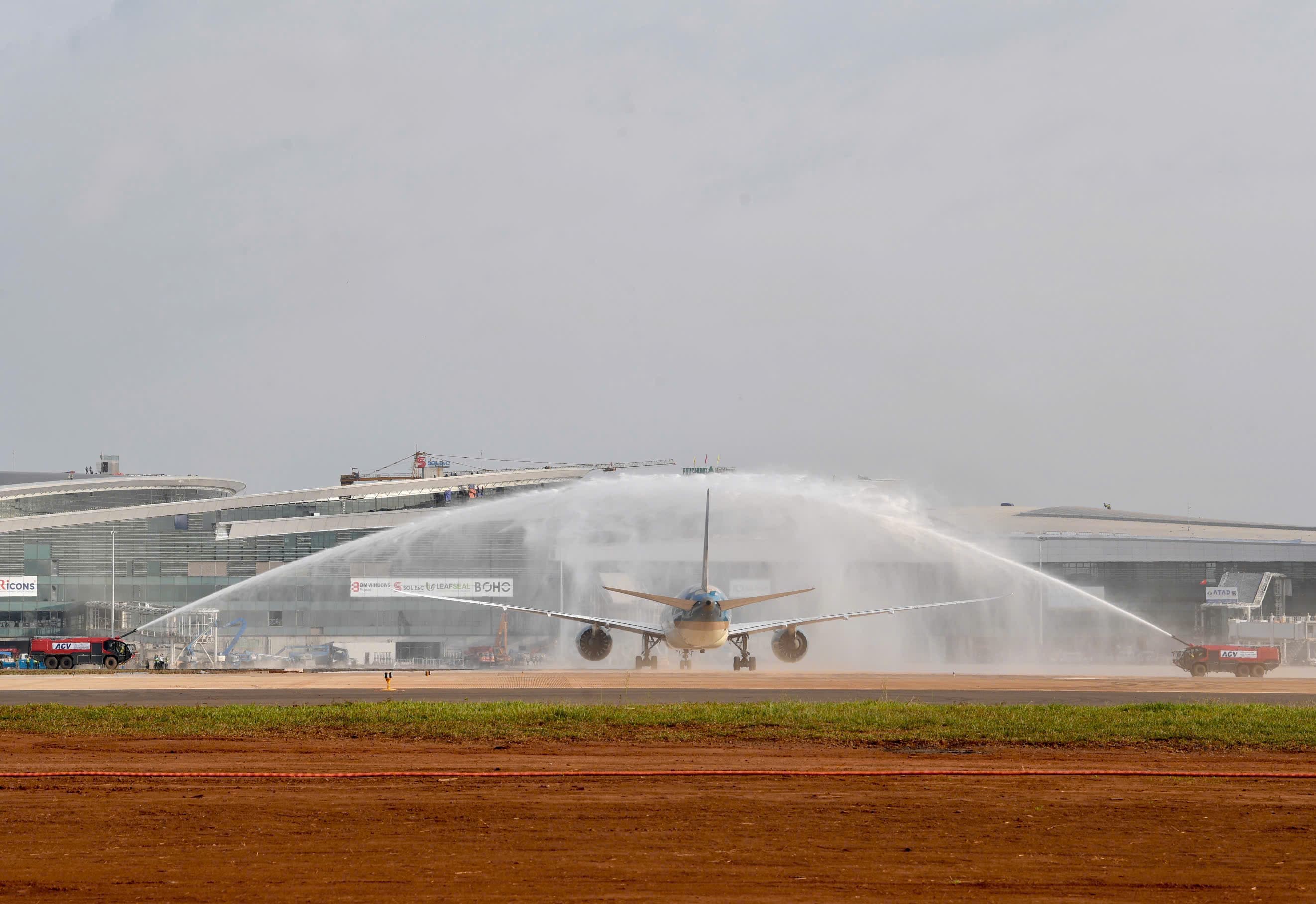
Vietnam Travel News: Tan Son Nhat T3 Terminal Guide for International Visitors (2026)
Vietnam Travel News: Tan Son Nhat's new T3 terminal is domestic-only in 2026. International visitors connecting onward need to reach T2, use the free shuttle bus, and allow at least 120 minutes. This guide covers terminal changes, ride-hailing pickup at Level B1, peak hours, food, and common transfer mistakes.

Vietnam Train Booking in 2026: Step-by-Step Guide for International Travelers
This article gives international visitors a clear, up-to-date guide to booking Vietnam train tickets in 2026, including how to use official and third-party platforms, what documents are needed, fare examples, and practical advice for securing seats on popular routes. It’s ideal for those new to Vietnam’s railways.