Pu Si Lung Trek: Guide to Vietnam’s Remote Border Summit (2026)
This article details the logistics, permit process, guide requirements, route difficulty, and practical tips for international trekkers planning the strenuous multi-day Pu Si Lung expedition in Lai Chau province. It covers weather windows, fitness expectations, gear, and what to expect from Vietnam's third-highest peak in 2026.
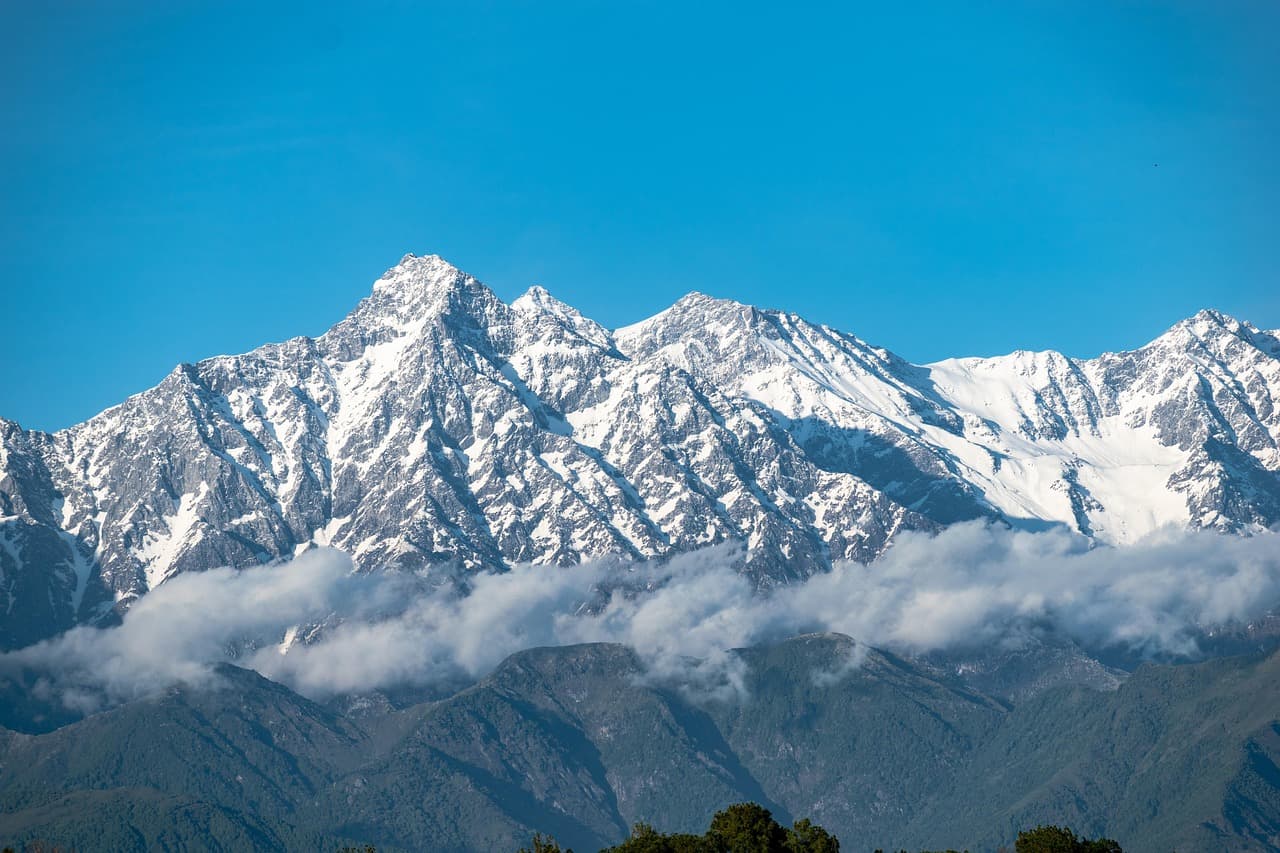
Trip plan
Day-by-day itinerary
Day 1
Arrival and Permit Processing in Lai Chau
Arrive in Lai Chau city, meet your operator, and complete border permit paperwork. Spend the night locally while permits are processed and gear is checked.
Related reading
Keep exploring Vietnam
- 1
- 2
- 3
At a glance
- Best time
- March–May, October–November
- How long
- 3–4 days trekking
- Budget
- $300–$400 USD per person (2026)
- Getting there
- Via Lai Chau city; transfer to Pa Ve Su commune
- Language
- Vietnamese; guides speak basic English
- Currency
- Vietnamese Dong (VND)
Getting to Pu Si Lung
Reaching the trailhead for Pu Si Lung begins with a flight to Dien Bien Phu Airport, the closest airport to the region. Vietnam Airlines operates daily flights from Hanoi to Dien Bien Phu, with fares typically ranging from 1,200,000 to 2,000,000 VND one-way in 2026. From Dien Bien Phu, the journey continues overland: expect a six-hour drive to Muong Te town, the administrative center of Muong Te district. There are no direct buses from Dien Bien Phu to Muong Te; most trekkers arrange private transfers or use vehicles organized by their trekking operator.
Lai Chau city, about 130 km east of Muong Te, serves as the main base for Pu Si Lung expeditions. Most licensed trekking operators are based here and can arrange all necessary logistics, including permits, guides, porters, and transport. If traveling from Hanoi, sleeper buses to Lai Chau depart from My Dinh bus station, taking 10–12 hours and costing around 500,000 VND. From Lai Chau, operators typically provide 4WD vehicles for the rugged drive to Pa Ve Su commune, the trek’s starting point. This final stretch, often on narrow mountain roads, takes 3–4 hours depending on weather and road conditions.
There is no public transport to Pa Ve Su commune or the trailhead itself. Independent travel is not permitted for foreigners due to border security restrictions. All arrangements—including transfers, permits, and local guides—must be confirmed in advance with a registered trekking operator. Last-minute changes to border access are possible, so reconfirm logistics before departure.

Permits and Guide Requirements
Foreigners planning to trek Pu Si Lung in 2026 must secure a special border permit issued by the Lai Chau provincial police. This requirement applies to all non-Vietnamese citizens due to the mountain’s sensitive location along the China border. Permit processing typically takes between two and five days, so advance arrangement is essential—last-minute applications are rarely successful, and delays can occur if border security conditions change.
A licensed local guide is compulsory for all foreign trekkers. Solo or unguided trekking is not permitted, and police checkpoints in Muong Te district strictly enforce this rule. Most visitors book through established operators such as Nomad Trails or Trekking Vietnam, who coordinate the necessary paperwork, guide services, porters, and meals. These companies are familiar with the permit process and maintain relationships with local authorities, reducing the risk of administrative hiccups.
Expect to provide a copy of your passport, visa, and travel itinerary when applying for the permit. Operators generally include permit fees in their package prices, which in 2026 range from 8,000,000 to 12,000,000 VND per person for a 3-4 day trek, depending on group size and services. Always confirm that your chosen operator is licensed and experienced with the Pu Si Lung route, as regulations and border access can change with little notice. Double-check all arrangements before arrival in Lai Chau to avoid unexpected complications at the start of your trek.

Trek Difficulty and Route
Trekkers on the Pu Si Lung route should be prepared for one of Vietnam’s most strenuous multi-day expeditions, with daily ascents often exceeding 1,000 meters and hiking days stretching 8 to 10 hours. The trek begins at Pa Ve Su commune in Muong Te district and quickly plunges into dense, tangled jungle. Expect to navigate steep, muddy ridges and narrow, root-choked paths, which can become especially treacherous after rainfall.
River crossings are a defining feature of the Pu Si Lung trek. Several major streams must be forded each day, and water levels can rise rapidly after rain, making some crossings hazardous or even impassable. Guides will often adjust the route at short notice to avoid dangerous sections, so flexibility is essential. In the wet season (June to September), swollen rivers and leeches can make progress slow or force a complete change of plans.
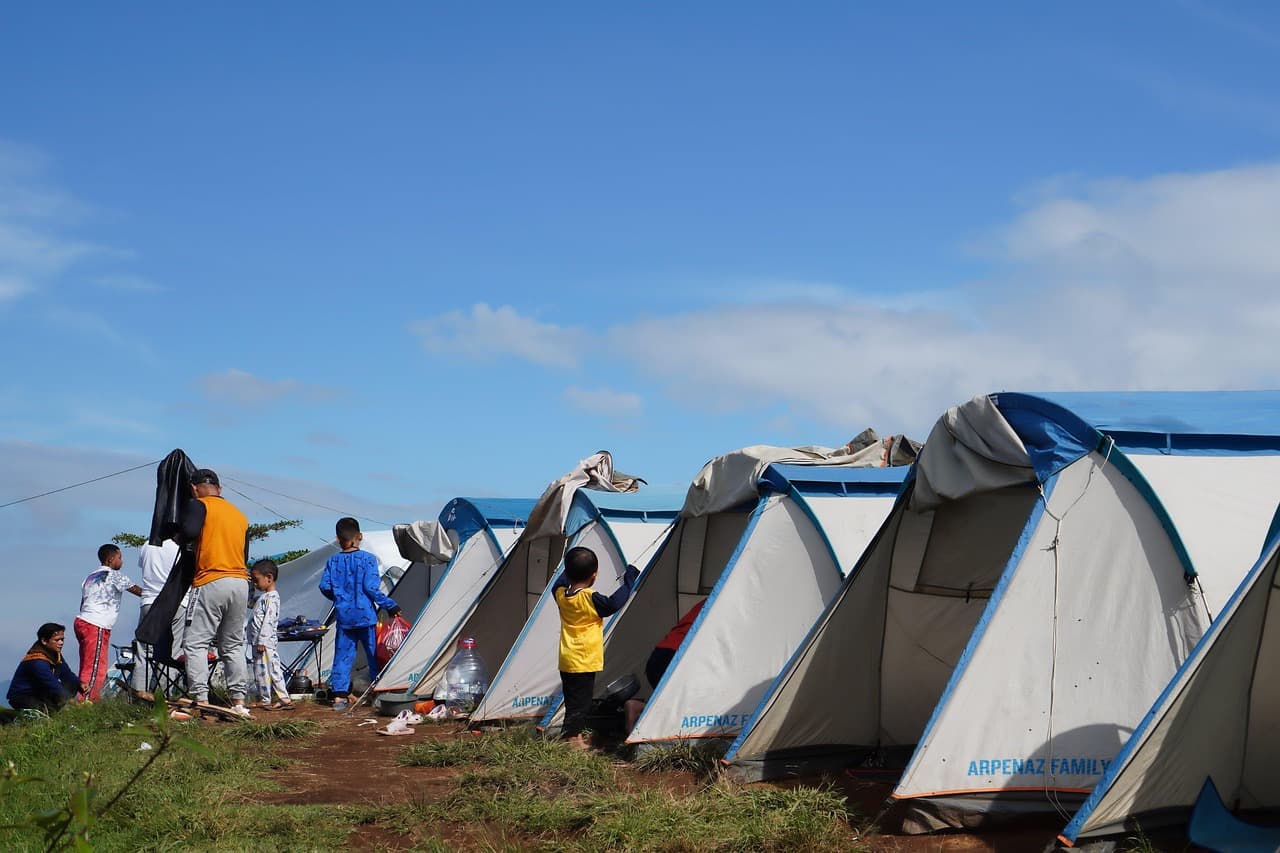
Overnight accommodation is limited to basic campsites set up in forest clearings or beside streams. There are no permanent huts or shelters along the route, and all gear, food, and waste must be carried in and out. Trekkers should be comfortable with rough, minimalist conditions and be prepared for cold nights, especially above 2,000 meters. Mobile signal is patchy or nonexistent for much of the trek, and rescue or medical help is several hours away by foot.
Weather and Best Time to Trek
March to May and October to November are the most reliable months for trekking Pu Si Lung, offering the driest weather and clearer skies. During these periods, rainfall is minimal, river crossings are less hazardous, and the risk of encountering leeches is significantly reduced. Daytime temperatures are generally mild, but trekkers should be prepared for cold nights: above 2,000 meters, temperatures can drop to 0–5°C even in spring and autumn. A sleeping bag rated for freezing conditions is essential, and layered clothing is recommended for warmth after sunset.
From June through September, heavy monsoon rains transform the region’s trails and rivers. Water levels rise quickly, making crossings dangerous or impassable, and leeches become a persistent nuisance in the damp undergrowth. Operators in Lai Chau often suspend expeditions during these months due to safety concerns, and even experienced local guides advise against attempting the trek. If you’re planning a Pu Si Lung expedition, avoid the summer rainy season entirely.
Regardless of the month, weather in Lai Chau’s highlands can shift unexpectedly. Sudden fog, showers, or temperature drops are common, especially at altitude. Trekkers should pack waterproof boots, quick-dry clothing, and extra layers for warmth. Checking with your operator for up-to-date forecasts and route conditions before departure is wise, as river levels and trail safety can change overnight.
Fitness and Gear Requirements
Tackling Pu Si Lung’s 3,076-meter summit demands a high level of physical preparation. Trekkers should be in excellent condition, with prior experience on multi-day mountain routes involving steep ascents and long hours. On this trek, you’ll be carrying a daypack for 8 to 10 hours each day, navigating slippery trails, dense jungle, and frequent river crossings. Daily elevation gains can exceed 1,000 meters, so regular endurance training—such as running, hiking with a loaded pack, or stair climbing—is strongly advised in the months leading up to your trip.
Gear selection is crucial for safety and comfort. Waterproof hiking boots with strong ankle support are necessary for muddy paths and river crossings. Quick-dry clothing helps manage sweat and sudden rain, while a sleeping bag rated to 0°C is essential for cold nights above 2,000 meters, even outside of winter. Campsites are basic, so bring your own sleeping mat and consider a lightweight waterproof jacket for unpredictable weather.
Medical facilities are several hours away, so pack a comprehensive first-aid kit and any personal medications you may require. All trekkers are expected to pack out their waste—bring sturdy bags for trash and used hygiene items. Mobile signal is limited or absent for much of the route, so a satellite messenger or GPS device can provide extra security if available. With careful preparation, you’ll be better equipped to handle the remote and demanding conditions of Pu Si Lung.
Costs and Operator Services
A typical Pu Si Lung trek package in 2026 costs between $300 and $400 USD per person for a 3–4 day expedition. This rate covers the essentials: border permits, a licensed local guide, porter support, all meals during the trek, and round-trip transfers from Lai Chau city to the trailhead at Pa Ve Su commune. Operators such as Nomad Trails and Trekking Vietnam handle the complex permit process, which can take several days and is subject to sudden changes due to border security. It’s crucial to confirm your permit status and all logistical details before departing for Lai Chau, as regulations may shift without notice.
The package price does not include personal trekking gear, so you’ll need to bring waterproof boots, quick-dry clothing, and a sleeping bag rated to 0°C. Tips for guides and porters are customary but not included; most trekkers budget an extra $20–$40 USD for gratuities. Emergency evacuation is not part of standard packages—if you want additional coverage, arrange it in advance and carry your own first-aid kit and personal medication, since medical facilities are hours away.
While operators provide meals and basic camp equipment, expect rustic conditions: overnight stays are in tents, not huts, and there’s no phone signal for most of the route. All waste must be packed out, so bring your own trash bags. For the most up-to-date package details and permit requirements, check directly with your chosen operator a few weeks before your trip.
Frequently asked questions
Yes, a special border permit from Lai Chau police is required, and must be arranged by a licensed operator.
No, foreigners must be accompanied by a licensed local guide due to border security regulations.
Trekkers should be in excellent physical condition, with prior multi-day trekking experience recommended.
No, only basic campsites are available; trekkers must bring their own sleeping gear.
Sources
- nomadtrails.com — Primary source
- vietnamcoracle.com — From research brief
- backpackingvietnam.com — From research brief
- laichau.gov.vn — From research brief
- trekkingvietnam.com — From research brief
Loading reviews…
Related posts

Ta Xua Cloud Ridge Trek: 2026 Guide to Hiking Vietnam’s Dinosaur Spine
This practical 2026 guide covers how to trek Ta Xua Cloud Ridge in Son La, Vietnam, including the best months for cloud viewing, transport from Hanoi, entry fees, costs, and essential safety tips for international travelers. Get all the details on hiking the 'dinosaur spine' and planning your trip.

Trekking Pu Luong Nature Reserve: Updated 2026 Guide for International Visitors
Pu Luong Nature Reserve in Thanh Hoa province offers scenic mountain trekking, rice terraces, and authentic village stays. This guide provides up-to-date advice on entry, transport, trekking routes, accommodation, and practical tips for planning a trek in 2026.

Sapa Remote Trekking: Hidden Villages and Off-the-Beaten-Path Trails (2026 Guide)
This guide details Sapa’s lesser-known trekking routes for 2026, covering remote villages like Sin Chai, Seo My Ty, and Nam Cang. It includes up-to-date info on guide requirements, transport, costs, accommodation, weather, and practical tips for experienced trekkers seeking authentic adventure beyond the tourist crowds.