Southern Vietnam Itinerary: 8 Days from Ho Chi Minh City to Mui Ne and Da Lat on a Budget
An 8-day budget route through southern Vietnam: start in Ho Chi Minh City, bus to Mui Ne's dunes, then to Da Lat's highlands. Covers day-by-day logistics, bus times, hostel costs, food, and entry fees, with a total budget of $200–$280 per person excluding flights and visas. Practical tips for first-time visitors.

Trip plan
Day-by-day itinerary
Day 1
Arrive in Ho Chi Minh City
Visit the War Remnants Museum (open 07:30–17:00, entry ~$2.5), then take a walking tour of District 1 landmarks like Notre-Dame Cathedral and the Central Post Office. Have dinner at Ben Thanh night market and sleep in the Pham Ngu Lao backpacker area with hostel dorms around $10.
Related reading
Keep exploring Vietnam
- 1
- 2
- 3
At a glance
- Best time
- October to April for Mui Ne's dry season; Da Lat stays cool year-round
- How long
- 8 days
- Budget
- $200–$280 per person excluding flights and visas
- Getting there
- Fly into Tan Son Nhat International Airport (SGN) in Ho Chi Minh City
- Language
- Vietnamese; limited English in tourist areas
- Currency
- Vietnamese dong (VND); cash needed for small vendors
Route Overview: Why This 8-Day Southern Vietnam Itinerary Works
This 8-day southern Vietnam itinerary links Ho Chi Minh City, Mui Ne, and Da Lat with three bus rides: 5 hours east to the coast, 4 hours inland to the highlands, and 6 hours back to HCMC. It skips northern stops entirely. The route is built for a daily budget of $25–$35, excluding international flights and the Vietnam e-visa.
The appeal is three distinct climates and activity types in one week. Ho Chi Minh City provides urban museums and nightlife, including the War Remnants Museum (07:30–17:00, ~$2.5) and Bui Vien Street after dark. Mui Ne shifts to coastal fishing villages, the White Sand Dunes, and Fairy Stream. Da Lat adds highland waterfalls, the Crazy House, and coffee spots at 15–20°C.
Cost stays predictable because the fixed expenses are low. A hostel dorm bed runs $8–$12 per night, and a street meal costs $1.50–$3. Intercity buses with Phuong Trang (Futa) or Hanh Cafe are 150,000–200,000 VND ($6–$8), so the HCMC to Mui Ne leg is about $7, Mui Ne to Da Lat about $6, and Da Lat back to HCMC about $7. A $25 day covers a dorm bed, three street meals, and a low-cost museum entry; a $35 day adds a half-day tour or motorbike rental.
The best window is October to April, when Mui Ne has its drier season. Da Lat stays cooler at 15–20°C year-round, so bring a light layer. Before booking, confirm the Vietnam e-visa rules for your nationality: it currently allows up to 90 days and multiple entry, but check 2026 updates for any changes.

Getting There and Between Cities: Buses, Airport Transfers, and Costs
Fly into Tan Son Nhat International Airport (SGN) in Ho Chi Minh City, then use the Grab app for airport transfers to avoid common taxi scams. Download Grab before you land, buy a local SIM or connect to airport wifi, and book a ride to your hostel in the Pham Ngu Lao backpacker area. Ignore drivers who approach you inside the terminal; fixed Grab fares eliminate most overcharging. A ride from the airport to District 1 takes 20 to 30 minutes depending on traffic. The Vietnam e-visa currently allows up to 90 days multiple entry, but check 2026 updates for your nationality before booking any transport.
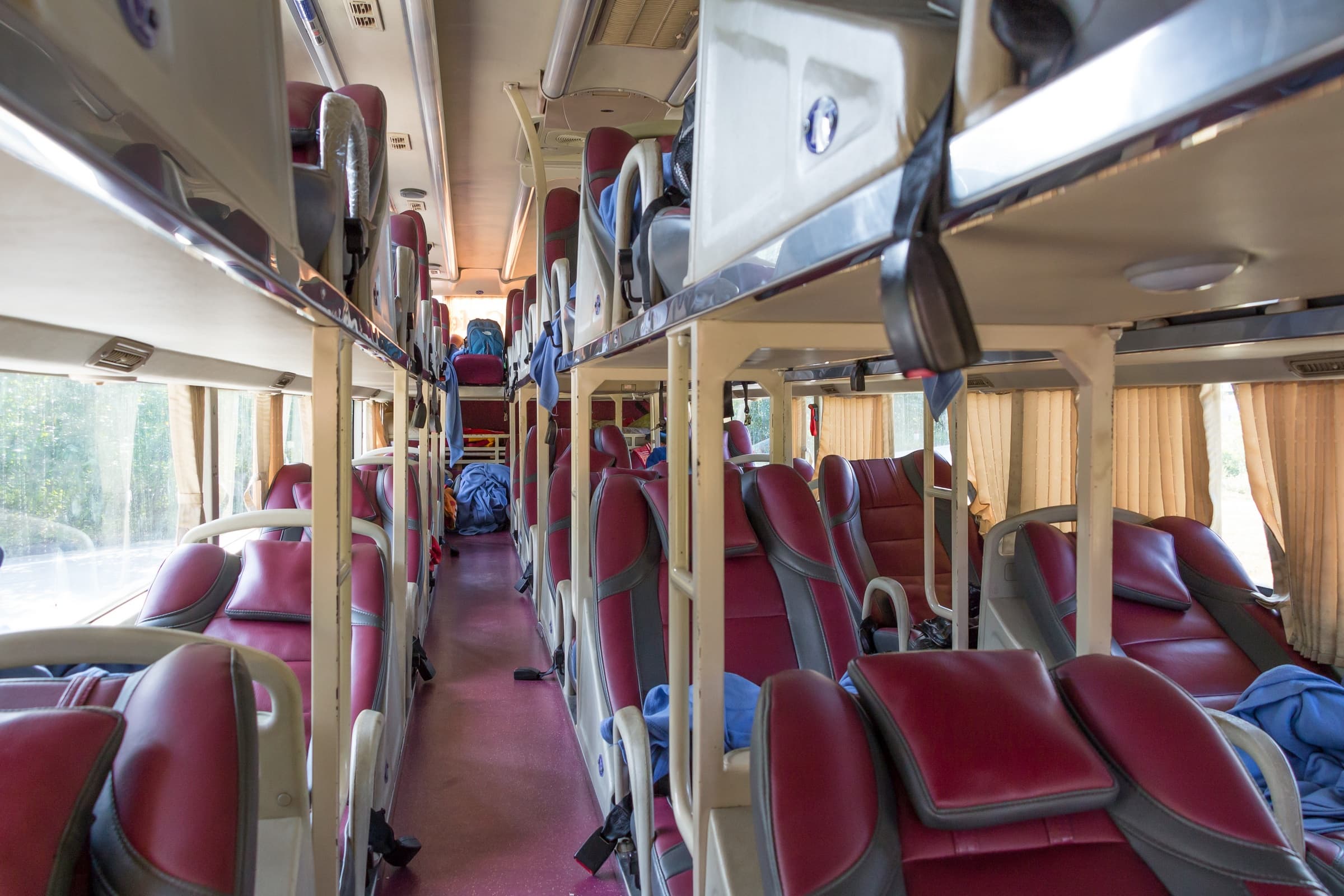
Two reliable sleeping bus companies run the route between HCMC, Mui Ne, and Da Lat: Phuong Trang (Futa) and Hanh Cafe. Both operate quality sleeper buses with reclining berths, air conditioning, and frequent departures on these southern routes. Confirm departure times on the official Phuong Trang site or recent 2026 travel blogs, especially around Tet holidays, when schedules change and buses fill quickly.
For the HCMC to Mui Ne leg, the first bus leaves around 06:00. The trip takes ~5 hours, and the fare is 150,000–200,000 VND ($6–$8), typically ~$7. From Mui Ne to Da Lat, the ride is ~4 hours and costs ~$6. The return from Da Lat to HCMC is ~6 hours and costs ~$7.
Book each intercity ticket a day ahead at the station counter or through your hostel reception. Hostel reception desks in Mui Ne and Da Lat can book tickets on your behalf, which saves a trip to the station. During major holidays such as Tet, sleeper buses can sell out days in advance, so secure your seat early. Last-minute seats are often limited on all three legs, even on normal weekends. Once back in HCMC, use Grab again for the final airport transfer if you have an onward flight.

Budget Breakdown: Daily Costs and Total for 8 Days
Budget $25–$35 per day for this 8-day southern Vietnam loop, excluding international flights and visa fees. The full eight days land between $200 and $280 per person. Hostel dorm beds run $8–$12 per night in Ho Chi Minh City, Mui Ne, and Da Lat, and street meals cost $1.50–$3 per dish, so three local meals can stay under $10.
The route sets specific daily targets that help you see where money goes. Day 2 in Ho Chi Minh City is budgeted at $25, covering a half-day Cu Chi Tunnels tour and an evening around Bui Vien Street. Day 3 drops to $20: the early bus to Mui Ne costs about $7, and the rest covers a dorm bed and beach meals. Day 4 is $25 for a shared jeep to the White Sand Dunes ($10–$15), Fairy Stream entry ($1), and a motorbike rental ($6) if you ride. Day 5 is the lowest at $18, mostly the ~$6 bus to Da Lat plus night market food. Day 6 runs $25 with Crazy House ($2), the Datanla waterfall cable car ($5), and another $6 motorbike. Day 7 is $20 for a waterfall loop, with entry about $2 per falls. Day 1 and Day 8 each fall within $20–$25 depending on meals and the airport transfer.
The three intercity bus legs add about $7 for Ho Chi Minh City to Mui Ne, $6 for Mui Ne to Da Lat, and $7 for Da Lat back to Ho Chi Minh City. Those fares sit inside the typical 150,000–200,000 VND range for sleeper buses. Across eight nights, dorm beds at $8–$12 total $64–$96. Food at under $10 per day adds roughly $80. Activities and local transport fill the rest. At the $200 end, you stick to dorm rooms, street stalls, and free or low-fee sights. At $280, you can add a guided Cu Chi tour from about $15, more Grab rides, and extra coffee or avocado smoothies without breaking the daily target.

What to Do in Ho Chi Minh City, Mui Ne, and Da Lat
The War Remnants Museum in Ho Chi Minh City opens 07:30–17:00 and charges ~$2.5 entry, making it a low-cost first stop on this 8-day vietnam itinerary. For the Cu Chi Tunnels, independent travelers pay ~$2 for transfer and ~$4 entry at the site, which is open 07:00–17:00. Many first-timers book a half-day guided tour from ~$15 to skip the transfer planning. Spend the evening at Ben Thanh night market, where street meals run $1.50–$3 per dish, then walk to Bui Vien Street in the Pham Ngu Lao backpacker area for drinks and more street food.
In Mui Ne, a shared jeep for sunrise at the White Sand Dunes costs $10–$15 per person, and the trip typically includes a stop at the fishing village. Fairy Stream entry is $1. Renting a motorbike costs $6 per day if you are confident in traffic, but Grab rides or a local driver are safer for most visitors.
Da Lat packs several cheap entry fees into one day. Crazy House charges $2, the Datanla Waterfall cable car costs $5, and Linh Phuoc Pagoda is free. A self-guided countryside loop to either Elephant Falls or Pongour Falls has entry fees of ~$2 per waterfall. Motorbike rental in Da Lat is also $6 per day. Da Lat's cooler mountain air makes the motorbike loop comfortable even at midday.
If your budget allows, a canyoning tour in Da Lat runs $40–$50 and includes gear and a guide. Otherwise the motorbike loop to the falls is the cheaper option. Across all three cities, entry fees and transport stay within the daily $20–$25 range for this southern vietnam itinerary. Da Lat entrance fees can rise without much notice, so check the ticket window before paying.

Where to Eat and Drink on a Budget
A sit-down dinner at Ben Thanh night market in Ho Chi Minh City can cost less than an airport coffee, but the smartest budget move is the ring of street vendors around the market. Com tam (broken rice with grilled pork) and pho from busy stalls run $1.50–$3 per dish. Order at a vendor with a long local queue, not an empty one, and add a fresh sugar cane juice for under $1.
Bui Vien Street in the backpacker quarter sells cheap beer and snack stalls late into the night. Look for small plastic stools and handwritten menus. Stick to bottled or canned drinks, which are sealed and harder to tamper with, and keep your phone in a front pocket after midnight. A plate of fried noodles or grilled skewers here often lands in the same $1.50–$3 range, though some bars inflate prices for tourists.
Mui Ne's seafood restaurants line Ham Tien beach and charge resort prices for ocean views. Walk two or three blocks inland, away from the main strip, and you'll find local com ga (chicken rice) shops and banh mi carts for a fraction of the cost. These options usually fit the $1.50–$3 per dish budget, leaving room in your daily spend for a cold coconut on the sand.
Da Lat Night Market is where the route's best cheap eats cluster. Order an avocado smoothie (sinh tố bơ) and a bánh tráng nướng (grilled rice paper pizza) from separate stalls, each under $2. Afterward, eat at any busy local stall you pass in the highlands. The rule for all eight days of this Vietnam itinerary is to follow the local lunch rush, avoid tourist-facing menus with laminated photos, and your meals stay within $1.50–$3 per dish.

Practical Tips and When to Visit
The Vietnam e-visa currently allows up to 90 days, multiple entry, but regulations can change, so check the official e-visa portal for 2026 updates before you book. Rules vary by nationality, so confirm eligibility early. In Ho Chi Minh City, traffic is chaotic; use the Grab rideshare app at night instead of hailing taxis. Cross streets slowly and predictably, and at HCMC airport, ignore drivers who approach you inside the terminal. Book a Grab or arrange an airport pickup through your hostel to avoid common taxi scams.
Mui Ne's drier season runs from October to April. Outside that window, afternoon rain can affect sand dune visits and beach time, so schedule sunrise excursions early. Da Lat sits at 15–20°C most days even when HCMC is hot, so pack a light jacket or layers. The cool highland air catches many first-timers off guard after the coastal humidity.
This southern route moves by bus: HCMC to Mui Ne takes ~5 hours, Mui Ne to Da Lat ~4 hours, and Da Lat back to HCMC ~6 hours. Intercity bus fares run 150,000–200,000 VND ($6–$8). Phuong Trang (Futa) and Hanh Cafe operate quality sleeping buses on these legs. Confirm bus departure times from the official Phuong Trang Futa website or recent 2026 travel blogs. Schedules change around Tet and other holidays, and sleeper bus seats sell out in advance.
Because the e-visa is multiple entry, you can use Ho Chi Minh City as a base and return to it at the end without applying for a new visa. Leave enough buffer on day 8, since the Da Lat to HCMC bus takes ~6 hours and can run late on holiday weekends. Hostel dorms along the route cost $8–$12 per night, so a last-minute schedule change is rarely expensive.
Frequently asked questions
Most nationalities can use the Vietnam e-visa, which currently allows up to 90 days with multiple entries. Check the official e-visa portal for 2026 updates for your passport.
Yes, Phuong Trang (Futa) and Hanh Cafe operate quality sleeping buses on these routes. Confirm departure times on official sites or recent 2026 blogs, especially around Tet.
Yes, start in Da Lat instead if you arrive there, then bus to Mui Ne and finish in HCMC. The same bus times and prices apply in reverse.
Bring a light jacket or layers. Da Lat is often 15–20°C, cooler than HCMC and Mui Ne, especially in the evening.
Travel details change — opening hours, prices, and schedules can vary by season. Please verify current information on official websites before your visit.
Watch: related videos
Southern Vietnam Itinerary: 8 Days from Ho Chi Minh City to Mui Ne and Da Lat on a Budget — Video by khanhhoangminh on Pexels
Southern Vietnam Itinerary: 8 Days from Ho Chi Minh City to Mui Ne and Da Lat on a Budget — Video by EVENT.MEDIA AHA on Pexels · silent stock clip
Sources
- travelfish.org — Primary source
- vietnamcoracle.com — From research brief
- phuongtrangfutabus.com — From research brief
- lonelyplanet.com — From research brief
- reddit.com — From research brief
Loading reviews…
About the author
Lê Minh Đức
Routes & Itineraries Editor
Minh Đức plans Vietpeep's itineraries, transport guides, and practical tips with a surveyor's care for distances, timings, and connections. He believes a route is only as good as its smallest detail — the last ferry, the right train class, the turn travelers miss.
All articles by Minh ĐứcRelated posts

3-day Ho Chi Minh City itinerary for first-time international visitors
A compact city plan covering historical landmarks, food neighborhoods, and easy day trips that fit a short trip.

Vietnam itinerary 3 weeks: Classic Ho Chi Minh City to Hanoi route and 2026 costs
This 21-day Vietnam itinerary links Ho Chi Minh City, Can Tho, Hoi An, Hue, Ninh Binh, Ha Long Bay and Hanoi in one practical south-to-north route. It includes 2026 e-visa rules, bus and train timelines, daily budget ranges and a full day-by-day plan for first-time visitors.

Ho Chi Minh City to Phan Thiet by Vietnam Trains: 2026 Fares, Schedules, and Mui Ne Transfers
A practical 2026 guide to taking Vietnam Railways trains from Saigon station to Phan Thiet, the rail gateway to Mui Ne. Covers scheduled departures, soft seat and sleeper fares, booking on dsvn.vn and third-party sites, plus bus and taxi transfers from Phan Thiet station to the beach.