Tet 2026 in the Mekong Delta: Dates, Customs, and Practical Tips for Visitors
A practical guide to experiencing Tet (Lunar New Year) in Vietnam's Mekong Delta in 2026. Get exact dates (Feb 17, with holiday Feb 14–20), regional customs like hoa mai and bánh tét, top sights including Sa Đéc Flower Village and Cai Rang Floating Market, plus transport, closure, price, and etiquette tips.
Related reading
Keep exploring Vietnam
- 1
- 2
- 3
At a glance
- Best time
- February 14–20, 2026 (Tet holiday)
- How long
- 3–4 days suggested for key sights
- Budget
- Homestay 800,000–1,500,000 VND/night; boat tour 300,000–500,000 VND
- Getting there
- Fly to Can Tho International Airport, then private car/bus to delta towns
- Language
- Vietnamese; limited English in tourist homestays
- Currency
- Vietnamese đồng (VND); carry cash, ATMs may be empty
Dates and public holiday window
Lunar New Year 2026 falls on Tuesday, February 17, marking the start of the Year of the Horse (Bính Ngọ). The Vietnamese government normally confirms the exact public holiday window in late 2025, but the expected break runs from Saturday, February 14 through Friday, February 20 — seven days that effectively shut down much of the delta's family-run economy. Do not book flights or buses around a guess: wait for the Prime Minister's office to publish official dates, usually in December, then move fast.
During the first three to five days of Tet, most family-run shops, restaurants, and homestay kitchens close completely, especially in smaller towns like Sa Đéc and Cái Bè. If you arrive on February 17 itself, expect empty streets and very few food options. Plan to stock snacks and cash before the holiday begins, and book Mekong Delta transport and homestays three to four weeks ahead — prices jump 30–50% for the week, and buses and ferries are packed.
Weather in mid-February is the delta's dry season: daytime temperatures sit between 30°C and 35°C, with cooler mornings around 22–24°C. Bring sun protection, a refillable water bottle, and light layers for early boat trips to Cai Rang floating market.
Regional customs to recognize
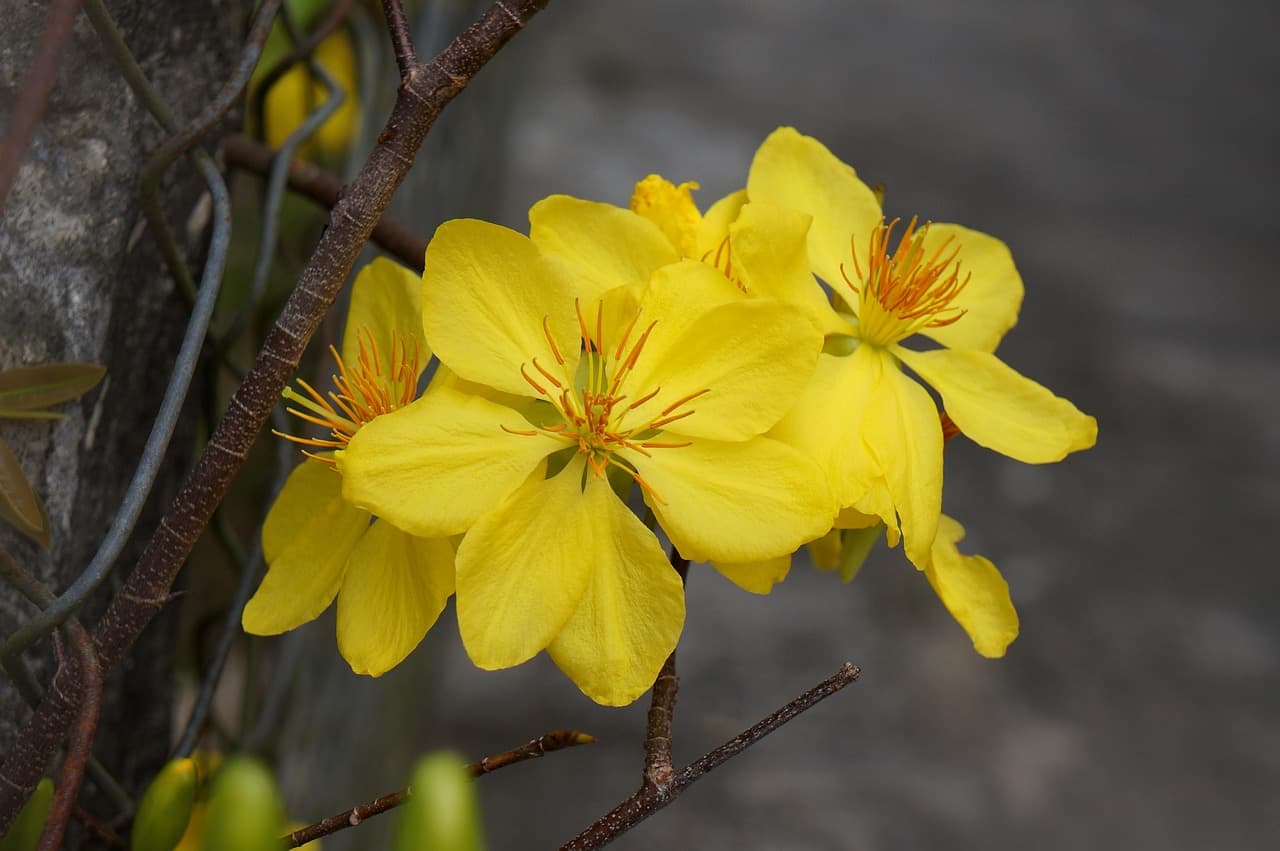
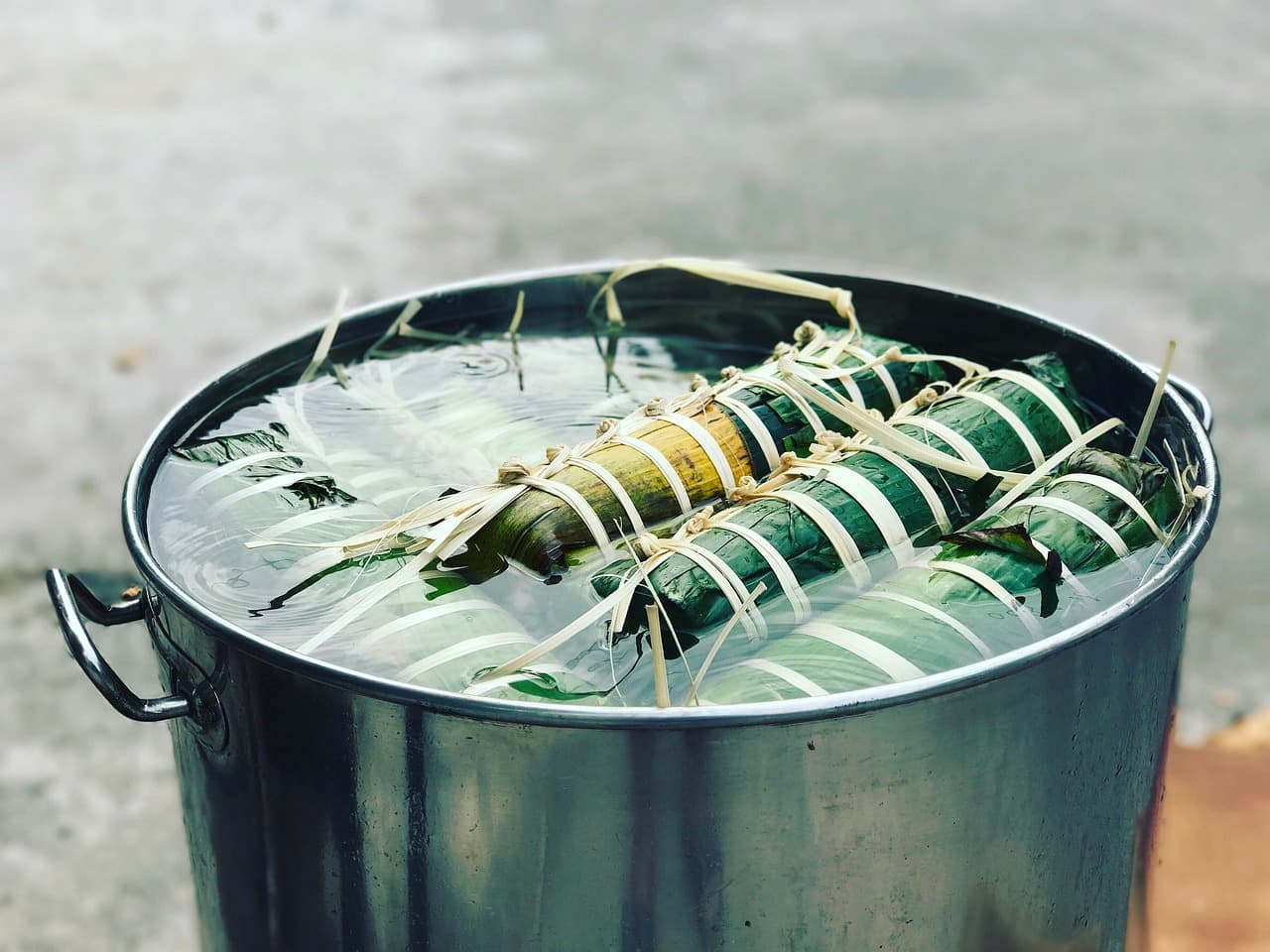
In the Mekong Delta, Tet 2026 (February 17) means yellow apricot blossoms, or hoa mai, not peach blossoms. Sa Đéc flower village in Đồng Tháp fills with them from early February; entrance is free, parking about 20,000 VND. The signature food is bánh tét, a cylinder of sticky rice, mung bean, and pork wrapped in banana leaves, made at homestays in Bến Tre, Vĩnh Long, and Cái Bè (stays from 800,000–1,500,000 VND per night).
At Cai Rang floating market in Cần Thơ, boat decorations peak around dawn—expect branches of hoa mai, kumquat trees, and bánh tét stacked for sale. A two-hour boat ride costs roughly 300,000–500,000 VND per person. In villages and pagodas, đờn ca tài tử performances feature the đàn kìm and đàn tranh, while orchard owners in Bến Tre and Vĩnh Long hang red envelopes and lanterns from fruit trees.
When entering a pagoda or a local home, cover shoulders and knees, ask before photographing anyone worshipping, and bring a small gift if invited. The first three days of Tet (February 17–19, 2026) are heavily family-focused, so schedule public customs before or after that window.

Top places to experience Tet
Sa Đéc Flower Village in Đồng Tháp produces most of the Mekong Delta's Tet flowers, and wandering the fields is free—parking costs about 20,000 VND. Visit in early February, when the village is packed with yellow apricot blossoms (hoa mai), chrysanthemums, and marigolds, and temporary flower displays line the paths. The village is about 140 km from Ho Chi Minh City; most visitors combine it with a Cần Thơ stop.
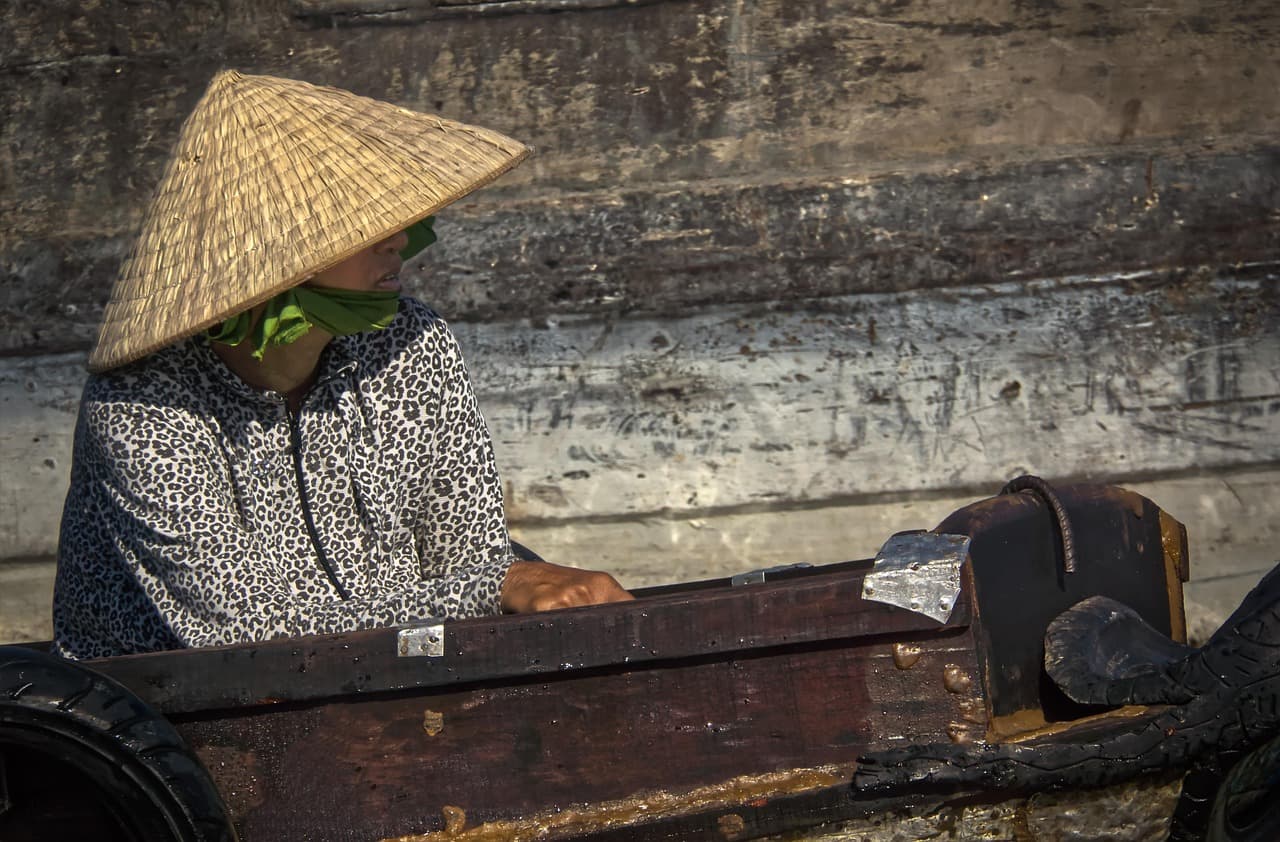
At Cai Rang Floating Market in Cần Thơ, the best Tet scenes unfold before 7 a.m. Boats heavy with bánh tét, fruits, and cut flowers moor alongside each other, many strung with red banners and small Vietnamese flags. A two-hour boat tour typically costs 300,000–500,000 VND per person, but rates rise during the holiday—agree on a price before boarding.
For a longer stay, homestays in Bến Tre, Vĩnh Long, or Cái Bè often run bánh tét-making sessions and orchard tours during Tet. Expect to pay 800,000–1,500,000 VND per night including meals, and book three to four weeks ahead. Cần Thơ's Ninh Kiều waterfront sometimes hosts a Tet Flower Festival around February 14–17, but 2026 dates were still unconfirmed as of late 2025; ask at your hotel.
Getting there and local transport
Can Tho International Airport (VCA) is the main gateway for the Mekong Delta, with multiple daily flights from Hanoi and Ho Chi Minh City; a one-way from Saigon typically costs 800,000–1,200,000 VND in early February 2026. From the terminal, Delta towns such as Cần Thơ, Vĩnh Long, and Bến Tre are reachable by metered taxi or Grab (around 150,000–250,000 VND to Cần Thơ city centre) or by local bus 3, which costs 10,000 VND and takes about 30 minutes to Ninh Kiều district.
Once you are in the Delta, plan around Tet crowds rather than against them. Public buses and ferries to places like Sóc Trăng, Bạc Liêu, and Cà Mau fill to standing-room-only on the days immediately before and after February 17, and some services reduce frequency during the holiday itself. A private car with driver from Cần Thơ to Vĩnh Long costs around 600,000–800,000 VND for a half-day trip; a scooter with driver runs 400,000–600,000 VND. Book intercity transport at least 3–4 weeks ahead—not just for seats but because operators raise prices 30–50% during the Tet window. For short hops, many drivers are willing to negotiate private transfers even on holiday mornings, but do not rely on last-minute availability.
Carry more cash than you think you need. Family-run bus companies, boat operators, and small restaurants often do not accept cards, and ATMs in the Delta can run dry for several days around Tet when banks close. Withdraw 2–3 million VND before leaving Cần Thơ or Ho Chi Minh City, and keep small notes for bus fares and market purchases.
Where to stay and eat
Homestays in Bến Tre, Vĩnh Long, and Cái Bè for Tet 2026 generally run 800,000–1,500,000 VND per night including meals, though you should confirm current pricing when you book—and book three to four weeks ahead, as rates climb 30–50% during the holiday. Book early for the kitchen as much as the bed. Many family-run shops and restaurants in delta towns close for the first three to five days of Tet, so wandering in search of lunch can leave you hungry. Plan each day's meals with your host, who can usually provide breakfast and dinner. Carry shelf-stable snacks—bánh tráng, dried fruit, crackers—because the few eateries near Cai Rang floating market and Sa Đéc flower village that remain open have limited menus and long waits.
Homestay hosts often build bánh tét-making and orchard tours into the stay rather than charging extra. In Bến Tre, you might shape and boil a cylindrical sticky rice cake while the host explains why the delta favors bánh tét over northern square bánh chưng. If you are invited to a local home for a Tet meal, bring a small gift—fruit, tea, or sweets—and dress modestly if the meal follows a pagoda visit.
Costs and practical tips
Expect to pay 300,000–500,000 VND per person for a two-hour boat tour of Cai Rang Floating Market during Tet 2026; confirm the rate with your boat operator before boarding. Sa Đéc Flower Village charges no entry fee, but set aside 20,000 VND for motorbike parking. Homestays in Bến Tre, Vĩnh Long, or Cái Bè run 800,000–1,500,000 VND per night including meals, and many offer bánh tét-making sessions — book three to four weeks ahead, because prices surge 30–50% and beds fill early.
Afternoons hit 30–35°C, so pack sunscreen, a hat, and a refillable water bottle before walking flower fields or riverbanks. Family-run shops and restaurants typically close for the first three to five days of Tet, and ATMs may run empty, so carry enough cash for two or three days. If you plan to travel between provinces, avoid public buses and ferries on February 14–16, when they are most crowded; a private car or scooter with a driver costs more but saves hours.
For entry, the current e-visa remains valid for 90 days for most nationalities, but confirm the rules before booking flights, as policies can change without notice.
Frequently asked questions
Yes for unique customs and festive atmosphere, but expect closures, crowded transport, and price surges. Book 3–4 weeks ahead.
Many family-run businesses close for the first 3–5 days. Bring snacks and carry enough cash because ATMs can be empty.
Book 3–4 weeks in advance, consider a private car or scooter with a driver, and expect prices 30–50% higher than usual.
Most nationalities can use a 90-day e-visa, but confirm before travel as rules may change.
Travel details change — opening hours, prices, and schedules can vary by season. Please verify current information on official websites before your visit.
Sources
- vietnamcoracle.com — Primary source
- vietnam.travel — From research brief
- lonelyplanet.com — From research brief
- whatthepho.com — From research brief
- roughguides.com — From research brief
Loading reviews…
About the author
Phạm Quốc Bảo
Cities & Events Editor
Quốc Bảo covers Vietnam's cities and their calendars — street life, night markets, festivals, and the people who keep traditions running. He edits with an ear for what actually happens on the ground rather than what the brochures promise.
All articles by Quốc BảoRelated posts

Mekong Delta by Public Bus: 2026 Route Guide, Fares, and Booking Tips
This article gives international travelers practical, current advice for navigating the Mekong Delta by public bus in 2026. It covers main routes, fares, booking methods, comfort levels, and transfer tips, helping visitors plan efficient, budget-friendly journeys between Delta towns and Ho Chi Minh City.

Red River Delta Village Festivals: Practical Guide for International Visitors 2026
This article gives international travelers practical, up-to-date guidance for experiencing village festivals in Vietnam’s Red River Delta in 2026. It covers festival schedules, etiquette, dress codes, entry fees, transport, and historical context, ensuring visitors can respectfully and enjoyably participate in these living cultural traditions.

Cycling the Mekong Delta: 2026 Transport Tips for Independent Travelers
A practical guide for international visitors planning to explore Vietnam’s Mekong Delta by bicycle in 2026. This article covers route highlights, bike rental advice, safety rules, and up-to-date logistical tips for independent cycling, distinct from organized tours or bus travel.