Vietnam Autumn Festivals 2026: Key Dates, Transport, and Practical Tips
This article covers Vietnam’s major autumn festivals in 2026, including exact dates, event highlights, ticket prices, transport updates, and practical advice for international visitors. It’s a concise guide for planning festival travel, booking accommodation, navigating crowds, and understanding new entry and visa rules.

Related reading
Keep exploring Vietnam
- 1
- 2
- 3
At a glance
- Best time
- September–November 2026 (festival weeks)
- How long
- Plan 4–10 days to experience multiple festivals
- Budget
- From $40 USD/day (excluding accommodation price surges)
- Getting there
- Express trains, domestic flights, and intercity buses
- Language
- Vietnamese (English spoken at major hotels and tourist sites)
- Currency
- Vietnamese Dong (VND)
Major Autumn Festivals: Dates and Highlights
Vietnam’s autumn festival calendar in 2026 is anchored by three major events, each offering a distinct cultural experience. The Mid-Autumn Festival (Tet Trung Thu) falls on September 23 this year, transforming Hanoi’s Old Quarter and Ho Chi Minh City’s District 5 into hubs of activity. Expect lantern parades winding through narrow streets, elaborate lion dances, and temporary markets selling mooncakes—traditional pastries filled with lotus seed or mung bean paste. In Hanoi, main festivities center around Hang Ma and Hang Luoc streets, with crowds peaking from 6 p.m. onward. Ho Chi Minh City’s Cholon area (District 5) hosts similar celebrations, drawing families and photographers alike. Most events are free, but mooncakes typically range from 60,000 to 200,000 VND ($2.50–$8 USD) per box.
Hue’s Lantern Festival, scheduled for October 4–6, is set along the Perfume River. Each evening, thousands of paper lanterns are released onto the water, accompanied by live performances of traditional Hue music and dance. The main festival zone requires a ticket (120,000 VND, about $5 USD), which grants access to riverside seating and stage areas. Tickets can be purchased online or at the festival entrance, but early booking is recommended due to high demand. The city enforces temporary traffic closures around the riverbank from 5 p.m. to 11 p.m. nightly.
Hoi An’s Full Moon Festival on November 25 offers a different atmosphere: the ancient town closes its streets to vehicles, and locals light silk lanterns throughout the UNESCO-listed old town. Folk games, poetry readings, and street performances fill the evening, with no entry fee for public areas. For a closer view of the lantern-lit river, small boat rides are available for 100,000 VND (about $4 USD) per person. It’s wise to arrive before sunset to secure a good spot, as the town’s narrow lanes fill quickly with visitors and residents alike.

Getting Around: Updated Transport Options
Vietnam Railways has introduced new express trains in 2026, making festival travel between Hanoi and Hue faster and more convenient. The express service covers the route in just 8 hours, with three daily departures to accommodate increased demand during the autumn festival season. Ticket prices start at 900,000 VND (about $36 USD) for a standard seat. Given the surge in travelers during major events like the Mid-Autumn Festival and the Hue Lantern Festival, advance booking—ideally several weeks ahead—is strongly advised. Tickets can be purchased online through the official Vietnam Railways website or at major stations.
Once in festival cities, travelers should plan for temporary street closures and traffic restrictions, particularly in the evenings when parades, lantern releases, and performances draw large crowds. In Hanoi, the Old Quarter is closed to vehicles during the Mid-Autumn Festival’s main events, and similar restrictions apply in Hue and Hoi An on festival nights. Local taxis and ride-hailing apps may be limited or rerouted during these periods, so check local advisories and consider walking or using bicycles where permitted.
For those arriving by air or intercity bus, festival zones are typically best accessed on foot from nearby hotels or transit hubs. If you’re traveling with luggage, arrange drop-off at your accommodation before event hours to avoid carrying bags through crowded, closed streets. Monitoring city websites and local news will help you anticipate any last-minute transport changes due to weather or crowd control.
Entry and Visa Rules for 2026
As of July 2026, Vietnam’s e-visa system has streamlined approvals for most nationalities, with processing times now averaging just two working days. This improvement means travelers can plan festival trips with greater flexibility, but it’s still wise to apply at least a week in advance in case of high demand during the autumn festival season. The official e-visa portal (evisa.xuatnhapcanh.gov.vn) remains the recommended platform for applications and status checks.
Travelers from Bangladesh and Kyrgyzstan should note that Vietnam’s entry requirements for these nationalities have changed in recent months. Specific details on eligibility, supporting documents, or possible restrictions are not publicly listed as of mid-2026; applicants are advised to consult the Vietnamese Ministry of Public Security’s immigration site or contact the nearest embassy before booking flights. These updates may affect processing times or require additional paperwork.
During major festivals, local authorities in cities like Hanoi, Hue, and Hoi An may conduct spot checks at event zones. Visitors should carry both digital and paper copies of their e-visa approval letter and passport at all times, as internet access can be unreliable in crowded areas. Having physical documents on hand can prevent delays at checkpoints and facilitate re-entry to hotels if temporary street closures are in effect.

Accommodation and Costs During Festival Season
During Vietnam’s autumn festival season, accommodation prices in major cities like Hanoi, Hue, and Hoi An typically increase by 30–50%, especially around key events such as the Mid-Autumn Festival and the Hoi An Full Moon Festival. For example, a mid-range hotel room that normally costs 900,000 VND ($36 USD) per night may rise to 1,200,000–1,350,000 VND ($48–54 USD) during peak festival weeks. Budget guesthouses and hostels fill quickly, particularly near event zones, so last-minute deals are rare.
To avoid inflated rates and limited choices, it’s best to reserve your lodging at least six weeks in advance. Many hotels in festival hotspots open bookings up to six months ahead, and early reservations often secure better rates. Consider checking cancellation policies before booking, as festival dates can shift due to weather.
While many hotels and larger restaurants accept cards or payment apps like Momo and VNPay, most street food stalls, boat operators, and festival vendors only take cash. ATMs are common in city centers, but lines can be long during event evenings. Bring enough Vietnamese dong (VND) to cover daily expenses such as mooncakes (30,000–60,000 VND each), lantern boat rides (100,000 VND per person), and small souvenirs. Having cash on hand will help you avoid missing out on festival treats or activities due to payment limitations.
Staying Safe and Comfortable at Crowded Events
Autumn brings improved air quality to Hanoi and Ho Chi Minh City, but festival crowds can still make masks a practical choice. During major events like the Mid-Autumn Festival on September 23 or the Hoi An Full Moon Festival on November 25, parades and lantern processions often draw thousands into narrow streets. Lightweight disposable masks are easy to pack and help reduce exposure to dust and close-contact germs, especially in the busiest areas of the Old Quarter or District 5.
For payments, international visitors will find ATMs and mobile payment apps such as Momo and VNPay widely available in city centers and at most hotels, restaurants, and convenience stores. However, cash remains the preferred method for small purchases at street stalls, festival food vendors, and local markets. It’s wise to carry a mix of small-denomination bills (20,000–100,000 VND) for mooncakes, lanterns, and snacks, as vendors may not have change for larger notes or accept app payments.
Because festival dates and event plans can shift due to weather or local regulations, check official city websites or reliable local news sources daily during your stay. Temporary street closures and crowd control measures are common, and last-minute safety advisories may be issued. International travelers should bookmark the relevant city festival pages and enable notifications on their phones to stay updated on any urgent announcements.

Frequently asked questions
For Hue Lantern Festival, advance ticket purchase is recommended. Hoi An and Mid-Autumn events are mostly free, but boat rides and some activities may sell out.
Some dates may shift due to weather or local decisions; always check official city websites before traveling.
Cash is preferred at street vendors and for small purchases, but ATMs and mobile payment apps are widely available in cities.
Travel details change — opening hours, prices, and schedules can vary by season. Please verify current information on official websites before your visit.
Sources
- vietnamnet.vn — Primary source
- hanoitimes.vn — From research brief
- huefestival.com — From research brief
- hoianexpat.com — From research brief
- vnrailways.com — From research brief
Loading reviews…
About the author
Đặng Nhật Linh
Travel News & Money Editor
Nhật Linh curates Vietpeep's travel news and money guides — visa changes, transport updates, seasonal events, and how far your money goes. She writes for travelers who want current, practical answers without the fluff.
All articles by Nhật LinhRelated posts

Da Lat Flower Festival 2026: A Practical Vietnam Festivals Guide with Dates, Tickets and Transport
This Vietnam festivals 2026 guide covers the Da Lat Flower Festival, expected to run December 1, 2026 to January 1, 2027. It explains flights to Lien Khuong Airport, taxi transfers, which events are free or cost VND 50,000–200,000, crowd timing, and packing for 14–18°C nights.

Hanoi Oktoberfest 2026: dates, tickets, and transport for Vietnam festivals travelers
Hanoi Oktoberfest 2026 runs 22 to 24 October at JW Marriott Hotel Hanoi. This news brief gives the dates, venue, ticket context, transport times, age checks, and practical booking steps for travelers planning around Vietnam festivals in October 2026. It also notes that ticket tiers are pending.
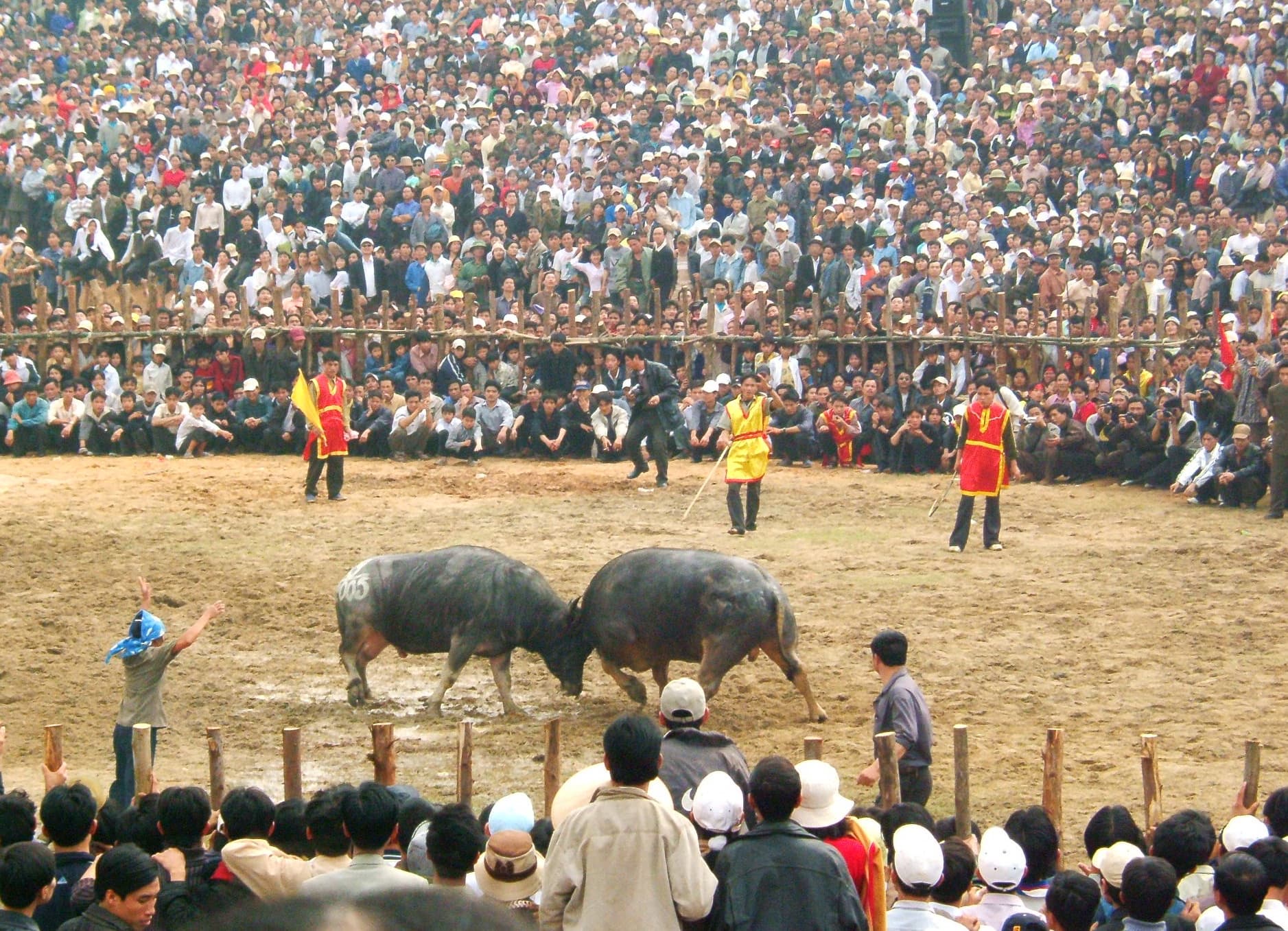
Do Son Buffalo Fighting Festival: Vietnam Festivals 2026 Dates, Tickets, and Visitor Tips
This practical 2026 guide to Do Son Buffalo Fighting Festival covers the date, ticket prices, transport from Hanoi, crowd timing, and animal-welfare context for international visitors planning to attend one of the most controversial Vietnam festivals in September 2026. It includes a day-of schedule and safety advice for the large crowd.