Vietnam's Regional Airports in 2026: Arrival Tips, Transport Prices and Practicalities
A practical 2026 arrivals guide to Vietnam's regional airports — Da Nang, Cam Ranh, Phu Quoc, Hue, Hai Phong and smaller hubs. It covers immigration speed, transport prices for taxis, Grab, buses and shuttles, SIM and ATM tips, ride-hailing coverage, and weather/construction risks, so you know what to expect after landing.

Related reading
Keep exploring Vietnam
- 1
- 2
- 3
At a glance
- Best time
- November–April to avoid typhoon-related cancellations; check overnight bans at Phu Quoc.
- How long
- Allow 30–60 minutes for immigration at regional airports; longer if multiple flights land together.
- Budget
- Ground transport 40,000–450,000 VND depending on route; SIM 200,000–300,000 VND for 4GB/day; carry small VND for buses.
- Getting there
- Fly into DAD, CXR, PQC, HPH, HUI, DLI or VII with e-visa or pre-approved visa-on-arrival letter.
- Language
- Vietnamese; transport apps and airport counters generally handle basic English.
- Currency
- Vietnamese dong (VND); credit cards accepted in taxis/apps but not public buses.
Entry and immigration: what actually happens after landing
All seven regional airports that international visitors use most—Da Nang (DAD), Cam Ranh (CXR), Phu Quoc (PQC), Cat Bi (HPH), Phu Bai (HUI), Lien Khuong (DLI), and Vinh (VII)—accept the same e-visas and pre-approved visa-on-arrival letters as Noi Bai and Tan Son Nhat. At these smaller airports, immigration is usually quicker than the big hubs, but don’t assume it’s relaxed: when two or three international flights land within a short window, queues at Da Nang or Cam Ranh can back up as much as they do in Hanoi or Ho Chi Minh City.
Have your e-visa printout or the visa approval letter ready before you reach the desk, not after you start digging through a bag. If you’re arriving on a visa letter, stop at the visa-on-arrival counter (clearly signed, usually before immigration) first, then join the main line. Land border entry is far less common at these airports, so the process is streamlined for air arrivals, but the visa counter still needs your passport, letter, arrival card, and one or two passport photos.
Most regional airports do not have a separate fast-track lane unless you pre-book a meet-and-greet service through a hotel or operator. If your flight lands with a Korean charter or a domestic connection rush, use the restroom on the plane and head straight to immigration—being near the front of your own flight can save 20 minutes in a mixed queue.
Da Nang Airport (DAD) to Da Nang and Hoi An
Da Nang International Airport sits just 4 km from the city center, which makes it the easiest regional landing in Vietnam for a quick transfer. Official taxis from the designated rank cost 80,000–120,000 VND into town, while Grab or Xanh SM ride-hailing usually quote 70,000–100,000 VND for the same trip. Both pick up from the arrivals level; choose the app or the metered queue rather than accepting rides from touts inside the terminal.
For Hoi An, the math changes because the drive is 30–40 minutes along the coastal road. A standard taxi runs 350,000–450,000 VND, and ride-hailing is often only slightly cheaper. Shared shuttle minivans offer the best middle ground at around 150,000 VND per person and leave once they fill; book one at the transport desk just after customs.
Da Nang's city bus to the center exists but runs infrequently and isn't practical if you're catching a train or have luggage, so don't plan around it. Stick to the official taxi stand or the Grab/Xanh SM pickup zone. This is one airport where the tout problem is mild but real—unlicensed drivers may quote "special price" fares that end up higher than the metered rate.

Cam Ranh Airport (CXR) to Nha Trang: bus, shared minibus, taxi
Cam Ranh International Airport (CXR) is about 30 km south of Nha Trang, so the ground transfer is long enough to plan. A metered taxi or pre-booked private car costs 250,000–350,000 VND and takes roughly 40–50 minutes in clear traffic, but app-based rides can be cheaper. Before leaving the terminal, open Grab or Xanh SM; both operate in Nha Trang, and the app fare lets you price-check without haggling.
The cheapest option is Bus #18, which costs about 50,000 VND per person and takes 60–75 minutes to reach central Nha Trang. It leaves from a stop outside the terminal and makes multiple stops, so it is noticeably slower than a taxi. Shared minibuses charge 80,000–100,000 VND per seat and depart when full, usually not long after a flight arrives; they drop passengers in central Nha Trang but may wait for enough passengers.
Road construction near Cam Ranh has been reported in 2026, mainly on the airport access road, and can add 15–30 minutes to any option. Check Google Maps or local Facebook groups for live traffic before choosing. If your flight lands late, confirm Bus #18's last departure before relying on it.
Phu Quoc, Hue and Hai Phong airports, plus smaller hubs
Phu Quoc International Airport (PQC) is about 10 km from Duong Dong, the island's main town. A taxi from the official stand costs 150,000–200,000 VND, and the airport minibus runs to Duong Dong for roughly 40,000 VND per person. Note that PQC closes to flights from 11:00 PM to 5:00 AM, so late-night arrivals simply don't happen; if your inbound is delayed, you'll be rebooked for the next morning.
Hue's Phu Bai Airport (HUI) is 15 km from the city center. Taxis cost 200,000–250,000 VND, but the public bus is unreliable — better to negotiate a private car at the arrivals desk or book ahead through your hotel. Cat Bi Airport (HPH) in Hai Phong is only 7 km from town; taxis run about 150,000 VND, and shuttle vans to Hanoi's Old Quarter cost 120,000–150,000 VND and take 1.5–2 hours.
At smaller hubs like Vinh (VII) and Da Lat's Lien Khuong (DLI), terminals may not stay open 24/7. If you land on a late flight, ground transport often waits outside the terminal gate rather than at the arrivals hall. Carry cash for taxis or minibuses, as card payment isn't widespread for airport transfers.

Money, SIM cards and ride-hailing at regional airports
At Vinh and Lien Khuong airports, there may be only a single ATM in the arrivals hall, and card networks occasionally fail after late flights. Carry 500,000–1,000,000 VND in small notes from Hanoi or Ho Chi Minh City before flying onward. Currency exchange desks at regional airports offer lower rates than city centers—use them only for a taxi fare or first-night cash. Credit cards are not accepted on public buses or shared minibuses; drivers expect dong.
Viettel and VinaPhone counters are at all major regional airports, including Da Nang, Cam Ranh, Phu Quoc, Cat Bi, and Phu Bai. A 4GB/day data package costs 200,000–300,000 VND in 2026, usually valid for 30 days with daily resets. For Phu Quoc and more remote areas, choose Viettel—it has the best coverage outside provincial capitals. Set up the SIM before leaving the terminal; airport signal is strong, and staff install eSIMs quickly.
Grab operates in Da Nang, Nha Trang, Phu Quoc, Hue, and Hai Phong; Xanh SM electric taxis are available in many provincial capitals. At Da Nang and Phu Quoc, ignore unlicensed touts outside the terminal and use the app or an official taxi stand instead. For fixed-route public buses and shared minibuses, keep small VND notes because drivers rarely accept cards.
Timing, weather and construction risks in 2026
Typhoon season on Vietnam's central coast runs from August to November, and in 2026 regional airports like Da Nang, Phu Bai, and Cam Ranh see the highest rate of weather-related cancellations. During a storm warning, airlines such as Vietnam Airlines and VietJet frequently delay or scrub regional routes with little notice. For this reason, don't book a non-refundable airport pickup months ahead—use a ride-hailing app on arrival or reserve a taxi with free cancellation up to 24 hours before landing.
Road construction near Cam Ranh (CXR) and Phu Bai (HUI) continues to affect drive times in 2026. The Cam Ranh–Nha Trang corridor and stretches of Route 1 near Hue can add 15–30 minutes to normal journeys, especially after heavy rain. Check Google Maps or local Facebook groups for real-time updates before you commit to a fixed transfer. Also note that Vinh (VII) and Lien Khuong (DLI) do not operate 24/7; a late-night arrival after 22:00 may find limited services, ATMs shut, and drivers waiting outside the terminal rather than inside.
Da Nang's international terminal T2 has been expanded for 2026, and Phu Quoc's new terminal (opened 2024) remains modern and efficient, but always verify current flight schedules. Phu Quoc, for example, does not accept flights between 23:00 and 05:00. If your regional connection lands late, plan for a short wait and keep some cash on hand.

Frequently asked questions
Yes. Public buses and some shared minibuses don't take cards, and smaller airports like Vinh or Da Lat may have only one ATM. Carry small VND notes from your origin or a larger airport.
No. Grab operates in Da Nang, Nha Trang, Phu Quoc, Hue and Hai Phong. In Vinh, Da Lat or Hue's airport area, you may need to use a taxi or negotiate a private car.
Yes. Viettel and VinaPhone counters are present at all major regional airports. A 4GB/day package costs 200,000–300,000 VND. For Phu Quoc and remote areas, choose Viettel for better coverage.
Not all. Phu Quoc has no flights between 11:00 PM and 5:00 AM. Vinh and Lien Khuong (Da Lat) may not be open all night, so late arrivals should confirm ground transport in advance.
Travel details change — opening hours, prices, and schedules can vary by season. Please verify current information on official websites before your visit.
Sources
- vietnamcoracle.com — Primary source
- travelfish.org — From research brief
- tripadvisor.com — From research brief
- 12go.asia — From research brief
- airportvietnam.com — From research brief
Loading reviews…
About the author
Lê Minh Đức
Routes & Itineraries Editor
Minh Đức plans Vietpeep's itineraries, transport guides, and practical tips with a surveyor's care for distances, timings, and connections. He believes a route is only as good as its smallest detail — the last ferry, the right train class, the turn travelers miss.
All articles by Minh ĐứcRelated posts
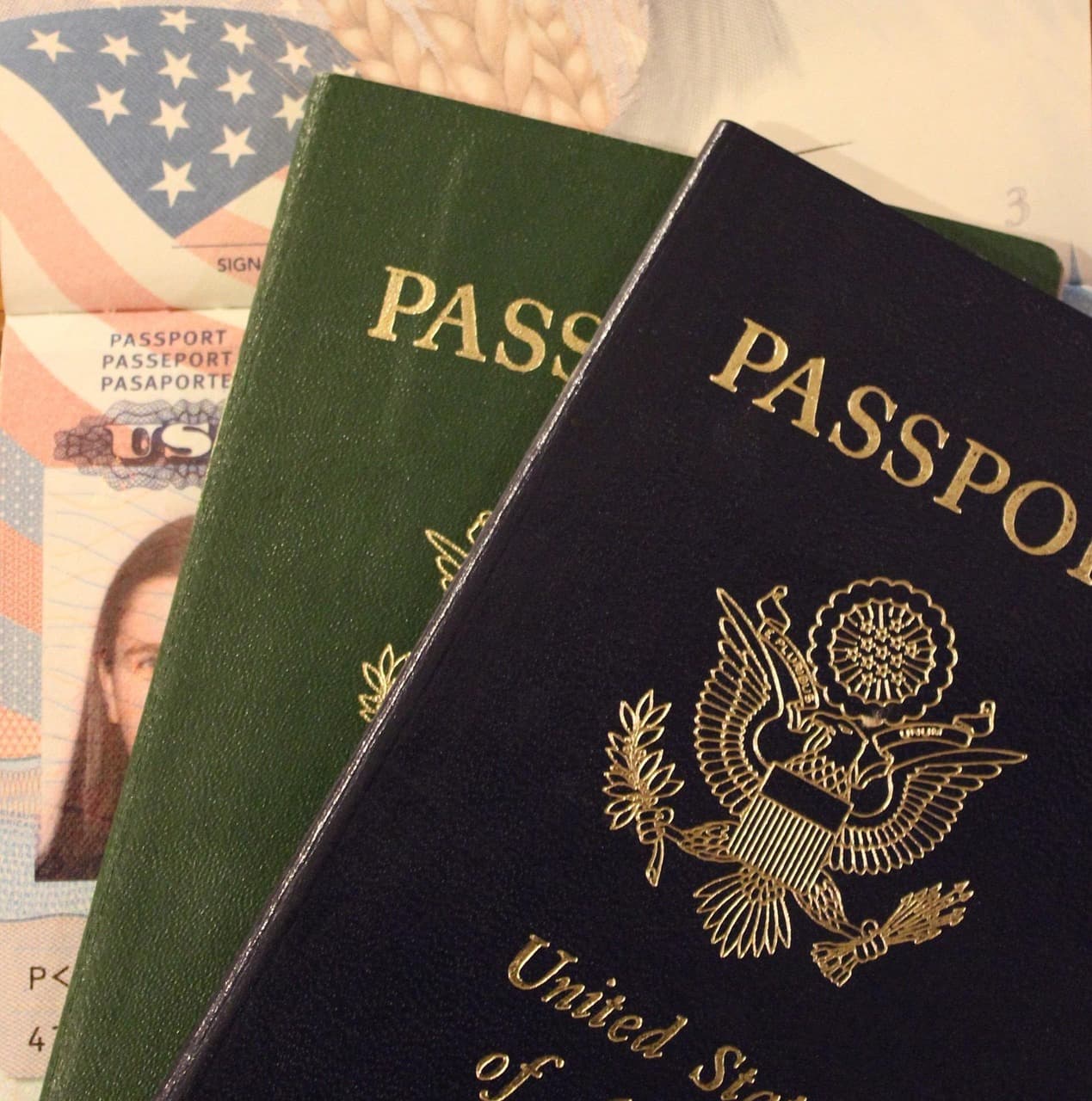
Vietnam Travel Tips 2026: How We Verified E-Visa, SIM, ATM and Transport Costs
This behind-the-guide article shows how we checked Vietnam travel tips for 2026. It covers e-visa fees and processing, SIM and eSIM prices, ATM limits, ride-hailing fares, Tet 2026, and the claims we removed. Use it to plan with current numbers and avoid outdated advice.

Vietnam Family Travel Tips 2026: Visas, Transport, Food Safety and Costs for Visiting with Kids
Practical 2026 guide for families visiting Vietnam with children: e-visa rules and fees for all ages, family-friendly transport and accommodation, food safety, health prep, realistic costs, and when to avoid crowds. Uses verified 2026 prices and policies, including e-visa fees, child flight fares, and hotel rates.

Vietnam Travel Tips 2026: Visa, Money, SIM, Transport, and Safety Essentials
This article gives international visitors practical, updated advice for traveling in Vietnam in 2026, covering visa rules, money handling, SIM cards, transport options, seasonal weather, and safety. It’s useful for planning a smooth, hassle-free trip and avoiding common pitfalls based on recent traveler reports and official sources.