Vietnam travel tips for wheelchair users: Hanoi, Da Nang, Hoi An route and costs for 2026
A practical 2026 accessibility plan for wheelchair users covering Vietnam's e-visa, Tet timing, airport assistance, adapted van hire, hotel checks, and a Hanoi to Hoi An route. Includes 2025-based prices for van, wheelchair rental, and attendant, plus which sites to verify for steps.

Trip plan
Day-by-day itinerary
Day 1
Arrive Hanoi and check hotel access
Land at Noi Bai with wheelchair assistance pre-requested 48 hours before departure. Transfer by prebooked adapted van to a 4-5-star international chain hotel. Before unpacking, check the step-free entrance, roll-in shower, and lift access.
Related reading
Keep exploring Vietnam
- 1
- 2
- 3
At a glance
- Best time
- Late January or April to May; avoid Tet from 17 February 2026
- How long
- Slow travel; give yourself buffer days in Hanoi and Hoi An
- Budget
- Adapted van US$50-90/day; wheelchair rental US$10-20/day; attendant US$20-30/day
- Getting there
- Fly into Noi Bai, Da Nang, or Tan Son Nhat; request wheelchair help 48 hours before
- Language
- Vietnamese; download offline Google Translate phrases
- Currency
- Vietnamese dong (VND); carry cash for accessibility deposits
Before you go: e-visa, dates, and insurance
For accessible Vietnam travel tips in 2026, start with the visa: the e-visa is valid for up to 90 days, costs US$25 for single entry or US$50 for multiple entry, and you do not need any disability notation. Apply through the official government portal before booking flights.
Get travel insurance that includes medical evacuation. Standard policies often exclude damage to mobility equipment and medical transport within Vietnam, so check those two clauses carefully. If a fall or van accident requires a hospital transfer, evacuation cover pays for a medically equipped ambulance or flight. Without it, the cost comes out of your pocket in dong or US dollars. Confirm with the insurer in writing that mobility aids are covered, either as personal effects or as medical equipment.
Plan around Tet, which begins 17 February 2026. Many restaurants, shops, and transport services close for about a week, and footpaths in Hanoi and Ho Chi Minh City become much more crowded with holiday foot traffic. Late January or April to May gives you normal opening hours and easier pavement conditions in the north and centre.
Before you fly, download the Google Translate offline pack for Vietnamese and save the phrases for wheelchair (xe lăn), ramp (đường dốc), and elevator (thang máy). The offline pack works without a local SIM, so you can show a written phrase to a driver or hotel clerk without speaking. Carry a printed copy of your e-visa, your passport photo page, and enough cash for accessibility deposits; some hotels and mobility equipment rental shops ask for a refundable cash hold in dong or US dollars. Keep these documents in a zip pouch with your passport, not in checked luggage. Ask your hotel in advance what form of deposit they accept, because some only hold cash at check-in.
Getting there and airport assistance
Getting there and airport assistance
Tan Son Nhat, Noi Bai, and Da Nang airports all have assistive services, but a key Vietnam travel tip for wheelchair users is to request assistance from your airline at least 48 hours before departure. This applies to both arrival and departure, and you do not need a special disability notation on your Vietnam e-visa.
After you land, go to the airport assistance desk before leaving the airside area. Ask staff to confirm your mobility aid is tagged for gate delivery rather than sent to baggage claim, which prevents long waits on the jet bridge. If you are connecting or transiting, repeat the request at each airport. Lift outages in train stations and airports are common, so call the airport desk or your airline a day in advance to confirm the lift and assistance are still available for your flight. If you change terminals or take an airport rail link, lift outages are more disruptive than inside the terminal, so confirm the route with the assistance team before leaving the airside area.
Do not plan to hail a standard taxi or Grab car from arrivals. These vehicles are not wheelchair accessible, and drivers often cannot fit a folded chair plus luggage. Instead, book an adapted van or minibus through a specialist tour operator before you land; daily rates run US$50-90 depending on city. Give the operator your flight number and arrival time, and ask the driver to meet you at the assistance desk or arrivals hall with a sign. Do not rely on ride-hailing apps to filter for wheelchair vehicles; they do not show an accessible option in Vietnam.
Before the trip, download the Google Translate offline pack for Vietnamese and save the words for 'wheelchair', 'ramp', and 'elevator'. Carry a copy of your visa, passport photo, and enough cash for any accessibility deposit when you meet the driver, as some operators require a cash deposit at pickup. This is the most reliable way to leave the airport without transferring to a car seat, and it avoids waiting on uneven kerbs with no ramp.

Getting around: adapted vans, taxis, and ride-hailing
Getting around: adapted vans, taxis, and ride-hailing
No formal ride-hailing wheelchair option is documented for Vietnam in 2026, and standard taxis and Grab cars are not wheelchair accessible. For Vietnam travel tips that reflect the actual ground transport situation, start with an adapted van or minibus booked through a specialist tour operator. Rates roughly US$50-90 per day vary by city, and the vehicle type changes what you get, so ask whether it has a ramp or a lift and whether it can secure your wheelchair.
Specialist operators like APACE Travel can quote current availability and confirm whether the van has step-free entry, a ramp, or a lift. When you email or call, give the wheelchair width and total occupied length, and ask for a photo of the interior setup. Ask where the lift or ramp is positioned and whether the rear or side door gives enough clearance for your wheelchair. Get a written quote that states the daily rate, included hours, and any extra fees for long distances or late returns before you pay.
For a foldable mobility aid, ride-hailing apps are useful only to confirm the vehicle boot space before booking, not for step-free entry. Open the app, select the car type, and message the driver to ask if the boot will hold your folded chair and luggage dimensions. If the driver says no, cancel and rebook; do not rely on the driver to help lift you into the seat.
For long distances, use a car or taxi rather than the footpath. Sidewalks in Hanoi and Ho Chi Minh City are uneven, broken in places, and crowded with parked motorbikes, so walking or rolling between districts is slow and risky. A pre-booked accessible van or a standard car with boot space for your chair is the safer choice for any trip over about one kilometre, especially in the rainy season when pavement surfaces become slick.
Cities and sights: where it is flatter
Da Nang and Hoi An are the flattest major bases in Vietnam for wheelchair users. Hanoi and Ho Chi Minh City punish long footpath pushes with uneven sidewalks and motorbike crowding. Choose your overnight city to reduce daily strain. For 2026 trips, a hotel in Da Nang or Hoi An gives you far easier access to flat riverfront and beach paths. A base in Hanoi's Old Quarter or Ho Chi Minh City's District 1 means more daily pushing.
Hoi An Old Town is flat along the main lanes, but many merchant houses have a step up from the street and further steps between rooms. Do not assume ramps or lifts exist at temples and historic sites; most older buildings in Vietnam have not been modified for wheelchair access. Verify each site individually before entering. Check the entrance from the street or call the venue a day in advance, because access changes quickly in older buildings.
Plan sightseeing by car or adapted van between points. In Hanoi and Ho Chi Minh City, broken footpaths and motorbike parking make wheeling long distances especially hard. Ask the driver to drop you as close as possible to each site. A hired car can wait while you check access at the door. Then it can move you to the next stop without a long push through crowded streets. This also works in Da Nang and Hoi An, though the flat terrain there is still more forgiving. Use the car for any route longer than one block; do not rely on the footpath to connect attractions.
Da Nang's free beach wheelchair program may still run in 2026, but you must confirm with your hotel or the tourist office. Do not plan your beach day assuming it is available. Ask again when you arrive.
Where to stay: hotels that work
Most 4-5-star international chains in Hanoi, Da Nang, and Ho Chi Minh City keep a small number of rooms designed for wheelchair users, but an accessible room label on a booking site is not enough. Email the hotel directly before you book and ask for two things in writing: a step-free route from the street or lobby to the room, and a roll-in shower, not just grab bars. Request photographs of the bathroom door width and the shower seat. These two details are the most common points where an accessible room fails in Vietnam.
Do not rely on booking site filters. They often mark a room as accessible when it has a wider door but no roll-in shower, or a ground-floor room that still has a two-step entrance. A simple email subject works: 'Wheelchair user, need step-free entrance and roll-in shower, please confirm with photos.' Most international chain staff in Hanoi, Da Nang, and Ho Chi Minh City answer within a day. If a hotel sends a generic list or hesitates, treat that as a no and move on.
Choose a ground-floor room or a room directly next to the lift. Lift outages are common in Vietnam, even in well-run hotels, and you do not want to depend on staff carrying you up stairs during a power cut or maintenance window. A ground-floor room near reception also makes early transfers easier, especially around Tet when lifts are crowded and some buildings operate with fewer staff.
Confirm the room type in writing and keep the email on your phone. When you arrive, ask the front desk to show you the room before you pay the balance. International chains around Hoan Kiem Lake in Hanoi, My Khe Beach in Da Nang, and District 1 in Ho Chi Minh City are the most reliable starting points, but the same rule applies everywhere. Vietnam travel tips for accessible hotel stays come down to one thing: get the photograph before you pay.
Costs and daily budget
For Vietnam travel tips on support costs, start with wheelchair rental: US$10-20 per day in major cities. Hanoi, Ho Chi Minh City, and Da Nang rental shops usually ask for a passport copy as a deposit, and small venues may want cash for accessibility holds. Carry enough Vietnamese dong for the rental plus a buffer before leaving your hotel.
Hiring an attendant for a day tour adds roughly US$20-30. A local attendant helps with temple steps, uneven curbs, and crossings, which are more frequent in Hanoi and Ho Chi Minh City than in flatter Da Nang or Hoi An. Book through your hotel or an accessible tour operator, and confirm the rate covers meals, transport, and any entrance fees where the attendant enters without a separate ticket.
Adapted van or minibus hire runs US$50-90 per day, varying by city. Standard taxis and Grab cars are not wheelchair-accessible, so this is the practical option for multi-stop sightseeing or airport transfers beyond the free airline assist. Reserve through an operator such as APACE Travel, specify your wheelchair width and weight, and ask about ramps or lifts. Request airline wheelchair assistance 48 hours before departure so the airport meet-and-greet connects to your van.
Prices quoted here come from 2025 operator data and should be re-validated with tour operators for 2026. Accessibility rates shift with fuel costs, supply of adapted vans, and the Tet closure period starting 17 February 2026. A day with both an adapted van and an attendant can reach US$70-120 before meals and entrance fees. Contact two or three operators with your dates and route, compare written quotes, and keep extra cash for deposits because some rental shops and small venues still prefer cash for accessibility-related holds.

Practical tips: verify, translate, and plan around Tet
Lift outages at train stations and airports in Vietnam are common enough that a call the day before your visit is the most reliable way to avoid getting stranded. This matters even more around Tet, which starts on 17 February 2026, when many services close for a week and pavements get crowded. Call the attraction, venue, or station directly, and ask about lift status, step-free entry, and accessible toilets. If nobody answers, have your hotel front desk call in Vietnamese.
Download the Google Translate offline pack for Vietnamese before you travel, and save phrases for wheelchair, ramp, and elevator. The Vietnamese terms are xe lăn, đường dốc, and thang máy. You can show these words on your phone or use the audio playback when a driver or staff member does not understand. Offline translation works without a SIM card, which helps at attractions with patchy data coverage.
For long distances across a city, use a car or taxi instead of the footpath, because Hanoi and Ho Chi Minh City pavements are uneven and often blocked by motorbikes. When you book a ride via Grab or a local taxi app, use the in-app chat to confirm that the boot has enough space for your mobility aid. Standard taxis and Grab cars are not wheelchair accessible, so if you need a ramp or lift, book an adapted van through a specialist operator at US$50-90 per day. Always confirm the boot dimensions in centimetres before the driver arrives.
Da Nang's accessible tourism program and free beach wheelchair service have appeared in past reports, but you should re-check them for 2026 before planning a beach day. Ask your hotel or a local tour operator whether beach wheelchairs are still available at My Khe Beach or other public beaches, and whether the accessible tourism program still operates. A phone call or email a few days ahead is safer than assuming the service is running. If it is not active, rent a wheelchair from a major city supplier at US$10-20 per day and arrange transport to the sand instead.
Frequently asked questions
Patchy. Hanoi and Ho Chi Minh City have uneven sidewalks and motorbike crowding. Da Nang and Hoi An are generally flatter. Many temples and historic houses have steps, so verify each site individually.
No formal ride-hailing wheelchair option is documented for 2026. Standard taxis and Grab cars are not wheelchair accessible. Book an adapted van through a specialist tour operator for US$50-90 per day.
No special disability notation is required. The standard Vietnam e-visa is valid for up to 90 days, US$25 single entry or US$50 multiple entry. Travel insurance with medical evacuation is strongly recommended.
Yes if possible. Tet begins 17 February 2026; many services close for a week and pavements become cramped. Travel late January or April to May for easier mobility.
Travel details change — opening hours, prices, and schedules can vary by season. Please verify current information on official websites before your visit.
Watch: related videos
Vietnam travel tips for wheelchair users: Hanoi, Da Nang, Hoi An route and costs for 2026 — Video by khanhhoangminh on Pexels
Vietnam travel tips for wheelchair users: Hanoi, Da Nang, Hoi An route and costs for 2026 — Video by Ian Gabaraev on Pexels · silent stock clip
Sources
- curbfreewithcorylee.com — Primary source
- apacetravel.com — From research brief
- reddit.com — From research brief
- vietnam.travel — From research brief
- tripadvisor.com — From research brief
Loading reviews…
About the author
Lê Minh Đức
Routes & Itineraries Editor
Minh Đức plans Vietpeep's itineraries, transport guides, and practical tips with a surveyor's care for distances, timings, and connections. He believes a route is only as good as its smallest detail — the last ferry, the right train class, the turn travelers miss.
All articles by Minh ĐứcRelated posts
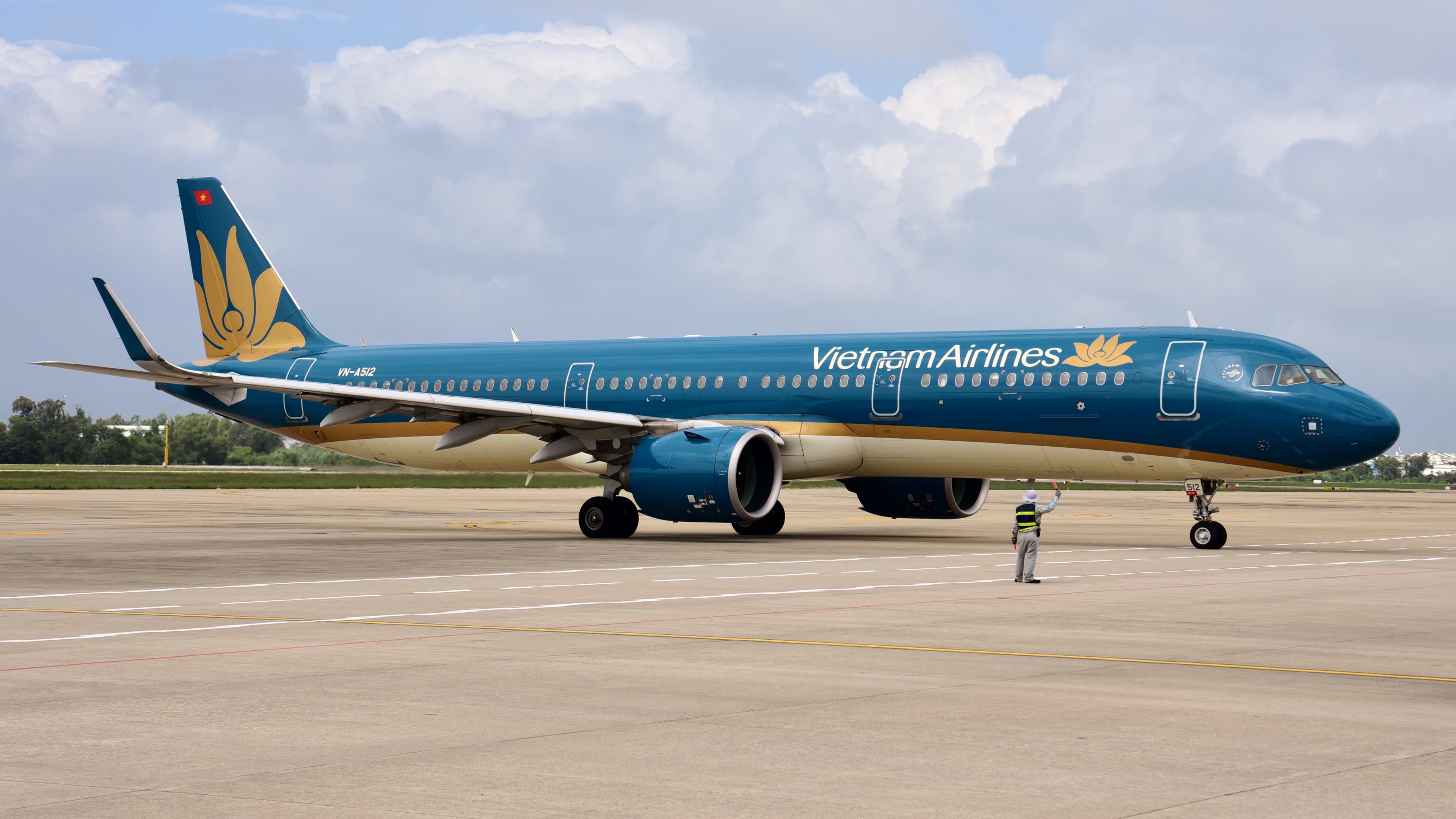
Vietnam Domestic Airfare Caps from October 2026: How New Ceiling Fares Affect Hanoi–Da Nang, HCMC–Nha Trang, and Other Tourist Routes
Vietnam will cap base fares on domestic economy flights from 1 October 2026, cutting peak prices on routes like Hanoi–Da Nang and HCMC–Nha Trang by 10–15%. This guide explains which airlines and tickets are covered, what fees remain outside the cap, and how international visitors can time bookings to pay less.

Vietnam travel cost for a 14-day north-to-south trip: Hanoi, Hoi An, and Ho Chi Minh City in 2026
This 14-day Vietnam travel cost plan prices a fixed north-to-south route from Hanoi to Hoi An/Da Nang to Ho Chi Minh City in 2026. It covers e-visa fees, daily hostel and food costs, sleeper buses, trains, one domestic flight, activities, solo and couple totals, and Tet booking warnings. Use it to compare shoestring, mid-range, and couple budgets before booking.

Central Vietnam in One Week: History, Beaches, and Local Life (Hue–Da Nang–Hoi An 2026)
This 7-day itinerary guides you through Central Vietnam’s highlights, blending imperial history in Hue, coastal relaxation in Da Nang, and hands-on experiences in Hoi An. Includes 2026 transport updates, entry rules, real costs, and practical tips for international travelers seeking a balanced route with minimal internal flights.