5-Day Ha Giang Loop Itinerary: Motorbiking Vietnam’s Northern Frontier
This five-day itinerary covers the Ha Giang Loop, a 350-kilometer circuit in northern Vietnam known for dramatic mountain scenery and ethnic minority villages. The route is best explored by motorbike, starting and ending in Ha Giang city, and passes through highlights like Dong Van, Meo Vac, and the Ma Pi Leng Pass. This guide includes practical details, daily activities, and key tips for international travelers.

Trip plan
Day-by-day itinerary
Day 1
Ha Giang City to Yen Minh
Pick up your motorbike and permit in Ha Giang city. Ride northeast through Tam Son and the Quan Ba Heaven Gate, stopping for mountain views and visits to local villages. Overnight in Yen Minh.
Related reading
Keep exploring Vietnam
- 1How to Ride the Ha Giang Loop by Motorbike: Essential Tips for International Travelers (2026)
Link from the 'Permits and Practical Tips' section for further motorbiking advice.
- 2Best time to visit Ha Giang: weather, roads, and scenic routes
Link from the 'When to Visit' section for detailed weather and timing info.
- 3A Practical Guide to Vietnam’s Ha Giang Loop: Riding the Northern Highlands
Link from the introduction or overview for travelers seeking a broader guide.
At a glance
- Best time
- September-November, March-May
- How long
- 5 days (350 km circuit)
- Budget
- 1,000,000–1,500,000 VND/day (motorbike, food, lodging)
- Getting there
- Bus from Hanoi to Ha Giang (7-8 hours)
- Language
- Vietnamese; limited English
- Currency
- Vietnamese Dong (VND)
Getting There and Around
Ha Giang city is the gateway to the loop. Most travelers reach Ha Giang by bus from Hanoi (7-8 hours, around 300,000-400,000 VND one way). Motorbikes can be rented in Ha Giang city for about 200,000-400,000 VND per day. An International Driving Permit (IDP) is strongly recommended. Guided tours are widely available for those less confident riding solo.

When to Visit
The best months are September-November (harvest season, clear skies) and March-May (mild temperatures, blooming flowers). Winter (December-February) can be cold and foggy, while summer (June-August) brings rain and slippery roads. Weather changes quickly in the mountains, so pack rain gear and warm layers.

Where to Stay and Eat
Accommodation ranges from basic homestays with local families (150,000-300,000 VND/night) to simple guesthouses (200,000-500,000 VND/night). Book ahead during peak months. Meals are typically local Vietnamese fare; vegetarian options may be limited. Cash is essential, as card payments are rare and ATMs are not always available.

Permits and Practical Tips
All foreigners must obtain a Ha Giang travel permit, available at the immigration office in Ha Giang city (about 230,000 VND, bring your passport). Road conditions can be rough and steep; guided tours are safer for less experienced riders. Respect local customs—ask before taking photos or entering homes. Download translation apps to help with communication.

Frequently asked questions
Yes, an International Driving Permit (IDP) with a motorbike endorsement is recommended. Police checks are possible, and riding without a valid license can result in fines.
The loop includes steep and rough sections. Novice riders should consider joining a guided tour or riding as a passenger ('easy rider' option).
Permits are issued at the immigration office in Ha Giang city. Bring your passport and expect to pay around 230,000 VND.
It’s possible to complete the loop in 3-4 days, but 5 days allows for a more relaxed pace and time to explore villages and markets.
Travel details change — opening hours, prices, and schedules can vary by season. Please verify current information on official websites before your visit.
Sources
- backpackerswanderlust.com — Primary source
- theblondeabroad.com — From research brief
- vietnamesebackpacker.com — From research brief
- nomadasaurus.com — From research brief
- hagiangtravel.com — From research brief
Loading reviews…
About the author
Lê Minh Đức
Routes & Itineraries Editor
Minh Đức plans Vietpeep's itineraries, transport guides, and practical tips with a surveyor's care for distances, timings, and connections. He believes a route is only as good as its smallest detail — the last ferry, the right train class, the turn travelers miss.
All articles by Minh ĐứcRelated posts

A Practical 4-Day Ha Giang Loop Motorbike Itinerary (2026 Update)
Plan a safe and memorable journey along the Ha Giang Loop in northern Vietnam with this updated 4-day itinerary for 2026. Covering permits, rentals, costs, and key sights, this guide helps international visitors navigate the region’s dramatic landscapes and ethnic villages by motorbike.
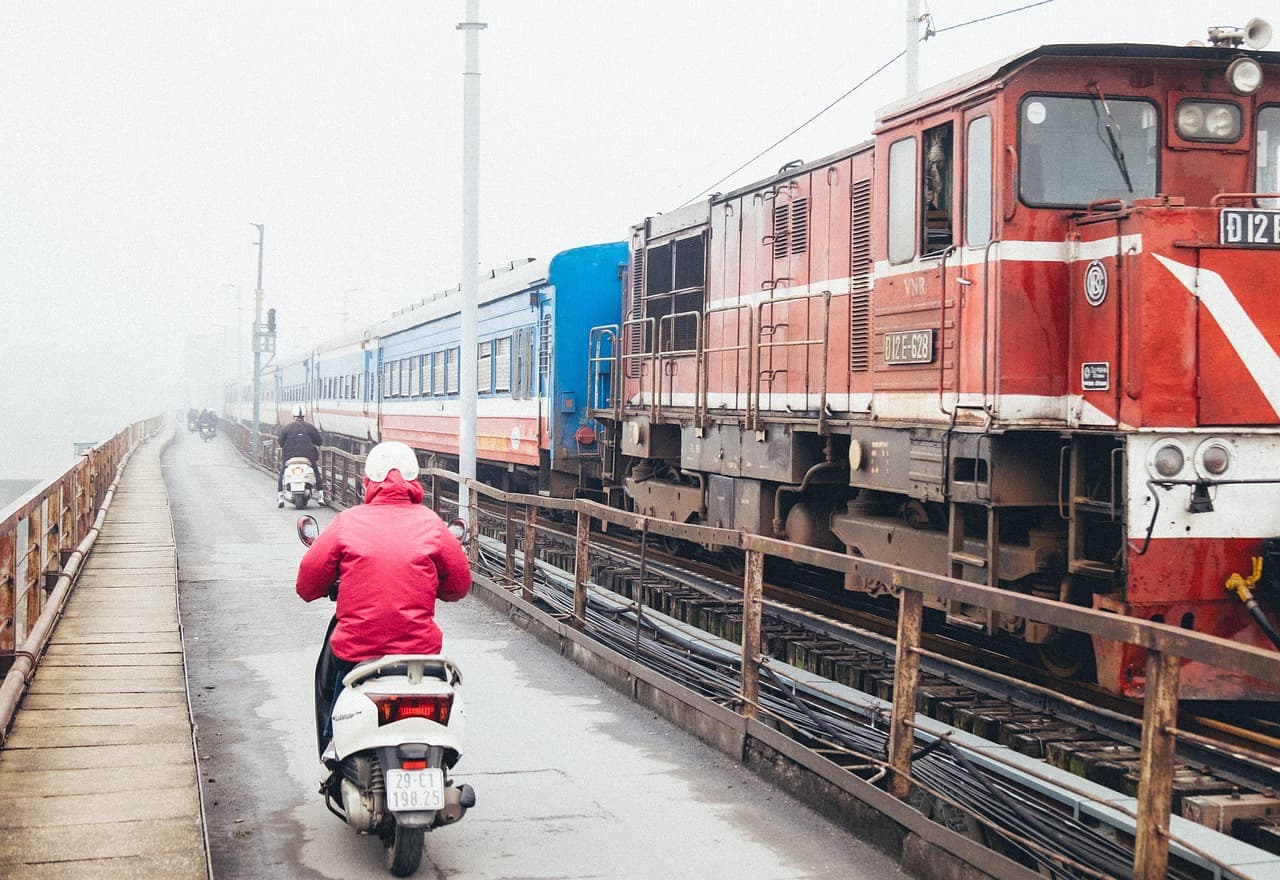
Vietnam trains and the northern loop: 9 days Hanoi, Sapa, Ha Giang, Cat Ba
This 9-day northern Vietnam loop uses Vietnam trains for the Hanoi to Lao Cai overnight leg, then buses and a ferry to link Sapa, Ha Giang, and Cat Ba without backtracking. It gives 2026 fares, booking channels, pacing, a daily itinerary, and a US$450 to 750 budget.

Ha Giang Loop by Car: 3 Day Itinerary, Driver Costs and Tips for Non-Riders
This guide covers the 350 km Ha Giang Loop by private car for travelers who skip the motorbike. It gives a 3 day itinerary from Ha Giang through Dong Van and Meo Vac, local driver hire costs, permit and weather rules, and the optional fourth day for a slower pace.