How to Ride the Ha Giang Loop by Motorbike: Essential Tips for International Travelers (2026)
The Ha Giang Loop in northern Vietnam is attracting more international visitors than ever, thanks to its striking mountain scenery and ethnic minority villages. With increased popularity, travelers should be aware of updated safety advice, transport options, and route changes for 2026.

Related reading
Keep exploring Vietnam
- 1Best time to visit Ha Giang: weather, roads, and scenic routes
Link from the Route Overview & Highlights section for season planning.
- 2A Practical Guide to the Ha Giang Loop: Vietnam’s Most Scenic Motorbike Route
Reference in the introduction or conclusion for further reading.
- 3Vietnam travel basics: payment, SIM cards, and getting around
Link from the Accommodation, Money & Local Tips section for practical travel advice.
At a glance
- Best time
- October to April
- How long
- 3-5 days
- Budget
- From $100 USD for guided tour
- Getting there
- Bus from Hanoi to Ha Giang (6-7 hours)
- Language
- Vietnamese; minority languages
- Currency
- Vietnamese Dong (VND)
Route Overview
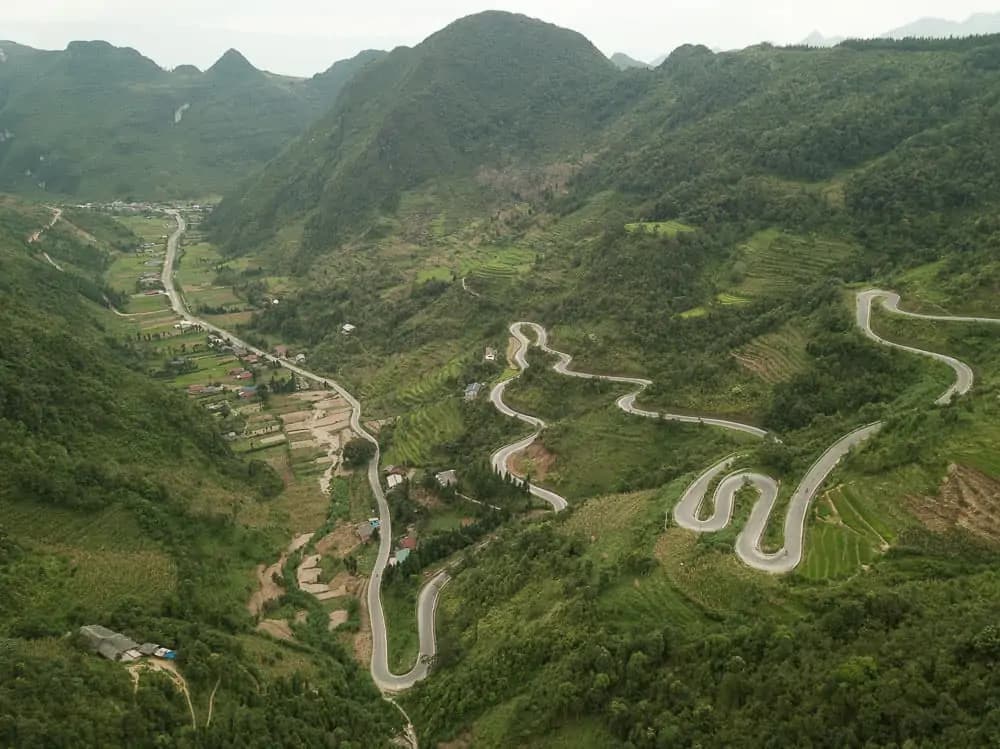
The Ha Giang Loop starts and ends in Ha Giang city, winding through Dong Van, Meo Vac, and several minority villages. The route covers approximately 350km, with steep climbs, sharp turns, and frequent changes in weather. Most travelers complete the loop in 3-5 days, but shorter sections are possible for those with limited time.

Transport and Safety Updates
Motorbike rental remains the most popular way to travel the loop. In 2026, local authorities require all foreign riders to have a valid international driving permit and recommend helmets meeting safety standards. New regulations have increased police presence on the route, and fines for unlicensed riding are more strictly enforced. Guided tours are available for those not comfortable riding solo, with prices starting around 2,500,000 VND (about $100 USD) for a 3-day package.
Accommodation and Facilities
Guesthouses and homestays are expanding along the loop, but rooms fill quickly during the dry season (October-April). Booking ahead is advised, especially in Dong Van and Meo Vac. Basic amenities are widely available, but some remote villages may have limited electricity and internet access.

Travel Tips for 2026
Check for current road conditions before departure, as landslides and construction can affect certain sections. Bring cash, as ATMs are rare outside Ha Giang city. Weather can change rapidly; pack rain gear and warm clothing. Respect local customs in minority villages, and ask permission before photographing people.

Frequently asked questions
Yes, in 2026 foreign travelers must have an international driving permit to rent and ride motorbikes legally on the loop.
Yes, guided tours by car or with a driver are available, and some operators offer minibus options.
ATMs are mostly found in Ha Giang city; bring enough cash for rural sections.
The loop is challenging for inexperienced riders due to steep roads and sharp turns; guided tours or riding with a driver are recommended for beginners.
Travel details change — opening hours, prices, and schedules can vary by season. Please verify current information on official websites before your visit.
Sources
- nomadasaurus.com — Primary source
- backpackershanoi.com — From research brief
- theblondeabroad.com — From research brief
- veryhungrynomads.com — From research brief
- vietnamcoracle.com — From research brief
Loading reviews…
About the author
Đặng Nhật Linh
Travel News & Money Editor
Nhật Linh curates Vietpeep's travel news and money guides — visa changes, transport updates, seasonal events, and how far your money goes. She writes for travelers who want current, practical answers without the fluff.
All articles by Nhật LinhRelated posts

Ha Giang Loop Safety and Police Checks: Vietnam Travel Tips 2026 for First-Timer Riders
The safest months for the Ha Giang Loop in 2026 are September to November and March to May. Avoid June to August for monsoon rain and landslides. Police checkpoints can fine 800,000 to 2 million VND for licence, helmet, or permit problems. This FAQ hub answers first-timer safety questions with 2026 costs, paperwork rules, and Vietnam travel tips.
Ha Giang Loop 2026: Vietnam Travel Tips for Permits, Easy Rider Costs, and Self-Drive Rules
This Ha Giang Loop 2026 guide gives first-timers the practical Vietnam travel tips they need: border permits, Hanoi-to-Ha Giang transport, 3-day costs, self-drive versus easy rider, police checks, and seasonal timing. It uses one set of prices and dates so you can budget and book without conflicting numbers.

Ha Giang Loop Practical Guide 2026: Costs, Permits, and Safety for International Travelers
Planning to ride the Ha Giang Loop in 2026? This guide covers essential details for international visitors, including when to go, how to get there, permit requirements, typical costs, and up-to-date safety tips. Get clear answers on what to expect, how to prepare, and what’s changed for 2026.