Ancient Temples and Waterfalls of Pu Luong: A 3-Day Exploration from Hanoi (2026)
This article provides a detailed 3-day itinerary for international travelers to explore Pu Luong Nature Reserve’s ancient temples, scenic waterfalls, and ethnic villages. It covers updated 2026 transport options, entry fees, costs, and practical tips for a smooth, authentic trip distinct from mainstream trekking routes.

Trip plan
Day-by-day itinerary
Day 1
Hanoi to Pu Luong & Pho Doan Temple
Depart Hanoi by direct shuttle or minivan to Ban Don village (4–5 hours). Check into a homestay or ecolodge, then visit Pho Doan Temple (entry 30,000–50,000 VND) for a quiet afternoon exploring local history and architecture.
Related reading
Keep exploring Vietnam
- 1
- 2
- 3
At a glance
- Best time
- Late May–early June and September–October
- How long
- 3 days recommended
- Budget
- 1,200,000–2,500,000 VND per person (excluding transport)
- Getting there
- Direct shuttle/minivan from Hanoi (4–5 hours)
- Language
- Vietnamese; limited English in villages
- Currency
- Vietnamese Dong (VND)
Getting to Pu Luong from Hanoi in 2026
Direct shuttle buses and minivans now make the 160-kilometer journey from Hanoi to Pu Luong Nature Reserve far more straightforward than in previous years. In 2026, daily departures from both My Dinh and Giap Bat bus stations connect travelers directly to Ban Don village, the main gateway to the reserve. These services typically leave in the early morning and mid-afternoon, taking between 4 and 5 hours depending on traffic and weather. Tickets can be purchased at the stations or reserved online through local operators, with fares averaging 250,000–350,000 VND per seat.
The road network between Hanoi and Pu Luong has seen significant upgrades, especially along the final stretch from Cam Thuy to Ban Don. As of 2026, smoother surfaces and better signage mean less jarring rides and fewer delays, making the trip more comfortable for those prone to motion sickness. Air-conditioned minivans are the most popular choice for small groups and solo travelers, while larger shuttle buses cater to those carrying more luggage or traveling in bigger parties.
For families or groups seeking privacy and flexibility, private car hire remains a practical option. Expect to pay around 2,000,000 to 2,500,000 VND per vehicle for a one-way transfer, including fuel and tolls. Most Hanoi-based travel agencies and hotels can arrange this service with a Vietnamese-speaking driver. There are currently no direct trains or flights to Pu Luong; all routes require overland travel, so advance planning is recommended, especially during weekends and peak rice season when demand spikes.

When to Visit: Rice Fields, Waterfalls, and Weather
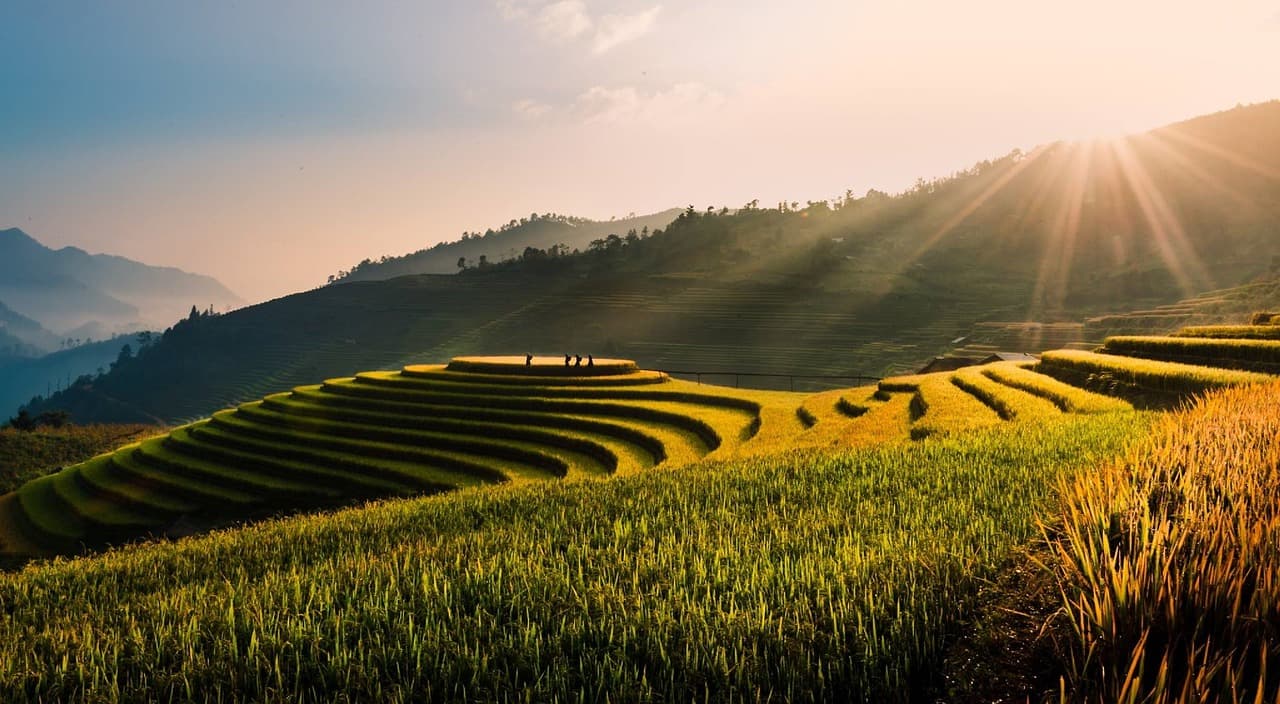
Late May to early June marks the rice planting season in Pu Luong Nature Reserve, when terraced fields around Ban Don, Kho Muong, and Hieu villages are a vivid green. Farmers transplant young rice, and the landscape is especially photogenic in the soft morning light. This period also coincides with milder temperatures (20–26°C), making it comfortable for half-day or full-day treks to ancient temples and waterfalls.
September and October bring the harvest season, transforming the hillsides into a patchwork of gold. The fields are at their most colorful, and local Thai and Muong communities are active in the paddies. Photographers and hikers will find the scenery at its most dramatic, especially near Hieu Waterfall and Pho Doan Temple. These months see moderate rainfall, but trails remain generally accessible, and the air is clear for panoramic views.
From November through April, the dry season offers the best trekking conditions. Waterfalls like Hieu and Kho Muong are easily reached, and leeches are minimal. Trails are firmer, and river crossings are safer, though the rice fields are less vibrant. Daytime temperatures range from 18–24°C, and humidity is lower, ideal for multi-day hikes between villages.
If you plan to visit during July and August, expect frequent showers and muddy paths. Some rural bridges may be closed, and trekking routes can become hazardous. While the waterfalls are at their fullest, the risk of slippery terrain means extra caution is needed. For most travelers, the shoulder and dry seasons offer the best balance of scenery and accessibility.
Temples and Waterfalls: What to See
Pho Doan Temple sits quietly in the heart of Pu Luong Nature Reserve, welcoming visitors daily from 7:00 to 18:00. This centuries-old temple, a focal point for local spiritual life, charges a modest entry fee of 30,000–50,000 VND per adult as of 2026. The temple is especially lively during local festivals, but even on regular days, you’ll find intricate wood carvings and incense-filled halls that reflect the region’s blend of Thai and Muong traditions. Modest dress is required, and it’s customary to remove your shoes before entering the main prayer hall.
A 30-minute drive from Ban Don village brings you to Hieu Waterfall, a multi-tiered cascade that’s become a favorite spot for swimming and riverside picnics. Entry is 30,000–50,000 VND, and the waterfall is open from early morning until 18:00. The pools at the base are safe for a dip, especially during the dry season when currents are gentle. Local families often set up bamboo mats along the banks, and simple snacks are available from nearby stalls.
Surrounding both the temple and the waterfall are ethnic Thai and Muong villages, where travelers can arrange homestays or join weaving and cooking workshops. Guided tours, bookable through village guesthouses or at Ban Don’s small visitor center, typically cost 300,000–500,000 VND per group. These tours offer context on animist rituals, rice cultivation, and the architecture of stilt houses, making them a worthwhile addition for those interested in the cultural fabric of Pu Luong.

Costs and Accommodation in 2026
A night in Pu Luong Nature Reserve typically costs between 400,000 and 1,000,000 VND for a mid-range ecolodge or homestay in 2026. The lower end of this range covers basic but comfortable stilt-house rooms, often run by Thai or Muong families in villages like Ban Don or Ban Hieu. These homestays usually include mosquito nets, hot showers, and sweeping views of terraced rice fields. For travelers seeking more privacy or amenities such as swimming pools and on-site dining, ecolodges like Pu Luong Retreat or Pu Luong Eco Garden charge closer to 1,000,000 VND per night for double rooms.
Meals are typically communal and cost 80,000–150,000 VND per person at local stilt houses. Dinners often feature sticky rice, grilled pork, wild vegetables, and sometimes home-brewed rice wine. If you’re staying in a homestay, breakfast is often included, but confirm this when booking. Independent restaurants are rare outside Ban Don, so most visitors eat where they sleep.
Guided trekking tours with English-speaking guides average 300,000–500,000 VND per day, depending on group size and route complexity. These tours can be arranged through your accommodation or at local travel desks in Ban Don. Fees usually cover guide services but not entry charges for waterfalls or temples, which add 30,000–50,000 VND per site.
ATMs are extremely limited in Pu Luong; the nearest reliable machines are in Canh Nang town, about 20 km from Ban Don. Bring enough cash for your stay, as most homestays, restaurants, and guides accept cash only and mobile payment coverage is unreliable.
Practical Tips for International Visitors
Mobile coverage in Pu Luong Nature Reserve drops out frequently once you leave the main villages, so it’s best to download offline maps and translation apps before you arrive. Google Maps and Maps.me both cover the region’s trails and villages, but updates can be slow—double-check routes with your accommodation or local guides.
When visiting ethnic Thai and Muong villages or ancient temples like Pho Doan, modest clothing is expected. Shorts and sleeveless tops are best avoided; lightweight long pants and shirts are recommended, especially if you plan to enter temples or join communal meals. Loud music is considered disrespectful in these communities, so keep devices on silent and use headphones if needed.
ATMs are rare in Pu Luong, and credit cards are only accepted at a handful of ecolodges. Bring enough cash (Vietnamese dong) to cover daily expenses, entry fees (30,000–50,000 VND per site), meals (80,000–150,000 VND), and transport. Small bills are appreciated in local markets and for tipping guides.
Weather in Pu Luong can change quickly, especially during the rainy season (July–August). Trails to waterfalls like Hieu can become muddy or impassable after heavy rain, and some rural bridges may close. Check forecasts before setting out, and ask your host about current trail conditions. Waterproof shoes and a light rain jacket are useful additions to your packing list.
Frequently asked questions
Advance booking is recommended, especially during harvest or planting seasons when demand is highest.
ATMs are very limited—bring enough cash for your entire stay.
Yes, most sites are accessible independently, but local guides offer valuable cultural and historical context.
Travel details change — opening hours, prices, and schedules can vary by season. Please verify current information on official websites before your visit.
Sources
- puluongnature.com — Primary source
- backpackersvietnam.com — From research brief
- nomadicnotes.com — From research brief
- vietnam.travel — From research brief
- puluongretreat.com — From research brief
Loading reviews…
About the author
Phạm Quốc Bảo
Cities & Events Editor
Quốc Bảo covers Vietnam's cities and their calendars — street life, night markets, festivals, and the people who keep traditions running. He edits with an ear for what actually happens on the ground rather than what the brochures promise.
All articles by Quốc BảoRelated posts

Mai Chau to Pu Luong Trekking: Distance, Routes, and Guide Costs for 2026
This 2026 trekking brief covers the 60–70 km overland route from Mai Chau to Pu Luong Nature Reserve, including 2–3 day itinerary, guide and homestay costs (600,000–900,000 VND/day; 150,000–300,000 VND/person/night), seasonal weather, and transport from Hanoi. Use it to plan a self-guided or homestay-supported trek through rice terraces and forest paths.

Duong Lam Village Day Trip from Hanoi: Transport, Etiquette, and Costs in 2026
This article gives practical guidance for planning a day trip from Hanoi to Duong Lam Ancient Village in 2026, covering transport options, entry fees, etiquette, and what to expect at key heritage sites. It’s ideal for travelers seeking a concrete, up-to-date overview for a self-guided or guided visit.
Trekking Pu Luong’s Hidden Valleys: An Independent 2026 Guide
This independent 2026 guide covers self-guided and locally guided treks through Pu Luong Nature Reserve’s rice terraces and rainforest: transport from Hanoi, seasonal timing, permit and guide rules, costs, homestays, and safety. It helps hikers avoid outdated blog information and plan a reliable trip with current fees and local contacts.