Bac Son Valley 2026: How to Visit Vietnam’s Green Patchwork Valley
This guide covers how to visit Bac Son Valley in 2026, including the best time to go, transport from Hanoi, entry fees, local costs, and practical tips for international travelers. It’s ideal for those seeking a scenic, less-crowded alternative to northern Vietnam’s popular routes.

Trip plan
Day-by-day itinerary
Day 1
Arrival and Valley Viewpoints
Arrive from Hanoi by bus or private car. Check into a local homestay, then hike or ride to Nà Lay Mountain for panoramic views of Bac Son’s rice fields and limestone peaks, especially stunning at sunset.
Related reading
Keep exploring Vietnam
- 1
- 2
- 3
At a glance
- Best time
- Late May–early June or late September–October
- How long
- 2–3 days
- Budget
- ~1,000,000–1,500,000 VND/day (all-inclusive)
- Getting there
- Direct bus from Hanoi (4–5 hours, ~220,000 VND)
- Language
- Vietnamese, Tay dialect; little English
- Currency
- Vietnamese Dong (VND)
When to Visit Bac Son Valley
Late May to early June and late September through October are the best windows for visiting Bac Son Valley if you want to see the landscape at its most vivid. During these periods, the rice paddies turn a rich golden color, creating a striking patchwork against the backdrop of limestone mountains. Clear skies and mild temperatures make hiking and photography especially rewarding. Local farmers harvest rice in these months, so you’ll also catch a glimpse of daily rural life in full swing.
Travelers should avoid the valley between January and March, when mist and unpredictable rain often obscure views and make trekking difficult. The weather can be chilly, and the fields are less colorful, so the scenery is not as impressive as during the harvest seasons. If your trip falls during the Tet holiday (late January to early February), be aware that some homestays and local services may close temporarily. It’s best to confirm accommodation and transport bookings well in advance during this period, as schedules can shift and availability drops.
Outside of these peak months, Bac Son Valley remains accessible year-round, but the scenery and comfort level vary. Always check the local forecast before planning outdoor activities, as sudden rain can make roads slippery and limit visibility from viewpoints like Nà Lay Mountain. If you’re aiming for the classic golden rice field photos, timing your visit to coincide with the late spring or early autumn harvests will deliver the best results.
Getting to Bac Son Valley from Hanoi
Direct buses from Hanoi’s My Dinh bus station remain the most straightforward way to reach Bac Son Valley in 2026. These buses depart twice daily, typically in the early morning and early afternoon, and cover the 160-kilometer journey in about 4 to 5 hours, depending on traffic and weather. A one-way ticket costs around 220,000 VND. Tickets can be purchased at the station or via Vietnamese bus booking platforms, but international travelers may find it easier to ask their accommodation in Hanoi to reserve seats in advance, especially during peak rice harvest seasons.
For those preferring more flexibility or traveling in a group, private car hire is widely available through Hanoi-based operators. Expect to pay from 2,200,000 VND for a one-way transfer in a standard sedan, with higher rates for larger vehicles or English-speaking drivers. This option allows for stops en route—such as at local markets or viewpoints—and a more comfortable ride, though prices can increase during weekends or holidays.
There is currently no train service to Bac Son Valley, and the nearest railway stations are far from the main valley itself. The roads leading to Bac Son are mostly paved and in reasonable condition, but sections can become slippery or muddy during the rainy season (May to September). Drivers should exercise caution, especially on mountain passes. Regardless of transport mode, travelers should bring snacks and water, as rest stops are basic and less frequent than on major tourist routes.
Entry Fees and Opening Hours
Bac Son Valley itself is accessible at any time of year, with no gates or barriers restricting entry—travelers can arrive and explore the valley’s scenic roads and fields 24 hours a day. However, the main panoramic viewpoint, Bac Son Viewpoint atop Nà Lay Mountain, operates with set hours and an entry fee. In 2026, access to the viewpoint is available daily from 6am to 6pm, and the fee is 50,000 VND per person, payable at the base before ascending the concrete steps to the summit. This spot offers the best vantage for photographers hoping to capture the valley’s iconic patchwork of rice paddies and limestone peaks, especially during sunrise or sunset.
For those interested in cultural experiences, guided tours of Tay ethnic villages—often organized through local homestays—carry an additional fee. These tours typically cost between 100,000 and 150,000 VND per group, depending on the itinerary and number of participants. Arrangements are made directly with hosts or local guides, usually upon arrival. These village visits may include traditional house tours, craft demonstrations, and introductions to local customs, but prices and availability can vary, particularly around holidays or during the rice harvest. No advance booking platforms exist for these tours, so flexibility and direct communication are important.
While there are no entrance fees for simply walking or cycling through the valley’s public areas, these viewpoint and village tour costs are the main expenses related to access. Travelers should carry sufficient cash, as card payment is rarely accepted and ATMs are limited in the area.
Where to Stay and Eat
Homestays are the most practical and atmospheric option for staying in Bac Son Valley, with nightly rates ranging from 300,000 to 500,000 VND per person, usually including a simple breakfast of sticky rice, fried eggs, or local noodles. Most homestays are family-run and located in Tay ethnic villages such as Quynh Son, where wooden stilt houses overlook rice fields and limestone peaks. Rooms are typically shared or private with thin mattresses on the floor, mosquito nets, and access to clean but basic shared bathrooms. Western amenities are limited, but Wi-Fi is available in most homestays within the main valley.
Meals are a highlight of the homestay experience. Expect home-cooked northern Vietnamese dishes—grilled pork, bamboo shoots, mountain vegetables, and rice wine—served family-style. Dinner is often the main meal, with prices between 70,000 and 120,000 VND per person. If you prefer to eat out, a handful of small eateries in Quynh Son and Bac Son town serve pho, fried rice, and local specialties at similar prices. Vegetarian options are available but should be requested in advance.
Note that some homestays close for the Tet holiday (late January to early February), so confirm bookings ahead of time if you’re traveling during this period. English is rarely spoken, so arranging communication in advance or using translation apps will make your stay smoother. Cash is the norm for payment, and ATMs are limited—bring enough for your stay.

What to Do in Bac Son Valley
Climbing Nà Lay Mountain is the signature activity in Bac Son Valley. The trailhead sits just outside Bac Son town, and a steep but well-marked stairway leads to the Bac Son Viewpoint at the summit. The 50,000 VND entry fee (collected from 6am to 6pm) grants access to sweeping views over the valley’s geometric rice fields, winding river, and limestone peaks. Early morning and late afternoon offer the best light for photography, though sunrise can be foggy depending on the season.
Exploring the valley by motorbike is a practical way to cover ground, with daily rentals available from local guesthouses and homestays for 150,000–200,000 VND. The main roads are paved, but some village lanes are gravel or dirt—especially after rain—so confident riding skills are helpful. For those who prefer not to drive, guided cycling or trekking tours (from 400,000 VND per person) are easily arranged through homestays or local operators. These tours typically include visits to rice paddies, bamboo forests, and lesser-known viewpoints.
A highlight of any trip to Bac Son is meeting the local Tay communities. Villages such as Quynh Son welcome visitors for homestays and cultural experiences. It’s common courtesy to ask before photographing people or entering homes, as customs are conservative and English is rarely spoken. Many homestays can arrange short village tours for 100,000–150,000 VND per group, which typically include a walk through stilt houses, local markets, and sometimes a chance to join in traditional activities like rice planting or weaving.
Practical Tips for International Visitors
English is rarely spoken in Bac Son Valley, even at homestays and local restaurants, so international visitors should download a reliable translation app such as Google Translate or bring a phrasebook. For those planning to explore more remote villages or arrange local tours, hiring a guide from Lang Son city or Hanoi who speaks both Vietnamese and English can make logistics and cultural interactions much smoother.
ATMs are limited in Bac Son Valley, and many homestays, eateries, and transport providers accept only cash. Bring enough Vietnamese dong (VND) to cover your accommodation, meals, transport, and any tours, with extra for emergencies. As of 2026, most homestays charge 300,000–500,000 VND per night, and guided tours or motorbike rentals require cash payment. The nearest reliable ATMs are in Lang Son city, about 80 km away, so plan to withdraw cash before leaving Hanoi or Lang Son.
Mobile signal is generally strong in the main valley and Bac Son town, but coverage drops in outlying villages and on hiking trails. Download offline maps of the region and save important contact numbers before arrival. If you plan to trek or cycle, let your host know your route and expected return time, especially during the rainy season when roads can become muddy or visibility is reduced by fog.
When visiting Tay villages, always ask before photographing people or their homes. Dress modestly, especially in smaller villages, and avoid loud or disruptive behavior. Simple gestures of respect—such as greeting elders and removing shoes before entering homes—are appreciated. These practices help ensure a positive experience for both visitors and the local community.

Frequently asked questions
Yes, but solo travelers should arrange accommodation and guides in advance, and prepare for limited English.
It’s possible but rushed; an overnight stay is recommended to enjoy the scenery and local culture.
ATMs are scarce and card payments are rare—bring enough cash for your trip.
Travel details change — opening hours, prices, and schedules can vary by season. Please verify current information on official websites before your visit.
Sources
- vietnamcoracle.com — Primary source
- backpackerswanderlust.com — From research brief
- luxtravelvietnam.com — From research brief
- vietnam.travel — From research brief
- localvietnam.com — From research brief
Loading reviews…
About the author
Phạm Quốc Bảo
Cities & Events Editor
Quốc Bảo covers Vietnam's cities and their calendars — street life, night markets, festivals, and the people who keep traditions running. He edits with an ear for what actually happens on the ground rather than what the brochures promise.
All articles by Quốc BảoRelated posts
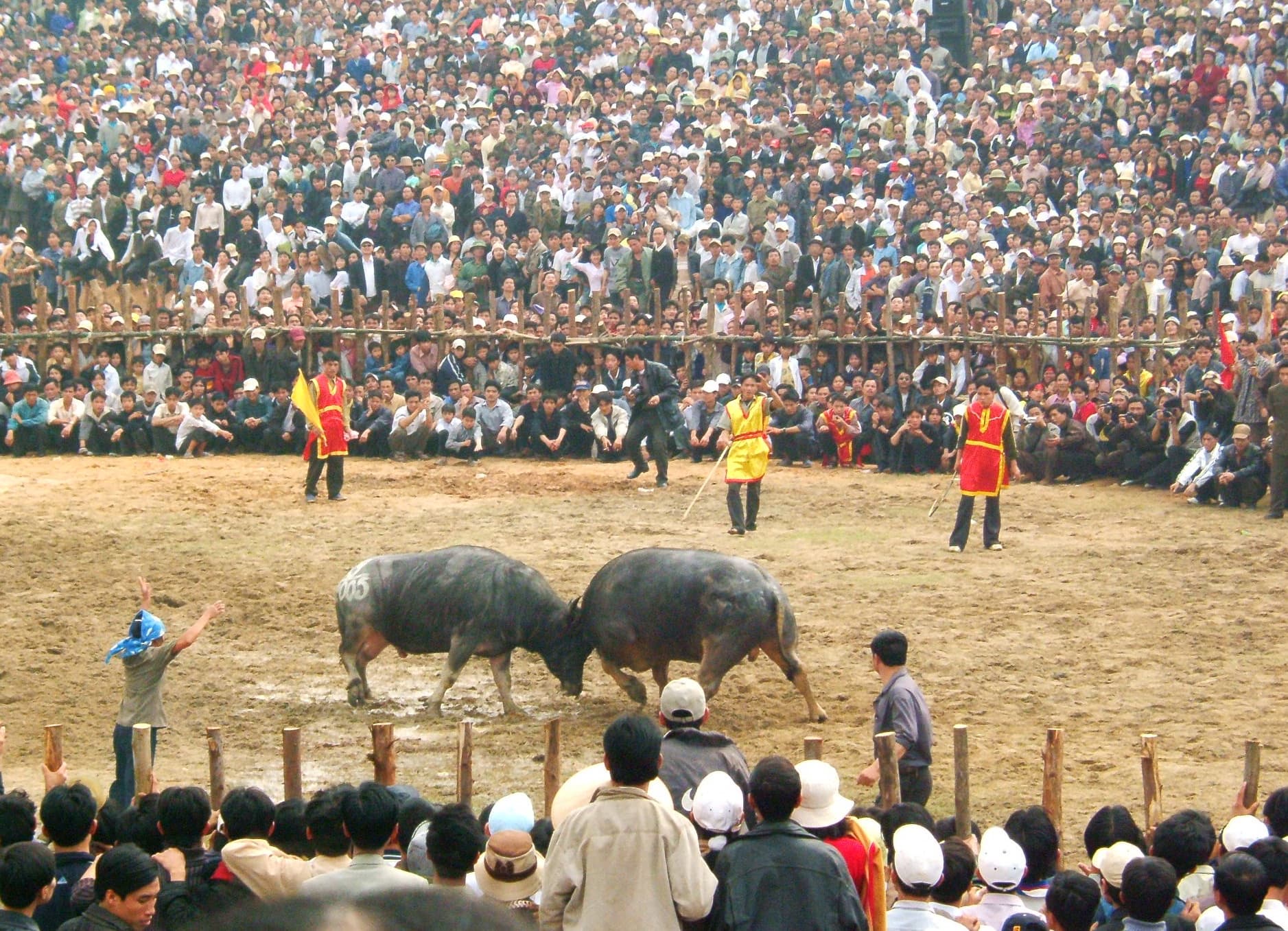
Do Son Buffalo Fighting Festival: Vietnam Festivals 2026 Dates, Tickets, and Visitor Tips
This practical 2026 guide to Do Son Buffalo Fighting Festival covers the date, ticket prices, transport from Hanoi, crowd timing, and animal-welfare context for international visitors planning to attend one of the most controversial Vietnam festivals in September 2026. It includes a day-of schedule and safety advice for the large crowd.

Sapa’s Muong Hoa Valley in Autumn: Off-the-Path Trekking Guide 2026
This 2026 guide details how to trek Sapa’s quieter Muong Hoa Valley in autumn, covering route logistics, eco-fees, transport, weather, fitness, and how to arrange local guides and village homestays. It’s ideal for hikers seeking authentic experiences beyond Sapa’s busiest trails.

Son Doong Cave Expeditions 2026–27: Vietnam Tour News on Permit Rules, Prices, and Booking
Oxalis Adventure has released 2026–27 Son Doong Cave expedition rules: 800 permits, 8-guest groups, US$3,250 per person, and a 30% deposit. This Vietnam tour news article covers the new booking system, e-visa and medical requirements, best months, and what the price excludes, so international visitors can plan confidently.