Bai Tram Beach on Hon Noi Island: Practical Guide for International Visitors 2026
This article provides up-to-date, practical advice for visiting Bai Tram Beach on Hon Noi Island, Phu Yen, including transport options, best season, water safety, accommodation prices, and conservation rules. It’s designed for international travelers planning a trip in 2026, with concrete details and tips for a smooth experience.

Related reading
Keep exploring Vietnam
- 1
- 2
- 3
At a glance
- Best time
- March-August
- How long
- 1-2 days (overnight limited; day trip popular)
- Budget
- 350,000-450,000 VND (boat); 900,000-1,800,000 VND/night (island); 400,000-2,500,000 VND/night (Tuy Hoa)
- Getting there
- Fly to Tuy Hoa Airport, taxi to Vung Ro Port, speedboat to Hon Noi
- Language
- Vietnamese; English spoken at some hotels/tour operators
- Currency
- Vietnamese Dong (VND); cash preferred on Hon Noi
Best Time to Visit Bai Tram Beach
March to August is the ideal window for a visit to Bai Tram Beach on Hon Noi Island, when the South-Central coast enjoys its most stable weather. During these months, sea conditions are typically calm, skies are reliably clear, and rainfall is at its lowest, making swimming and boat transfers both safer and more comfortable. Daytime temperatures hover between 27°C and 33°C, and the water stays warm enough for long swims and snorkeling sessions.
Travelers should avoid planning trips between September and November, when the region is prone to sudden storms and rough seas. Boat departures from Vung Ro Port are frequently canceled during this period, and swimming can become hazardous due to unpredictable currents and reduced visibility. Even if the weather appears to clear, conditions can change rapidly, and the island’s protected status means visitor numbers may be further restricted for safety.
The peak season falls between April and July, when both Vietnamese and international travelers flock to Phu Yen’s coast. During these months, daily visitor quotas for Hon Noi are reached quickly, and speedboat tickets can sell out weeks in advance. Early booking is essential for both transport and accommodation, especially if you plan to stay overnight in one of the island’s eco-bungalows or tented camps. For travelers seeking a quieter experience, aim for early March or late August, just before or after the main crowds, while still enjoying favorable weather.

Getting to Hon Noi Island
Direct flights from Ho Chi Minh City and Hanoi land daily at Tuy Hoa Airport, the main gateway for travelers heading to Hon Noi Island. Upon arrival, the most efficient route to Bai Tram Beach begins with a taxi or private car transfer from the airport to Vung Ro Port. The drive covers roughly 35 kilometers and takes about 45 minutes, with 2026 fares typically ranging from 300,000 to 500,000 VND depending on vehicle type and time of day. While ride-hailing apps have limited coverage in this area, most hotels and guesthouses in Tuy Hoa can arrange reliable transfers with local drivers.
From Vung Ro Port, speedboats to Hon Noi Island operate daily during the high season (March to August). Boats usually depart in the morning, with round-trip fares set between 350,000 and 450,000 VND per person for 2026. These boats are managed by licensed local operators, and the journey to Hon Noi takes about 25 minutes across calm waters. Due to strict conservation regulations, the island enforces a daily visitor cap, so it’s crucial to reserve your boat tickets well in advance, especially during weekends and Vietnamese public holidays.
Advance booking can be made through reputable local tour agencies or directly with boat operators—many offer online reservations and English-language support. Keep in mind that boat schedules may change with weather conditions, and trips can be canceled at short notice if seas are rough. Confirm all arrangements a day before departure, and bring cash for payment, as card facilities are unavailable at the port and on the island.
Water Safety and Beach Conditions
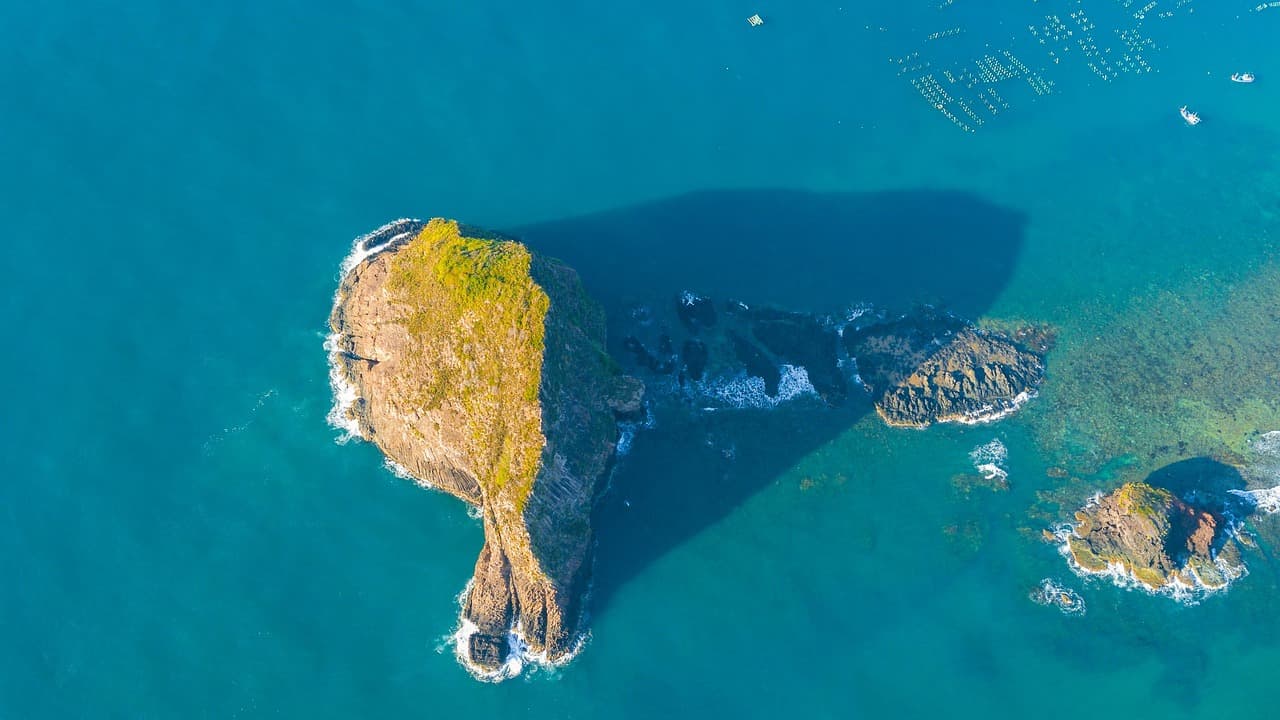
Bai Tram Beach’s swimming zones are clearly marked each season, with lifeguards on duty from March through August—the period when visitor numbers are highest and sea conditions are most predictable. These designated areas are chosen for their gentle waves and clear visibility, making them suitable for swimmers of all skill levels. However, the coastline includes rocky outcrops at both ends of the main beach, where strong undercurrents can develop unexpectedly. Local guides routinely advise travelers to avoid these sections, and warning signs are posted during the peak months.
While the waters are generally calm, it’s important to heed instructions from guides and lifeguards, especially if winds pick up or if the sea appears choppy. Swimmers should stay within the buoyed zones and avoid venturing out alone. Although jellyfish are rarely spotted at Bai Tram, stings can occasionally occur—packing a small bottle of vinegar or a travel-size sting treatment is a sensible precaution. Reef-safe sunscreen is recommended to protect both your skin and the island’s fragile marine environment, as conventional sunscreens can harm local coral and fish populations.
Facilities on the beach are basic, with no first-aid station or pharmacy; any medical needs are handled by staff from the eco-camps or by returning to the mainland. As tides and weather can shift quickly, always check with your accommodation or boat operator for up-to-date safety advice before swimming. If traveling with children, supervision is essential, as there are no dedicated play zones or shallow pools.
Accommodation Options and Prices
Overnight accommodation on Hon Noi Island is limited, with only a handful of eco-bungalows and tented camps available for visitors. These options typically cost between 900,000 and 1,800,000 VND per night in 2026, and rates generally include meals and guided island tours. The bungalows are simple but comfortable, designed to blend with the island’s natural setting. Tented camps offer a more rustic experience, often just steps from the sand. Because Hon Noi is a protected area with daily visitor caps, these stays fill up quickly during the March–August high season—advance booking is essential, especially for weekends and holidays.
For travelers who prefer more amenities or flexibility, Tuy Hoa city on the mainland is the practical base. Budget hotels in Tuy Hoa start from 400,000 VND per night, while boutique resorts and higher-end beachfront properties can reach up to 2,500,000 VND. Tuy Hoa offers a wider range of dining, ATM access, and transport connections, making it a convenient option for most visitors.
Given the limited facilities on Hon Noi and the unpredictable weather affecting boat schedules, many travelers opt for a day trip to Bai Tram Beach. This allows for a full day of swimming and exploring, with the comfort of returning to Tuy Hoa’s hotels in the evening. Regardless of where you stay, it’s wise to confirm all bookings in advance and check recent traveler reviews for up-to-date information on services and restrictions.
Conservation Rules and Practical Tips
Hon Noi Island operates under strict conservation rules, with daily visitor numbers capped to protect its fragile ecosystem. In 2026, access is limited to around 100 guests per day, and entry restrictions can change with little notice depending on environmental conditions or government policy. Before booking, check the latest updates with local operators or official tourism sites such as phuyentourism.gov.vn to avoid disappointment or unexpected closures.
Boat departures from Vung Ro Port are highly weather-dependent, especially outside the March–August peak season. Schedules may shift or be canceled due to rough seas or storm warnings, so confirm departure times on the morning of your trip and keep in touch with your boat operator. During high season, advance reservations are essential and often required for both boat tickets and island entry, given the daily cap and demand from both local and international travelers.
On Hon Noi, cash is the only accepted payment method. There are no ATMs or card facilities, and mobile payment coverage is unreliable. Bring enough Vietnamese dong for boat fares, meals, and any incidental purchases. For extra security, carry small denominations, as change may be limited. If staying overnight, clarify what is included in your accommodation package to avoid unexpected expenses. By planning ahead and checking current regulations, you can enjoy Bai Tram Beach without logistical surprises.
Frequently asked questions
Yes, but options are limited to eco-bungalows and tented camps (900,000-1,800,000 VND/night). Book early, especially in peak season.
Contact local operators in Tuy Hoa or Vung Ro Port; advance booking is essential due to daily visitor caps.
No, cash is preferred and ATMs are unavailable. Withdraw cash in Tuy Hoa before your trip.
Yes, in designated zones with lifeguards during peak months. Avoid rocky areas and follow local guides’ advice.
Sources
- nomadicnotes.com — Primary source
- thetravelbamboo.com — From research brief
- phuyenexplorer.com — From research brief
- vietnamislandtravel.com — From research brief
- phuyentourism.gov.vn — From research brief
Loading reviews…
Related posts
Bai Tu Long Bay Island Beaches: 2026 Transport, Stays, and Safety
This article covers Bai Tu Long Bay’s tranquil beaches and islands in 2026, including the best time to visit, updated transport routes, water safety tips, and current accommodation prices. It’s a practical guide for international visitors seeking a quieter alternative to Ha Long Bay, with concrete details for planning a smooth trip.

Tram Chim National Park Wetlands: Practical Guide for International Visitors (2026)
This article provides essential information for international travelers planning a visit to Tram Chim National Park in Dong Thap, Vietnam. It covers entry permits, guided boat tours, transport options, seasonal tips, safety, and nearby accommodation, helping visitors make the most of the park’s unique wetland and birdlife experience in 2026.

Bai Dai Beach, Phu Quoc: 2026 Visitor Guide for Transport, Stays, and Safety
This guide gives international travelers practical advice for visiting Bai Dai Beach on Phu Quoc Island in 2026, covering the best time to go, how to get there, water safety tips, and current accommodation options with prices. It highlights what makes Bai Dai different from other Phu Quoc beaches and addresses common concerns.