Con Dao Islands: A Practical Guide for International Visitors
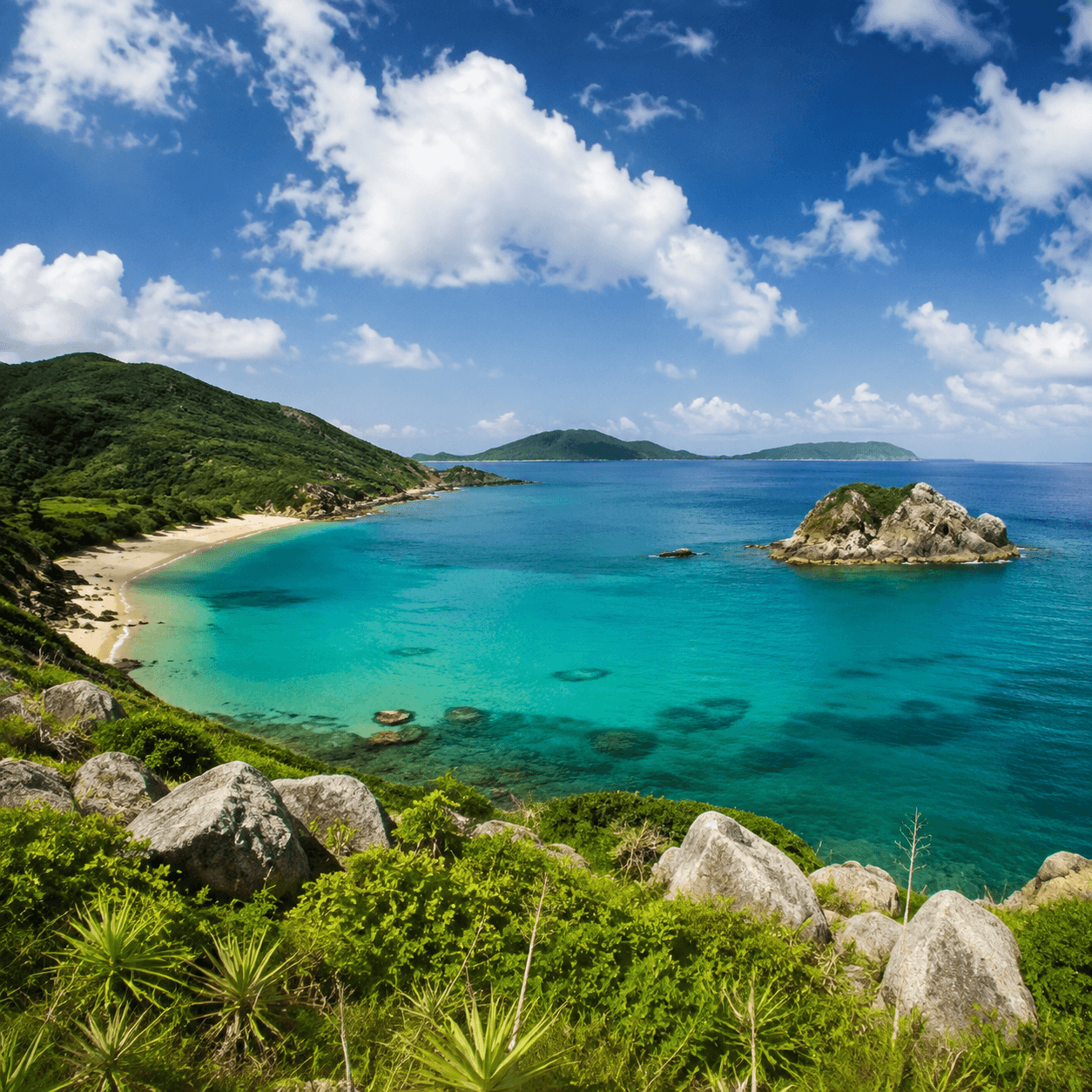
Located 230 km off Vietnam’s southern coast, the Con Dao Islands offer quiet beaches, unique wildlife, and historical sites. This guide covers how to get there, the best times to visit, what to do, and practical tips for travelers seeking a quieter, nature-focused alternative to Vietnam’s larger islands.
Related reading
Keep exploring Vietnam
- 1Vietnam travel basics: payment, SIM cards, and getting around
Link from the 'how to get there' section for practical travel logistics.
- 2Exploring Vietnam’s National Parks: Nature, Wildlife, and Adventure Guide
Link from the 'wildlife and nature' section for readers interested in protected areas.
- 3Smart Ways to Save on Accommodation in Vietnam: A Practical Guide
Link from the 'practical tips' or 'where to stay' section for accommodation advice.
At a glance
- Best time to visit
- March to September
- How long to stay
- 2-4 days
- Budget
- From $30/day (budget) to $300+/night (luxury)
- Getting there
- 1-hour flight from Ho Chi Minh City or Can Tho; 3-4 hour ferry from Vung Tau
- Language
- Vietnamese; limited English
- Currency
- Vietnamese Dong (VND)
Getting There
The easiest way to reach Con Dao is by direct flight from Ho Chi Minh City or Can Tho, with a flight time of about one hour. Vietnam Airlines and Bamboo Airways operate these routes. Alternatively, ferries run from Vung Tau to Con Dao, taking 3-4 hours depending on sea conditions. Ferry schedules can be disrupted by rough seas, especially outside the dry season, so check in advance. There is no international airport on the islands; all flights are domestic.
When to Visit
March to September is the best time to visit Con Dao, with calm seas and warm weather for swimming and snorkeling. The rainy season runs from May to October, but showers are usually brief. Turtle nesting season is May to September, with hatchlings released from July to December—this is a popular time, so book accommodation early. The islands are generally quieter than Vietnam’s main beach destinations year-round.

What to Do
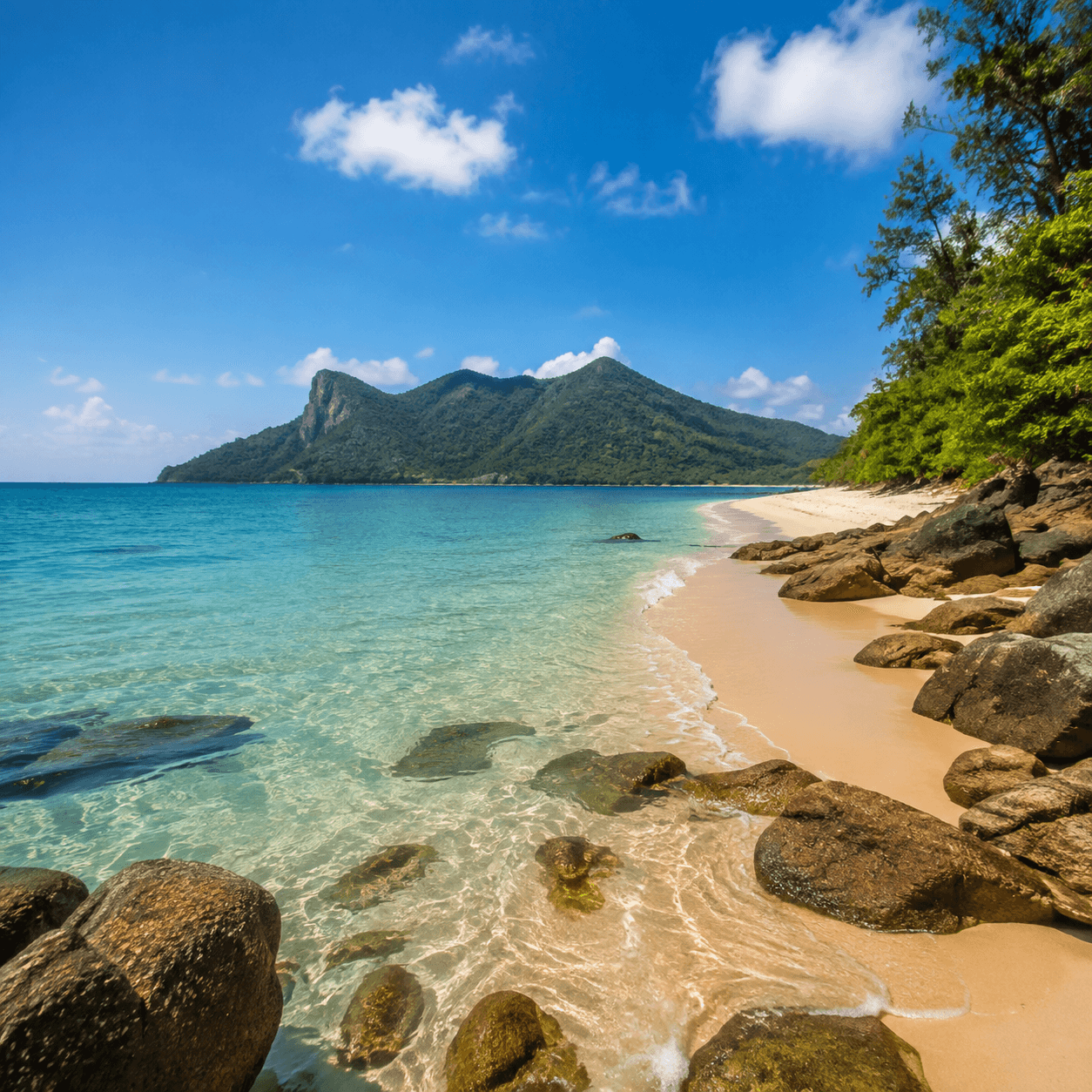
Con Dao’s main draws are its beaches, wildlife, and history. Dam Trau Beach and Bai Nhat are good for swimming and relaxing. Snorkeling and diving trips can be arranged locally, with coral reefs and occasional dugong sightings. The Con Dao National Park offers hiking trails and guided wildlife tours, including turtle nesting experiences. For history, visit the Con Dao Prison Museum and the French-era Tiger Cages. Nightlife is limited, but local seafood restaurants offer fresh catches.
Where to Stay and Eat
Most accommodations are on Con Son Island, ranging from budget guesthouses to the upscale Six Senses Con Dao resort. Options fill up quickly during turtle season and Vietnamese holidays, so booking ahead is advised. Dining is mostly casual, with seafood and Vietnamese dishes at local restaurants and simple beachside cafes. Western food is limited.
Practical Tips
Bring cash, as ATMs can be limited and some businesses do not accept cards. English is not widely spoken outside hotels and resorts, so basic Vietnamese phrases are useful. Respect conservation guidelines, especially during turtle nesting season. If traveling by ferry, check weather forecasts and schedules in advance. Internet access is generally reliable in town but can be patchy in remote areas.
Frequently asked questions
Yes. Turtle nesting season is May to September, with hatchlings released July to December. Guided tours are available through the national park.
There are a few ATMs on Con Son Island, but it’s best to bring enough cash for your stay, as machines can run out or be out of service.
Ferries from Vung Tau operate most of the year but are subject to cancellation in rough weather, especially outside the dry season. Flights are more reliable.
Con Dao is quiet and safe, with calm beaches, but has limited activities and facilities for children compared to larger resort islands.
Travel details change — opening hours, prices, and schedules can vary by season. Please verify current information on official websites before your visit.
Sources
- nomadicmatt.com — Primary source
- travelfish.org — From research brief
- southtravels.com — From research brief
- theblondeabroad.com — From research brief
- vietnam.travel — From research brief
Loading reviews…
About the author
Trần Thị Diệu Hằng
Culture & Coast Editor
Diệu Hằng edits Vietpeep's culture, heritage, and coastal coverage with a preference for clear, unhurried prose. She looks for the details that give a place its pace — temple bells, fish-drying racks, the quiet of an island morning — and cuts adjectives until they surface.
All articles by Thị Diệu HằngRelated posts

Sapa 2026: Trekking, Cable Car, and Hill Tribe Villages – Practical Guide for International Visitors
This 2026 Sapa guide covers the best months to visit, transport from Hanoi by train or bus, village entry fees, Fansipan cable car costs and hours, trekking and homestay prices, and practical cautions for altitude and weather. Use it to plan a 3-day trip without overspending or getting stuck in fog.

Cat Ba Island’s Hidden Beaches: Practical 2026 Guide for International Visitors
This guide covers how to reach Cat Ba Island’s lesser-known beaches, the best times to visit, entry fees, typical costs, and essential cautions for international travelers in 2026. It’s designed for those seeking quiet alternatives to Ha Long Bay, with up-to-date transport, accommodation, and safety details.

Red River Delta Village Festivals: Practical Guide for International Visitors 2026
This article gives international travelers practical, up-to-date guidance for experiencing village festivals in Vietnam’s Red River Delta in 2026. It covers festival schedules, etiquette, dress codes, entry fees, transport, and historical context, ensuring visitors can respectfully and enjoyably participate in these living cultural traditions.