Exploring Bánh Mì: Vietnam's Iconic Sandwich
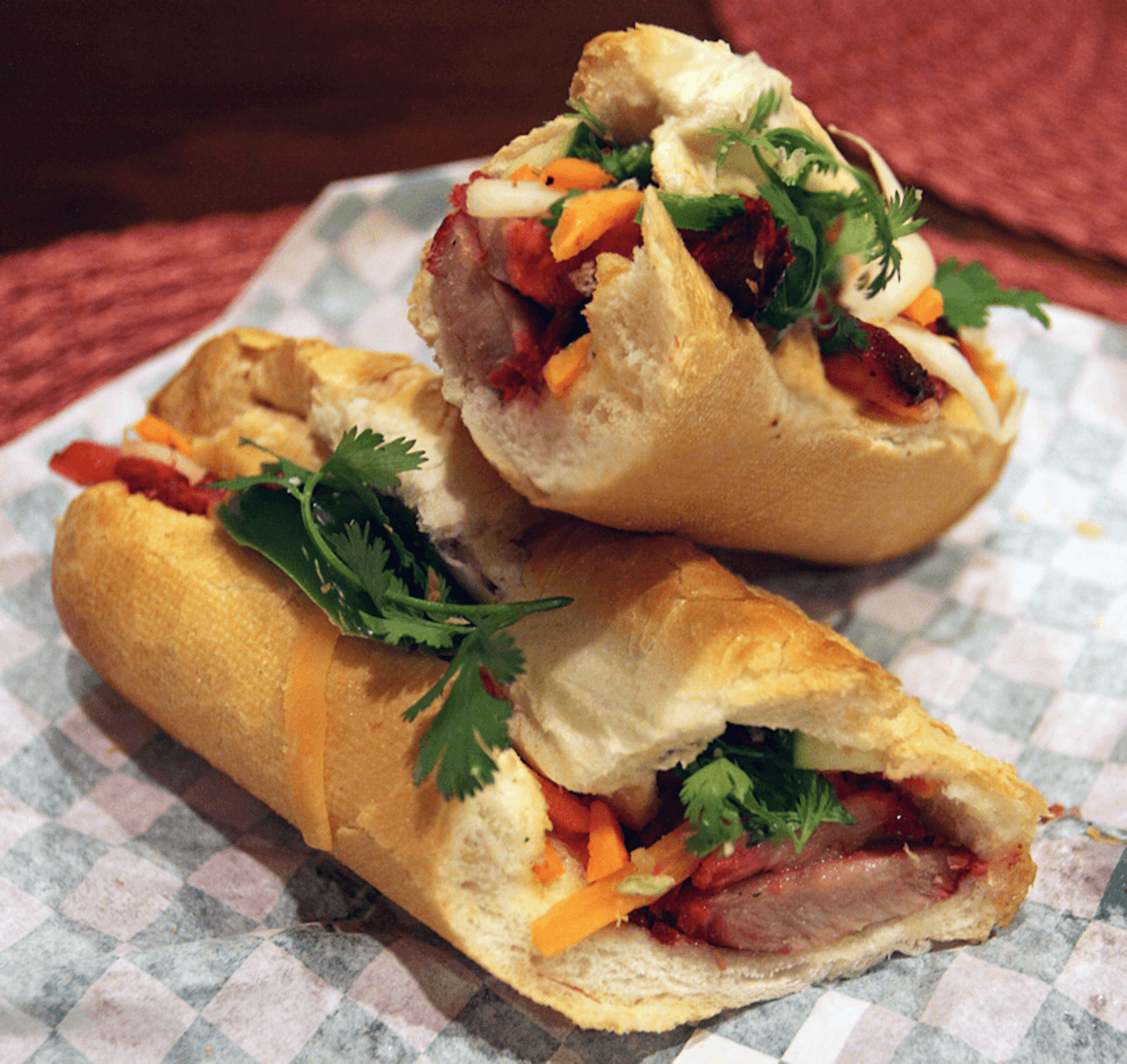
Bánh mì, a beloved Vietnamese sandwich, combines a crispy baguette with a variety of savory fillings. Originating in the 1950s, it has become a staple street food in Vietnam and is now enjoyed worldwide.
Related reading
Keep exploring Vietnam
- 1
- 2
- 3
At a glance
- Best Time
- November to April (dry season)
- How Long
- A quick meal or snack, typically enjoyed in under 30 minutes.
- Budget
- Around 20,000 to 50,000 VND ($1 to $2 USD) per sandwich.
- Getting There
- Available at street vendors and eateries across Vietnam.
- Language
- Vietnamese (English is commonly understood in tourist areas).
- Currency
- Vietnamese Dong (VND).
Getting There
Bánh mì can be found throughout Vietnam, especially in major cities like Ho Chi Minh City and Hanoi. You can easily find street vendors and local eateries serving this delicious sandwich.
When to Visit
Bánh mì is a popular snack enjoyed year-round. However, visiting during the dry season (November to April) may enhance your experience, as the weather is more pleasant for exploring street food.

What to Do
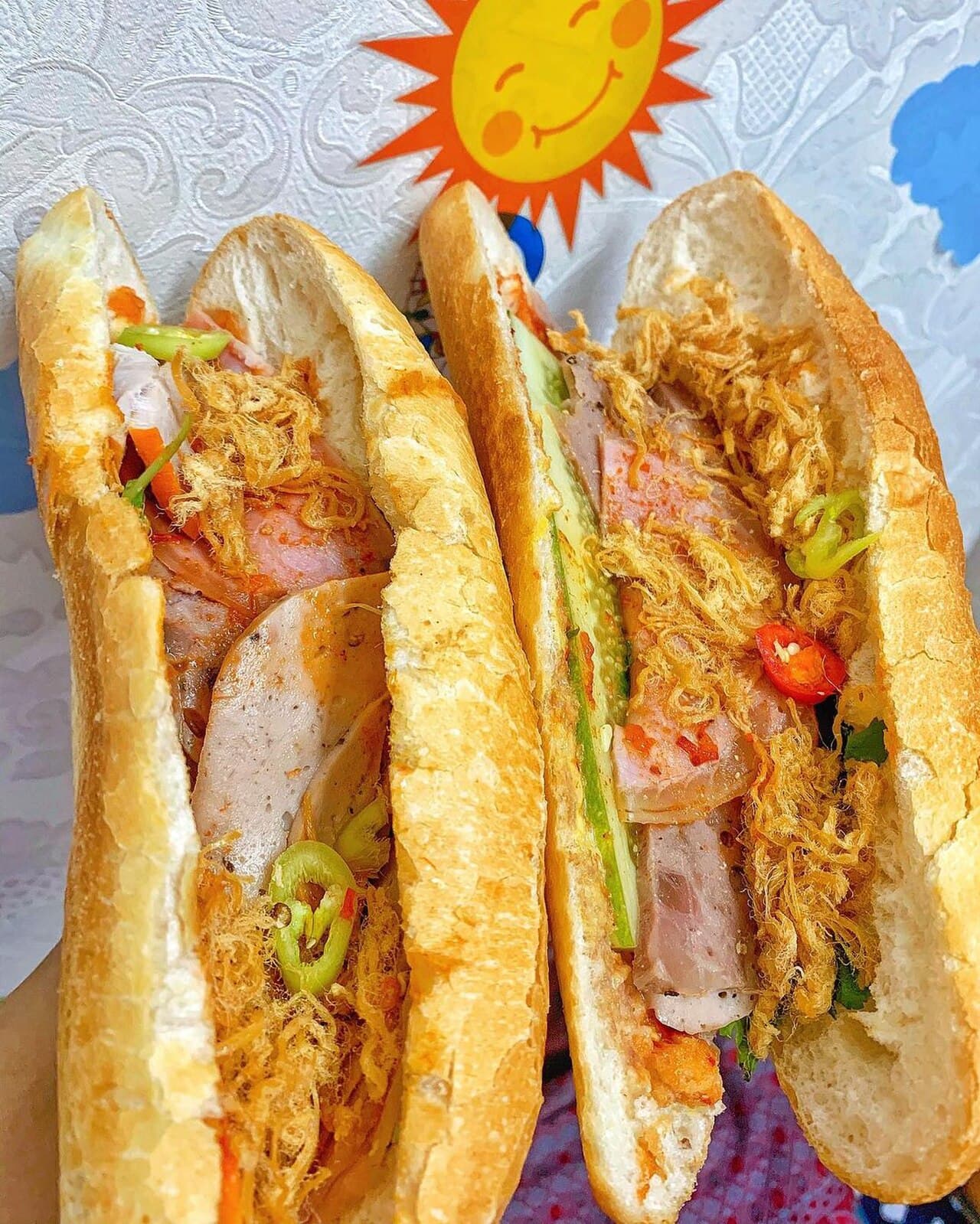
When in Vietnam, be sure to try various bánh mì fillings. Popular options include bánh mì thịt (meat), bánh mì chả lụa (Vietnamese sausage), and bánh mì xíu mại (minced pork). Each vendor may have their unique twist, so sampling from different places is highly recommended.
Where to Eat
Some renowned spots for bánh mì include: - Hòa Mã in Ho Chi Minh City, famous for its traditional bánh mì thịt. - Bánh Mì Phượng in Hội An, known for its diverse fillings. - Bánh Mì 37 in Hanoi, offering a unique twist on the classic.
Practical Tips
When ordering bánh mì, don’t hesitate to ask for extra toppings or to customize your sandwich. Most vendors are happy to accommodate your preferences. Also, be mindful of hygiene when eating from street vendors.
Frequently asked questions
The main ingredient is a Vietnamese baguette, which has a thin crust and airy texture.
Yes, many vendors offer vegetarian bánh mì, typically made with tofu or other plant-based fillings.
Bánh mì is typically served at room temperature, but some fillings, like grilled meats, can be warm.
Travel details change — opening hours, prices, and schedules can vary by season. Please verify current information on official websites before your visit.
Loading reviews…
About the author
Nguyễn Phương Anh
Food & Drink Editor
Phương Anh leads Vietpeep's food coverage — street stalls, family kitchens, and regional markets across all three regions of Vietnam. She edits every dish story for what travelers actually need: what it tastes like, what it costs, and which version is worth the detour.
All articles by Phương AnhRelated posts

Da Lat Night Market in 2026: Vietnamese food, bánh tráng nướng and a vegetarian crawl
This travelogue essay covers Da Lat Night Market in 2026, with exact stalls, Vietnamese food prices, and a vegetarian ordering plan. It follows a 6:30pm crawl on Nguyễn Thị Minh Khai Street, lists bánh tráng nướng, skewers, soy milk, and avocado ice cream costs, and gives hygiene, cash, and timing tips for international visitors.

Vietnam Culture Day 2026: Where to See UNESCO Memory of the World Documents in Hanoi, Hue and Hà Tĩnh
This explainer defines UNESCO's Memory of the World register, lists Vietnam's seven documentary inscriptions with their years, and shows where to see woodblocks, steles and imperial records in Hanoi, Hue, Bắc Giang and Hà Tĩnh. It covers 2026 entry fees, archive rules, etiquette and what visitors can expect on site.

Hanoi Bánh Cuốn 2026: Vietnamese Food Hanoi's Steamed Rice Rolls, Prices, Hygiene and Where to Eat
This 2026 Vietnamese food Hanoi guide covers bánh cuốn: what to order, current prices in VND and USD, hygiene checks, vegetarian options, and the most reliable addresses from the Old Quarter to Thanh Trì Village. It helps first-time eaters avoid tourist traps and order with confidence.