Hanoi, Hoi An and Ha Giang on $30–$45 a Day: Why Vietnam Is 'Worth Every Penny' in 2026
This 10-day budget plan covers Hanoi, Hoi An and the Ha Giang loop on $30–$45 a day, with exact prices for hostels, street food, visas, tickets and motorbikes. It explains transport, best months, permits and common scams so you can see why Vietnam remains worth every penny without guessing.

Trip plan
Day-by-day itinerary
Day 1
Arrive Hanoi
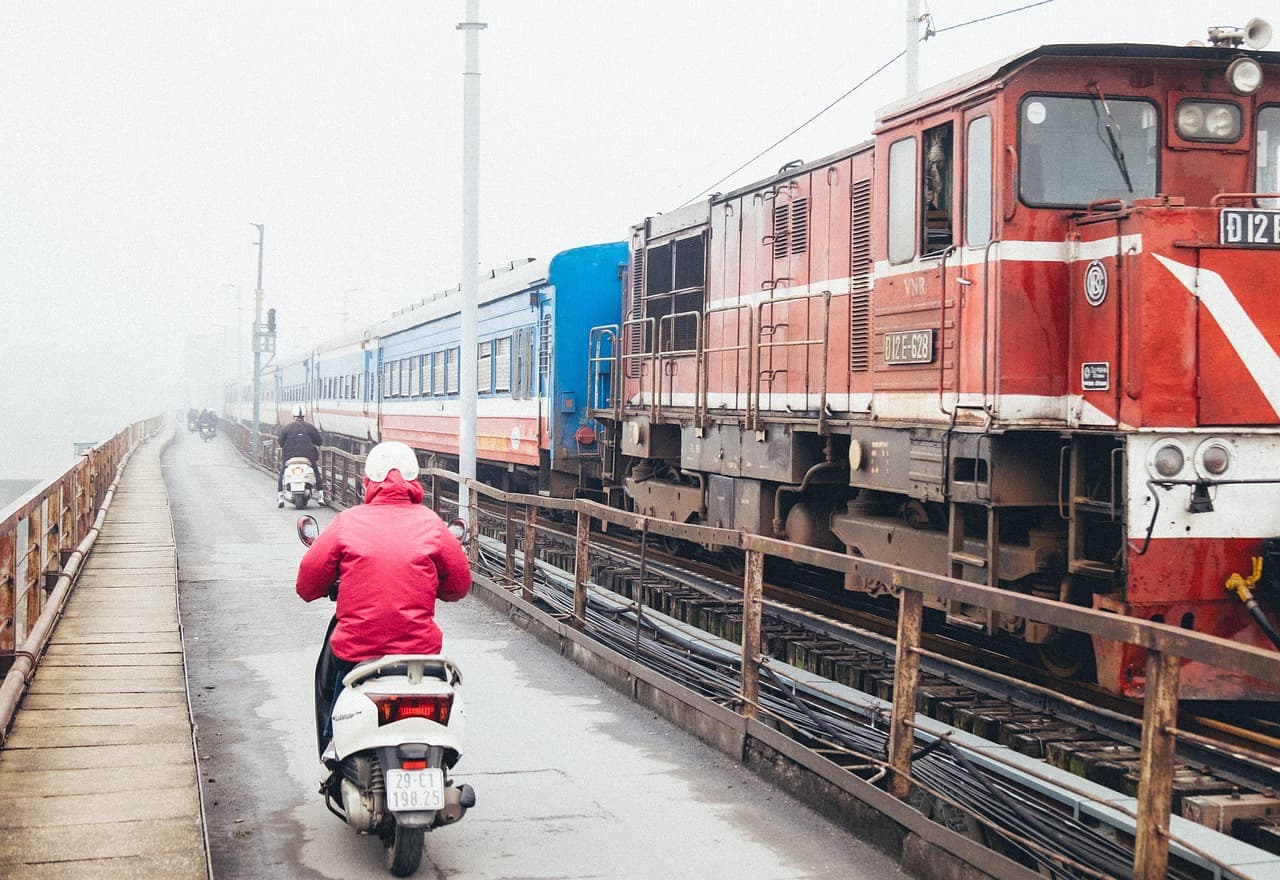
Land at Noi Bai International Airport (HAN) and take a bus or Grab to the Old Quarter. Check into a hostel ($8–$15) and eat your first street-food meal for $1.5–$3. In the evening, find a busy bun cha or pho stall and confirm the current Train Street access rules with locals.
Related reading
Keep exploring Vietnam
- 1
- 2
- 3
At a glance
- Best time
- Hanoi & Ha Giang: Sep–Nov and Mar–Apr; Hoi An: Feb–Apr
- How long
- 10 days / 9 nights
- Budget
- $30–$45 per person/day excluding intercity transport
- Getting there
- Fly into Hanoi Noi Bai (HAN); domestic flights/buses/trains
- Language
- Vietnamese; English common in tourist areas
- Currency
- Vietnamese dong (VND); e-visa $25–$50
Budget Your Trip: Why Vietnam Is 'Worth Every Penny' on $30–$45 a Day
A dorm bed in Hanoi or Hoi An still costs $8–$15 a night in 2026, and a bowl of pho or banh mi from a street stall runs $1.5–$3, which is exactly why a $30–$45 per person daily budget holds up here. Set that number as your planning baseline before intercity transport, then work it through the day: one $8–$15 hostel bed, three $1.5–$3 street food meals, a few small sightseeing tickets, local Grab rides, and you still have room for a bia hoi without stretching past $45 on a typical day. In Hanoi, that might mean spending 30,000 VND at the Temple of Literature and eating at a busy pho stall; in Hoi An, the old town's combined ticket is the main up-front cultural cost.
That Hoi An ticket is 150,000 VND (€6–$7) and covers five heritage attractions out of the twenty in the old town, so you won't need to pay separately at most temples and assembly halls on a short visit. Lantern Street and the riverfront remain free. Also fold the Vietnam e-visa into your first-day math: it runs $25–$50 depending on nationality and processing channel. On a $30–$45 daily budget, that's not trivial, but it's a one-time cost and still leaves the rest of the trip remarkably cheap. Confirm your exact fee on the official e-visa portal before locking in your first night.
Drinks and incidentals stay low enough to keep the daily total honest: local beer is $0.5–$1.5, Vietnamese coffee $1–$2.5, and market snacks rarely dent the plan. Carry small VND notes, because street vendors and bia hoi places often can't break a 500,000 VND note, and you'll use cash more than cards in Hoi An alleys and Ha Giang homestays. If you skip the intercity train or bus on any given day, $30–$45 is genuinely enough for a comfortable, well-fed, culturally full day in all three places.

Hanoi on the Ground: Sights and Street Food
Fly into Noi Bai International Airport (HAN), the northern hub, and base yourself in the Old Quarter, where hostel beds run $8–$15 per night. A two-day Hanoi stay works best if you split the central sights from the street-food crawl. Start early at Ba Dinh Square: the Ho Chi Minh Mausoleum is free, but it is closed Mondays and Fridays, so check opening days before visiting. Dress conservatively and leave bags at your hostel; the queue moves quickly before 9 a.m.
Then walk about 20 minutes south to the Temple of Literature. Entry is 30,000 VND, and you should budget that in cash, as the ticket window may not accept cards. The courtyards and stelae take an hour, and it is a calm contrast to the motorbike traffic outside. Train Street access rules changed in 2024–2026, and cafes on the tracks have been closed and reopened more than once; confirm with locals before you go rather than relying on old blog posts. If a guard waves you off, don't push it — there are plenty of other lanes nearby.
For food, the budget rule is simple: stick to busy street-food stalls with long queues for pho, bun cha and egg coffee. A bowl of pho or a plate of bun cha typically runs $1.5–$3 at a popular local stall, so two people can eat well all day for the price of one airport meal. Queues are a good sign of fresh ingredients and fast turnover. Try pho in the morning, bun cha at lunch, and egg coffee at a cafe on a quiet side street in the afternoon.
With a $30–$45 per person daily budget excluding intercity transport, Hanoi's central sights and street-food meals leave enough cash for a cyclo ride or a strong Vietnamese coffee before you head to Hoi An or Ha Giang.

Ha Giang Loop by Motorbike: Costs, Permits and Road Time
The Hanoi–Ha Giang bus takes 6–7 hours, so plan to arrive in Ha Giang City the evening before you intend to start the loop. An overnight stop lets you collect a rental motorbike or meet your easy-rider in daylight, check the weather, and leave early on day one. For self-drivers, keep two line items separate: motorbike rental runs $5–$8/day, and fuel adds another $2–$4. A loop rider should budget both from the start rather than treating fuel as a minor afterthought. Easy-rider packages cost more than the rental-plus-fuel figure and vary by route length and season; operators in Ha Giang City provide written quotes, so compare what is included before paying.
At Nà Hẩm checkpoint, every rider passes a compulsory military check. Carry your passport and a valid license within easy reach, because the stop can be slow and documents are checked. Vietnamese law requires foreign self-drivers to hold a valid International Driving Permit (IDP), and in practice that requirement is often challenged even when the permit is present. If your IDP situation isn't fully in order, the lower-stress option is to join a tour or ride pillion with an easy-rider, which removes the self-driving question at the checkpoint and shifts responsibility to the operator.
Ride defensively, wear a helmet, and never ride at night. The loop's sharp passes and occasional trucks, buses, dogs, and gravel patches leave little room for error, and night riding adds poor visibility to every variable. Pack waterproof layers even in dry season, because mountain weather shifts quickly and higher sections can turn cold. For a self-driver, the bike and fuel line items sit inside the wider $30–$45 per person daily budget excluding intercity transport, leaving room for a $8–$15 hostel bed and $1.5–$3 street food meals along the route.

Hoi An Old Town: Tickets, Lanterns and Why It's Worth Every Penny
Hoi An's Old Town is worth every penny, but the combined ticket costs 150,000 VND (€6–$7) and covers only 5 of 20 heritage attractions—so you can keep costs down by being selective. Buy it at official booths near the main entrances, not from touts, and skip it entirely on days when you only want to wander the streets and riverfront. With a total daily budget of $30–$45 per person, this ticket is one of the larger single expenses, so knowing what's free matters.
Lantern Street is free. Walk it after dark, when the silk lanterns are lit along the river and in the narrow alleys; there's no admission charge and no ticket required. February–April is Hoi An's best window for this—evenings are dry and mild, and you can stay out longer. Avoid May–August, when heat and heavy rain make night walks uncomfortable and can cut your time outdoors short.
Because the ticket covers 5 of 20 sites, pick the five heritage houses, assembly halls, or museums that genuinely interest you, then skip the rest. The official ticket booth lists all 20 options, so you can compare before buying. If your main interest is the lantern streets and a riverside dinner, skip the ticket entirely—those are free. That keeps the entry cost at zero instead of 150,000 VND. For the journey in, pack carry-on only—VietJet and Bamboo Airways charge extra for checked bags on flights to Da Nang, and those fees can erase any savings from a cheap fare. Use Grab for the 45-minute transfer from Da Nang airport and for trips around town; Grab's fixed pricing avoids taxi meter tampering, which still surfaces in Hoi An reports.

Getting Between Hanoi, Hoi An and Ha Giang Without Overspending
Noi Bai International Airport (HAN) is the main entry point for this 'Why Vietnam Is Worth Every Penny: A Budget Traveler's Guide to Hanoi, Hoi An, and Ha Giang.' For Hoi An, the most efficient budget route is to fly into Da Nang, then take a 45-minute taxi or airport shuttle south to the old town. VietJet and Bamboo Airways advertise low domestic base fares, but checked baggage fees can erase the saving, so carry-on only is the practical rule. At Da Nang airport, use the Grab app for the 45-minute transfer to Hoi An rather than hailing a taxi, since meter tampering is a known issue on this route. The Reunification Express train to Da Nang is the slower overland alternative; seat and sleeper prices vary sharply, so book 7 days ahead for the best deals, then add the same 45-minute road transfer to Hoi An.
Between Hanoi and Ha Giang, a public bus takes 6–7 hours to Ha Giang City, where most riders pick up their motorbikes and start the loop. Open-tour minivans run the same route with hotel pickups and drop-offs, usually at a small premium over the public bus. Whichever you choose, the 6–7 hours are a hard constraint—arriving mid-afternoon leaves no sensible time to begin the loop that day.
These intercity links sit outside the $30–$45 per person daily budget. Add them as a separate line before you leave: the Hanoi–Ha Giang bus, the Da Nang flight or train ticket, and the 45-minute Hoi An transfer are not covered by that figure. For the train leg, that means a sleeper berth booked 7 days ahead, not a last-minute seat. Booking the long legs a week out keeps the transport line predictable, which is what makes the overall trip stay within reach.

When to Visit: Choosing the Months That Make Vietnam Worth Every Penny
Hanoi and Ha Giang are best September–November and March–April, when temperatures stay mild and the mountain skies are clear. December–February brings cold and persistent fog to Ha Giang, which can make the loop a slow, low-visibility ride, and June–August means rain and a real risk of flooding on the loop roads. If you plan to rent a motorbike for $5–$8/day and spend $2–$4 on fuel, those shoulder-season windows are when the ride actually feels worth the money.
Hoi An follows a different calendar. February–April is the ideal stretch: warm but not yet the heavy heat, and before the rain settles in. May–August turns hot and rainy, and typhoon season peaks October–November, which can flood the old town streets and wash out beach time. The 45-minute transfer from Da Nang runs year-round, but the 150,000 VND (€6–$7) old town combined ticket is easier to use in February–April, when you can walk all five heritage stops without heat exhaustion cutting the day short.
Layering is not optional on the Ha Giang loop. Even in March–April, higher passes can be cold in the morning, and a waterproof jacket belongs in your bag from September through November. For Hoi An, pack sun protection for February–April: a hat, sunscreen, and a long-sleeve cover-up are the cheapest way to avoid ending a walking day early. Getting the season right is what makes Vietnam worth every penny on a $30–$45 daily budget.

Practical Cautions: Scams, Health and Road Safety
Grab and GrabBike are the default in Hanoi, Hoi An, and Da Nang, and they remove the most common taxi scam: meters that run fast or drivers who "forget" to turn them on. Set your route in Grab before entering any taxi so you have a benchmark fare. At market stalls and small eateries, double pricing still happens—ask the price and confirm the total before ordering, especially for seafood or fruit sold by weight. If a vendor hesitates or quotes only after you've committed, walk away.
For food and water, stick to bottled or filtered water, including ice made from purified water. Street food is generally safe and often the best value at $1.5–$3 per meal, but choose stalls where ingredients are cooked fresh in front of you and there is a queue of local customers. Long queues mean high turnover, so food hasn't been sitting out. Avoid raw vegetables and peeled fruit from questionable carts unless you can wash them yourself.
The Ha Giang loop demands defensive riding from the moment you leave Ha Giang City. Wear a proper helmet, keep your lights on, and never ride after dark—mountain roads have unlit corners, livestock, and trucks with unpredictable passing habits. Rain can trigger landslides, so check weather each day and carry a waterproof layer. If you're not confident on a manual motorbike, join an easy-rider tour or rent a semi-automatic; the road is not the place to learn.
Before booking anything non-refundable, verify your Vietnam e-visa fee and processing time on the official e-visa portal. Costs vary by nationality but generally run $25–$50, and processing timelines shift without notice. Do not rely on third-party sites that claim to expedite for a fee. Hours and prices for attractions change—confirm on the official website or with your accommodation before heading out.

Frequently asked questions
Vietnam law requires foreign self-drivers to hold an IDP, but enforcement is inconsistent. Many travelers avoid risk by joining a tour or hiring an easy-rider. Always carry your passport and license; there is a compulsory military check at Nà Hẩm.
The lantern street area is free. To enter most heritage sites you need a combined ticket costing 150,000 VND (€6–$7), which covers 5 of 20 attractions.
Around $30–$45 per person excluding transport between cities. This covers a hostel bed ($8–$15), street food meals ($1.5–$3), and basic transport.
Hanoi and Ha Giang are best September–November and March–April. Hoi An's best window is February–April. Avoid June–August for the Ha Giang loop and October–November for Hoi An typhoon risk.
Travel details change — opening hours, prices, and schedules can vary by season. Please verify current information on official websites before your visit.
Watch: related videos
Hanoi, Hoi An and Ha Giang on $30–$45 a Day: Why Vietnam Is 'Worth Every Penny' in 2026 — Video by khanhhoangminh on Pexels
Hanoi, Hoi An and Ha Giang on $30–$45 a Day: Why Vietnam Is 'Worth Every Penny' in 2026 — Video by MapKoi Travel on Pexels · silent stock clip
Sources
- vietnam.travel — Primary source
- vietnamcoracle.com — From research brief
- travelfish.org — From research brief
- nomadicmatt.com — From research brief
- e.vnexpress.net — From research brief
Loading reviews…
About the author
Phạm Quốc Bảo
Cities & Events Editor
Quốc Bảo covers Vietnam's cities and their calendars — street life, night markets, festivals, and the people who keep traditions running. He edits with an ear for what actually happens on the ground rather than what the brochures promise.
All articles by Quốc BảoRelated posts

Vietnam travel cost for a 14-day north-to-south trip: Hanoi, Hoi An, and Ho Chi Minh City in 2026
This 14-day Vietnam travel cost plan prices a fixed north-to-south route from Hanoi to Hoi An/Da Nang to Ho Chi Minh City in 2026. It covers e-visa fees, daily hostel and food costs, sleeper buses, trains, one domestic flight, activities, solo and couple totals, and Tet booking warnings. Use it to compare shoestring, mid-range, and couple budgets before booking.
Vietnam trains and the northern loop: 9 days Hanoi, Sapa, Ha Giang, Cat Ba
This 9-day northern Vietnam loop uses Vietnam trains for the Hanoi to Lao Cai overnight leg, then buses and a ferry to link Sapa, Ha Giang, and Cat Ba without backtracking. It gives 2026 fares, booking channels, pacing, a daily itinerary, and a US$450 to 750 budget.

Vietnam Travel Cost for Vegetarian Eaters: 2026 Meal Prices in Hanoi, Hoi An, and Ho Chi Minh City
A February-March 2026 survey of 60 vegetarian and vegan meals, 15 budget stays, and 10 intercity bus and train legs in Hanoi, Hoi An, and Ho Chi Minh City. It gives per-day food and total Vietnam travel costs, compares city prices, and explains what drives the bill beyond meals.