Vietnam Reunification Express: 12-Day Train Journey Essentials (2026)
This article details a practical 12-day itinerary for traveling Vietnam from Ho Chi Minh City to Hanoi by train in 2026, covering train schedules, ticketing, daily costs, entry rules, and local experiences at each major stop. Ideal for independent travelers seeking reliable, up-to-date info for a classic overland adventure.

Trip plan
Day-by-day itinerary
Day 1
Ho Chi Minh City Arrival
Arrive at Tan Son Nhat International Airport. Explore Ben Thanh Market, War Remnants Museum, and Nguyen Hue Walking Street. Overnight in a budget hotel.
Related reading
Keep exploring Vietnam
- 1
- 2
- 3
At a glance
- Best time
- February–April and September; avoid heavy rains in central Vietnam October–November.
- How long
- 12 days (classic South–North route by train)
- Budget
- $40–70/day (mid-range, including trains, meals, entry fees)
- Getting there
- Start at Tan Son Nhat International Airport (Ho Chi Minh City), end at Noi Bai International Airport (Hanoi)
- Language
- Vietnamese; English widely spoken at tourist sites
- Currency
- Vietnamese Dong (VND)
Planning Your Train Journey
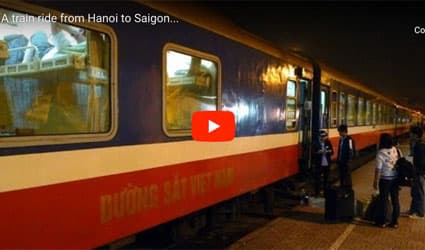
Booking tickets for the Reunification Express in 2026 is straightforward if you use official platforms like dsvn.vn (Vietnam Railways) or reputable aggregators such as Baolau. Both sites offer English interfaces and accept international cards. For the most popular routes—especially sleeper berths between Nha Trang, Da Nang, Hue, and Ninh Binh—reservations should be made two to three weeks in advance during peak travel months (May–August, December–January), as these trains can sell out quickly. The SE8 and SE4 trains are the main options for this south-to-north itinerary, but it’s wise to check for any schedule updates on the official sites before finalizing your plans, as departure times occasionally shift.
For comfort, opt for a 2nd class soft seat (about $28 USD in 2026) or a soft sleeper berth (around $35 USD). Both options include air conditioning, but luggage space is tight—soft bags or small suitcases fit more easily in overhead racks or under seats than hard-shell luggage. If you’re traveling with larger bags, be prepared to keep them close at hand, as there’s no dedicated baggage car.
Before arrival, most travelers can apply for a 30-day e-visa online for $25 (2026 rules). The process typically takes three business days, but it’s best to apply at least a week in advance. Having your visa and train bookings sorted before you land streamlines the journey and avoids last-minute stress, leaving you free to focus on the experience rather than logistics.

Major Stops and Local Experiences
Ben Thanh Market in Ho Chi Minh City opens daily from 7:00 to 19:00 and is a reliable place for sampling southern Vietnamese street food or picking up souvenirs. Just a 20-minute walk away, the War Remnants Museum (open 7:30–18:00, entry 40,000 VND) presents a sobering look at the country’s recent history through photographs and military equipment. In the evening, Nguyen Hue Walking Street fills with locals and travelers, especially on weekends when the avenue is closed to traffic and street performers set up.
In Nha Trang, Po Nagar Cham Towers (open 8:00–18:00, entry 30,000 VND) offer a glimpse into the region’s ancient Hindu heritage. A short taxi ride away, Thap Ba mud baths (open 7:00–18:00, mud bath packages from 200,000 VND) are popular for a midday break. When the sun sets, Tran Phu Street’s seafood stalls serve fresh shellfish and grilled fish; expect to pay 150,000–250,000 VND for a filling dinner.
Da Nang’s Dragon Bridge lights up with fire and water shows at 21:00 on weekends, drawing crowds to the Han River. My Khe Beach is a 10-minute taxi ride from the station and offers a wide, sandy stretch for swimming. From Da Nang, Hoi An Ancient Town is a 45-minute bus or taxi ride; its lantern-lit streets and riverside cafes are best explored on foot, with a 120,000 VND ticket covering entry to several historic houses and temples.
Hue’s Imperial Citadel (open 8:00–17:30, entry 200,000 VND) and Thien Mu Pagoda are both accessible by cyclo or taxi. The royal tombs of Khai Dinh and Minh Mang, located 8–12 km from the city center, can be reached by rented motorbike or organized tour, with combined entry fees of about 280,000 VND.
Ninh Binh’s Trang An boat caves (open 7:00–16:00, boat tours 250,000 VND/person) wind through limestone karsts and grottoes. Hang Mua viewpoint, a 500-step climb, rewards with panoramic views over rice paddies and the Tam Coc river. Many travelers stay in the Tam Coc area, where bicycle rentals cost about 70,000 VND per day.
In Hanoi, the Old Quarter’s maze of alleys is best explored on foot, with street food stalls and local shops at every turn. Hoan Kiem Lake sits at the city’s heart, a popular spot for morning walks. The Temple of Literature (open 8:00–17:00, entry 70,000 VND) showcases Confucian architecture, while Hoa Lo Prison (open 8:00–17:00, entry 50,000 VND) offers insight into French colonial and wartime history.

Train Schedules and Ticketing
Vietnam’s Reunification Express line connects Ho Chi Minh City and Hanoi with reliable daily service, but train times and ticket availability can vary, especially during peak travel months. For the Ho Chi Minh City to Nha Trang leg, the SE8 train departs at 6:00 and arrives at 13:50, making it a manageable 7-hour, 50-minute journey. Continuing north, the same SE8 service leaves Nha Trang at 8:39 and pulls into Da Nang at 20:09, with an 11.5-hour ride that covers some of the most scenic coastline in the country.
From Da Nang to Hue, the SE4 train is a popular choice for its mid-morning departure at 11:15 and 14:00 arrival, giving travelers 2 hours and 45 minutes to enjoy the views over the Hai Van Pass. For the longer overnight segment, the SE2 train departs Hue at 16:55 and arrives in Ninh Binh at 4:00 the next morning. Booking a sleeper berth for this 11-hour stretch is recommended for comfort and security.
The final train segment from Ninh Binh to Hanoi is straightforward, with several local trains running daily and journey times between 1.5 and 2 hours. Tickets for all these routes can be purchased directly from the official Vietnam Railways website (dsvn.vn) or through Baolau, both of which offer English interfaces and up-to-date schedules. It’s wise to book seats two to three weeks in advance during busy periods like May–August and December–January, as sleeper berths and soft seats on popular trains often sell out quickly. Always double-check departure times close to your travel date, as schedules can change with little notice.
Budget and Daily Costs
A typical daily travel budget for this south-to-north Vietnam train itinerary ranges from $40 to $70 in 2026, covering mid-range accommodation, meals, transport, and entry fees. Budget hotels in major stops such as Ho Chi Minh City, Nha Trang, and Hanoi charge $18–30 per night for a private room with air-conditioning and WiFi. These rates are consistent across most cities, though beach destinations like Nha Trang may edge toward the higher end during peak months.
Eating out remains affordable: street food stalls and markets serve filling portions of pho, banh mi, or com tam for $2–4 per meal, while sit-down local restaurants typically charge $6–10 for main dishes. Seafood dinners in Nha Trang or night market meals in Hue are similarly priced, letting travelers sample regional specialties without stretching the budget. Coffee, bottled water, and snacks add another $2–4 daily.
Train travel is the main transport expense, with soft seat or sleeper tickets between major cities (e.g., Ho Chi Minh City to Nha Trang, Nha Trang to Da Nang, Hue to Ninh Binh) costing $28–35 per leg if booked in advance. Local transport—such as buses, taxis, or Grab rides from stations to hotels—usually adds $2–6 per journey. Entry fees for museums, pagodas, and historical sites rarely exceed $2–4 each, making sightseeing accessible.
Optional activities like a cyclo tour in Hue ($8–12 for an hour) or bicycle rental in Ninh Binh ($3/day) offer affordable ways to explore at your own pace. Factoring in these typical expenses, travelers can expect a comfortable, flexible experience along the Reunification Express route without overspending.

Practical Tips and Entry Rules
Vietnam’s e-visa system remains the fastest entry option for most travelers in 2026. Applications are processed online at the official government portal, with a single-entry 30-day visa costing $25. Most nationalities are eligible, and processing typically takes three working days, though it’s wise to allow a week in case of delays. Print your approval letter to present on arrival at Tan Son Nhat or Noi Bai airports, or at major land borders.
For the Reunification Express, soft-sided luggage is strongly recommended. Overhead racks and under-seat space on Vietnamese trains are limited, especially in second-class and sleeper compartments. A 50-liter backpack or duffel bag fits more easily than a hard suitcase and is less hassle when boarding or moving between carriages. Keep valuables in a small daypack as compartments are not always lockable.
Weather planning is crucial for the central coast. Da Nang and Hue can experience heavy rain and occasional flooding from late October through November. If you’re traveling during these months, monitor forecasts and consider adjusting your itinerary—some train services may be delayed and outdoor sightseeing can be disrupted.
Sleeper berths on popular routes, particularly between Hue, Da Nang, and Ninh Binh, often sell out weeks in advance during peak travel periods (May–August, December–January). Booking tickets at least two to three weeks ahead via dsvn.vn or Baolau increases your chances of securing a preferred berth. For onward travel after Hanoi or Ho Chi Minh City, check for new direct flights in 2026, as routes and schedules are regularly updated—Vietnam Airlines and Bamboo Airways frequently add connections to regional destinations.
Frequently asked questions
Book 2–3 weeks ahead for sleeper trains, especially during peak months (May–August, December–January).
Basic meals ($2–3) are sold onboard, but quality varies; bring snacks for longer journeys.
Yes, most nationalities can apply for a 30-day e-visa online for $25.
Yes, but use soft bags for easier storage; keep valuables with you.
Travel details change — opening hours, prices, and schedules can vary by season. Please verify current information on official websites before your visit.
Sources
- seat61.com — Primary source
- nomadicmatt.com — From research brief
- dsvn.vn — From research brief
- thewanderingquinn.com — From research brief
- baolau.com — From research brief
Loading reviews…
About the author
Lê Minh Đức
Routes & Itineraries Editor
Minh Đức plans Vietpeep's itineraries, transport guides, and practical tips with a surveyor's care for distances, timings, and connections. He believes a route is only as good as its smallest detail — the last ferry, the right train class, the turn travelers miss.
All articles by Minh ĐứcRelated posts

Hanoi to Ho Chi Minh City Vietnam itinerary: Reunification Express vs sleeper bus vs flight in 2026
This 2026 comparison covers the Vietnam itinerary between Hanoi and Ho Chi Minh City by Reunification Express train, sleeper bus, and domestic flight. It scores each option on cost, time, comfort, scenery, luggage, and reliability, then recommends the best choice for backpackers, slow travelers, families, and time-poor visitors.

Vietnam Travel News: Reunification Express Adds Extra Carriages for September 2 National Day Holiday
Vietnam Railways is adding extra carriages for the September 2, 2026 National Day holiday rush on the Reunification Express. This article explains what is confirmed, which routes are likely affected, how to book via www.dsvn.vn, and what station and onboard checks to expect so international visitors can avoid sold-out sleepers and long queues.

Hanoi to Da Nang by Train in 2026: Reunification Express Routes, Costs, and Booking Tips
Plan a 2026 Reunification Express trip between Hanoi and Da Nang with current fares, train choices, booking channels, and the most scenic daylight section. Learn when to ride, what to budget, and how to avoid common mistakes such as booking too late during Tet.