Hidden Caves Near Ha Long Bay: How to Visit Safely and Responsibly in 2026
This practical guide explains how international travelers can safely and responsibly explore hidden caves near Ha Long Bay in 2026. It covers specific cave names, cruise and tour options, permit rules, safety tips, transport from Hanoi, best seasons, and essential gear, helping you plan an off-the-beaten-path adventure with confidence.
Related reading
Keep exploring Vietnam
- 1
- 2
- 3
At a glance
- Best time
- March–May, September–November
- How long
- 1–2 days (typical cruise or tour)
- Budget
- 550,000–950,000 VND ($22–$38 USD) for day cruise; overnight from 2,200,000 VND ($88 USD)
- Getting there
- Bus/train from Hanoi to Ha Long City; cruises from Tuan Chau Marina or Bai Chay Pier
- Language
- Vietnamese (English spoken by most tour operators)
- Currency
- Vietnamese Dong (VND)
Overview: Hidden Caves Near Ha Long Bay
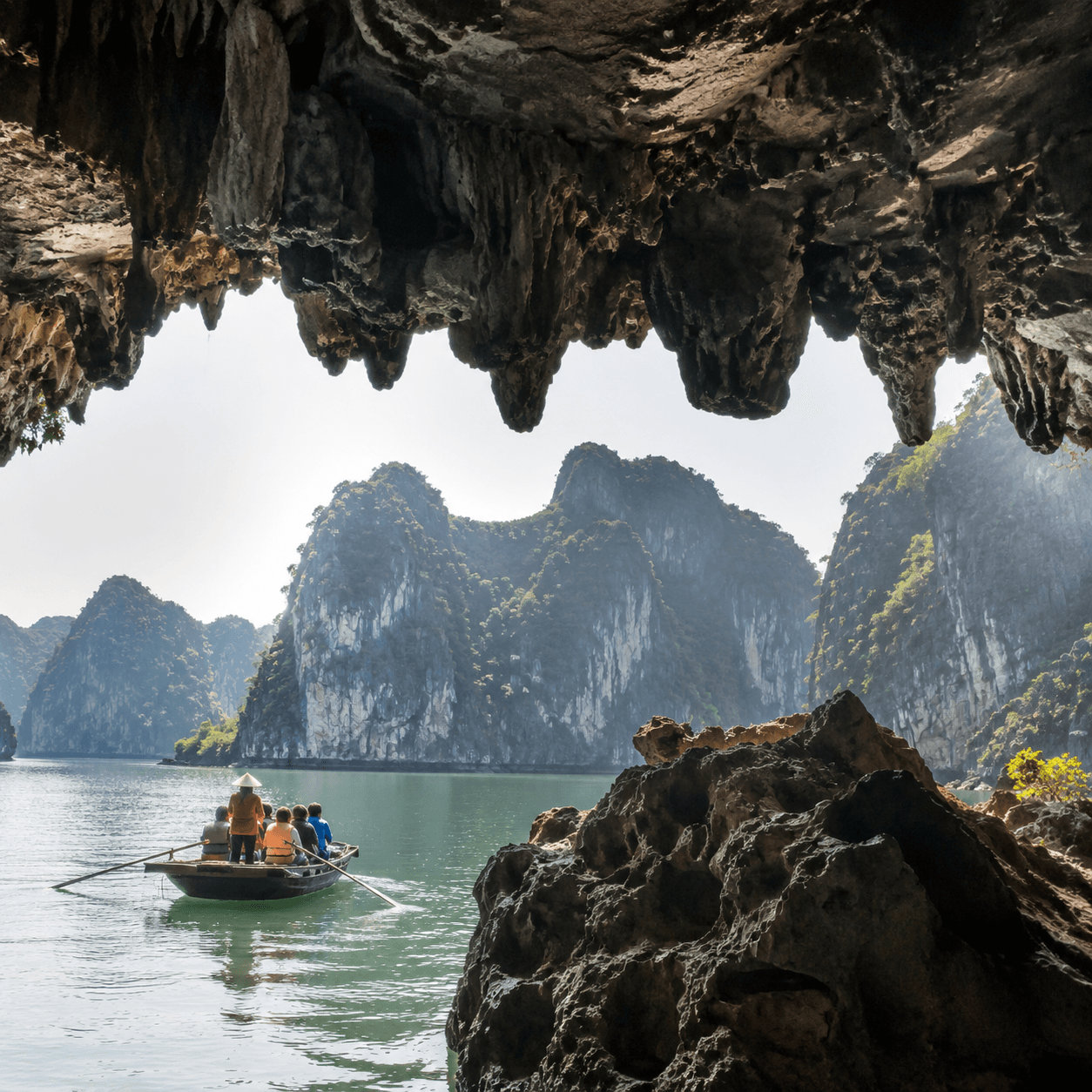
Hang Tien Ong, Hang Trinh Nu, Hang Me Cung, and Hang Dau Go have emerged as the standout hidden caves near Ha Long Bay for off-the-beaten-path exploration in 2026. Unlike the heavily trafficked Sung Sot and Thien Cung caves, these lesser-known sites offer a quieter, more intimate look at the region’s dramatic limestone formations. For example, Hang Me Cung (Maze Cave) is famous for its labyrinthine chambers and prehistoric relics, while Hang Tien Ong (Virgin Cave) features ancient stalactites and a tranquil atmosphere rarely disturbed by large tour groups.
These caves are drawing adventurous travelers who want to escape the crowds and experience Ha Long Bay’s natural beauty in a more authentic way. Hang Trinh Nu (Maiden Cave) is tucked away in a secluded cove, accessible only by small boat or kayak, and is steeped in local legend. Hang Dau Go (Driftwood Cave), with its towering ceilings and mysterious wooden relics, offers a sense of discovery absent from the main tourist routes. Most visits are arranged through small-group cruises or specialized adventure tour operators, keeping group sizes manageable and the experience personal.
The rise in interest for hidden caves near Ha Long Bay reflects a broader trend in 2026: travelers are prioritizing unique, less commercialized adventures over crowded sightseeing staples. These caves provide not just geological wonders, but also a chance to connect with local guides and learn about the bay’s folklore in a quieter setting. For those willing to venture beyond the standard circuit, these off-the-beaten-path caves offer a rewarding alternative to Ha Long’s marquee attractions.

How to Get There: Transport and Access
Travelers aiming to explore the Hidden Caves Near Ha Long Bay: Off-the-Beaten-Path Exploration in 2026 typically start their journey in Hanoi. The most direct route is by bus or train to Ha Long City, with frequent departures from Hanoi’s My Dinh or Gia Lam bus stations. Buses run every 30–60 minutes, and fares start at 200,000 VND (about $8 USD) for standard coaches, with travel times averaging 2–3 hours depending on traffic. For those preferring rail, the Hanoi–Ha Long train departs daily, though it’s slower and less convenient for most itineraries.
Once in Ha Long City, most cave explorations begin at either Tuan Chau Marina or Bai Chay Pier. Both serve as the main departure points for day cruises and overnight boats that include stops at lesser-known caves like Hang Tien Ong and Hang Me Cung. Cruise operators typically include cave entry fees in their packages, which range from 550,000–950,000 VND ($22–$38 USD) for day trips. Premium overnight cruises, which allow for more remote cave visits and flexible itineraries, start from 2,200,000 VND ($88 USD).
For those interested in the caves closer to Cat Ba Island, access is via ferry from Hai Phong (Ben Binh or Got Pier) or directly from Ha Long City. The ferry ride to Cat Ba takes 45–60 minutes and costs around 150,000–250,000 VND ($6–$10 USD). Once on Cat Ba, local boat hire is necessary to reach more secluded caves, especially those not included in standard cruise routes. Adventure outfitters on Cat Ba can arrange custom kayak or small-boat tours to these sites, but advance booking is recommended, especially during the best season (March–May and September–November).

Cave Entry, Permits, and Guided Tours
For travelers planning to explore the hidden caves near Ha Long Bay: Off-the-Beaten-Path Exploration in 2026, understanding entry rules and tour options is essential. Standard visits to caves like Hang Tien Ong, Hang Trinh Nu, and Hang Me Cung are usually included in Ha Long Bay day cruise packages, which cost between 550,000 and 950,000 VND (about $22–$38 USD). For those seeking a longer experience, premium overnight cruises start from 2,200,000 VND ($88 USD) and often include stops at several lesser-known caves alongside meals and accommodation. These cruises depart daily from Tuan Chau Marina or Bai Chay Pier and can be booked online or through reputable agents in Ha Long City.
No special cave permits are required for visitors joining standard cruise itineraries. However, if you’re hoping to organize a custom kayak trip or a self-guided cave exploration, you’ll need to secure approval from the Quang Ninh Tourism Board or local authorities. This process can take several days, and not all caves are open for independent visits due to conservation or safety concerns. Always confirm access status with your cruise operator or adventure outfitter before making plans.
Guided tours are highly recommended for anyone interested in the hidden caves near Ha Long Bay: Off-the-Beaten-Path Exploration. Guides not only help navigate tricky cave terrain—such as slippery steps and low ceilings—but also ensure you stay safe from tidal changes and respect conservation rules. Independent exploration is discouraged, as changing water levels and limited signage can make navigation risky. Most small-group cruises and adventure operators provide English-speaking guides, and group sizes are usually capped at 12–18 people for a more personal experience.
Best Time to Visit Hidden Caves Near Ha Long Bay
March through May and September through November are widely recommended as the best windows for exploring the Hidden Caves Near Ha Long Bay: Off-the-Beaten-Path Exploration. During these months, daytime temperatures hover between 22°C and 28°C, humidity is manageable, and rainfall is minimal. Visibility inside caves such as Hang Tien Ong and Hang Me Cung is noticeably better, and boat operators report fewer cancellations due to weather. Most cruise itineraries are less crowded, so you’ll have more time and space to appreciate the caves’ unique features—expect smaller groups, easier photo opportunities, and quieter surroundings.
In contrast, the peak summer months of June to August bring daytime highs above 32°C and a spike in visitor numbers, especially around weekends and holidays. Afternoon thunderstorms are common, sometimes causing last-minute changes or cancellations to cave stops. If you’re set on visiting during this period, book early and choose operators with flexible policies. Facilities at cave sites are basic, so bring extra water and sun protection.
Winter, from December to February, sees temperatures drop to 14–18°C, with frequent fog and drizzle. While the eerie atmosphere inside caves like Hang Trinh Nu can be memorable, boat departures may be delayed or rerouted, and some caves might close temporarily for safety or conservation. Always check with your cruise operator about cave accessibility and weather forecasts before booking. For those prioritizing clear skies and fewer crowds, spring and autumn remain the safest bet for Hidden Caves Near Ha Long Bay: Off-the-Beaten-Path Exploration.
Safety and Responsible Exploration
Hidden Caves Near Ha Long Bay: Off-the-Beaten-Path Exploration offers a rare chance to experience Vietnam’s natural wonders, but safety and responsible behavior are essential. Many of these lesser-known caves, such as Hang Tien Ong and Hang Me Cung, feature uneven floors, slippery steps, and low ceilings. Sturdy, closed-toe shoes with good grip are highly recommended, and a headlamp is useful for navigating dimly lit passages—especially since lighting inside these caves is minimal or nonexistent.
Guided tours are standard for most hidden caves near Ha Long Bay, and for good reason. Tidal changes can make navigation tricky, and some routes are only accessible at certain times of day. Always stick with your guide and group; solo exploration is discouraged and, in some cases, not permitted due to safety and conservation concerns. Guides are trained to monitor conditions and know when a cave is unsafe or temporarily closed, which can happen for conservation or tidal reasons—always confirm cave status with your operator before booking.
Protecting these delicate environments is a shared responsibility. Littering is strictly prohibited, and visitors should avoid touching stalactites, stalagmites, or cave walls, as even minor contact can damage fragile formations. Most tour operators provide a briefing on conservation rules before entry. Facilities are minimal, so bring out all trash and avoid leaving any trace. By following these guidelines, travelers help ensure that the Hidden Caves Near Ha Long Bay: Off-the-Beaten-Path Exploration remains a sustainable adventure for years to come.
What to Pack and Practical Tips
A day exploring the hidden caves near Ha Long Bay: off-the-beaten-path exploration means packing for unpredictable conditions and minimal amenities. Waterproof gear is essential, especially from March to May and September to November, when sudden showers are common. Lightweight rain jackets and dry bags will keep your camera and valuables safe during boat transfers and cave visits. Since most of these caves—like Hang Tien Ong and Hang Me Cung—lack visitor facilities, bring your own water, high-energy snacks, and insect repellent. Mosquitoes can be persistent, especially in the humid months, and there are no shops or kiosks at the cave landings.
Sturdy, closed-toe shoes with good grip are crucial, as cave steps can be slippery and uneven. A headlamp or small flashlight is helpful for navigating dimly lit passages, even on guided tours. If you’re sensitive to dust or pollen, consider a lightweight mask. For those with mobility concerns, cave accessibility varies widely; some, like Hang Trinh Nu, require climbing steep stairs or ducking through narrow entrances. Always check with your cruise or tour operator about the specific cave routes and whether assistance is available.
Booking with a reputable operator is key for safety and comfort. Look for small-group or adventure-focused itineraries—these often include guides trained in first aid and environmental protection. Operators departing from Tuan Chau Marina or Cat Ba Island typically provide life jackets and basic safety briefings, but personal preparation makes a big difference. Finally, respect cave conservation rules: avoid touching formations, pack out all trash, and follow your guide’s instructions to help preserve these unique sites for future explorers.
Frequently asked questions
No special permit is needed for standard cruise visits, but custom kayak or self-guided exploration may require approval from local authorities.
Guided tours are strongly recommended due to slippery steps, tidal changes, and navigation risks; solo exploration is discouraged.
Hang Tien Ong, Hang Trinh Nu, Hang Me Cung, and sometimes Hang Dau Go are featured in small-group or adventure cruise itineraries.
Information on accessibility is limited; check with your tour operator for the latest details and options.
Sources
- nomadicnotes.com — Primary source
- vietnamcavetours.com — From research brief
- halonghub.com — From research brief
- halongbay.com.vn — From research brief
- quangninh.gov.vn — From research brief
Loading reviews…
Related posts

Cat Ba Island’s Hidden Beaches: Practical 2026 Guide for International Visitors
This guide covers how to reach Cat Ba Island’s lesser-known beaches, the best times to visit, entry fees, typical costs, and essential cautions for international travelers in 2026. It’s designed for those seeking quiet alternatives to Ha Long Bay, with up-to-date transport, accommodation, and safety details.

Kayaking and Island Camping in Lan Ha Bay: A Practical Guide for 2026
Lan Ha Bay, adjacent to Ha Long Bay, is emerging as a top destination for kayaking and island camping in northern Vietnam. With over 300 islets, quiet coves, and new conservation rules, planning a multi-day adventure here in 2026 requires up-to-date information. This guide covers the best seasons, how to arrange permits, what to pack, and essential logistics for international visitors.
Bai Tu Long Bay Island Beaches: 2026 Transport, Stays, and Safety
This article covers Bai Tu Long Bay’s tranquil beaches and islands in 2026, including the best time to visit, updated transport routes, water safety tips, and current accommodation prices. It’s a practical guide for international visitors seeking a quieter alternative to Ha Long Bay, with concrete details for planning a smooth trip.