My Son Sanctuary 2026: Understanding Cham Hindu Rituals and Preservation Efforts
This article offers an in-depth look at Cham Hindu rituals historically practiced at My Son Sanctuary and examines current preservation efforts in 2026. It is useful for travelers interested in the spiritual and cultural context, visitor etiquette, and practical tips for exploring Vietnam’s most significant ancient Hindu site.

Related reading
Keep exploring Vietnam
- 1
- 2
- 3
At a glance
- Best time
- February–September; avoid rainy season (October–December)
- How long
- 2–3 hours for full site and museum
- Budget
- 200,000 VND entry; guided tour extra
- Getting there
- Shuttle bus or private car from Hoi An (40km, ~1 hour)
- Language
- English signage; guides available
- Currency
- Vietnamese Dong (VND)
Cham Hindu Rituals: History and Meaning
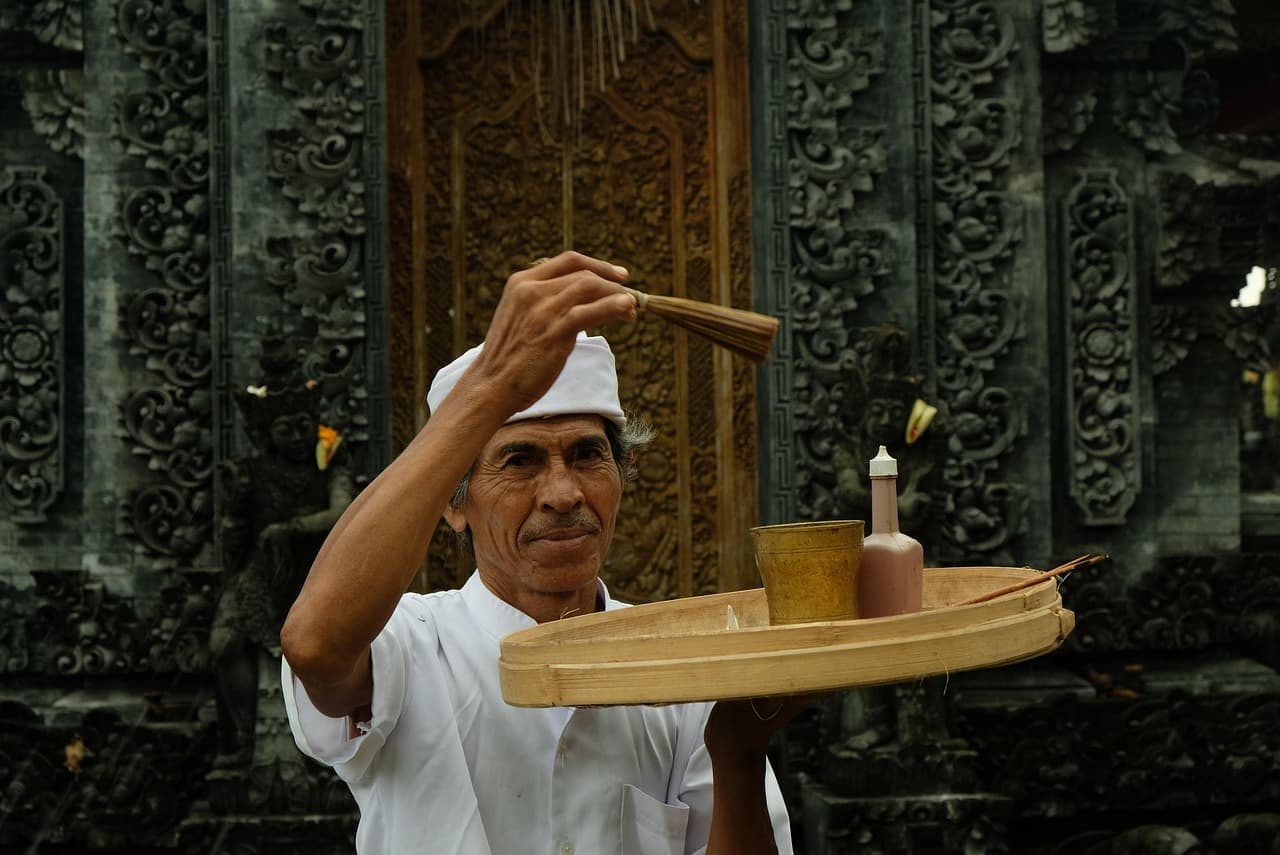
Stone lingams and intricately carved yoni altars at My Son Sanctuary mark the site’s deep association with Shiva, the principal deity of the Champa Kingdom’s syncretic Hinduism. Between the 4th and 13th centuries, My Son functioned as both a religious and political center, where priests and royalty performed rituals to honor Shiva, Vishnu, and other Hindu gods. The Champa adapted Hindu beliefs to local traditions, resulting in a unique blend of Indian and indigenous spiritual practices.
Rituals at My Son centered on offerings and fire ceremonies. Priests would present flowers, fruits, and precious oils at the main sanctuary altars, while fire—symbolizing purity and the presence of the divine—played a central role in processions and prayers. These ceremonies were believed to ensure prosperity for the kingdom and spiritual protection for its rulers. Processional routes, visible in the layout of the temple clusters, guided participants from the outer courtyards into the innermost sanctuaries, where only priests and royalty could enter.
In 2026, new interpretive signage in English and Vietnamese helps visitors identify key ritual spaces, such as the main altar of Group B and the fire ceremony platform in Group G. These signs explain the symbolic meaning of carvings, ritual objects, and the orientation of the towers. While no formal rituals are performed today, the preservation of these spaces and explanatory panels allow travelers to appreciate the spiritual significance that once animated the red-brick ruins of My Son.
Preservation and Restoration in 2026
Major restoration efforts at My Son Sanctuary reached a milestone in 2025, with the stabilization and repair of several key temple clusters that had been at risk of collapse. These works, funded in part by international heritage organizations, focused on structural reinforcement, cleaning of stone carvings, and the installation of discreet drainage systems to mitigate water damage. As a result, visitors in 2026 can safely explore more of the site than in previous years, though some zones remain cordoned off for ongoing conservation, especially during the rainy season from October to December when access is further restricted for safety and preservation.
A noticeable improvement for international travelers is the rollout of new interpretive signage throughout the sanctuary. Detailed panels in both Vietnamese and English now explain the history, symbolism, and restoration methods used on each temple group. The on-site museum, included with the 200,000 VND entry fee, features updated exhibits with English-language displays and interactive media that outline the challenges of preserving brickwork and sandstone sculptures in a tropical climate. These resources make it easier for visitors to understand the significance of the Champa heritage and the technical aspects of the ongoing restoration.
Guided tours in 2026 place a stronger emphasis on heritage protection, with guides trained to highlight not only the artistic and religious context but also the modern techniques used to stabilize and conserve the towers. Tour groups are briefed on site etiquette, such as avoiding contact with ancient carvings and respecting barriers around active work zones. These efforts aim to balance public access with long-term preservation, ensuring that My Son’s legacy endures for future generations.

How to Visit: Getting There and Entry Details
My Son Sanctuary sits about 40 kilometers southwest of Hoi An, making it a manageable day trip for most visitors. In 2026, travelers can reach the site via several options: shuttle buses depart from central Hoi An (typically 7:30am and 1:30pm, but schedules may shift due to ongoing restoration work), private cars can be hired for around 600,000–800,000 VND round-trip, and numerous local agencies offer guided tours that include transportation, entry, and a guide. The journey takes roughly one hour, with roads in good condition but occasional delays during the rainy season (October–December).
Entry to My Son Sanctuary costs 200,000 VND per adult, a fee that covers access to the main archaeological zone, the on-site museum, and a guided walking tour. Tickets are purchased at the main entrance, which opens daily from 6:30am to 5:30pm. It’s advisable to arrive early to avoid midday heat and crowds, especially during peak tourist months. Restoration projects are ongoing, so some temple areas may be temporarily closed; check the official website or local travel agencies for updates on shuttle times and site accessibility before your visit.
Facilities at the sanctuary are straightforward but sufficient for a half-day outing. There’s a small café near the entrance serving drinks and light snacks, clean restrooms, and a museum with English-language exhibits detailing the history of the Champa Kingdom and the significance of the site. The museum is air-conditioned—a welcome respite after touring the temple grounds. Most visitors spend two to three hours exploring, so bringing water, sunscreen, and a hat is recommended. Guided walks depart regularly and are included with the ticket, but hiring a local guide can provide more in-depth context if desired.
Visitor Etiquette and Dress Code
Visitors to My Son Sanctuary are expected to follow a dress code that reflects the site’s religious significance. Both men and women should ensure their shoulders and knees are covered; sleeveless tops, shorts, and short skirts are not appropriate. Lightweight, long-sleeved shirts and trousers are a practical choice, especially given the strong sun and humid conditions. Wide-brimmed hats and sunscreen are recommended for the open temple grounds, where shade is limited and midday temperatures can climb above 34°C during the dry season.
Respectful behavior extends beyond clothing. The sanctuary’s ancient brick towers and sandstone carvings are fragile, and touching or leaning on them is strictly prohibited. Several areas are marked as restricted zones, either for ongoing restoration or to protect delicate structures—these are clearly signed, and visitors should not cross barriers or ropes. Guided tours often highlight the significance of specific altars and statues; it’s important to listen to instructions and avoid entering spaces reserved for ceremonial use.
Photography is generally permitted throughout the site, but using drones requires advance permission from sanctuary management. Signs at the entrance and museum outline the application process for drone use, which typically involves a fee and a waiting period of several days. Tripods and flash photography are allowed in most outdoor areas, but not inside the museum or near active restoration sites. By observing these guidelines, travelers help preserve My Son’s unique heritage for future generations.
Tips for a Meaningful Visit
Arriving at My Son Sanctuary when the gates open at 6:30am is the most reliable way to experience the ruins in relative peace, before the midday heat and tour groups arrive from Hoi An and Da Nang. Early visits not only make the climb through the forested site more comfortable, but also give you more time to linger at the temple towers and appreciate the intricate brickwork without feeling rushed.
To get more than just surface-level impressions, consider hiring a local guide at the entrance or through a reputable tour operator. While interpretive signage has improved in 2026, the quality and depth of explanations can vary, and a knowledgeable guide can clarify the symbolism of carvings, the significance of altars, and the story of the Champa Kingdom’s religious practices. Expect to pay around 150,000–250,000 VND for a private guide, with the price depending on group size and language.
Before you set out, check the latest updates on restoration work and access restrictions. Some temple clusters may be closed for conservation, especially during the rainy season from October to December, and shuttle schedules sometimes change to accommodate ongoing projects. The official Cham Heritage website and recent travel blogs usually post timely updates.
Don’t skip the on-site museum, included in your 200,000 VND ticket. Its English-language exhibits provide essential context on Cham culture, religious rituals, and the site’s turbulent history—information that can enrich your walk among the towers and help you recognize architectural details you might otherwise overlook.
Frequently asked questions
Some areas remain under restoration, especially during the rainy season; check for updates before visiting.
Yes, visitors must cover shoulders and knees due to the sacred nature of the site.
Drone use requires special permission from site authorities.
Sources
- wanderingvietnam.com — Primary source
- unesco.org — From research brief
- vietnamheritagewalks.com — From research brief
- nomadsaigon.com — From research brief
- chamheritage.org — From research brief
Loading reviews…
Related posts

Hidden Beaches North of Da Nang: 2026 Guide to Non Nuoc, North My Khe, and Son Tra Peninsula
This 2026 guide details Da Nang’s quieter northern beaches—Non Nuoc, North My Khe, and Son Tra Peninsula—covering the best season, updated transport, water safety, and accommodation prices. Perfect for international travelers seeking a more local, uncrowded seaside experience near Da Nang.

Exploring the Cham Towers of Binh Dinh: A Practical Guide for 2026
Binh Dinh province in south-central Vietnam is home to the Cham towers, remarkable remnants of the Champa Kingdom’s Hindu heritage. This guide provides up-to-date information for international visitors in 2026, covering access, etiquette, transport, and seasonal tips for visiting these ancient sites near Quy Nhon.
Da Nang’s My Khe Beachfront Promenade: 2026 Upgrades, Access, and Events
This article covers everything international visitors need to know about Da Nang’s revamped My Khe Beachfront Promenade in 2026, including new facilities, transport options, safety measures, and weekly events. It offers practical tips for planning your visit and navigating the upgraded 2.5-kilometer coastal walkway.