Visiting My Son Sanctuary: A Practical Guide to Vietnam’s Ancient Cham Towers
My Son Sanctuary in Quang Nam province is Vietnam’s most important Cham archaeological site, featuring centuries-old red-brick Hindu temples in a jungle setting. This guide covers history, how to get there, what to expect, and practical tips for international visitors.

Related reading
Keep exploring Vietnam
- 1Discover the Charm of Hoi An Ancient Town
Link from 'How to get there' section, as Hoi An is the main gateway to My Son Sanctuary.
- 2Exploring the Hue Imperial City: A Must-Visit in Vietnam
Link from the 'History' or 'Other Heritage Sites' section for travelers interested in Vietnam’s ancient sites.
- 3Vietnam travel basics: payment, SIM cards, and getting around
Link from 'Practical tips' section to help visitors plan logistics for their My Son visit.
At a glance
- Best time to visit
- Early morning, February–August (dry season)
- How long to spend
- 1.5–2 hours on site
- Entrance fee
- 150,000 VND (~$6 USD)
- Getting there
- 40 km from Hoi An; taxi, motorbike, or guided tour
- Language
- Vietnamese (English guides available)
- Currency
- Vietnamese Dong (VND)
Getting There
My Son Sanctuary is located roughly 40 km from Hoi An and about 70 km from Da Nang. Most visitors join half-day guided tours from Hoi An or Da Nang, which usually include transport and an English-speaking guide. Alternatively, you can hire a taxi (approximately 700,000–1,000,000 VND round trip from Hoi An) or rent a motorbike for a more flexible schedule. Public transport options are limited, so advance planning is recommended.
When to Visit
The site is open daily, generally from early morning to late afternoon. The best time to visit is early in the morning to avoid the heat and larger tour groups. The dry season (February to August) offers the most comfortable weather, but the site can be visited year-round. After rain, some paths may be muddy and slippery.
What to Expect
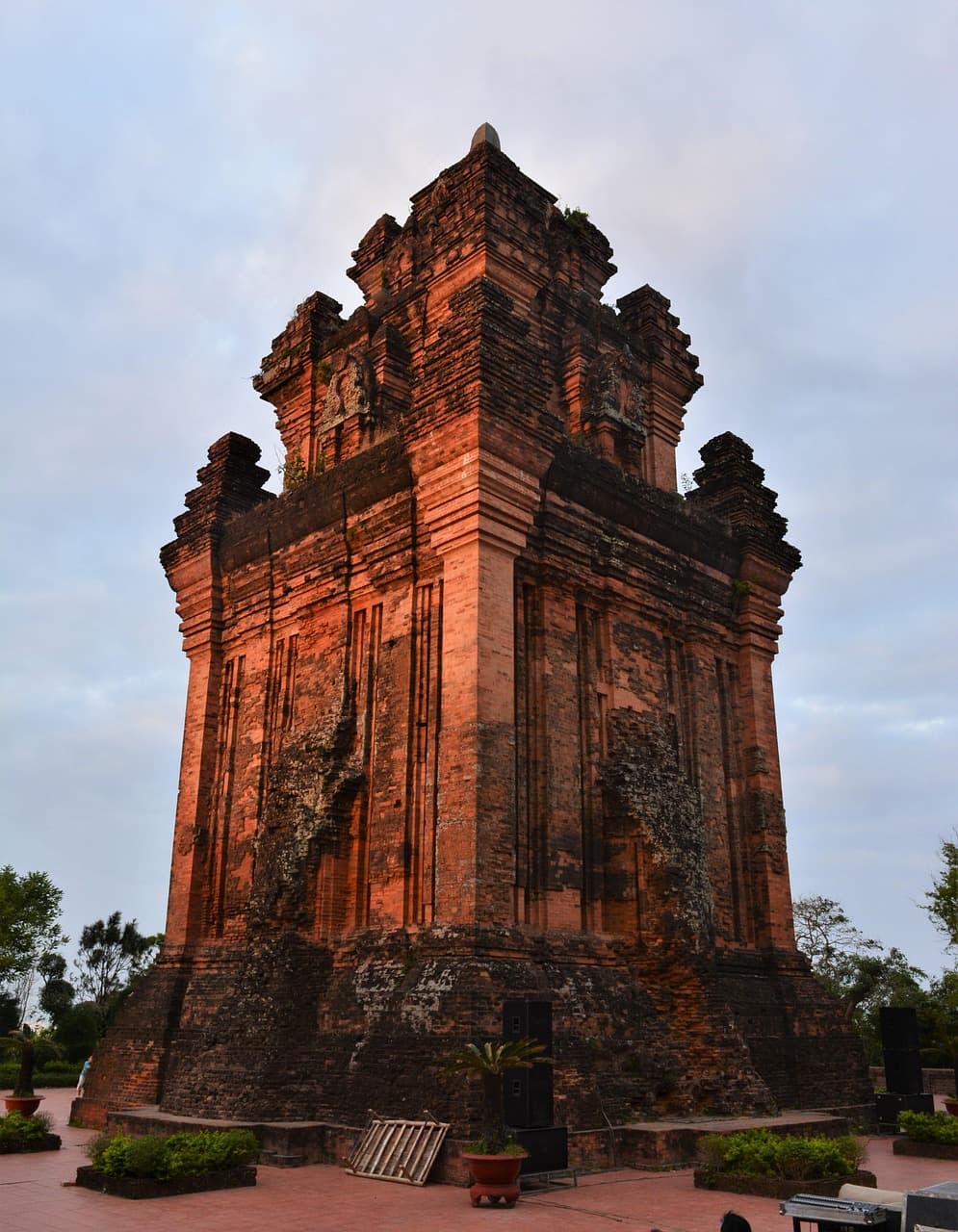
The sanctuary features clusters of red-brick temple towers set in a jungle valley. Most structures are in varying states of ruin, with ongoing restoration in some areas. Basic facilities include a ticket office, restrooms, and a small museum. Walking shoes, water, sunscreen, and insect repellent are recommended. Allow 1.5–2 hours to explore the site. English-speaking guides are available at the entrance for an additional fee, or you can join a group tour.
Practical Tips
Bring cash for entrance fees and any purchases, as card acceptance is rare. There are few shaded areas, so a hat and sunscreen are helpful. The site is partially accessible, but visitors with mobility issues may find some areas challenging due to uneven ground. Restoration work means some sections may be closed; check for updates before your visit. Facilities are basic, so bring water and snacks if needed.

Frequently asked questions
Guided tours are not required but are helpful for understanding the history and significance of the site. English-speaking guides can be hired at the entrance or as part of a group tour from Hoi An or Da Nang.
The main paths are partially accessible, but many areas have uneven or muddy ground, and some sections require navigating steps or rough terrain.
Yes, you can visit independently by hiring a taxi or renting a motorbike from Hoi An or Da Nang. Guided tours offer convenience but are not mandatory.
Travel details change — opening hours, prices, and schedules can vary by season. Please verify current information on official websites before your visit.
Sources
- wanderingwheatleys.com — Primary source
- theculturetrip.com — From research brief
- nomadicnotes.com — From research brief
- unesco.org — From research brief
- vietnamtravel.com — From research brief
Loading reviews…
About the author
Phạm Quốc Bảo
Cities & Events Editor
Quốc Bảo covers Vietnam's cities and their calendars — street life, night markets, festivals, and the people who keep traditions running. He edits with an ear for what actually happens on the ground rather than what the brochures promise.
All articles by Quốc BảoRelated posts

My Son Sanctuary: Cultural Etiquette and Practical Guidance for 2026
This article provides international visitors with up-to-date information for visiting My Son Sanctuary in 2026, including entry fees, dress code, etiquette, opening hours, festival dates, and practical tips for a respectful and smooth experience at Vietnam’s premier Cham archaeological site.

Exploring the Cham Towers of Binh Dinh: A Practical Guide for 2026
Binh Dinh province in south-central Vietnam is home to the Cham towers, remarkable remnants of the Champa Kingdom’s Hindu heritage. This guide provides up-to-date information for international visitors in 2026, covering access, etiquette, transport, and seasonal tips for visiting these ancient sites near Quy Nhon.
My Son Sanctuary 2026: Entry Fee Rises to 250,000 VND and Daily Visitor Cap of 5,000
From October 1, 2026, international visitors to My Son Sanctuary will pay 250,000 VND, up from 150,000 VND, and daily visits are limited to 5,000 with timed entry slots. This guide explains the new rules, how to book via my-son.vn, exemptions, and what remains uncertain about combo tickets.