Sapa to Nam Cang: 2-Day Trekking Itinerary and Costs for 2026
This guide details a 2-day, 1-night trek from Sapa to Nam Cang and Red Dao villages in 2026, covering logistics, costs, regulations, and practical tips for international hikers seeking a quieter, authentic alternative to mainstream Sapa routes.

Trip plan
Day-by-day itinerary
Day 1
Sapa to Nam Cang: Trekking and Village Stay
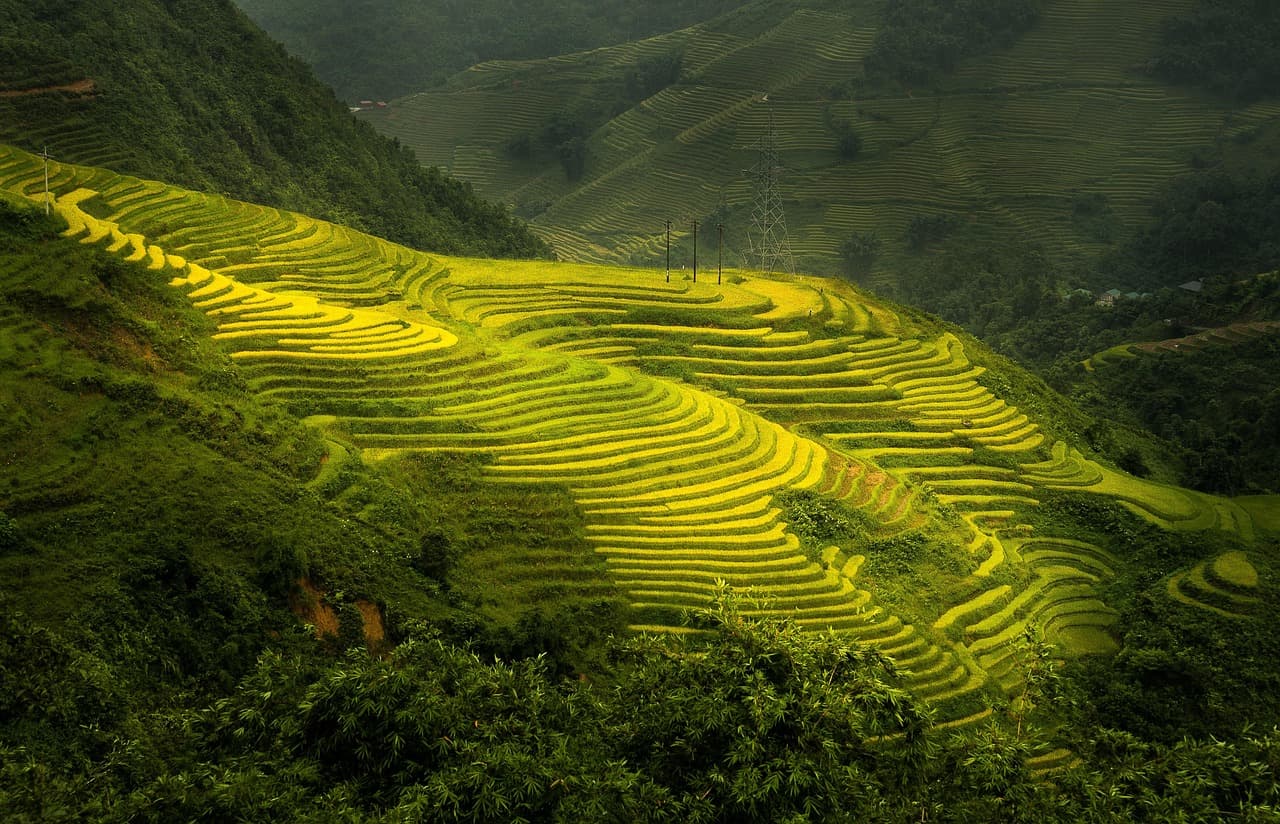
Depart Sapa by early morning transfer to Ban Lech or Thanh Phu. Begin a 10–15km trek through terraced fields, bamboo forests, and remote Red Dao villages. Arrive at Nam Cang in the afternoon for a homestay, home-cooked dinner, and (optional) Red Dao herbal bath.
Related reading
Keep exploring Vietnam
- 1
- 2
- 3
At a glance
- Best time
- March–May, late September–November
- How long
- 2 days, 1 night
- Budget
- 2,200,000–2,800,000 VND per person (all-inclusive trek)
- Getting there
- Overnight train or bus from Hanoi to Sapa, then transfer to trailhead
- Language
- Vietnamese, Red Dao dialect; limited English in villages
- Currency
- Vietnamese Dong (VND)
Getting to the Trailhead
Overnight trains and express buses connect Hanoi to Sapa town, with one-way fares in 2026 ranging from 650,000 to 950,000 VND. Trains typically depart from Hanoi’s Tran Quy Cap station around 10 p.m. and arrive at Lao Cai by 6 a.m.; from there, a shuttle bus or taxi (100,000–150,000 VND per person) covers the final 35 kilometers up to Sapa town. Express buses, operated by companies like Sapa Express and Green Bus, leave from My Dinh or Gia Lam bus stations in Hanoi, offering reclining seats and direct service to Sapa’s central bus station in about six hours.
To reach the Nam Cang trek’s starting point, travelers need a separate transfer from Sapa town to Ban Lech or Thanh Phu village. This leg takes 45–90 minutes by road, depending on trailhead and road conditions. Private transfers or shared minivans are the most common options, costing 300,000–500,000 VND per group in 2026. Most guided trekking packages include this transfer in the total price, but it’s worth confirming with your operator to avoid surprise costs or delays.
Independent travelers should note that public transport to Ban Lech or Thanh Phu is extremely limited, and taxis are not always available for the return journey. For those booking only a guide and not a full package, arrange both legs of the transfer in advance, especially during peak trekking months when demand for vehicles spikes.
Permits, Guides, and Entry Rules
Foreign visitors planning to trek the Nam Cang and Red Dao village route in 2026 must join a licensed local guide—solo or self-guided trekking is not permitted on this trail. This regulation, enforced since late 2025, aims to protect the environment and ensure respectful engagement with local communities. Guides are responsible for handling all necessary paperwork, including registering trekkers with local authorities and securing permits before the journey begins.
Entry fees for the Nam Cang trek are 150,000 VND per person, payable at official trail checkpoints. These fees support conservation efforts and community development projects in the Red Dao villages. Trekkers should carry cash in small denominations, as card payments are not accepted at checkpoints. Your guide will facilitate the payment process and keep all required documents on hand throughout the trek.
Because licensed guides are in high demand—especially during peak trekking months from March to May and late September to November—advance booking is strongly advised. Most tour operators in Sapa can arrange the full package, including guide services, permits, and entry fees. Booking at least two to four weeks ahead is recommended to secure your preferred dates and ensure all administrative requirements are met before arrival.

Trek Difficulty and What to Expect
Trekking from Sapa to Nam Cang and the Red Dao villages covers daily distances of 10 to 15 kilometers, typically spread over two days. The route weaves through terraced rice fields, bamboo forests, and remote hamlets, but hikers should be prepared for physical challenges—several sections are steep, and the trails can become muddy and slippery, especially after rain. River crossings are part of the experience, with some requiring balance on narrow footbridges or stepping stones. While the altitude varies between 1,200 and 1,600 meters, the elevation is moderate enough that acclimatization isn’t necessary, though the air can feel cool and damp, particularly in the early morning or after sunset.
This trek is best suited for active travelers with a good level of fitness. The combination of distance, uneven terrain, and occasional steep climbs means it’s not recommended for beginners or those with mobility issues. Hikers should expect to be on their feet for five to seven hours each day, including breaks for lunch and village visits. Waterproof hiking boots and a rain jacket are essential, as weather conditions can change quickly and the trails often stay wet well into the dry season.
Along the way, expect basic but rewarding encounters with local Red Dao communities, who still practice traditional farming and textile crafts. English is rarely spoken outside the homestays, so guides are essential for both safety and communication. The trek’s physical demands are balanced by the region’s quiet beauty and the chance to experience Sapa’s less-visited landscapes firsthand.
Accommodation and Village Experiences
Homestays in Nam Cang and other Red Dao villages offer a practical and immersive way to experience local life, with rates in 2026 ranging from 400,000 to 600,000 VND per person per night, including all meals. Most homestays are family-run and built from wood or stone, with basic but comfortable sleeping arrangements—expect clean bedding, mosquito nets, and shared bathrooms. Despite the remote location, hot showers are standard, and hosts provide ample home-cooked meals featuring sticky rice, wild greens, and locally raised pork or chicken. Vegetarian and vegan options are available if requested in advance, though it’s best to remind your guide of any dietary needs before arrival.
One of the highlights of staying in a Red Dao village is the chance to try a traditional herbal bath. This centuries-old practice involves soaking in a wooden tub filled with water infused with forest herbs, gathered and prepared by Red Dao women. The herbal bath is said to soothe muscles after a long trek and is unique to this region; not all homestays offer it every night, so ask your guide to arrange it ahead of time if it’s a priority. Prices for the herbal bath typically range from 150,000 to 200,000 VND per person.
Wi-Fi and mobile coverage can be unreliable, and English is rarely spoken by hosts, but licensed guides act as translators and cultural interpreters. Evenings in the village often include informal storytelling, embroidery demonstrations, or helping with meal preparation, offering a window into Red Dao customs that are rarely seen on more commercialized routes closer to Sapa town.
Costs and Booking a Trek
A typical 2-day guided trek from Sapa to Nam Cang and Red Dao villages in 2026 costs between 2,200,000 and 2,800,000 VND per person. This price covers all essentials: a licensed local guide (required for foreigners), all permits and entry fees, round-trip transport from Sapa town to the trailhead, overnight homestay accommodation, and all meals during the trek. Most operators handle registration with local authorities and ensure compliance with current conservation rules, so you won’t need to arrange permits or entry paperwork yourself.
Meals are home-cooked and typically feature local specialties, with rice, seasonal vegetables, and pork or chicken common at village homestays. If you have dietary restrictions, such as vegetarian or vegan preferences, let your operator know at the time of booking—most can accommodate these requests with advance notice, though options may be more limited than in Sapa town.
Accommodation is in family-run homestays, which are rustic but comfortable. Expect hot showers, clean bedding, and shared bathrooms. Wi-Fi and mobile coverage are inconsistent—some homestays offer basic connectivity, but others may have little or no signal, especially after storms. If you need reliable internet, check with your tour provider before booking. Most bookings can be made online through Sapa-based trekking agencies, with a deposit required to secure your spot during peak trekking months (March–May and September–November).
Weather, Packing, and Practical Tips
March to May and late September through November are the best months for trekking from Sapa to Nam Cang and the Red Dao villages. During these windows, the weather tends to be clear and mild, with daytime temperatures ranging from 15°C to 22°C. Rain is less frequent compared to the summer monsoon, which means trails are generally more stable and river crossings are safer. Outside these periods, especially from June to August, heavy rainfall can lead to muddy paths and occasional landslides, sometimes forcing trail closures. It’s wise to check with your guide or operator for the latest trail conditions before your trip, as closures can happen with little notice.
Given the region’s unpredictable weather, packing appropriately is essential. Waterproof hiking boots are highly recommended, as sections of the trail can remain slick and muddy even after brief showers. A lightweight rain jacket is a must, and quick-dry clothing will help you stay comfortable if you get caught in a downpour. Temperatures can drop sharply at night, so bring a warm layer for evenings in the homestay. Trekking poles can be useful for steep or slippery descents, and a small daypack will suffice for carrying water, snacks, and personal items.
Mobile coverage and Wi-Fi are limited in remote villages, so download offline maps and keep important contacts handy. English is rarely spoken outside Sapa town, but your licensed guide will translate and help arrange meals—let them know in advance if you have dietary restrictions. Lastly, always carry some cash (small denominations) for local purchases, as card payments are not accepted in the villages.

Frequently asked questions
Yes, trekking with a licensed local guide is mandatory for all foreigners on this route due to new regulations.
No, the trek is moderate with some steep and muddy sections, best for active hikers with good fitness.
Yes, but you must request this in advance when booking your trek.
Some homestays offer limited Wi-Fi or mobile coverage, but connectivity is not guaranteed.
Travel details change — opening hours, prices, and schedules can vary by season. Please verify current information on official websites before your visit.
Sources
- hiddenhoian.com — Primary source
- trekkingtoursapa.com — From research brief
- nomadicnotes.com — From research brief
- indietraveller.co — From research brief
- travelfish.org — From research brief
Loading reviews…
About the author
Võ Hoài Nam
Nature & Adventure Editor
Hoài Nam edits Vietpeep's national parks, trekking, and adventure coverage from an environmental perspective. He keeps trail conditions, permits, wildlife rules, and low-impact travel choices front and center, so readers can plan a trip that respects the landscape.
All articles by Hoài NamRelated posts

Sapa Highlands Trekking and Culture: 3-Day Independent Itinerary 2026
This article details a practical 3-day Sapa itinerary for independent travelers, covering self-guided trekking, authentic homestays, and local culture. It includes updated transport, entry, and budget tips for 2026, plus day-by-day logistics and real prices, making it ideal for visitors seeking a genuine highland experience.

Sapa Trekking and Souvenir Shopping: A 3-Day Village Itinerary for 2026
A three-day Sapa trekking plan that pairs valley walks with souvenir shopping: Cat Cat and Hang Da on day one, the Muong Hoa valley from Lao Chai to Ta Van and Giang Ta Chai on day two, and Ta Phin on day three. Includes 2026 guide rates, village fees, homestay prices, transport times and booking steps.
Sapa trekking difficulty: route grades, guide costs and fitness for 2026
Sapa trekking is rarely about altitude: Sapa town sits at about 1,600 m and village treks stay between 1,200 m and 1,800 m. Heat, mud and steep clay descents are what make routes hard. This guide grades valley and remote routes, 2026 guide costs, permits, weather by month and a two-day plan.