Vietnam Coastal Cities Summer 2026: Daily Travel Costs in Da Nang, Nha Trang, and Vung Tau
This article gives international visitors a clear breakdown of daily expenses for Da Nang, Nha Trang, and Vung Tau during the summer 2026 high season. It covers real prices for accommodation, food, transport, attractions, and practical budgeting tips, helping travelers plan for a beach trip without overspending.

Related reading
Keep exploring Vietnam
- 1
- 2
- 3
At a glance
- Best time
- June–August (summer high season)
- How long
- 3–7 days recommended for coastal cities
- Budget
- 450,000–850,000 VND/day (US$18–34)
- Getting there
- Fly to Da Nang, Nha Trang (Cam Ranh), or Ho Chi Minh City for Vung Tau
- Language
- Vietnamese; English spoken in tourist areas
- Currency
- Vietnamese Dong (VND); cash preferred
Accommodation Costs
Budget travelers heading to Da Nang, Nha Trang, or Vung Tau in summer 2026 will find hostel and guesthouse beds ranging from 180,000 to 350,000 VND per night (about US$7–14). These options typically provide basic amenities—Wi-Fi, shared bathrooms, and sometimes breakfast—but air-conditioning isn’t always guaranteed, so check listings carefully. With daytime highs regularly topping 33°C (91°F) and humidity above 80% from June to August, air-conditioned rooms are strongly recommended for comfort and sleep quality.
Mid-range hotels in these coastal cities cost between 600,000 and 1,200,000 VND per night (US$24–48), offering private bathrooms, daily housekeeping, and reliable air-conditioning. Many are within a 10-minute walk of the main beaches or city centers. Prices at both budget and mid-range properties increase noticeably on weekends and Vietnamese holidays, especially during school breaks in late June and early August. For example, a double room that’s 800,000 VND on a Tuesday might jump to 1,100,000 VND on a Saturday.
To avoid last-minute price hikes and limited availability, it’s wise to reserve accommodation at least two weeks ahead for summer weekends or public holidays. International booking platforms with recent reviews help identify properties with English-speaking staff and up-to-date facilities. While walk-in deals exist, advance booking is the safest bet for both comfort and cost control during Vietnam’s busy summer season.
Food and Drink
A typical street meal in Da Nang, Nha Trang, or Vung Tau costs between 35,000 and 60,000 VND (US$1.40–2.40) in summer 2026. This covers staples like banh mi, bun cha ca (fishcake noodle soup), or a plate of com tam (broken rice with grilled pork). For travelers preferring sit-down restaurants, expect to pay 90,000 to 180,000 VND (US$3.60–7.20) per person, with air conditioning and English menus more common at the upper end of this range. Local specialties such as mi quang in Da Nang or nem nuong in Nha Trang are widely available at these prices.
Seafood is a highlight along the coast but comes at a premium, especially in Nha Trang and Vung Tau. A simple grilled fish or plate of clams at a beachfront eatery can range from 200,000 to 350,000 VND (US$8–14), and larger seafood feasts with prawns, crab, and squid often exceed 500,000 VND (US$20) for two people. Prices are usually posted by weight and can spike on weekends or holidays, so checking the menu and confirming prices before ordering is wise.
Drinking water is widely sold at 10,000–15,000 VND (US$0.40–0.60) per 1.5-liter bottle, while a cup of local iced coffee (ca phe sua da) at a street stall or market averages 15,000–25,000 VND (US$0.60–1). For snacks, local markets offer fresh fruit, sticky rice, and banh beo (steamed rice cakes) for under 20,000 VND (US$0.80) each, making it easy to fill up between meals without overspending. Budget travelers can comfortably eat and drink for 120,000–250,000 VND (US$5–10) per day if they stick to street food and market options.

Transport Options and Costs
Local transport in Da Nang, Nha Trang, and Vung Tau is affordable and straightforward, with several options that suit budget travelers. City buses are the cheapest way to get around, with fares ranging from 10,000 to 20,000 VND (US$0.40–0.80) per ride. Routes cover most popular beaches, markets, and attractions, though schedules can be infrequent outside peak hours. Bus stops are usually marked in Vietnamese, so having a translation app or asking locals for help can be useful.
Grab, Southeast Asia’s main ride-hailing app, is widely used in all three cities. Short rides within the city typically cost 40,000 to 120,000 VND (US$1.60–4.80), depending on distance, time of day, and demand. Grab is generally more reliable and cheaper than traditional taxis, especially during the summer high season when taxi surcharges are common. Payment can be made in cash or via the app, but cash is often preferred.
For travelers wanting more independence, motorbike rentals are available from most guesthouses and rental shops. Daily rates average 150,000 to 200,000 VND (US$6–8), with discounts possible for multi-day rentals. Helmets are included by law, but insurance is rarely offered, so check the condition of the bike before riding. Traffic can be hectic, especially in Nha Trang and Da Nang, so this option suits experienced riders.
ATMs are easy to find in all three cities, though some charge withdrawal fees of 50,000–100,000 VND per transaction. It’s practical to withdraw larger amounts to minimize fees, as cash is still the main form of payment for transport and small purchases.
Attractions and Entry Fees
Beach access in Da Nang, Nha Trang, and Vung Tau remains free for all visitors, making these cities attractive for travelers who want to spend most of their time on the sand without worrying about entry fees. Even the most popular stretches—such as My Khe Beach in Da Nang, Tran Phu Beach in Nha Trang, and Back Beach in Vung Tau—do not charge for entry, though you should budget for optional extras like shaded loungers (typically 50,000–100,000 VND per day) or parking for motorbikes (5,000–10,000 VND).
Museums in these coastal cities are affordable, with entry fees ranging from 40,000 to 80,000 VND (US$1.60–3.20). For example, the Museum of Cham Sculpture in Da Nang charges 60,000 VND (about US$2.40), while the Alexandre Yersin Museum in Nha Trang is 80,000 VND. These fees are consistent across most public museums, though some smaller local museums may be even less expensive.
The Ba Na Hills cable car outside Da Nang is a major exception, with tickets costing 800,000–1,000,000 VND (US$32–40) per adult in summer 2026. This includes the cable car ride and access to the mountaintop park, but not extras like food or some games. Other attractions, such as the Nha Trang Oceanography Institute or Vung Tau’s Christ the King statue, typically charge 60,000–150,000 VND (US$2.40–6) per adult. Prices at major attractions can rise during local festivals or school holidays, so check ahead if you’re traveling in late June or early August.
Budget Planning Tips
A typical daily budget for international travelers in Da Nang, Nha Trang, or Vung Tau during summer 2026 ranges from 450,000 to 850,000 VND (US$18–34), covering basic accommodation, meals, local transport, and simple attractions. Prices climb quickly on weekends and Vietnamese holidays, so booking your lodging at least two weeks in advance is recommended—especially if you’re visiting during late June or early August, when local school breaks drive up demand. Many budget hostels and guesthouses list on platforms like Booking.com and Agoda, making it easier to filter for English-speaking staff and read recent reviews.
Cash remains the norm for street food, small restaurants, and local buses. Carrying a mix of small bills (10,000–100,000 VND) helps avoid awkward change situations, particularly at markets or food stalls. While ATMs are widely available in all three cities, withdrawal fees can range from 50,000 to 100,000 VND per transaction, so it’s wise to take out larger sums less frequently and keep an eye on your bank’s international charges. Exchange rates can fluctuate; checking rates with your bank or a reliable currency app before each withdrawal can help you avoid surprises.
To keep costs down, opt for street food meals (35,000–60,000 VND) and use local buses (10,000–20,000 VND) for short distances. Motorbike rentals are affordable for day trips, but always clarify fuel and deposit policies. Finally, double-check accommodation amenities—air conditioning is essential in the summer heat, and some budget options may charge extra or lack it entirely.

Visa and Entry Rules
Most travelers entering Vietnam’s coastal cities in summer 2026 will find the visa process straightforward, but requirements vary by nationality. Citizens of ASEAN countries—including Thailand, Singapore, Malaysia, Indonesia, and the Philippines—can enter Vietnam without a visa for periods ranging from 15 to 30 days, depending on their country’s agreement with Vietnam. This makes short beach holidays in Da Nang, Nha Trang, or Vung Tau particularly convenient for regional visitors.
Travelers from other countries, such as the United States, India, and most European nations, need to secure an e-visa before arrival. The e-visa fee remains US$25 (about 600,000 VND) as of June 2026, and the visa is valid for a single entry of up to 30 days. The application is completed online through the official Vietnamese government portal, and approval typically takes three to five working days. Applicants should have a passport valid for at least six months from the date of entry and a digital passport photo ready for upload.
Entry rules can change with little notice, especially around peak travel periods or in response to regional events. It’s essential to check the latest requirements on the official Vietnamese immigration website or through your country’s embassy before booking flights. Applying for the e-visa at least two weeks before departure is recommended to avoid last-minute issues.
Frequently asked questions
Prices are similar across all three cities, but Nha Trang and Vung Tau seafood is pricier. Expect higher rates on weekends and holidays everywhere.
Cash is preferred, especially for small purchases and local transport. Larger hotels and restaurants may accept cards.
For a 7-day trip, budget 3,150,000–5,950,000 VND (US$126–238) for basic accommodation, meals, transport, and attractions.
Yes, advance booking is strongly recommended for weekends and holidays due to high demand.
Travel details change — opening hours, prices, and schedules can vary by season. Please verify current information on official websites before your visit.
Sources
- nomadgirl.co — Primary source
- travelfish.org — From research brief
- backpackervietnam.com — From research brief
- vietnamtourism.gov.vn — From research brief
- thewanderingquinn.com — From research brief
Loading reviews…
About the author
Đặng Nhật Linh
Travel News & Money Editor
Nhật Linh curates Vietpeep's travel news and money guides — visa changes, transport updates, seasonal events, and how far your money goes. She writes for travelers who want current, practical answers without the fluff.
All articles by Nhật LinhRelated posts
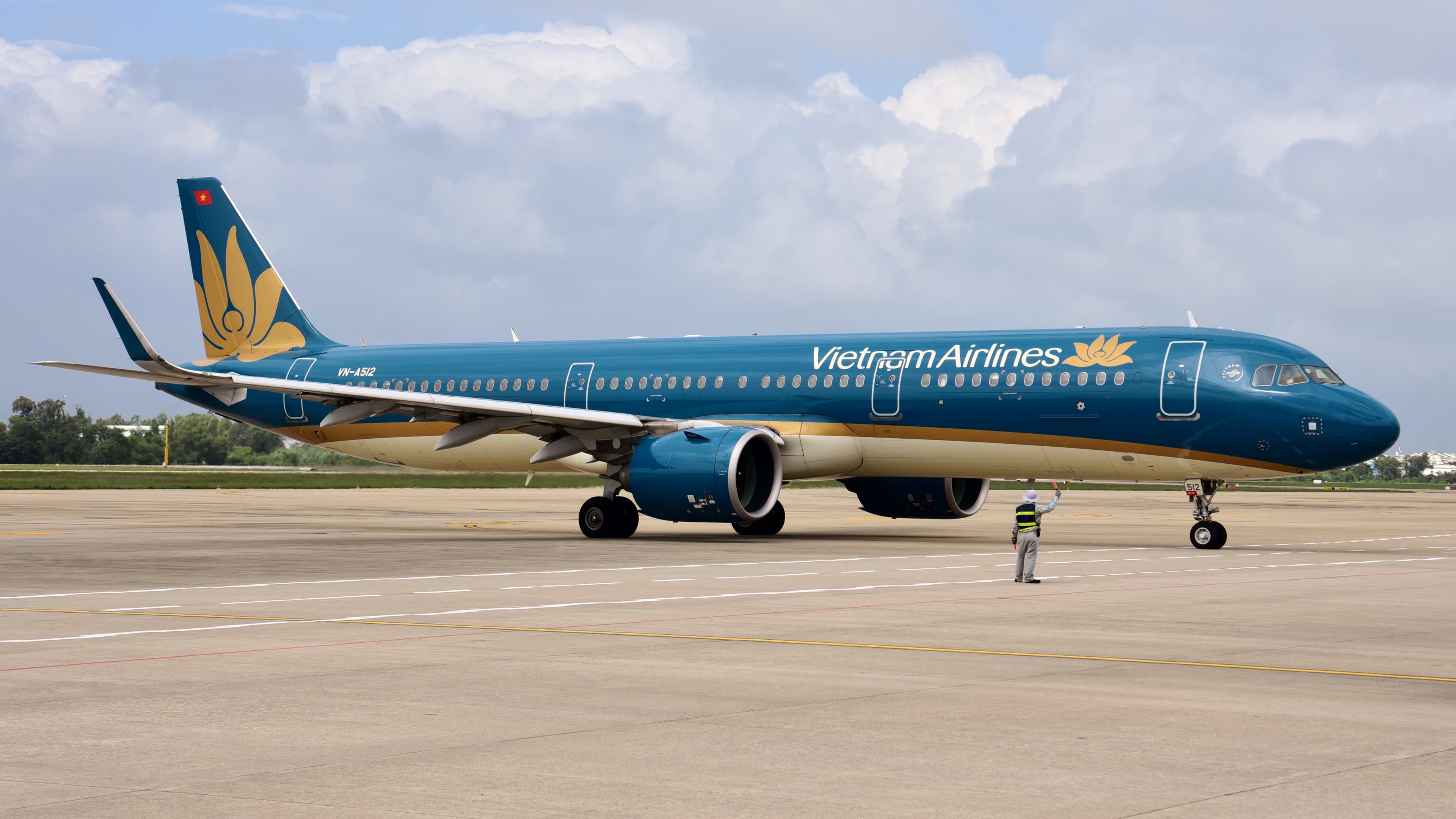
Vietnam Domestic Airfare Caps from October 2026: How New Ceiling Fares Affect Hanoi–Da Nang, HCMC–Nha Trang, and Other Tourist Routes
Vietnam will cap base fares on domestic economy flights from 1 October 2026, cutting peak prices on routes like Hanoi–Da Nang and HCMC–Nha Trang by 10–15%. This guide explains which airlines and tickets are covered, what fees remain outside the cap, and how international visitors can time bookings to pay less.

Vietnam Trains Station Guide: Hanoi, Hue, Da Nang, Nha Trang, and Saigon in 2026
A station focused guide to Vietnam trains in 2026: Hanoi, Hue, Da Nang, Nha Trang, and Saigon. It covers city center distances, Grab fares, facilities, luggage storage caveats, boarding steps, and sample ticket prices, so you can plan arrivals, transfers, and e-ticket checks before you travel.

Da Nang–Nha Trang Overnight Sleeper Train: Fares, Booking, and Onboard Tips (2026)
This guide covers everything international travelers need to know about the Da Nang–Nha Trang overnight sleeper train in 2026, including updated fares, schedules, booking methods, entry requirements, and what to expect onboard. It’s a practical resource for planning a comfortable rail journey between Central Vietnam’s top beach cities.