Vietnam Travel Guide Itinerary 2026: Two-Week North-to-South Route by Train and Plane
This 2026 Vietnam travel guide itinerary covers a practical 14-day north-to-south route from Hanoi to Ho Chi Minh City, with current prices, transport legs, entry tickets, and day-by-day planning for first-time visitors. Use it to budget, choose travel months, and avoid monsoon disruptions in central Vietnam.

Trip plan
Day-by-day itinerary
Day 1
Arrive in Hanoi
Land at Noi Bai International Airport (HAN) and transfer to the Old Quarter. Practice crossing streets in Hanoi traffic, carry small bills, and set up QR payment or a local SIM. Spend the evening eating street food for $2-4 per dish.
Related reading
Keep exploring Vietnam
- 1
- 2
- 3
At a glance
- Best time
- February-April; October-November with central rain risk
- How long
- 14 days
- Budget
- $40-120 per day depending style; mid-range $80-120 per day
- Getting there
- Fly into Hanoi (HAN) or Ho Chi Minh City (SGN); domestic flights $50-90
- Language
- Vietnamese
- Currency
- Vietnamese dong (VND)
Route overview for this Vietnam travel guide itinerary: Hanoi to Ho Chi Minh City in 14 days
This 14-day Vietnam travel guide itinerary runs as a north-to-south arc from Hanoi to Ho Chi Minh City. You can enter at Hanoi (HAN) or Ho Chi Minh City (SGN), and Da Nang (DAD) also works as an entry point. One internal flight, one overnight train, and a few short road transfers cover the long distances without backtracking. The stop order is Hanoi, Ha Long Bay, Ninh Binh, Hue, Da Nang, Hoi An, Ho Chi Minh City, and the Mekong Delta.
Domestic flights with Vietnam Airlines or VietJet connect Hanoi, Da Nang, and Ho Chi Minh City in about 1.5 hours for $50-90 one-way. On this itinerary the only flown leg is from Da Nang to Ho Chi Minh City. The long stretch from Ninh Binh to Hue uses the overnight Reunification Express, with soft sleeper cabins at $30-50. For short hops, a bus or limousine from Hanoi to Ninh Binh costs $10-15 and takes 2-3 hours. Road transfers also work between Da Nang and Hoi An.
The first half of the trip stays in the north: Hanoi, a Ha Long Bay overnight, and Ninh Binh. The middle section moves through central Vietnam: Hue, Da Nang, and Hoi An. You can enter at Da Nang and start this middle section if you want to split the itinerary. The final days cover Ho Chi Minh City and a Mekong Delta day trip. This order keeps travel days short and avoids a long bus ride down the coast.
Fly out of the opposite end you started in unless you plan to return to your arrival city. The $50-90 one-way flight fare and 1.5-hour flight time make the north-to-south route cheaper than adding extra hotel nights on the train. The one exception is the Reunification Express soft sleeper leg from Ninh Binh to Hue, where the $30-50 cabin buys scenery and a night's accommodation at the same time.

When to visit Vietnam: month-by-month for the 2026 Vietnam travel guide route
The best window for the 14-day Vietnam travel guide 2026 route is February to April. Those months bring cool, dry conditions in the north and mild weather in Ho Chi Minh City. You avoid the two weather problems that stall this itinerary most often: central Vietnam flooding and northern summer thunderstorms. For first-time visitors, this stretch also keeps the full Hanoi to Ho Chi Minh City plan on schedule.
October and November are a workable second option for parts of the route, but central Vietnam rains peak during these months. Hue, Da Nang, and Hoi An sit directly in the wet zone. High water there can flood streets, stall the mid-route flight or train connection, and leave the 120,000 VND ($6) Hoi An Ancient Town ticket largely unused if downpours keep you indoors. If you travel in this window, keep the central leg short, build in one spare day, and put more time into Hanoi, Ha Long Bay, and the Mekong Delta.
December and January are good for Ho Chi Minh City and the south, including Cu Chi Tunnels and the Mekong Delta. The trade-off is Ha Long Bay, which can sit under mist and low cloud, blurring the karst views that justify the $150-300 one-night cruise price. Summer, from May through August, is hot and humid along the whole route, with northern thunderstorms around Hanoi. If your two weeks fall in summer, plan outdoor activities for early morning and keep indoor stops like the War Remnants Museum for the hottest afternoons.
For the Vietnam travel guide 2026 route, the clearest timing rule is to avoid scheduling Hue, Da Nang, and Hoi An from September to November if your dates are flexible. If those are your only dates, pack a rain shell, confirm hotel cancellation terms before booking, and accept that the central coast may need a reroute to Ninh Binh or extra days in Hanoi. The same September-November window that floods central Vietnam is a good time to add an extra night in Ninh Binh, where the Hanoi to Ninh Binh bus costs $10-15 and takes 2-3 hours. Outside the central monsoon, most of this north-to-south itinerary moves without major weather interruptions.

Days 1-4: Hanoi, Ha Long Bay, and the Ninh Binh transfer
For the first four days of this Vietnam travel guide, Hanoi street food runs $2-4 per dish, and QR payment scans are accepted at most stalls, restaurants, and convenience stores; carry small bills for street vendors and xe om drivers who still prefer cash. Spend Days 1-2 learning to cross the city's traffic: step off the curb at a steady pace, never stop or step backward, and let motorbikes flow around you. Practice first at a crossing near Hoan Kiem Lake, where pedestrian lights exist but locals often ignore them. Keep small bills separate for quick transactions in the Old Quarter.
Book Ha Long Bay before you arrive. Day tours cost $35-70 per person, excluding kayaking; one-night cruises run $150-300. Use the official website of the cruise line or a vetted travel agent, not touts around Hoan Kiem Lake or at the bus station. Check whether the itinerary enters Lan Ha Bay; it has the same limestone karsts with fewer boats and is a quieter alternative to the main Ha Long routes. If you choose a day tour, confirm return time to Hanoi so you don't miss your bus to Ninh Binh the next morning.
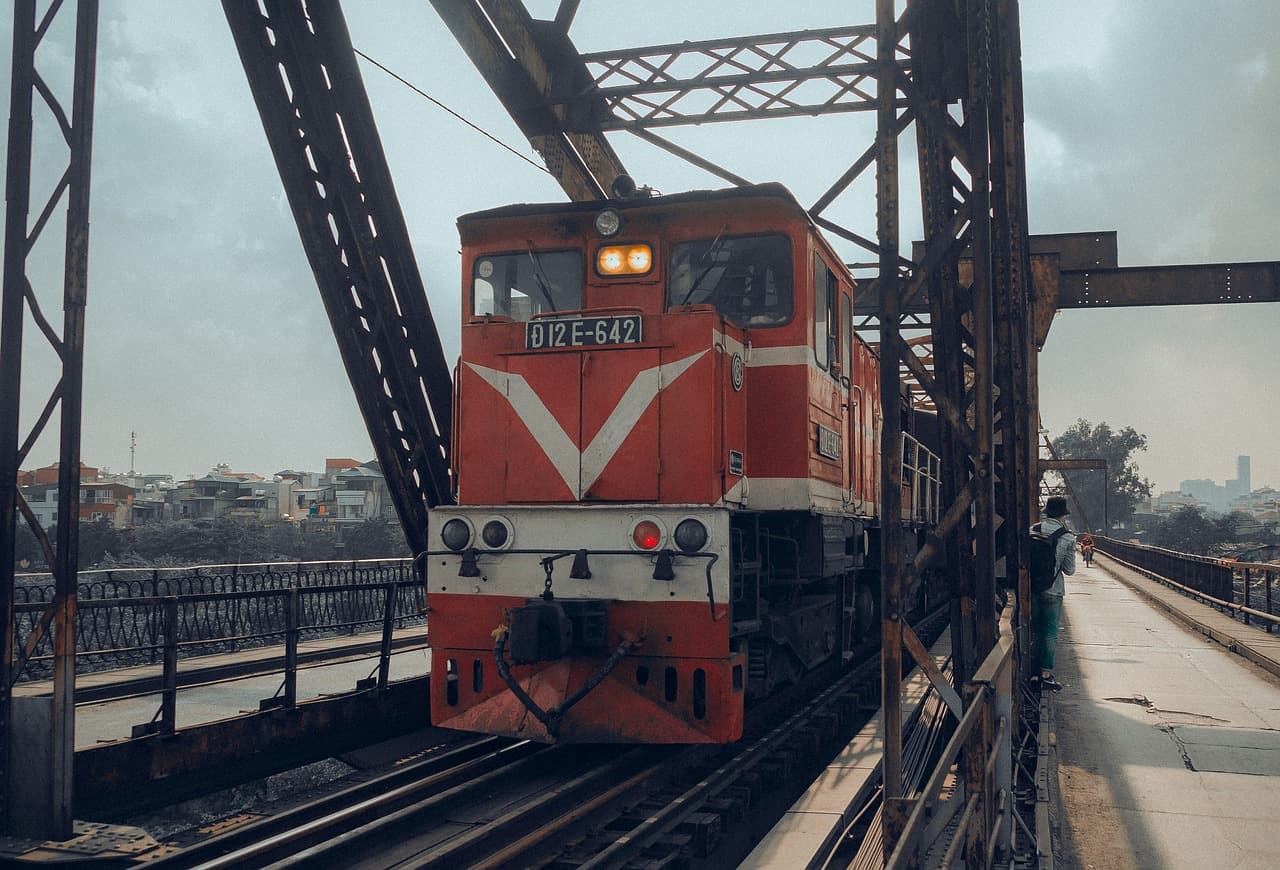
The Hanoi to Ninh Binh bus costs $10-15 and takes 2-3 hours, departing from Giap Bat or My Dinh stations or via tourist limousine services. Ninh Binh works as a day stop before the overnight train to Hue: store luggage at a homestay, take a short boat trip through Trang An or Tam Coc, then board the Reunification Express soft sleeper in the evening. Soft sleeper cabins on that overnight leg run $30-50. This sequence keeps Day 4 moving without wasting a full night in Ninh Binh.

Days 5-7: Hue and the Da Nang transfer
Hue Imperial City costs 200,000 VND ($10) and opens 7:00-17:30 daily. That ticket covers the main citadel, including the Forbidden Purple City and several museum buildings. The outlying royal tombs are not included; each has separate fees, so check the current price at the tomb entrance or official tourism site before hiring a motorbike or taxi. Allow at least half a day inside the walls, and start early to avoid midday heat.
From Hue, the easiest move south is by train to Da Nang. The Reunification Express runs scenic coastal stretches between the two cities, but the journey can fill up on weekends and holidays. If you plan to fly onward from Da Nang to Ho Chi Minh City, domestic one-way tickets with Vietnam Airlines or VietJet run $50-90 per leg and take 1.5 hours. Book the flight a few days ahead for the lower end of that range. For the Hue to Da Nang hop itself, a taxi or private car is faster than the train and can stop at the Hai Van Pass, but costs more than the Reunification Express.
Central coast weather deserves a packing check. Monsoon rains hit Hue, Da Nang, and Hoi An hardest from September to November, with flooded streets and delayed trains. A light rain jacket and quick-dry shoes are enough for most days, but a dry bag for electronics helps on boat transfers. If you arrive in these months, keep one flexible day in the plan for weather-related changes.
Before leaving Hue, check the Hoi An lantern festival calendar. The festival dates shift with the lunar calendar; if your visit aligns, book a Hoi An hotel early because the old town fills up. Hoi An is a short taxi or shuttle ride from Da Nang airport or train station, making it an easy next stop.

Days 8-11: Hoi An to Ho Chi Minh City
Hoi An Ancient Town costs 120,000 VND ($6) for a ticket valid at 5 of 20 sites. The ticket office and heritage sites open 7:00-21:00, though some sites close at 17:30. Buy your ticket at any official counter in the old town, then pick the five places you actually want to see: the Japanese Covered Bridge, an assembly hall, a merchant house, a museum, and a traditional performance. Ignore anyone on the street offering to sell you tours or tickets; book Hoi An walking tours and cooking classes only through reputable operators or your hotel front desk to avoid inflated prices and fake guides.
After Hoi An, return to Da Nang airport and fly to Ho Chi Minh City. Vietnam Airlines and VietJet run frequent flights on this route in about 1.5 hours, with one-way fares typically $50-90. Book the late afternoon or evening flight to use the morning in Hoi An, or take a midday flight and reach District 1 by taxi or ride-hailing app. The flight is far more practical than any train or bus combination, and it leaves you with two full days for the southern stops.
In Ho Chi Minh City, start with the War Remnants Museum. Admission is 80,000 VND ($4), and the museum is open 7:30-17:30 daily. Go early to avoid the hottest part of the day and the largest tour groups; the content is direct and you will want at least 90 minutes inside.
For the tunnels, book a half-day trip to Cu Chi. The standard tour costs 300,000 VND ($15) including the entrance fee and guide, and the site is open 7:00-17:00. Most visitors pair this with the War Remnants Museum on consecutive days to understand the war from city to countryside. The tunnels are narrow and low, and you can choose how many sections to enter. Booking directly with a licensed operator or your hotel avoids the touts who sell cheaper-looking trips from the street.

Days 12-14: Mekong Delta, departure, and Vietnam travel guide costs
For the last three days in the Mekong Delta and your departure from Ho Chi Minh City, budget travelers should plan $40-60 per day. Dorm beds cost $8-12 and street food meals run $2-4. Mid-range travelers spend $80-120 daily, with 3-star hotels at $30-60 and restaurant meals at $8-15.
Entry fees across the whole two-week Vietnam travel guide itinerary total about $50. Ha Long Bay does not charge a separate entry fee; it is included in day tours from $35-70 per person or 1-night cruises from $150-300. The biggest separate tickets are Hue Imperial City at 200,000 VND ($10) and Cu Chi Tunnels at $15 including tour. Hoi An Ancient Town charges 120,000 VND ($6), valid for 5 of 20 sites, and the War Remnants Museum in HCMC is 80,000 VND ($4). Hoi An ticket office opens 7:00-21:00, but some sites inside close at 17:30, so start early if you want to use all five visits.
Domestic flight legs on this route cost $50-90 one-way, and the Hanoi-Da Nang-HCMC hop takes about 1.5 hours. If you skip flights, the Reunification Express soft sleeper runs $30-50, and the Hanoi-Ninh Binh bus costs $10-15 for a 2-3 hour ride. For the Mekong Delta return to HCMC, most travelers use bus or private car; confirm current fares locally because they change with route and season. A local SIM or eSIM with data costs $10-15, which helps with QR payments and transport apps. Carry small bills for delta markets and street food, but QR payments are widely accepted.
Factor the Vietnam e-visa at $25-50 into your budget before you book flights or hotels. It is valid 90 days for single or multiple entry, and you apply at evisa.xuatnhapcanh.gov.vn. This visa covers the entire north-to-south route, including the Mekong Delta, so you will not need a separate permit for the final days. Check the official site for current processing times and entry rules.

Frequently asked questions
Vietnam e-visa valid 90 days single or multiple entry costs $25-50 for many nationalities; apply at the official site evisa.xuatnhapcanh.gov.vn.
The 120,000 VND ($6) ticket covers 5 of 20 sites and is required for Old Town entry 7:00-21:00; some sites close 17:30.
Reunification Express trains offer soft sleeper cabins from $30-50, but the journey is long; domestic flights cost $50-90 and take about 1.5 hours per leg.
Central Vietnam sees monsoon rains and flooding September-November; plan Hue, Da Nang, and Hoi An for February-April if possible.
Travel details change — opening hours, prices, and schedules can vary by season. Please verify current information on official websites before your visit.
Watch: related videos
Vietnam Travel Guide Itinerary 2026: Two-Week North-to-South Route by Train and Plane — Video by LayG Traveller on Pexels · silent stock clip
Vietnam Travel Guide Itinerary 2026: Two-Week North-to-South Route by Train and Plane — Video by Daniela Risco on Pexels · silent stock clip
Sources
- vietnamtourism.gov.vn — Primary source
- vietnamcoracle.com — From research brief
- wanderingearls.com — From research brief
- roughguides.com — From research brief
- tripadvisor.com — From research brief
Loading reviews…
About the author
Phạm Quốc Bảo
Cities & Events Editor
Quốc Bảo covers Vietnam's cities and their calendars — street life, night markets, festivals, and the people who keep traditions running. He edits with an ear for what actually happens on the ground rather than what the brochures promise.
All articles by Quốc BảoRelated posts
Hanoi to Sapa day train 2026: a Vietnam travel guide to fares and daytime alternatives
This Vietnam travel guide 2026 explains why no true daytime Hanoi to Sapa train runs, lists overnight train and limousine bus fares, transfer costs, best months, booking cautions, and how international visitors can plan a daylight trip with current prices and schedules.

Vietnam travel news: Ho Chi Minh City to Mui Ne 2026 bus, train and private car guide
This Vietnam travel news guide explains how to travel from Ho Chi Minh City to Mui Ne in 2026 by bus, seasonal train, limousine van, and private car. It lists fares, schedules, booking channels, durations, last-mile transfers, holiday and weather risks, and practical checks so you can choose and book the right option.

Vietnam travel cost for a 14-day north-to-south trip: Hanoi, Hoi An, and Ho Chi Minh City in 2026
This 14-day Vietnam travel cost plan prices a fixed north-to-south route from Hanoi to Hoi An/Da Nang to Ho Chi Minh City in 2026. It covers e-visa fees, daily hostel and food costs, sleeper buses, trains, one domestic flight, activities, solo and couple totals, and Tet booking warnings. Use it to compare shoestring, mid-range, and couple budgets before booking.