Vietnam Travel in 2026: Visa Changes, New Rail Routes, and Tour Trends Explained
This article breaks down the key updates for visiting Vietnam in 2026: new visa-free transit rules, updated e-visa fees and processing, the launch of a faster Hanoi-Hue-Ho Chi Minh City rail route, and the latest eco and cultural tour trends. Get practical entry, transport, and booking tips for a smooth trip.

Related reading
Keep exploring Vietnam
- 1
- 2
- 3
At a glance
- Best time to visit
- October to April (dry season in most regions)
- How long to stay
- 7–14 days recommended
- Budget
- $50–$100 USD per day (mid-range)
- Getting there
- Major international airports in Hanoi, Ho Chi Minh City, Da Nang
- Language
- Vietnamese (English widely spoken in tourist areas)
- Currency
- Vietnamese Dong (VND)
Major Visa Changes for 2026
Vietnam’s visa policy saw a significant update in August 2026, with the introduction of a 240-hour (10-day) visa-free transit program. Travelers from Kyrgyzstan and a handful of other eligible countries can now transit through Vietnam without a visa for up to ten days, aligning Vietnam’s policy with China’s popular transit scheme. This makes short stays and multi-country itineraries in Southeast Asia more accessible for select nationalities, but eligibility remains tightly defined—travelers should consult the official Vietnam Immigration website to confirm their status before booking flights.
For most other visitors, the e-visa system remains the standard entry route. As of July 2026, e-visa processing times are typically 2–3 business days, but the application fee has increased to $45 USD. Travelers are required to apply online, upload supporting documents, and wait for electronic approval before arrival. It’s advisable to apply at least a week in advance, especially during peak travel periods, to avoid last-minute complications.
Certain nationalities, such as Bangladeshi citizens, now face stricter documentation requirements. This can include additional proof of accommodation, onward travel, and financial means. These rules are subject to frequent updates, and travelers from countries with more complex entry procedures should review the latest guidelines directly on the Vietnam Immigration portal before making any non-refundable bookings. Entry policies can shift with little notice, so checking for updates close to your departure date is essential to avoid denied boarding or entry delays.
New Express Rail Route: Hanoi–Hue–Ho Chi Minh City
Vietnam Railways introduced a new express rail route in July 2026, connecting Hanoi, Hue, and Ho Chi Minh City with significantly reduced travel times. The express service trims journey durations by 20% compared to previous schedules, making it easier for travelers to move between the north, central, and southern regions of Vietnam. For example, the Hanoi–Ho Chi Minh City segment, which previously took over 30 hours, now clocks in at just under 24 hours on the fastest services.
Economy class tickets for this express line start at 1,200,000 VND (about $50 USD), offering a cost-effective alternative to domestic flights, especially for those seeking a more scenic and relaxed journey. Tickets are available for purchase both online through the official Vietnam Railways website and at major train stations. However, demand spikes during national holidays and festivals, so it’s advisable to secure seats well in advance if you’re traveling during these periods.
The express route includes stops in Hue, giving travelers convenient access to the city’s UNESCO-listed imperial sites and central Vietnam’s cultural attractions. Schedules vary by day and season, with several departures daily, but last-minute availability can be limited during peak travel times. Checking timetables and booking tickets early is strongly recommended, particularly for those planning to travel with families or in groups. For the latest updates and to avoid disappointment, consult the official Vietnam Railways website before your trip.

Eco and Cultural Tour Trends
In 2026, eco-tourism and cultural immersion tours are dominating Vietnam’s travel market, with major operators rolling out new packages that emphasize sustainability and authentic local experiences. Companies like Vietravel and Saigontourist have expanded their offerings to include multi-day coastal excursions in Phu Yen and rural farm stays in the Mekong Delta, where guests participate in traditional rice planting or fishing alongside local families. These tours typically range from $120 to $350 USD per person, depending on duration and inclusions, and are designed to minimize environmental impact through small group sizes, low-waste policies, and partnerships with local communities.
Cultural tours are also seeing a surge, particularly those that go beyond sightseeing to include hands-on activities such as cooking classes in Hoi An, craft workshops in Bat Trang pottery village, and guided walks through ethnic minority villages in the Central Highlands. Travelers are increasingly seeking out operators who can provide genuine local interaction rather than scripted performances, and many packages now include home visits or meals with host families. Demand is high: coastal eco-tours and rural immersion packages often book out two to four weeks in advance, especially during national holidays and peak seasons. Early reservation is essential, as last-minute spots are rare.
However, rapid growth has sparked concerns about overdevelopment and the erosion of local identities, particularly in areas like Quang Binh and Sapa where resort construction is outpacing infrastructure. Before booking, travelers should check operator credentials and sustainability certifications—look for affiliations with organizations such as Travelife or Green Tourism Vietnam. Some tours may claim eco-friendly status without transparent practices, so reviewing guest feedback and asking about waste management or community benefit policies can help ensure a responsible choice.
Entry Requirements and Practical Tips
As of August 2026, most travelers to Vietnam still require an e-visa, which costs $45 USD and is processed within 2–3 business days. It’s essential to carry printed copies of your e-visa approval and any supporting documents, such as return tickets or hotel reservations, as airport officials may request them during immigration checks. Some travelers have reported inconsistent enforcement of entry rules at major airports, including Hanoi’s Noi Bai and Ho Chi Minh City’s Tan Son Nhat, with occasional requests for additional paperwork or clarification on travel plans.
Visa-free transit is now available for up to 10 days for nationals of Kyrgyzstan and a limited list of other countries, but eligibility is narrow and subject to change. Always verify your country’s status on the official Vietnam Immigration website before booking flights, as airlines may deny boarding if documentation is incomplete or ambiguous. Bangladeshi citizens and some other nationalities face stricter requirements, including additional supporting documents and longer processing times.
Entry fees and visa requirements can change with little notice. Before departure, check for updates directly from official sources such as the Vietnam Immigration Department or your local Vietnamese consulate. During busy travel periods or festivals, allow extra time for airport procedures, as queues and document checks may be longer than usual. Keeping both digital and paper copies of all entry documents can help avoid delays or complications at the border.

Booking and Transport Advice
Popular eco and cultural tours in Vietnam are now booking out several weeks in advance, especially for in-demand coastal and rural destinations. Major operators such as Saigontourist and Vietravel have reported that their sustainable travel packages along the central coast and in the Mekong Delta are often fully reserved a month ahead of peak travel periods. Prices for day tours typically start at 800,000 VND (about $33 USD), with multi-day packages ranging higher depending on the level of accommodation and included activities. If you’re planning to visit during festival seasons or national holidays, it’s best to secure your spot as soon as your travel dates are confirmed.
Vietnam Railways’ new express route linking Hanoi, Hue, and Ho Chi Minh City has made long-distance travel faster, but ticket demand has also increased. Economy class fares start at 1,200,000 VND (around $50 USD), and tickets can be purchased online at vietnamrailways.vn or directly at train stations. However, during Tet, Reunification Day, and other major events, trains often sell out days in advance. Booking as early as possible is recommended, particularly if you require sleeper berths or specific travel times.
Visa and entry requirements have changed several times in 2026, so it’s essential to monitor official government sources—such as the Vietnam Immigration website—before and during your trip. Entry fees, eligible nationalities, and transit policies may shift with little notice. To avoid unexpected disruptions, consider purchasing travel insurance that covers changes to entry rules, cancellations, or delays. This precaution is especially relevant given reports of inconsistent enforcement at some airports and ongoing policy updates.
Frequently asked questions
As of August 2026, travelers from Kyrgyzstan and select other countries can transit through Vietnam for up to 10 days without a visa. Check the Vietnam Immigration website for the latest eligible countries.
The e-visa fee increased to $45 USD in July 2026. Processing typically takes 2–3 business days.
Tickets can be purchased online via the Vietnam Railways website or at major train stations. Book early for peak travel dates.
Many operators promote sustainability, but some concerns remain about overdevelopment. Research tour providers and look for those with clear sustainability practices.
Travel details change — opening hours, prices, and schedules can vary by season. Please verify current information on official websites before your visit.
Loading reviews…
About the author
Đặng Nhật Linh
Travel News & Money Editor
Nhật Linh curates Vietpeep's travel news and money guides — visa changes, transport updates, seasonal events, and how far your money goes. She writes for travelers who want current, practical answers without the fluff.
All articles by Nhật LinhRelated posts

Vietnam Travel News August 2026: Visa-Free Transit, Typhoon Alerts, and Coastal Train Updates
This article summarizes the most urgent Vietnam travel news for August 2026, including China’s new 240-hour visa-free transit policy, Typhoon Higos disruptions along the central coast, and the launch of the Da Nang–Nha Trang coastal train. It covers entry rules, weather impacts, and practical transport advice for international visitors.

Vietnam Themed Tours in September 2026: New Options, Prices, and Booking Tips
This article covers the latest themed tours across Vietnam as of September 2026, including new culinary, adventure, and heritage experiences. It details updated tour prices, current booking trends, entry rules, and practical advice for international travelers planning to join guided tours this season.
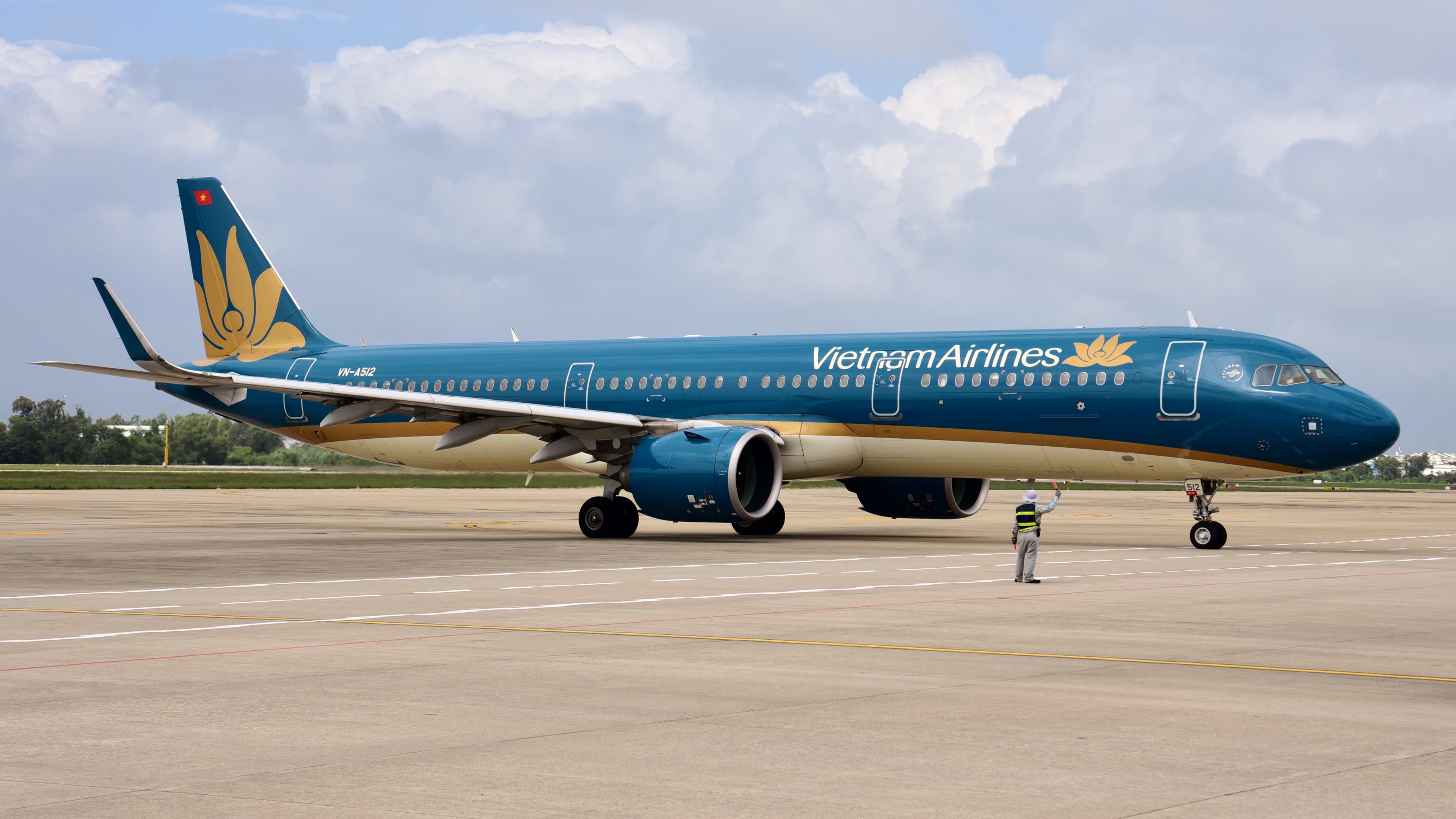
Vietnam Domestic Airfare Caps from October 2026: How New Ceiling Fares Affect Hanoi–Da Nang, HCMC–Nha Trang, and Other Tourist Routes
Vietnam will cap base fares on domestic economy flights from 1 October 2026, cutting peak prices on routes like Hanoi–Da Nang and HCMC–Nha Trang by 10–15%. This guide explains which airlines and tickets are covered, what fees remain outside the cap, and how international visitors can time bookings to pay less.