Vietnam Travel News August 2026: Visa-Free Transit, Typhoon Alerts, and Coastal Train Updates
This article summarizes the most urgent Vietnam travel news for August 2026, including China’s new 240-hour visa-free transit policy, Typhoon Higos disruptions along the central coast, and the launch of the Da Nang–Nha Trang coastal train. It covers entry rules, weather impacts, and practical transport advice for international visitors.

Related reading
Keep exploring Vietnam
- 1
- 2
- 3
At a glance
- Best time
- October–April (typhoon season August–September)
- How long
- Visa-free transit: up to 10 days
- Budget
- Coastal train from 950,000 VND (US$38); flexible costs during typhoons
- Getting there
- Major airports: Hanoi, Ho Chi Minh City, Da Nang
- Language
- Vietnamese; English spoken at main stations
- Currency
- Vietnamese Dong (VND)
China–Vietnam 240-Hour Visa-Free Transit
China’s new 240-hour visa-free transit policy, announced on August 20, 2026, allows eligible travelers to visit both China and Vietnam for up to 10 days without securing a traditional visa. This program is designed for international passengers transiting through either country, provided they arrive at one of Vietnam’s three major international airports: Hanoi (Noi Bai), Ho Chi Minh City (Tan Son Nhat), or Da Nang.
To qualify, travelers must present proof of onward travel—such as a confirmed flight, train, or bus ticket departing Vietnam within 240 hours of arrival. Immigration officers will check these documents at the border, and overstays are subject to fines or future entry bans. It’s important to note that this is strictly a transit arrangement, not a substitute for a full tourist visa. Those wishing to stay longer or travel for purposes beyond transit should apply for the appropriate visa in advance.
As of late August 2026, the official list of eligible nationalities has not been finalized. Early reports suggest the program will include citizens from several European and Asian countries, but travelers should consult the latest updates from Vietnamese and Chinese consular websites before making any bookings. Until the full list is published, booking flexible or refundable tickets is recommended for those hoping to use the transit exemption.
Typhoon Higos: Central Coast Disruptions
Typhoon Higos is expected to make landfall along Vietnam’s central coast between August 22 and 24, 2026, prompting severe weather warnings for Hue, Da Nang, and Hoi An. The Vietnam Meteorological Service has issued red alerts for heavy rain, strong winds, and possible flooding in these regions. Many beachfront resorts in Da Nang and Hoi An have begun issuing evacuation advisories to guests, especially those staying in low-lying or coastal areas. Local authorities are urging travelers to follow official guidance and relocate to safer accommodations if advised.
Transport disruptions are already affecting the area. As of August 21, several domestic flights to and from Da Nang International Airport have been delayed or canceled, and Vietnam Railways has reported schedule changes and suspensions on some central routes. Travelers are advised to check the latest updates directly with airlines and railway operators before heading to stations or airports. Most carriers are offering flexible rebooking options, but availability may be limited due to high demand.
Typhoon season in central Vietnam typically peaks from August through September, so daily monitoring of weather advisories is essential for anyone traveling in the region. Travel insurance that covers weather-related disruptions is strongly recommended, and booking accommodations and transport with flexible cancellation policies can help minimize losses if plans need to change at short notice. Reliable local news sources and the Vietnam Meteorological Service website provide the most up-to-date information on storm progress and safety recommendations.

Da Nang–Nha Trang Coastal Train Launch
Vietnam Railways launched its new Da Nang–Nha Trang coastal express service on August 19, 2026, offering a direct daily connection between two of Vietnam’s most popular beach cities. The train covers the 500-kilometer route in just under seven hours, a significant improvement over the usual 10-hour journey by conventional rail. Tickets start at 950,000 VND (about US$38) for standard seats, with options for upgraded cabins available. The train features panoramic windows for coastal views, reliable WiFi, and English-speaking staff—a detail noted by early traveler reviews as making the journey smoother for international visitors.
Travel bloggers who rode the inaugural service report clean cabins, efficient boarding, and a noticeably quieter ride compared to older trains. The panoramic windows are a highlight, offering uninterrupted views of beaches and fishing villages along the route. WiFi speeds are adequate for streaming and work, and staff are quick to assist with ticketing or luggage queries in English. The train departs daily from both Da Nang and Nha Trang, with morning and afternoon departures depending on demand.
Due to high demand—especially during typhoon-related flight cancellations—Vietnam Railways recommends booking tickets online at least 48 hours in advance. The booking portal supports English and accepts international cards. Travelers should check for schedule updates during typhoon season, as storms can cause delays or cancellations. Stations in both cities offer English-language customer service desks for help with rebooking or travel advice.
Entry Rules and Practical Travel Advice
Travelers using Vietnam’s new 240-hour visa-free transit, announced in August 2026, must present proof of onward travel and cannot exceed the ten-day (240-hour) limit. This program is not a substitute for a tourist visa—eligible travelers must enter and exit through designated international airports (Hanoi, Ho Chi Minh City, or Da Nang) and show tickets for their next destination. The official list of eligible nationalities is still being finalized, so it’s essential to confirm your status with the Vietnamese consulate or your airline before booking.
August and September mark the peak of typhoon season on Vietnam’s central coast. Typhoon Higos, for instance, has already led to widespread flight and train delays, as well as evacuation advisories for resorts in Hue, Da Nang, and Hoi An. Travelers should check Vietnam Meteorological Service updates daily and remain flexible, as schedules can change with little notice. Booking refundable tickets and travel insurance that covers weather-related disruptions is strongly recommended.
If your itinerary includes the central coast during a storm warning, consider rerouting through less-affected regions or adjusting travel dates. The new Da Nang–Nha Trang coastal train, while generally reliable, may also experience weather-related delays. English-speaking staff are available at major train stations to assist with rebooking and updates, but demand for seats can spike during typhoon disruptions—booking at least 48 hours in advance is wise. Staying informed and adaptable will help ensure a smoother trip during Vietnam’s unpredictable late-summer weather.

Open Questions and What to Watch
As of late August 2026, several uncertainties remain for travelers planning routes through Vietnam and neighboring China. The 240-hour visa-free transit policy, announced by China on August 20, currently applies only to travelers from a select group of countries, but the official list of eligible nationalities has not been finalized. Those considering this option should monitor the Chinese National Immigration Administration website and reputable news outlets like Qazinform for updates, as eligibility may change with little notice.
Typhoon Higos continues to disrupt travel plans along Vietnam’s central coast, with the extent and duration of delays varying by region and severity of weather. Local authorities in Hue, Da Nang, and Hoi An issue frequent updates, and travelers are advised to check the Vietnam Meteorological Service (vnmet.gov.vn) daily for the latest warnings and advisories. Airlines and railway operators are adjusting schedules in real time, so flexible bookings and travel insurance remain practical safeguards during the August–September typhoon season.
The new Da Nang–Nha Trang coastal train, while designed for reliability, is not immune to weather disruptions. Vietnam Railways recommends checking their official website or contacting station staff before departure, particularly if storms are forecast. Early reviews praise the train’s comfort and WiFi, but service interruptions are possible during severe weather. For the most current information on entry rules, weather alerts, and transport alternatives, rely on official government and railway sources rather than social media or third-party blogs, which may lag behind real-time developments.
Frequently asked questions
Eligibility depends on nationality; the official list is pending. Confirm with your embassy or airline before booking.
Many flights and trains along the central coast are delayed or canceled during the typhoon. Check with your carrier for the latest updates.
Book online at least 48 hours ahead via the Vietnam Railways website. English-language support is available.
Travel details change — opening hours, prices, and schedules can vary by season. Please verify current information on official websites before your visit.
Sources
- qazinform.com — Primary source
- globaltimes.cn — From research brief
- vnmet.gov.vn — From research brief
- vietnamrailways.vn — From research brief
- wanderingredhead.com — From research brief
- nomadicnotes.com — From research brief
Loading reviews…
About the author
Đặng Nhật Linh
Travel News & Money Editor
Nhật Linh curates Vietpeep's travel news and money guides — visa changes, transport updates, seasonal events, and how far your money goes. She writes for travelers who want current, practical answers without the fluff.
All articles by Nhật LinhRelated posts
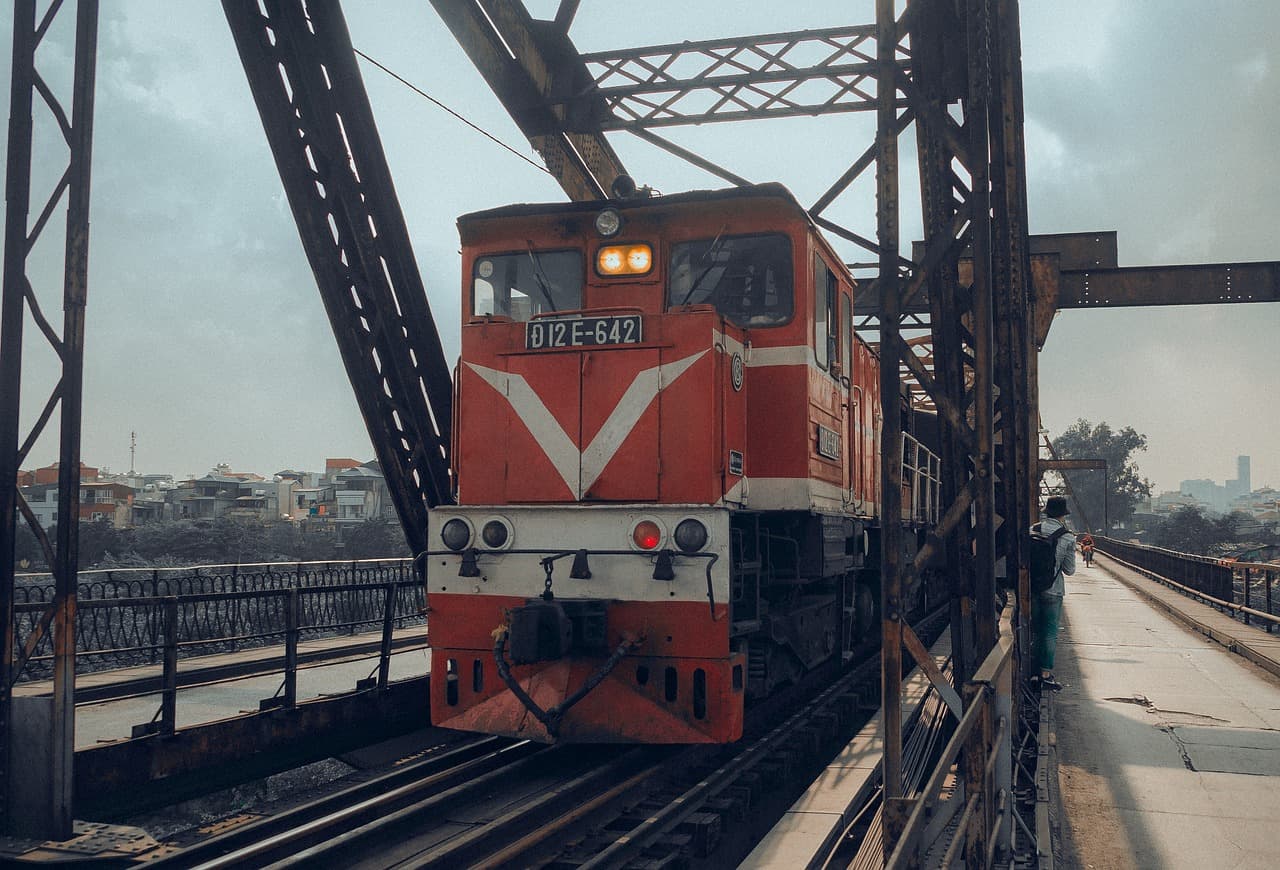
Vietnam travel news: train limits for 2026-27 peak season and how to book
Vietnam travel news for 2026: Lonely Planet and VnExpress report that Vietnam's trains remain slow, English booking is limited, and peak-season sleeper berths are scarce. This brief for international visitors explains who is affected, which routes matter, when to book, and how to compare flights and buses.

Hue–Phong Nha Heritage Train: 2026 Vietnam Travel News and Booking Guide
This 2026 Vietnam Travel News update covers the new heritage train between Hue and Phong Nha: route via Dong Hoi, expected travel time, fare range, booking channels, seasonal risks, and what to see at Phong Nha–Ke Bang. It helps international visitors plan tickets and transfers without guessing.

Vietnam Travel in 2026: Visa Changes, New Rail Routes, and Tour Trends Explained
This article breaks down the key updates for visiting Vietnam in 2026: new visa-free transit rules, updated e-visa fees and processing, the launch of a faster Hanoi-Hue-Ho Chi Minh City rail route, and the latest eco and cultural tour trends. Get practical entry, transport, and booking tips for a smooth trip.