Vietnamese Culture and Dining Shows: Where to Experience Heritage Performance and Cuisine in 2026
This article guides international visitors to Vietnamese culture and dining shows in Hanoi, Ho Chi Minh City, and Da Nang for 2026. It covers key venues, ticket prices, etiquette, transport, and practical tips, helping travelers enjoy live folk performances paired with regional cuisine in an authentic, immersive setting.

Related reading
Keep exploring Vietnam
- 1
- 2
- 3
At a glance
- Best time
- Year-round; special events on weekends and Nov 24 (Vietnamese Culture Day)
- How long
- 2–3 hours per show, including dinner
- Budget
- 850,000–1,500,000 VND ($35–$60 USD) per person
- Getting there
- Grab, taxi, or public transit; venues in central Hanoi, Saigon, Da Nang
- Language
- Vietnamese; English narration/menu explanations available
- Currency
- Vietnamese Dong (VND)
Top Venues in 2026
Lune Production at the Hanoi Opera House remains one of the most sought-after venues for Vietnamese culture and dining shows in 2026. Located a short walk from Hoan Kiem Lake, the Opera House hosts nightly performances that blend traditional music, folk dance, and áo dài fashion with a multi-course dinner inspired by northern Vietnamese cuisine. Shows typically begin at 7:30 pm, but it’s wise to arrive by 7:00 pm for seating and pre-show introductions. Advance booking is essential, especially for weekends and special occasions like Vietnamese Culture Day on November 24, when ticket demand spikes and prices may reach the higher end of the 850,000–1,500,000 VND range.
In Ho Chi Minh City, the Saigon Cultural Dining Experience operates across several venues in District 1, making it accessible from most central hotels. These events combine southern Vietnamese culinary specialties—such as bánh xèo and fresh spring rolls—with performances featuring court music and regional folk dances. Most shows start around 7:00 pm and run for two to three hours. The venues offer English-language narration and menu explanations, and reservations can be made online or through hotel concierges. Themed nights, often scheduled on weekends, encourage guests to wear áo dài and may include interactive segments.
Da Nang’s Heritage Dinner Show is staged along the Han River waterfront, with evening events that highlight central Vietnamese traditions and Hue-style imperial cuisine. The venue’s proximity to the city center and major hotels makes it convenient for both tourists and business travelers. Shows are held nightly, with special performances and expanded menus on weekends and Vietnamese Culture Day. As with other cities, it’s best to check the current schedule and book tickets in advance, as some performances rotate monthly to showcase different regional themes.
Entry Fees and Booking
Entry fees for Vietnamese culture and dining shows in 2026 typically range from 850,000 to 1,500,000 VND per person (about $35–$60 USD), with this price covering both a multi-course meal and a live performance. The lower end of the price spectrum generally includes standard seating and a set menu, while premium or VIP seating, which may offer better stage views or exclusive menu items, can push prices toward the higher end. Special events—such as Vietnamese Culture Day on November 24 or themed weekends—sometimes carry an additional surcharge, so it’s wise to check the details before booking.
Advance booking is strongly advised, particularly for weekend shows or public holidays when both locals and tourists compete for seats. Most venues, including Lune Production at the Hanoi Opera House and the Saigon Cultural Dining Experience, offer online booking through their official websites. Major ticketing platforms such as Ticketbox.vn also list current schedules and allow for seat selection. If you prefer in-person assistance, hotel concierges in Hanoi, Ho Chi Minh City, and Da Nang can arrange reservations and often provide up-to-date information on show themes and menu options.
When booking, be sure to confirm what’s included in your ticket—some venues provide complimentary welcome drinks or small gifts, while others offer only the meal and performance. If you have dietary restrictions or want to request a vegetarian or halal menu, include this information at the time of booking to ensure the kitchen can accommodate your needs.

Dress Code and Etiquette
Smart casual attire is the standard for Vietnamese culture and dining shows in 2026. Most venues specify no shorts, flip-flops, or sleeveless tops, and some may turn away guests who arrive in overly casual clothing. For men, collared shirts and trousers are appropriate; women often wear dresses or slacks with blouses. On certain themed nights, guests are encouraged to wear traditional Vietnamese clothing like the áo dài. Rental options for áo dài are sometimes available on-site or through local shops near major venues, especially in Hanoi and Ho Chi Minh City.
Arriving 15 to 30 minutes before the show’s scheduled start ensures time for seating and pre-show introductions. This window is also when staff offer menu explanations and, on some nights, brief overviews of the cultural performances. Late arrivals may be asked to wait until a suitable break to enter, so punctuality is important.
Photography is generally allowed during performances, but guests should disable their flash to avoid distracting performers and other attendees. Some venues announce this policy before the show begins. Applause is welcome at the end of musical numbers or dance sets, but loud conversation is discouraged throughout the event. Respecting these customs helps maintain the atmosphere and shows appreciation for the performers’ craft.
Cultural Highlights and Cuisine
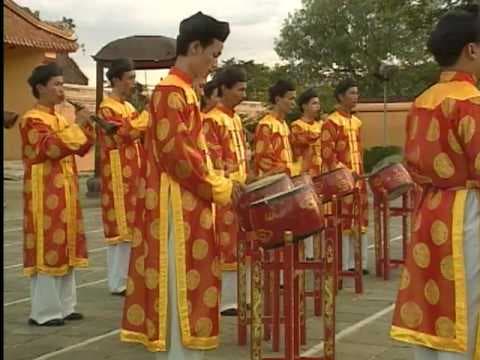
Attendees at Vietnamese culture and dining shows in 2026 can expect a carefully curated blend of live performance and regional cuisine that highlights the country’s rich heritage. Most shows begin with Nhã nhạc, the elegant court music once reserved for imperial ceremonies in Hue and now recognized by UNESCO as an Intangible Cultural Heritage. This is often paired with folk dances from the northern, central, and southern regions, such as the lotus dance or the lively múa sạp bamboo dance. Many evenings include a segment featuring the áo dài, Vietnam’s national dress, with models and dancers showcasing its evolution through the decades.
The culinary component is just as thoughtfully presented. Multi-course menus typically feature regional specialties, with Hanoi venues highlighting northern flavors and Da Nang shows focusing on central Vietnamese dishes. Hue-style imperial cuisine, known for its delicate flavors and intricate presentation, is a common highlight—expect dishes like bánh bèo (steamed rice cakes) and nem lụi (lemongrass pork skewers). In Ho Chi Minh City, southern favorites such as bánh xèo (crispy turmeric pancakes) and canh chua (sweet-and-sour fish soup) are often served. Vegetarian and other dietary options are available if requested in advance.
To ensure accessibility, most venues provide English-language narration during performances and detailed menu explanations, making it easy for international guests to appreciate the cultural significance of each act and dish. Performances and menus may rotate monthly, so it’s a good idea to check the current schedule if you’re hoping to see a particular tradition or taste a specific regional specialty.
Transport and Practical Tips
Grab and local taxi services are the most convenient ways to reach Vietnamese culture and dining show venues in Hanoi, Ho Chi Minh City, and Da Nang. In Hanoi, the Lune Production shows at the Hanoi Opera House are just a five-minute walk from Hoan Kiem Lake, making them accessible for travelers staying in the Old Quarter. Public buses and electric shuttles also stop nearby, but most visitors opt for a quick ride-hailing trip to avoid evening traffic.
In Ho Chi Minh City, cultural dining shows are concentrated around District 1, close to major hotels and attractions. Grab rides from central locations like Ben Thanh Market or Nguyen Hue Walking Street typically cost 60,000–100,000 VND ($2.50–$4 USD) and take less than 15 minutes. For Da Nang, venues such as the Heritage Dinner Show are located along the Han River waterfront, with easy access from beachfront hotels or the city center via taxi or Grab. Da Nang’s public bus routes are limited after 7 PM, so private transport is recommended for evening events.
To ensure a smooth experience, communicate any dietary restrictions—vegetarian, halal, gluten-free—when booking. Most venues offer English-language menu explanations, but advance notice helps staff accommodate special requests. Confirm show times and menu details directly with the venue or through recent traveler reviews, as schedules and offerings may change monthly. Arriving 15–30 minutes early allows time for seating and pre-show introductions, and avoids last-minute rush. Avoid relying on outdated guidebooks; prices and event formats have changed since 2024.

Open Questions and Caveats
Performance themes at Vietnamese culture and dining shows are not fixed throughout the year; venues like Lune Production at Hanoi Opera House and Da Nang’s Heritage Dinner Show often rotate their programs monthly. For example, a show might focus on Hue imperial music one month and southern folk dances the next. If you’re hoping to catch a particular style—such as áo dài fashion or Nhã nhạc court music—check the venue’s online schedule or contact them directly before booking. Special events, including Vietnamese Culture Day on November 24 or weekend gala dinners, may feature unique performances and menu items not available on regular nights.
Ticket prices can also fluctuate depending on the event. While standard admission ranges from 850,000–1,500,000 VND ($35–$60 USD), VIP seating or special event nights may cost more. Some venues offer premium packages with upgraded menus or exclusive seating, so clarify pricing details when reserving. Dietary restrictions are accommodated at most venues, but options for vegetarian, halal, or gluten-free meals are not always listed online. It’s best to notify the venue of any dietary needs at least two days in advance, either through their booking platform or by phone.
Guidebooks published before 2024 may list outdated prices, schedules, or menu formats; venues have updated their offerings and event formats in recent years. For the most accurate information, consult recent traveler reviews and the venue’s official website. This is especially important for last-minute changes or seasonal highlights. If you have specific preferences or requirements, direct communication with the venue is the safest approach.
Frequently asked questions
Yes, but communicate your needs (vegetarian, halal, gluten-free) in advance when booking.
Photography is permitted, but flash is discouraged during performances.
Smart casual attire is required; áo dài is encouraged for themed nights but not mandatory.
Yes; most venues provide English-language narration and menu explanations.
Travel details change — opening hours, prices, and schedules can vary by season. Please verify current information on official websites before your visit.
Sources
- wanderingredhead.com — Primary source
- luneproduction.com — From research brief
- nomadicnotes.com — From research brief
- vietnamheritage.org — From research brief
- unesco.org — From research brief
Loading reviews…
About the author
Trần Thị Diệu Hằng
Culture & Coast Editor
Diệu Hằng edits Vietpeep's culture, heritage, and coastal coverage with a preference for clear, unhurried prose. She looks for the details that give a place its pace — temple bells, fish-drying racks, the quiet of an island morning — and cuts adjectives until they surface.
All articles by Thị Diệu HằngRelated posts

Vietnam Culture Day in Da Nang: How to Experience Heritage, Art, and Festivities (2026)
This guide covers Vietnam Culture Day in Da Nang on November 24, 2026, detailing main venues, event schedules, entry fees, etiquette, dress codes, and practical tips for international visitors. Learn how to make the most of Da Nang’s unique blend of Cham heritage, Vietnamese traditions, and contemporary arts during this annual celebration.
Nha Nhac in Hue: Vietnam Culture Shows, Tickets, and 2026 Schedules
A practical 2026 guide to seeing Nha Nhac, Vietnam culture's UNESCO-listed court music, in Hue. Includes daily shows at the Royal Fine Arts Museum, the VND150,000 ticket, June 2026 Hue Festival performances at Thien Dinh, etiquette, and how to verify schedules.

Vietnam Culture Day 2026 at Ho Chi Minh City’s Museum of Vietnamese History: Events, Entry, and Practical Tips
This guide covers Vietnam Culture Day 2026 at the Museum of Vietnamese History in Ho Chi Minh City, detailing event highlights, entry fees, transport, etiquette, and food options. It’s designed for international visitors seeking an authentic cultural experience, with practical advice for navigating the festivities and understanding their historical significance.