Ha Giang Loop 2026: Vietnam Travel Tips for Permits, Easy Rider Costs, and Self-Drive Rules
This Ha Giang Loop 2026 guide gives first-timers the practical Vietnam travel tips they need: border permits, Hanoi-to-Ha Giang transport, 3-day costs, self-drive versus easy rider, police checks, and seasonal timing. It uses one set of prices and dates so you can budget and book without conflicting numbers.
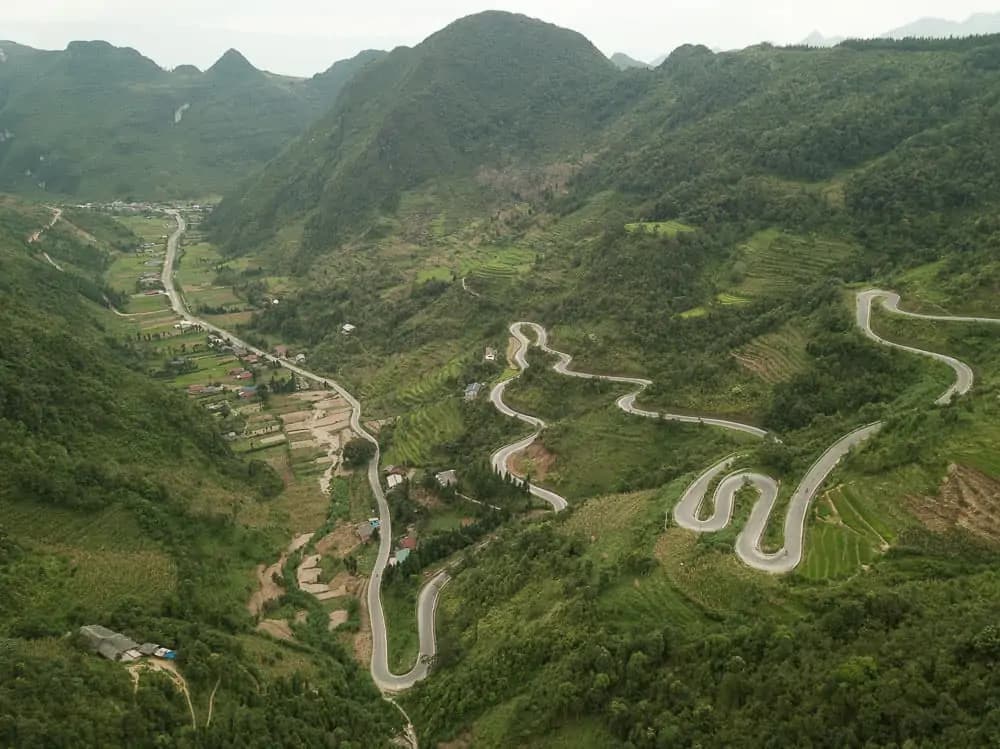
Trip plan
Day-by-day itinerary
Day 1
Ha Giang to Dong Van via Quan Ba and Yen Minh
Start in Ha Giang after your permit is arranged. Ride through Quan Ba and Yen Minh to Dong Van. Overnight in a homestay in Dong Van. Check weather before the passes.
Related reading
Keep exploring Vietnam
- 1
- 2
- 3
At a glance
- Best time
- September to November and March to May
- How long
- 3-4 days, 350-400 km
- Budget
- Easy rider 3-day tour 3.5-5.5 million VND; self-drive 150,000-250,000 VND per day rental plus 70,000-100,000 VND per day fuel
- Getting there
- Sleeper bus 6-8 hours, 300,000-500,000 VND; limousine 400,000-600,000 VND
- Language
- Vietnamese; English at hostels and tour operators
- Currency
- Vietnamese dong (VND)
Vietnam travel tips: permits and paperwork for the Ha Giang Loop
Vietnam travel tips: permits and paperwork for the Ha Giang Loop
For Vietnam travel tips on the Ha Giang Loop, start with the border permit. Foreigners entering border districts generally need one, arranged by hostels or tour operators in Ha Giang. The price is 210,000-300,000 VND ($8-12). Carry your passport with the permit. Police checkpoints may ask for both. The permit is not a riding licence. Vietnam does not recognise most IDPs for riding, and police checkpoints in 2026 fine unlicensed riders 1-2 million VND ($40-80). If you ride without a Vietnamese licence, insurance is void.
Permit rules vary by district and year. Some districts may require extra permits in 2026. That is an open question, so verify locally. Confirm with a Ha Giang operator before booking. A hostel or tour company that runs the loop daily will know which districts are checking permits that week. Ask whether the permit covers your full route: Ha Giang, Quan Ba, Yen Minh, Dong Van, Meo Vac, Du Gia. If a district on your route has extra requirements, the operator should arrange it or tell you where to get it.
Easy rider 3-day tours usually include the permit in the tour price. Those tours cost 3.5-5.5 million VND ($140-220) and cover rider, homestays, meals, and permit. If you book a self-drive rental, the permit is usually separate. Self-drive semi-auto rental is 150,000-250,000 VND per day, fuel is 70,000-100,000 VND per day, and you still need the 210,000-300,000 VND ($8-12) permit. Carry the paper permit and passport in a dry bag. Checkpoints can appear on the Quan Ba to Yen Minh stretch or near Dong Van. Before you pay a deposit, ask the operator two questions: does this tour include the border permit, and are any districts on my route requiring an extra permit in 2026? Get the answer in writing.
Vietnam travel tips: getting from Hanoi to Ha Giang
Vietnam travel tips: getting from Hanoi to Ha Giang
Vietnam travel tips for this route start with the bus: a sleeper from Hanoi to Ha Giang costs 300,000-500,000 VND ($12-20) and takes 6-8 hours. Limousines cover the same road for 400,000-600,000 VND, with fewer seats and more room. The loop itself runs 350-400 km over 3-4 days, with homestays at 100,000-250,000 VND per night and meals at 50,000-100,000 VND. Neither ticket includes the border permit you need later.
Vietnam travel tips: sorting transport and permits
Book through your hostel or a Ha Giang tour operator instead of a standalone ticket agent. Most hostels and tour operators can book transport and hold your permit paperwork, which matters because foreigners entering the border districts generally need a permit costing 210,000-300,000 VND ($8-12), arranged by those same operators. Carry your passport. A 3-day easy rider tour at 3.5-5.5 million VND ($140-220) folds the permit, rider, homestays, and meals into one price. Self-drive semi-automatic rentals in Ha Giang run 150,000-250,000 VND per day plus 70,000-100,000 VND per day in fuel, arranged after you arrive. Vietnam does not recognise most IDPs for riding, and police checkpoints fine unlicensed riders 1-2 million VND ($40-80).
Vietnam travel tips: booking around Tet 2026
Tet 2026 falls on 17 February. Expect closures and crowded buses around 14-22 February, and sleeper buses fill days ahead in that window. If your loop dates sit anywhere near it, book return transport before you leave Ha Giang rather than from Dong Van or Meo Vac at the end of the ride.
Permit rules and police enforcement vary by district and year, so confirm details with a Ha Giang operator before you book.
Vietnam travel tips: when to ride the Ha Giang Loop
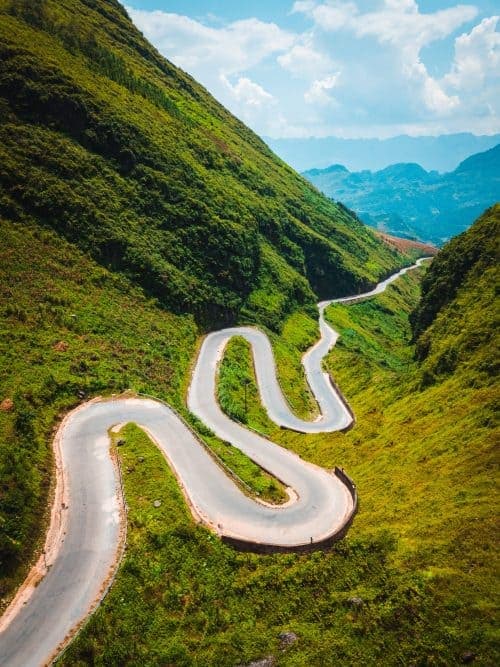
The best months to ride the Ha Giang Loop are September to November and March to May. The 350-400 km route from Ha Giang through Quan Ba, Yen Minh, Dong Van, Meo Vac, and Du Gia usually takes 3-4 days. For Vietnam travel tips, timing matters because high passes can lose visibility in minutes. Book sleeper buses or limousines early. Hanoi to Ha Giang sleeper buses cost 300,000-500,000 VND ($12-20) and take 6-8 hours; limousines cost 400,000-600,000 VND.
December to February brings cold and fog. Temperatures drop on the passes, and fog can hide the road edges. Many hostels and homestays in Dong Van and Meo Vac stay open, but some tours run shorter days. Start later in the morning after the worst fog lifts and carry layers. Homestays cost 100,000-250,000 VND per night. Meals cost 50,000-100,000 VND. Check the weather forecast before every pass, especially the mountain passes. Mountain roads can close or turn dangerous after rain.
June to August brings rain and landslides. The loop is rideable in dry spells, but the wet season makes the northern passes risky. Easy rider 3-day tours cost 3.5-5.5 million VND ($140-220) and include a rider, homestays, meals, and the border permit. Self-drive semi-auto rentals cost 150,000-250,000 VND per day, with fuel at 70,000-100,000 VND per day. During heavy rain, ask your hostel or operator about road conditions before leaving Ha Giang. Police checkpoints operate year-round, and unlicensed riders face fines of 1-2 million VND ($40-80).
Tet 2026 falls on 17 February. Expect closures and crowded buses around 14-22 February. Many shops, restaurants, and transport services in Ha Giang run on holiday schedules or close. Homestays can fill weeks ahead. Book transport and accommodation before the holiday window. Confirm permit rules with a Ha Giang operator before booking. Permit prices run 210,000-300,000 VND ($8-12), arranged by hostels or tour operators. Winter and Tet can combine cold, fog, and holiday closures, so pack for both.
Self-drive vs easy rider on the Ha Giang Loop
## Self-drive vs easy rider on the Ha Giang Loop: Vietnam travel tips
A semi-automatic rental for the Ha Giang Loop costs 150,000-250,000 VND per day, and fuel adds 70,000-100,000 VND per day. That makes self-drive the cheaper option on paper. For Vietnam travel tips, the legal catch matters more than the price. Vietnam does not recognise most IDPs for riding, so a Vietnamese licence is the legal requirement. Police checkpoints in 2026 fine unlicensed riders 1-2 million VND ($40-80). Many travellers still ride without a Vietnamese licence, but insurance is void if unlicensed.
### Vietnam travel tips for self-drive on the Ha Giang Loop
Self-drive suits riders who already hold a Vietnamese licence, have mountain-road experience, and can handle 350-400 km over 3-4 days. The route runs through Ha Giang, Quan Ba, Yen Minh, Dong Van, Meo Vac, and Du Gia. Rental shops in Ha Giang town supply semi-autos, but check brakes and tyres before leaving. If you crash unlicensed, your travel insurance will not cover medical bills or bike damage.
### Vietnam travel tips for easy rider tours on the Ha Giang Loop
An easy rider 3-day tour costs 3.5-5.5 million VND ($140-220) and includes a rider, homestays, meals, and the border permit. That price removes the licence problem and the navigation work. First-timers and anyone without a Vietnamese licence should hire a rider. The same applies if mountain passes make you uneasy. The easy rider handles the driving while you watch the scenery. The permit itself costs 210,000-300,000 VND ($8-12) when arranged by hostels or tour operators, and you should carry your passport.
### Vietnam travel tips for licences and insurance on the loop
Homestays run 100,000-250,000 VND per night, and meals cost 50,000-100,000 VND. Confirm current permit rules and police enforcement with a Ha Giang operator before booking. If you plan to self-drive, sort out a Vietnamese licence before you arrive, because insurance will not back an unlicensed ride. The choice comes down to licence and risk: self-drive costs less, easy rider costs more but includes the permit and removes the fine risk.
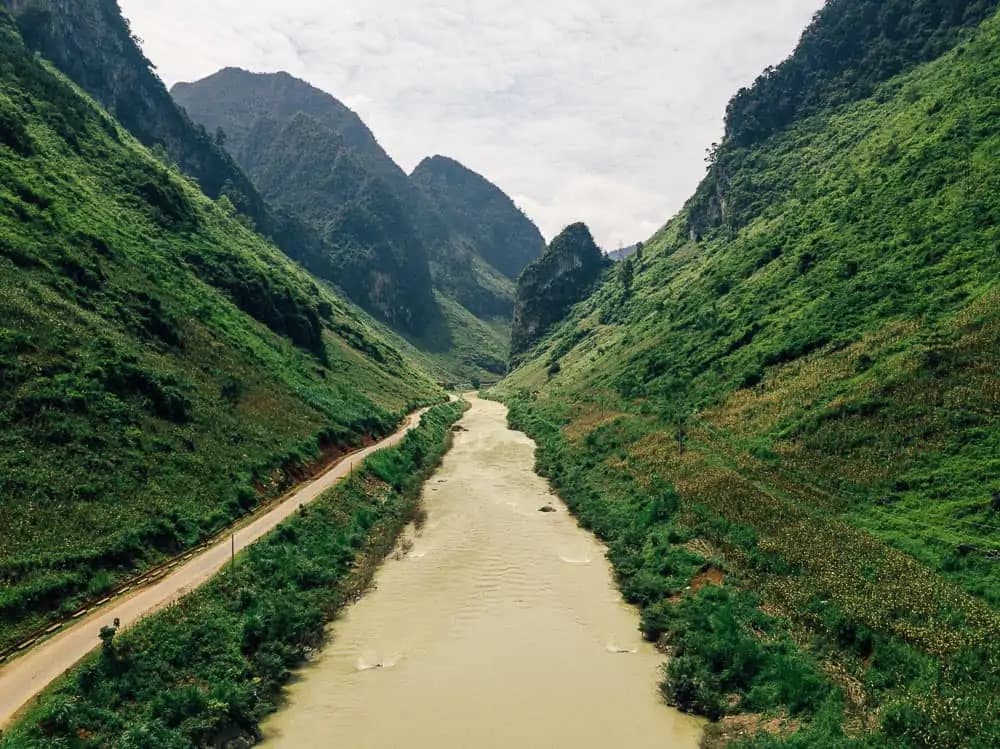
Costs on a 3-day Ha Giang Loop
## Vietnam travel tips 2026: what a 3-day Ha Giang Loop costs
A self-drive three-day Ha Giang Loop costs roughly 1.4 million to 3 million VND per person. Rental for a semi-automatic runs 150,000-250,000 VND per day, so three days is 450,000-750,000 VND, and fuel adds 70,000-100,000 VND per day, or 210,000-300,000 VND over the same three days. Vietnam travel tips for the loop usually quote the rental and stop there. The permit, the beds and the meals make up the rest.
The border permit is the line item people miss: hostels and tour operators in Ha Giang arrange it for 210,000-300,000 VND ($8-12), and checkpoints ask to see your passport. Homestays cost 100,000-250,000 VND per night, so two nights run 200,000-500,000 VND and three nights 300,000-750,000 VND. Meals cost 50,000-100,000 VND each, which puts a day of eating at roughly 150,000-300,000 VND. Two nights, six meals and the permit land a self-drive trip near the bottom of that range.
## What the easy rider price covers
A three-day easy rider tour costs 3.5-5.5 million VND ($140-220) and includes the rider, homestays, meals and the permit. It costs more than self-driving on paper, and it removes the licence problem. Vietnam does not recognise most IDPs for riding, and police checkpoints in 2026 fine unlicensed riders 1-2 million VND ($40-80). Insurance is void if you ride without a Vietnamese licence, so one fine can cancel out the savings.
## Vietnam travel tips and planning: cash, weather and district rules
Carry cash on the Du Gia leg, where small homestays may not take cards, and budget a buffer for weather. Sep-Nov and Mar-May are the best windows; Jun-Aug brings rain and landslides that can add an unplanned homestay night. Dec-Feb is cold and foggy, and Tet 2026 falls on 17 Feb, with closures and crowded buses around 14-22 Feb. Permit rules and police enforcement vary by district and year, so confirm the fee and checkpoints with a Ha Giang operator before booking.
Police checks and licence rules on the Ha Giang Loop
Police checks, licence rules, and vietnam travel tips on the Ha Giang Loop
Police checkpoints on the Ha Giang Loop in 2026 fine unlicensed riders 1-2 million VND ($40-80). Vietnam does not recognise most international driving permits for riding, so a foreign licence with an IDP attached often fails at a roadside stop. Many travellers ride anyway. Their insurance is void if they do, and a crash or a hospital bill is theirs alone.
The stops are routine. Officers pull bikes over at district boundaries and on the main passes, and they ask for two things: your passport and your border permit. The permit costs 210,000-300,000 VND ($8-12), and a Ha Giang hostel or tour operator arranges it before you set off. Carrying both originals and keeping them dry is among the few vietnam travel tips that apply to every rider here. The same paperwork check can happen twice in one day.
Enforcement varies by district and year. Whether 2026 brings stricter licence checks is unclear, and some districts may ask for extra permits beyond the standard border permit. The open question is whether enforcement tightens further this year. Confirm current fines and local rules with a Ha Giang operator before booking, then check road conditions before the passes.
You have two realistic options. Renting a semi-automatic for 150,000-250,000 VND per day puts you at the handlebars and at the receiving end of any fine, with fuel adding 70,000-100,000 VND per day; a single fine is several times a night's homestay at 100,000-250,000 VND. Booking a 3-day easy rider tour for 3.5-5.5 million VND ($140-220) puts a licensed rider in front of you, with the rider, homestays, meals, and the permit included. The rider handles the checkpoint conversation while you cover the 350-400 km route as a passenger.
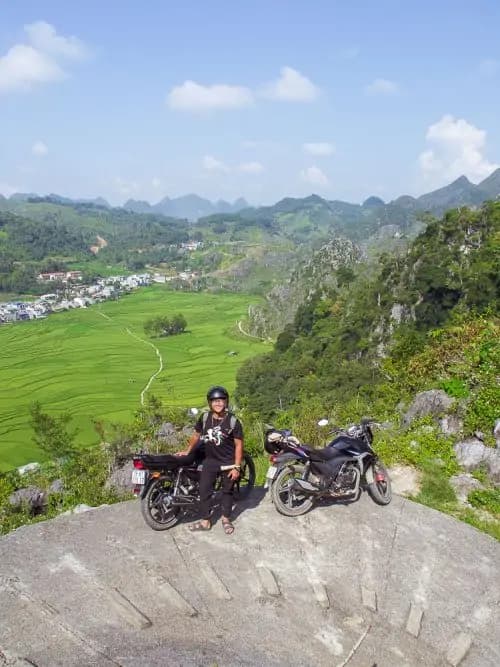
Safety and practical tips for first-timers
Safety and practical tips for first-timers: vietnam travel tips for the Ha Giang Loop
The Ha Giang Loop runs 350-400 km from Ha Giang through Quan Ba, Yen Minh, Dong Van, Meo Vac, and Du Gia, usually over 3-4 days. For vietnam travel tips, the main risk is the road, not the paperwork. Mountain passes climb and drop on narrow pavement, and rain can turn the route into a slower, slicker ride. Check the weather before every pass, especially the mountain pass sections, and start early enough to finish before dark. Local riders often wait out fog or heavy rain; first-timers should do the same.
Fuel and repairs need planning. Petrol stations and repair shops are limited on some stretches, so fill up whenever you see a station, even if the tank is half full. A self-drive semi-auto rental costs 150,000-250,000 VND per day and fuel runs 70,000-100,000 VND per day; cash in small notes helps. If you ride without a Vietnamese licence, your insurance is void. Police checkpoints in 2026 fine unlicensed riders 1-2 million VND ($40-80). Vietnam does not recognise most IDPs for riding, so an easy rider tour at 3.5-5.5 million VND ($140-220) for three days includes a licensed rider, homestays, meals, and the border permit.
For vietnam travel tips and planning, book through a Ha Giang operator before you commit. Permit rules and police enforcement vary by district and year. Most foreigners entering border districts need a permit arranged by hostels or tour operators, typically 210,000-300,000 VND ($8-12), and you should carry your passport. Ask whether 2026 brings stricter licence checks or extra district permits. Confirm current fines and road closures locally, because conditions change. Travel in Sep-Nov or Mar-May for the best chance of clear passes; Dec-Feb brings cold and fog, and Jun-Aug rain can cause landslides. Tet 2026 falls on 17 Feb, so expect closures and crowded buses around 14-22 Feb.
Frequently asked questions
Yes. Foreigners entering border districts generally need a permit arranged by hostels or tour operators. It costs 210,000-300,000 VND ($8-12) and you should carry your passport. Rules vary by district and year, so confirm with a Ha Giang operator before booking.
Vietnam does not recognise most IDPs for riding. Police checkpoints in 2026 fine unlicensed riders 1-2 million VND ($40-80). Many travellers ride without a Vietnamese licence, but insurance is void if you do.
3.5-5.5 million VND ($140-220). That includes a rider, homestays, meals, and the permit.
September to November and March to May. December to February brings cold and fog; June to August brings rain and landslides. Tet 2026 falls on 17 February, with closures and crowded buses around 14-22 February.
Travel details change — opening hours, prices, and schedules can vary by season. Please verify current information on official websites before your visit.
Watch: related videos
Ha Giang Loop 2026: Vietnam Travel Tips for Permits, Easy Rider Costs, and Self-Drive Rules — Video by MapKoi Travel on Pexels · silent stock clip
Ha Giang Loop 2026: Vietnam Travel Tips for Permits, Easy Rider Costs, and Self-Drive Rules — Video by MapKoi Travel on Pexels · silent stock clip
Sources
- vietnamcoracle.com — Primary source
- jonnymelon.com — From research brief
- neverendingfootsteps.com — From research brief
- reddit.com — From research brief
- vietnam.travel — From research brief
Loading reviews…
About the author
Lê Minh Đức
Routes & Itineraries Editor
Minh Đức plans Vietpeep's itineraries, transport guides, and practical tips with a surveyor's care for distances, timings, and connections. He believes a route is only as good as its smallest detail — the last ferry, the right train class, the turn travelers miss.
All articles by Minh ĐứcRelated posts

Ha Giang Loop Safety 2026: Accident Prevention, Costs, and Sapa Trekking Alternatives
A 2026 safety guide for riding Vietnam's Ha Giang Loop. Covers road hazards, wet-season dangers, licence and insurance rules, easy rider versus self-drive costs, and practical packing tips. Includes Sapa trekking as a lower-risk alternative for travellers who want northern Vietnam's mountain scenery without motorbike risks.

Ha Giang Loop Practical Guide 2026: Costs, Permits, and Safety for International Travelers
Planning to ride the Ha Giang Loop in 2026? This guide covers essential details for international visitors, including when to go, how to get there, permit requirements, typical costs, and up-to-date safety tips. Get clear answers on what to expect, how to prepare, and what’s changed for 2026.

Ninh Binh vs Ha Long Bay in 2026: Vietnam Travel Tips on Costs, Transport and Timing
Vietnam travel tips for 2026 on choosing between Ninh Binh and Ha Long Bay with two or three days near Hanoi: Hanoi transfer times and fares, boat and cave tickets, homestay and cruise costs, best months, Tet closures, e-visa rules, and a three-day plan that uses Ninh Binh as the weather backup.