Ha Giang Loop Practical Guide 2026: Costs, Permits, and Safety for International Travelers
Planning to ride the Ha Giang Loop in 2026? This guide covers essential details for international visitors, including when to go, how to get there, permit requirements, typical costs, and up-to-date safety tips. Get clear answers on what to expect, how to prepare, and what’s changed for 2026.

Related reading
Keep exploring Vietnam
- 1Best time to visit Ha Giang: weather, roads, and scenic routes
Should link from the 'When to Visit' section for more detailed weather info.
- 2Ha Giang Loop Transport Guide: Motorbikes, Buses, and Permits for 2026
Should link from the 'Getting to Ha Giang' or 'Permits and Entry Rules' section for in-depth transport and permit details.
- 3Budget Backpacking the Ha Giang Loop: 2026 Costs, Transport, and Tips
Should link from the 'Typical Costs' section for budget travel advice.
At a glance
- Best time
- September–November, March–May
- How long
- 3–5 days recommended
- Budget
- From 1,200,000 VND/day (motorbike, food, homestay)
- Getting there
- Sleeper bus or minivan from Hanoi (5–8 hours)
- Language
- Vietnamese; some English in tourist areas
- Currency
- Vietnamese Dong (VND)
When to Visit
The best periods for riding the Ha Giang Loop are September to November and March to May. During these months, expect mild weather, clear skies, and either golden rice terraces or blooming flowers. June to August brings heavy rainfall and slippery roads, making travel riskier. Winter (December–February) can be cold and foggy, especially at higher elevations.
Getting to Ha Giang
Ha Giang city is the starting point for the loop. There are no direct flights; the nearest airport is in Hanoi. From Hanoi, you can take a direct sleeper bus (7–8 hours, around 400,000 VND one-way), an express minivan (5–6 hours, about 650,000 VND), or arrange a private car (from 2,500,000 VND). Buses and minivans depart from My Dinh or Gia Lam bus stations in Hanoi, with overnight options available.
Permits and Entry Rules
Foreign travelers need a Ha Giang travel permit ('Giấy phép vào khu vực biên giới') to ride the loop. In 2026, the permit costs 250,000 VND and is available at the Ha Giang Immigration Office (Mon–Sat, 7:30am–5:00pm) or through most motorbike rental shops. Some villages may require additional local permits for overnight stays—ask your host in advance. Always carry your passport and permit, as police checks are common.
Typical Costs
Motorbike rentals (semi-auto or manual) range from 350,000 to 500,000 VND per day, including helmet and basic insurance. Guided tours (3–5 days, all-inclusive) cost 4,500,000–7,000,000 VND per person. Accommodation options include budget guesthouses (300,000–500,000 VND/night) and homestays (200,000–350,000 VND/night). Meals typically cost 50,000–120,000 VND per dish. ATMs are limited outside Ha Giang city, so bring enough cash for your journey.
Safety and Practical Tips
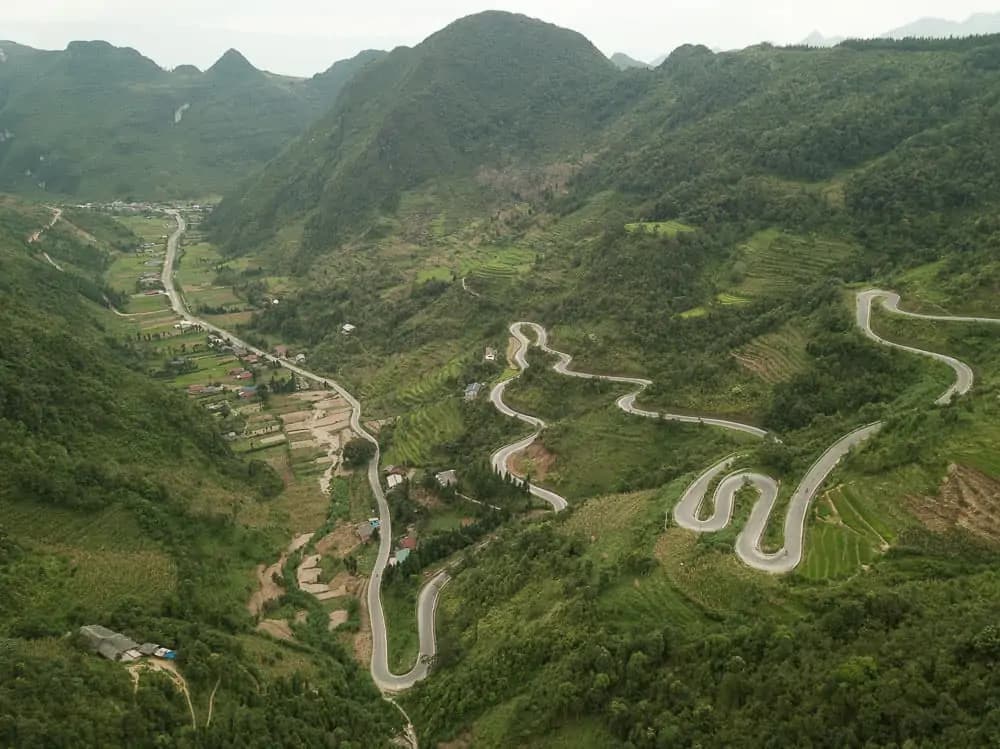
The Ha Giang Loop features steep, winding roads that can be hazardous, especially in rain or fog. Only experienced riders should self-drive; others should consider hiring a local guide or 'easy rider'. Bring an international driving permit (IDP) for 2026, as police checks are frequent. Medical facilities in the region are basic—carry a first aid kit. Fuel stations are available in main towns but sparse in remote areas. Check road and weather conditions before departure, as landslides and closures can occur.
Frequently asked questions
Yes, all foreign travelers must obtain a Ha Giang travel permit, available at the Ha Giang Immigration Office or most rental shops for 250,000 VND in 2026.
The roads are challenging and can be dangerous, especially in bad weather. Only experienced riders should self-drive; others should hire a guide or join a tour.
ATMs are available in Ha Giang city and a few larger towns, but are limited or absent in remote areas. Bring enough cash for your entire journey.
Medical facilities are basic. For minor injuries, local clinics can help, but serious cases may require evacuation to Hanoi. Carry a first aid kit and travel insurance that covers motorbiking.
Travel details change — opening hours, prices, and schedules can vary by season. Please verify current information on official websites before your visit.
Sources
- hagiangloop.com — Primary source
- nomadicmatt.com — From research brief
- backpackershanoi.com — From research brief
- vietnamtourism.gov.vn — From research brief
- intrepidtravel.com — From research brief
Loading reviews…
About the author
Phạm Quốc Bảo
Cities & Events Editor
Quốc Bảo covers Vietnam's cities and their calendars — street life, night markets, festivals, and the people who keep traditions running. He edits with an ear for what actually happens on the ground rather than what the brochures promise.
All articles by Quốc BảoRelated posts
Ha Giang Loop 2026: Vietnam Travel Tips for Permits, Easy Rider Costs, and Self-Drive Rules
This Ha Giang Loop 2026 guide gives first-timers the practical Vietnam travel tips they need: border permits, Hanoi-to-Ha Giang transport, 3-day costs, self-drive versus easy rider, police checks, and seasonal timing. It uses one set of prices and dates so you can budget and book without conflicting numbers.

Ha Giang Loop Safety 2026: Accident Prevention, Costs, and Sapa Trekking Alternatives
A 2026 safety guide for riding Vietnam's Ha Giang Loop. Covers road hazards, wet-season dangers, licence and insurance rules, easy rider versus self-drive costs, and practical packing tips. Includes Sapa trekking as a lower-risk alternative for travellers who want northern Vietnam's mountain scenery without motorbike risks.

A Local’s Guide to the Ha Giang Loop: Self-Drive Adventure in Vietnam’s Far North (2026 Edition)
The Ha Giang Loop is a 350–400 km circuit in Vietnam’s far north, offering dramatic mountain scenery, ethnic minority culture, and challenging roads. This 2026 guide provides up-to-date advice for international visitors planning a self-drive motorbike or car trip, covering route options, permits, safety, accommodation, and cultural etiquette.