Ha Giang Loop Safety in 2026: Essential Gear, Emergency Protocols, and Rider Fitness
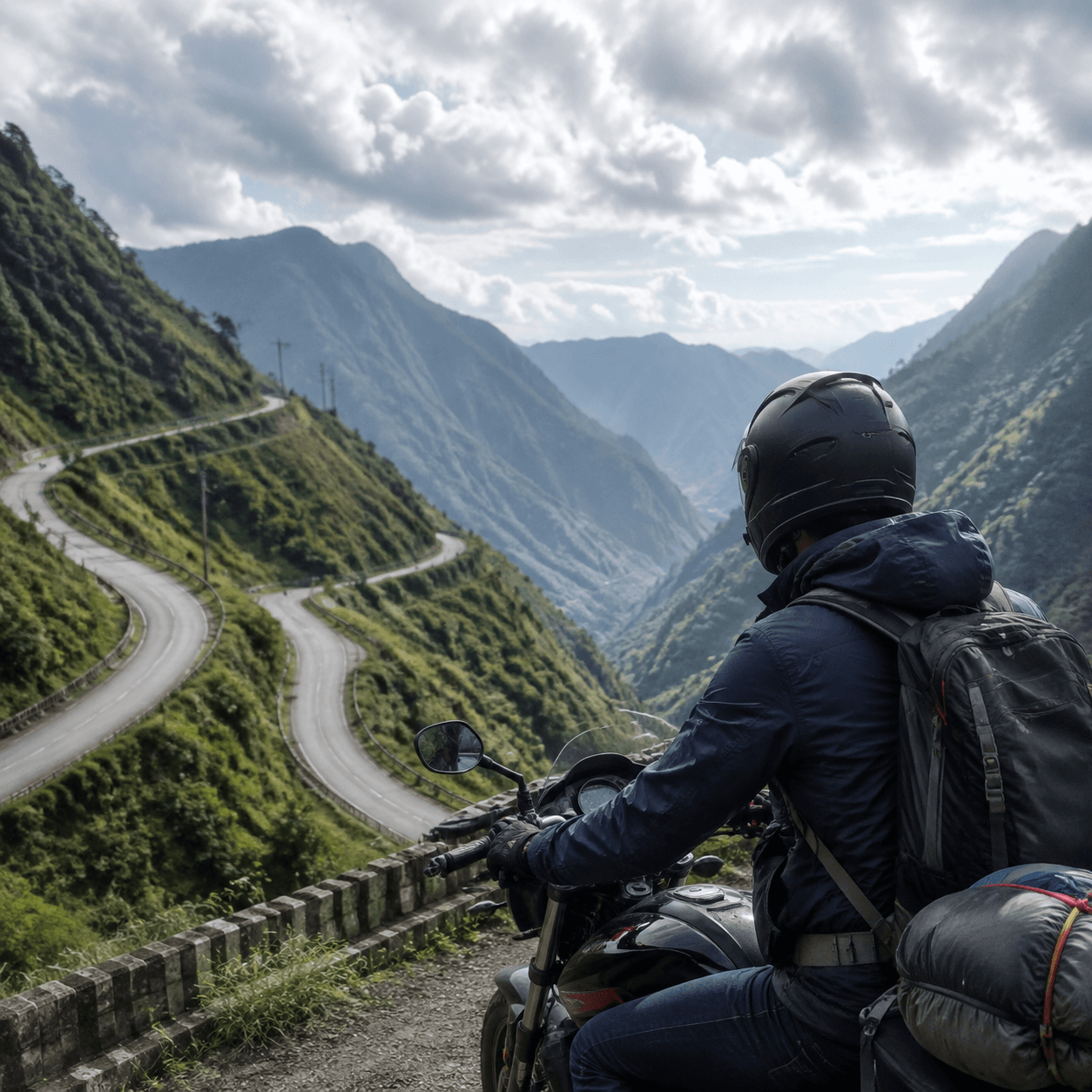
This article focuses on practical safety measures for international travelers riding the Ha Giang Loop in 2026. It details must-have gear, emergency response options, fitness and skill requirements, and how to minimize risks on mountain roads. Useful for anyone planning a self-guided or guided Loop journey by motorcycle or car.
Related reading
Keep exploring Vietnam
- 1
- 2
- 3
At a glance
- Best time
- March–May, October–November (dry, clear weather)
- How long
- 3–5 days for the full Loop
- Budget
- From 900,000 VND/day for guided tours; gear rental from 100,000 VND/day
- Getting there
- Bus from Hanoi to Ha Giang city (6–8 hours, from 350,000 VND)
- Language
- Vietnamese; some English with guides
- Currency
- Vietnamese Dong (VND)
Essential Safety Gear for Ha Giang Loop in 2026
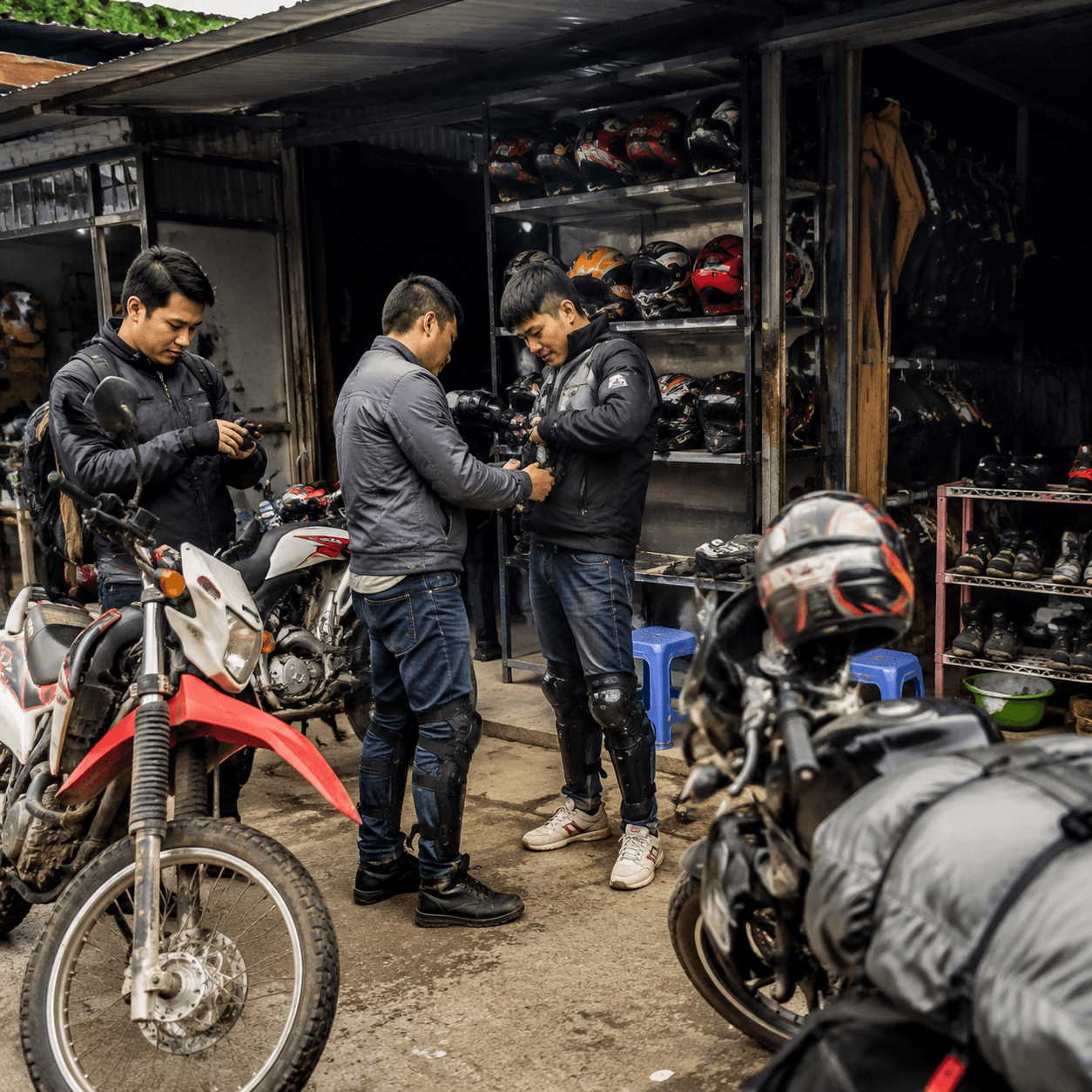
A DOT or ECE-certified helmet is now mandatory for all riders on the Ha Giang Loop, with police checkpoints enforcing this rule throughout 2026. Rentals are widely available in Ha Giang city, starting from 100,000 VND per day, but quality varies—inspect for cracks and proper fit before accepting. For those tackling the loop by motorcycle, a full set of protective gear is strongly recommended. Local rental shops offer jacket, gloves, and boots packages from 250,000 VND per day, which can significantly reduce injury risk in case of a fall. Many accidents in 2025 involved riders wearing only basic clothing, leading to preventable injuries.
Rain gear is essential for anyone riding between June and September, when sudden storms and heavy downpours are common. Lightweight, waterproof jackets and pants are available for rent or purchase in Ha Giang, but bring your own if you require specific sizing. A reflective vest, which can be bought for under 100,000 VND at local markets, is highly useful for increasing visibility in fog, rain, or low-light conditions—situations that frequently contribute to accidents on the loop’s winding mountain roads.
In addition to protective clothing, carry a basic first aid kit with bandages, antiseptic, and painkillers, as well as an emergency contact card with your insurance details and local hospital numbers. Ha Giang Loop Safety in 2026: Avoiding Accidents and Common Hazards means being prepared for unpredictable weather, challenging terrain, and limited medical facilities. Packing the right gear is a practical step that can make a decisive difference in both comfort and safety.
Emergency Protocols and Medical Support on the Ha Giang Loop
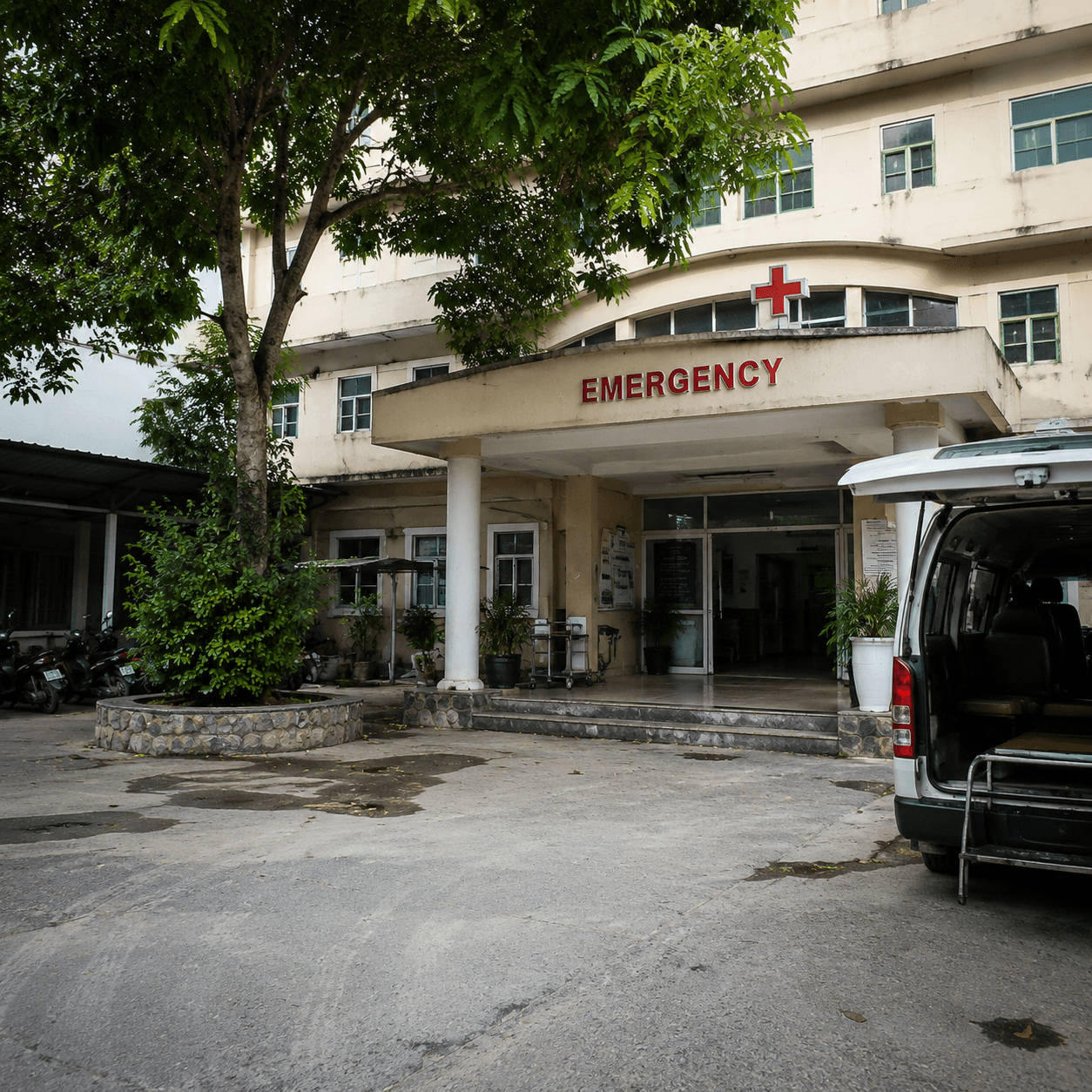
If an accident occurs on the Ha Giang Loop, travelers should know that medical facilities in Ha Giang province are basic and not equipped for serious trauma. The main hospital in Ha Giang city (Ha Giang General Hospital, 89 Nguyen Trai Street) can handle minor injuries, but for severe cases—such as fractures, head injuries, or internal trauma—evacuation to Hanoi is necessary. Ambulance transfer to Hanoi takes 6–8 hours, depending on road conditions, and costs can exceed 5,000,000 VND. For this reason, comprehensive travel insurance with medical evacuation coverage is strongly recommended for anyone tackling the loop in 2026.
English-speaking guides, available from Ha Giang city (from 900,000 VND/day), are invaluable in emergencies. They can assist with making emergency calls, communicating with hospital staff, and arranging transport. Guides also know the locations of clinics and pharmacies along the route, which can be critical when immediate care is needed. Local police and guides can provide basic roadside assistance, such as arranging transport for injured travelers or helping with minor mechanical issues, but response times in remote mountain areas may be slow due to distance and road conditions.
Before starting the Ha Giang Loop, save key emergency numbers: Ha Giang General Hospital (+84 219 386 1122), local police (113), and your guide’s mobile number. Keep hospital addresses and insurance details handy, as mobile coverage can be patchy in the mountains. Ha Giang Loop Safety in 2026: Avoiding Accidents and Common Hazards means planning for emergencies before departure, not just relying on luck or local help. Travelers should also check daily weather updates, as landslides and storms can delay rescue efforts and block ambulance routes.
Fitness and Skill Requirements for Ha Giang Loop Safety in 2026
Riders considering the Ha Giang Loop in 2026 should realistically assess their physical fitness and motorcycle skills before setting out. The route covers 350–400 kilometers of winding mountain roads, with daily riding stretches of 6 to 8 hours and elevation gains up to 1,500 meters. These conditions are demanding even for experienced riders, and fatigue is a leading cause of accidents. Recent safety data highlights that most fatalities on the Loop in 2025 involved solo, inexperienced travelers who underestimated the challenge.
For Ha Giang Loop Safety in 2026: Avoiding Accidents and Common Hazards, prior experience with mountain roads is essential. The Loop features steep gradients, sharp bends, and unpredictable hazards like gravel, potholes, and livestock. If you lack confidence in your riding ability, consider a guided tour—reputable operators in Ha Giang city now require a pre-tour skills assessment. These tours start from around 900,000 VND per day and often offer car options for those without motorbike experience. Riding with an English-speaking guide not only reduces accident risk but also ensures help with navigation and emergencies.
Altitude and long riding days demand at least moderate fitness. If you haven’t ridden for extended periods at elevation, pre-trip training or practice rides are strongly recommended. Local motorbike rental shops sometimes offer short practice sessions or escorted warm-up rides. Ultimately, honest self-assessment is crucial: if you’re unsure about your skills or stamina, hiring a car with a driver or joining a guided group is the safer choice for tackling the Ha Giang Loop in 2026.
Common Hazards and How to Avoid Accidents on the Ha Giang Loop
Loose gravel, deep potholes, and wandering livestock are among the most common hazards international travelers encounter on the Ha Giang Loop. In 2026, local authorities have reported that these factors, combined with sharp mountain bends and unpredictable traffic, contribute to the majority of accidents—especially for those unfamiliar with Vietnam’s rural roads. Riders should be particularly cautious in mountain zones, where the new 40 km/h speed limit is enforced by frequent police checks. Reckless overtaking, both by local vehicles and inexperienced tourists, remains a leading cause of collisions; always slow down before blind corners and be prepared for oncoming traffic in your lane.
Night riding is strongly discouraged on the Ha Giang Loop. Visibility drops sharply after sunset, and hazards like unlit livestock, sudden fog, and unmarked road damage become much harder to spot. Plan each day’s ride to finish well before dusk, allowing extra time for unexpected delays. Many recent fatalities have occurred after dark, often involving solo riders pushing to reach their next stop.
Weather on the Loop is notoriously unpredictable, with dense fog and heavy rain common from June to September. Landslides and flash floods can close sections of road without warning. Always check local weather updates each morning—most guesthouses and guides can provide current information—and be ready to adjust your route or delay your ride. After storms, ask locals or your guide about possible road closures or detours, as some stretches may be impassable for days. Carrying a charged phone and offline maps is recommended, as mobile coverage can be patchy in remote areas.
By respecting the speed limits, staying alert for road hazards, and planning around daylight and weather, riders can significantly reduce their risk of accidents on the Ha Giang Loop. For those unsure of their skills or local conditions, hiring an experienced guide remains the safest option.
Legal Requirements and Permit Checks for Ha Giang Loop Safety in 2026
Travelers planning the Ha Giang Loop in 2026 must secure a Ha Giang travel permit, which costs 250,000 VND as of July 2026 and is issued at the Ha Giang Immigration Office on Nguyen Trai Street in Ha Giang city. This permit is mandatory for all foreign visitors and is often checked at police checkpoints along the route. Failing to present a valid permit can result in fines or, increasingly in 2026, the impoundment of your vehicle.
In addition to the travel permit, riders need to carry a valid Vietnam motorbike license or an International Driving Permit (IDP) with a motorbike endorsement. Vietnamese authorities have stepped up enforcement in 2026, with more frequent roadside checks, especially near major junctions and entrances to popular villages. Police are authorized to issue on-the-spot fines and have begun impounding bikes when documentation is missing or invalid. Keeping your passport, permit, and license together in a waterproof pouch is recommended for easy access during stops.
Guided tours, which can be arranged from Ha Giang city, simplify the process by handling permits and verifying licenses before departure. Reputable operators will not allow you to join a motorbike tour without the correct paperwork, and most now conduct a pre-tour skills check. For those without riding experience or proper documentation, car tours are available and require only a passport and travel permit. Staying compliant with these legal requirements is a key aspect of Ha Giang Loop Safety in 2026: Avoiding Accidents and Common Hazards, and helps avoid unnecessary run-ins with local authorities during your trip.
Frequently asked questions
Yes, foreigners must obtain a Ha Giang travel permit (250,000 VND) and carry a valid motorbike license or IDP with motorbike endorsement.
Solo travel is riskier, especially for inexperienced riders. Guided tours or car hire are recommended for safety and support.
Contact your guide or local police, seek medical help in Ha Giang city, and have travel insurance with evacuation coverage. Serious cases require transport to Hanoi.
Yes, most shops offer helmet and gear rental from 100,000 VND/day. Full sets are available for 250,000 VND/day.
Sources
- nomadphilippines.com — Primary source
- trekkingvietnam.net — From research brief
- hagiangmotorbikeadventure.com — From research brief
- backpackershikes.com — From research brief
- hagiang-tourism.vn — From research brief
Loading reviews…
Related posts

How to Ride the Ha Giang Loop by Motorbike: Essential Tips for International Travelers (2026)
The Ha Giang Loop in northern Vietnam is attracting more international visitors than ever, thanks to its striking mountain scenery and ethnic minority villages. With increased popularity, travelers should be aware of updated safety advice, transport options, and route changes for 2026.

Essential Guide to Riding the Ha Giang Loop: Permits, Motorbike Rental, and Safety Tips
Planning to ride the Ha Giang Loop? This guide covers everything international visitors need to know about permits, renting motorbikes, safety, and practicalities for navigating Vietnam’s northernmost roads.

Ha Giang Loop by Homestay: Cultural Immersion and Route Tips for 2026
This article guides international travelers through the Ha Giang Loop with a focus on homestay accommodation, offering practical advice on cultural experiences, route planning, costs, and safety for 2026. It’s ideal for those seeking authentic interactions with local ethnic communities while backpacking Vietnam’s northern mountains.