Hon Mun Reef near Nha Trang: a Vietnam beaches wildlife and snorkeling guide for 2026
This guide covers what you can see on Hon Mun's reefs near Nha Trang, the best months for calm water and visibility, how to reach Cau Da port, 2026 tour and lodging prices, responsible watching rules, and what to do if shallow reefs look bleached. It gives international visitors realistic expectations for a Vietnam beaches snorkeling trip.

Related reading
Keep exploring Vietnam
- 1
- 2
- 3
At a glance
- Best time
- February to September; avoid October to December.
- How long
- Morning boat trip; book MPA-permitted tours from Cau Da port.
- Budget
- MPA boat tour VND 500,000 to 900,000 or US$20 to US$35; Nha Trang guesthouses US$10 to US$20 per night in 2026.
- Getting there
- Fly to Cam Ranh (CXR), then 45 minutes by taxi or bus to Nha Trang.
- Language
- Vietnamese; confirm your guide's language when booking.
- Currency
- Vietnamese dong (VND); some tour prices are quoted in US dollars.
What lives on Hon Mun's reefs
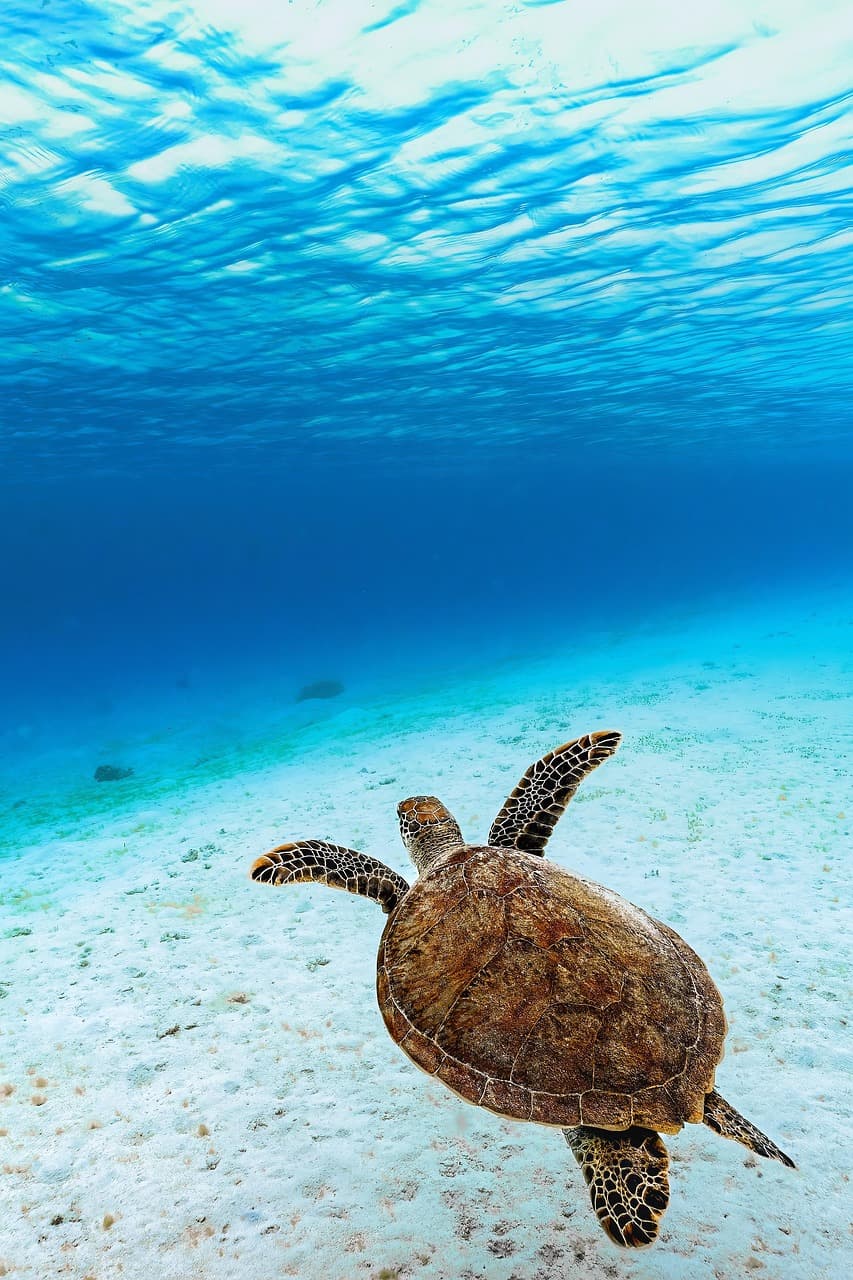
Hon Mun Marine Protected Area holds 300+ coral species and 200+ reef fish, according to the research brief for this 2026 guide. Snorkelers should expect coral heads and reef structures carrying most of that diversity, with the small, patient stuff often outnumbering the big animals. Green and hawksbill turtles cruise these reefs, and nudibranchs and cuttlefish sit on or near coral heads. Whale sharks turn up in sightings reports but are rare here, so plan the trip without them and treat an encounter as luck.
Coral bleaching in 2024 and 2025 hit shallow reefs hardest. Outer sites came through in better condition, which is why the site your boat chooses matters more than the boat itself. Ask your operator which sites are open in 2026 and how the shallow reefs are looking right now. MPA fees and boat rules change, so check current local notices before you book.
Sightings vary by season, tide, and boat traffic. Treat the reef as wildlife habitat, not a guaranteed aquarium. February to September brings calm seas and visibility of 10 to 20 meters, so take a morning departure before the wind picks up. Avoid October to December, when the northeast monsoon leaves the water rough and murky. If the reef looks empty, Hon Mot and Bai Canh are the usual fallbacks, and macro life is often the better target on a slow day.
Book a permitted tour from Cau Da port in Nha Trang, where 2026 prices run VND 500,000 to 900,000 or US$20 to US$35. Keep 2 meters from turtles, do not touch or stand on coral, and do not feed fish. Reef-safe sunscreen and no single-use plastic round out the rules that operators enforce.
| Reef area | Condition in 2026 | What to look for |
|---|---|---|
| Shallow reefs at Hon Mun | Bleaching in 2024 and 2025 hit these hardest | Coral species, small reef fish, nudibranchs |
| Outer sites at Hon Mun | Healthier than shallow reefs | More coral cover, reef fish, chance of turtles |
| Hon Mot and Bai Canh | Alternative sites when Hon Mun is quiet | Macro life, fallback snorkeling |
When to visit Hon Mun for Vietnam beaches weather and visibility
The Hon Mun snorkeling season runs February to September, when the northeast monsoon has cleared and the sea off Nha Trang is calm enough for visibility of 10 to 20 meters. October to December is the window to skip. If you are comparing Vietnam beaches for a reef trip rather than a swim, the calendar matters more than the beach.
Book the first boat out. MPA-permitted tours leave Cau Da port in the morning, and early departures beat the afternoon wind that builds chop and cuts visibility. By early afternoon, snorkeling is less comfortable and you see less. In 2026 those tours cost VND 500,000 to 900,000 (US$20 to US$35), and morning slots fill first in the high season. Ask the operator what time the boat leaves the dock, not what time they collect you from your hotel.
October to December belongs to the northeast monsoon, which turns the sea rough and the water murky; many operators stop running reef trips. If your dates fall in the Vietnam beaches in October or Vietnam beaches December window, treat Hon Mun as a maybe and keep a land plan for Nha Trang. During February to September, a single storm can still flatten visibility for days, so check the forecast the day before you book.
MPA fees and boat rules change, so read 2026 local notices before paying a deposit, and confirm current conditions with your operator that morning. Ask which sites are workable; outer reef sites often hold clearer water than shallow ones. If visibility is poor on your only available day, Hon Mot or Bai Canh are the usual alternatives, and macro life such as nudibranchs and cuttlefish still shows up when the wide view does not.
| Window | Sea and water | Visibility | What to do |
|---|---|---|---|
| February to September | Calm mornings, afternoon chop | 10 to 20 meters | Book an early boat |
| October to December | Northeast monsoon, rough and murky | Poor | Plan on land instead |
Getting to Hon Mun from Nha Trang's Vietnam beaches
Boat tours to Hon Mun leave from Cau Da port in Nha Trang, and in 2026 MPA-permitted trips cost VND 500,000 to 900,000, or US$20 to US$35 per person. The MPA covers the reefs around Hon Mun island. Most operators run morning departures, which matters because wind builds after lunch. Reaching the port starts with a flight into Cam Ranh International Airport (CXR), then a 45-minute taxi or bus ride to Nha Trang.
Cam Ranh International Airport is the arrival point for Nha Trang. Agree on the taxi fare before you leave arrivals, or book a shuttle through your hotel. Cau Da port, where the Hon Mun boats load, sits on the Nha Trang waterfront. If you are comparing Vietnam beaches, Nha Trang works as a base because MPA boats leave from the city rather than from a remote jetty. Accommodation in 2026 runs from US$10 to US$20 for a budget guesthouse, US$30 to US$60 mid-range, and US$80 to US$250 or more for a beach resort.
Before you pay, confirm four things with the operator: the MPA fee is included, snorkel gear is provided, a life jacket is on board for each passenger, and the guide briefs the group on reef rules before anyone enters the water. Prices vary with group size, boat type, and whether lunch is included.
Confirm your meeting time the day before you travel. Port traffic and permit paperwork can delay departure, and morning departures are standard because seas are calmer and visibility reaches 10 to 20 meters from February to September. October to December brings the northeast monsoon, when boats often cancel. MPA fees and boat rules change, so check 2026 local notices before you go.
| Leg | Time | 2026 cost | What to confirm |
|---|---|---|---|
| Cam Ranh (CXR) to Nha Trang | 45 minutes | Not specified | Taxi or bus; agree the fare before leaving arrivals |
| Cau Da port to Hon Mun | Not specified | VND 500,000 to 900,000 / US$20 to US$35 per person | MPA fee, snorkel gear, life jacket, guide briefing included |
| Nha Trang accommodation | Per night | Budget US$10 to US$20; mid-range US$30 to US$60; beach resort US$80 to US$250 or more | Book ahead for February to September |
Responsible watching rules on Hon Mun's reefs
Hon Mun Marine Protected Area holds 300+ coral species and 200+ reef fish, and its reefs sit off Nha Trang, one of the most accessible Vietnam beaches for a day snorkel. Follow the rules below; they protect living coral and keep snorkelers safe.
Do not touch or stand on coral. Even a light fin kick can snap branching coral, and standing on a bommie kills the polyps under your feet. Keep your fins off the reef and swim horizontally over shallow patches. If you need to adjust your mask or gear, float on your back in open water, not over coral. Do not feed fish. Handouts change feeding behavior, pull fish away from grazing algae, and can make aggressive fish nip snorkelers. Keep 2 meters from turtles. Green and hawksbill turtles surface to breathe; chasing them forces them to dive and burn energy they need.
Use reef-safe sunscreen, ideally mineral-based with zinc oxide or titanium dioxide, and apply it before you board the boat. Avoid single-use plastic: bring a refillable bottle, refuse plastic bags, and pack out wrappers. The MPA boat tours from Cau Da port in 2026 cost VND 500,000 to 900,000 or US$20 to US$35, and guides brief you on current rules before entry. Follow your guide, stay with your buddy, and do not swim past markers. Markers separate snorkel zones from boat lanes and outer reefs with strong currents. If you drift, signal the boat rather than swimming across a lane.
Expect variation in what the reef shows. Bleaching hit shallow reefs in 2024 to 2025, and outer sites are healthier. If the shallow site looks quiet, stay close to your guide and look for macro life: nudibranchs, cuttlefish, and small reef fish. The best season is February to September, with visibility of 10 to 20 meters, and morning trips before wind. Avoid October to December, when the northeast monsoon brings rough, murky water. MPA fees and boat rules change, so check 2026 local notices at Cau Da port before you book.
Keep fins off coral
Do not touch or stand on coral. Swim horizontally over shallow patches, and adjust your mask or gear while floating in open water.
Do not feed fish or chase turtles
Do not feed fish. Stay 2 meters from turtles and let them surface to breathe without pursuit.
Use reef-safe products
Apply reef-safe sunscreen before boarding, and avoid single-use plastic by bringing a refillable bottle and packing out wrappers.
Follow guide and markers
Stay with your buddy, follow your guide, and do not swim past markers that separate snorkel zones from boat lanes and outer reefs.

Water safety at Hon Mun and other Vietnam beaches to visit
## Water safety at Hon Mun and other Vietnam beaches to visit
The outer reefs at Hon Mun have the strongest currents in Nha Trang bay, and the channel between the islands is a working boat lane. Dive boats cross it through the morning, the same window when the wind is lightest. Guides plan snorkel stops around that, so staying close to the boat matters more than covering ground along the reef. Surface and look before you cross the channel; the lane belongs to boats.
Wear a life jacket even if you swim well, and snorkel with a buddy. Follow the guide's route rather than drifting off on your own line; the guide reads which side of the reef the current is running on that day. Do not swim past the marker buoys, which set the MPA boundary and the edge of the safe zone, and if the current picks up, return to the boat instead of trying to swim across the reef. Keep the group in view: a snorkeler who drifts behind is hard to spot from the deck.
The same habits carry to other Vietnam beaches to visit. Hon Mun sits on the central coast, so the northeast monsoon that closes it from October to December drives the wet season around the central coast too. Beaches near Hanoi and Ho Chi Minh follow different wind calendars. Visibility runs 10 to 20 meters between February and September and drops once the monsoon wind arrives, which changes how far you can safely wander from the boat. Rip currents build after storms on any stretch of coast, so ask about current and visibility before you board.
MPA fees and boat rules change. Check 2026 local notices and confirm with your operator before you go. MPA-permitted tours leave from Cau Da port in Nha Trang and cost VND 500,000 to 900,000 (US$20 to US$35) in 2026; ask who holds the permit for your boat, and check current conditions on the day.
1.Life jacket on
Keep it zipped for the whole snorkel, not just the swim out from the boat.
2.Snorkel in pairs
Surface every few minutes to check on each other and stay within sight of the group.
3.Follow the guide's route
The guide knows which side of the reef the current is running on that day.
4.Turn back early
If the current picks up or the boat sounds its horn, return to the boat rather than pushing on.
Costs and realistic expectations for a 2026 Hon Mun trip
A 2026 Hon Mun snorkeling trip costs VND 500,000 to 900,000 (US$20 to US$35) per person for an MPA-permitted boat tour from Cau Da port. That price does not include your stay in Nha Trang: budget guesthouses run US$10 to US$20 per night, mid-range hotels US$30 to US$60, and beach resorts US$80 to US$250 or more. The 45-minute taxi or bus from Cam Ranh airport to Nha Trang adds a separate fare. Book tours through operators that hold MPA permits, because unlicensed boats may not access the best reef sites.
Set expectations before you book. Coral bleaching in 2024 and 2025 hit shallow reefs hard, so some areas look pale and fish numbers can be lower. Outer sites at Hon Mun are generally healthier. If your first snorkel is quiet, ask your guide to try Hon Mot or Bai Canh, or focus on macro life such as nudibranchs and cuttlefish. MPA fees and boat rules change, so check 2026 local notices and confirm current conditions before you go.
| Nha Trang lodging type (2026) | Nightly price range |
|---|---|
| Budget guesthouse | US$10 to US$20 |
| Mid-range hotel | US$30 to US$60 |
| Beach resort | US$80 to US$250 or more |

Frequently asked questions
Hon Mun Marine Protected Area holds 300+ coral species and 200+ reef fish, but shallow reefs were hit by bleaching in 2024 and 2025. Outer sites are healthier. Ask your operator which sites are open and healthy in 2026.
Go between February and September for calm seas and visibility of 10 to 20 meters. Morning trips are best before wind builds. Avoid October to December because of the northeast monsoon.
Book an MPA-permitted boat tour from Cau Da port. Fees and rules change, so check 2026 local notices. Tour prices are around VND 500,000 to 900,000 or US$20 to US$35.
Try Hon Mot or Bai Canh, or focus on macro life such as nudibranchs and cuttlefish. Whale sharks are rare and not guaranteed.
Travel details change — opening hours, prices, and schedules can vary by season. Please verify current information on official websites before your visit.
Watch: related videos
Hon Mun Reef near Nha Trang: a Vietnam beaches wildlife and snorkeling guide for 2026 — Video by Serg Alesenko on Pexels
Hon Mun Reef near Nha Trang: a Vietnam beaches wildlife and snorkeling guide for 2026 — Video by Adrien JACTA on Pexels
Sources
- vietnamcoracle.com — Primary source
- vietnam.travel — From research brief
- reefcheck.org — From research brief
- travelinglater.com — From research brief
- iucn.org — From research brief
Loading reviews…
About the author
Trần Thị Diệu Hằng
Culture & Coast Editor
Diệu Hằng edits Vietpeep's culture, heritage, and coastal coverage with a preference for clear, unhurried prose. She looks for the details that give a place its pace — temple bells, fish-drying racks, the quiet of an island morning — and cuts adjectives until they surface.
All articles by Thị Diệu HằngRelated posts

Vietnam Trains Station Guide: Hanoi, Hue, Da Nang, Nha Trang, and Saigon in 2026
A station focused guide to Vietnam trains in 2026: Hanoi, Hue, Da Nang, Nha Trang, and Saigon. It covers city center distances, Grab fares, facilities, luggage storage caveats, boarding steps, and sample ticket prices, so you can plan arrivals, transfers, and e-ticket checks before you travel.

Quan Lan and Minh Chau: Vietnam beaches near Hanoi by ferry, 2026 guide
This 2026 guide covers Quan Lan and Minh Chau, two Vietnam beaches near Hanoi reachable by ferry without a flight. It details best months, Cai Rong and Ao Tien ferry logistics, swimming risks, accommodation price bands, and a three-day plan. Use it to plan transport, safety, and stays.

Bai Tram Beach, Hon Noi Island: 2026 Boat Transfers, Accommodation, and Snorkeling Guide
Hon Noi Island’s Bai Tram Beach sits 15 km east of Nha Trang. This 2026 guide covers boat transfers from Cau Da Port (07:30), day-tour prices, water safety on the protected western side, and overnight accommodation costs of 300,000–1,200,000 VND. Use it to plan a trip that avoids monsoon months and outdated blog prices.