How to Visit Son Doong and the Caves of Phong Nha: A Practical Guide
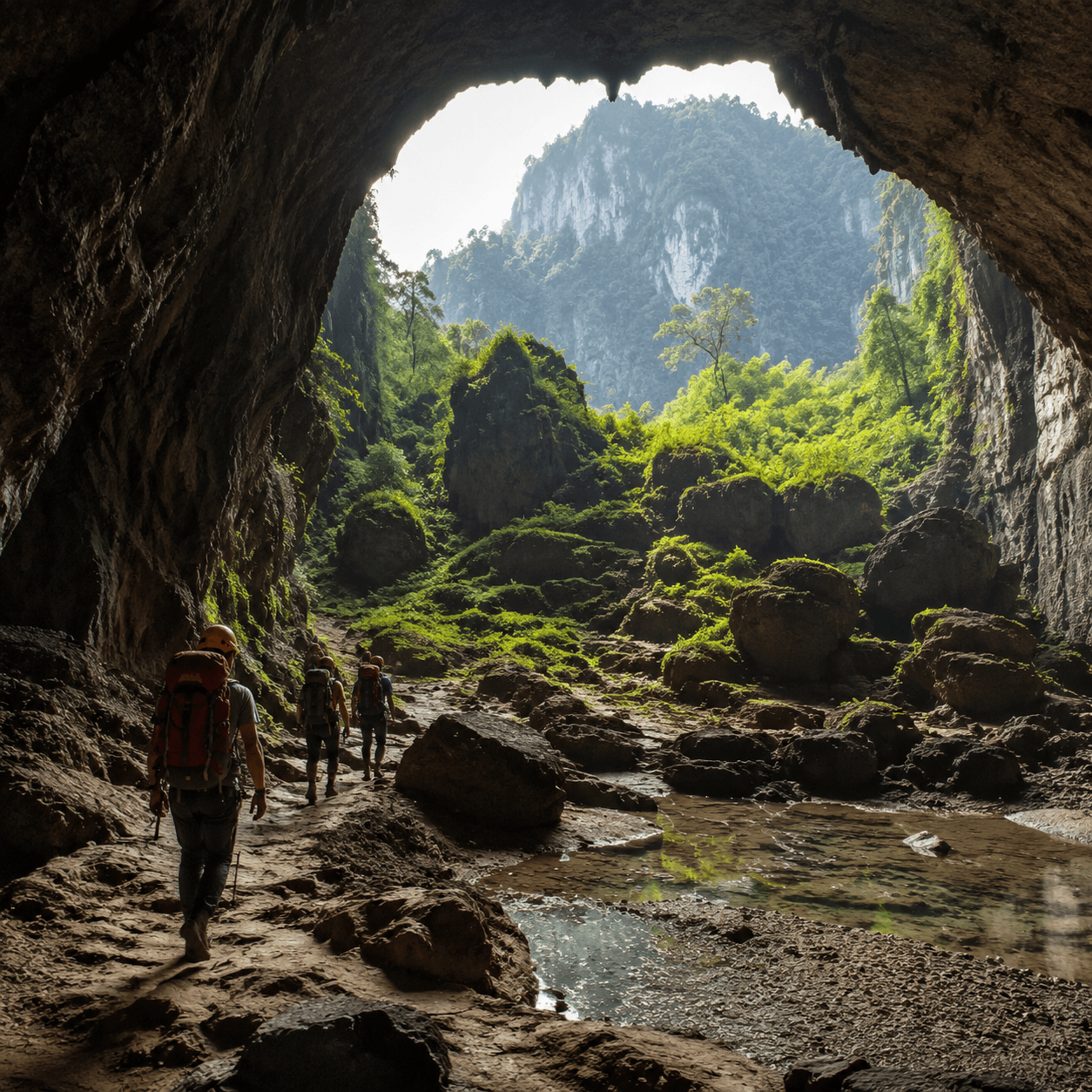
Phong Nha-Ke Bang National Park is home to the world’s largest cave, Son Doong, and a network of other spectacular caves. This guide focuses on how to visit the park’s caves, from booking a Son Doong expedition to choosing accessible day trips, and offers practical advice for international travelers.

Trip plan
Day-by-day itinerary
Day 1
Arrive in Dong Hoi and Transfer to Phong Nha
Fly or take the train to Dong Hoi, then transfer by car or bus to Phong Nha village. Settle into your accommodation and explore the village’s cafes and riverfront.
Related reading
Keep exploring Vietnam
- 1Phong Nha-Ke Bang National Park: Caves, Jungle Treks, and Adventure
Link from the 'Getting to Phong Nha-Ke Bang' section for broader park info.
- 2Planning a Caving Expedition in Phong Nha-Ke Bang: Booking, Packing, and Practical Advice
Link from 'Responsible Travel and Booking Tips' for deeper caving logistics.
- 3Kayaking and Cave Exploration in Phong Nha-Ke Bang National Park: A Practical Guide
Link from 'Choosing Your Cave Experience' for alternative activities.
At a glance
- Best time to visit
- February–August (dry season)
- Recommended stay
- 2–4 days
- Getting there
- Fly or take the train to Dong Hoi, then transfer 45 km to Phong Nha
- Language
- Vietnamese (English spoken at tour agencies)
- Currency
- Vietnamese dong (VND)
- Budget
- Day tours from $20 USD; Son Doong expedition $3,000+ USD
Getting to Phong Nha-Ke Bang
Dong Hoi is the arrival point for Phong Nha-Ke Bang. The city has a domestic airport and a train station, and it sits about 45 km from Phong Nha village. Whichever of the two you arrive on, that 45 km is the distance left to cover, and the choice of how to cover it stays the same.
A private transfer costs around 500,000-700,000 VND and is the only one of the three options with a price attached. You arrange it yourself. A public bus is the second option, which runs on its own timetable and does not include pickup. The third is a tour that includes pickup, so the drive from Dong Hoi comes as part of the booking rather than as a separate arrangement.
Most visitors stay in Phong Nha village rather than in Dong Hoi. The village has a range of guesthouses, hostels, and small hotels, and it is where the 45 km from the airport and the train station ends. A private transfer or a tour with pickup brings you there directly; a public bus is the option you manage yourself. Both arrival points sit in Dong Hoi, so the last leg starts there whichever one you use.
The airport is domestic, so travelers arriving from outside Vietnam change planes in Hanoi or Ho Chi Minh City before the final flight. Trains on the north-south line stop at Dong Hoi station. Staying in Dong Hoi rather than Phong Nha village leaves 45 km between your bed and the park, and that distance applies in both directions.

Choosing your cave experience
Son Doong Cave is the headline attraction in Phong Nha, and access is strictly limited. Permits cost over $3,000 USD and must be booked months in advance through Oxalis Adventure. The price and the booking window decide whether the cave is realistic: a trip planned a few weeks out cannot include it, and neither can a trip built around a smaller budget. Anyone without both the money and the advance planning has to look at the other caves.
Hang En covers the multi-day format for less money. It is a massive cave with an underground campsite, so the night is spent inside the cave rather than in a guesthouse. Travelers who want more than a day underground but cannot meet Son Doong's cost or lead time have this option. A night at the campsite also gives you more time in the cave system than a day tour allows.
For day trips, Paradise Cave (Thien Duong) and Phong Nha Cave are the most accessible. Both can be visited with short guided tours, which suits a visit of a day or two. Dark Cave (Hang Toi) takes a different route through the single-day format: ziplining, kayaking, and a mud bath. The first two are sightseeing caves; Dark Cave is the one where you swim and get muddy. Choose among the three by what you want to do, since all of them fit a short visit.
Entry to most caves is only allowed with a guide, and Paradise Cave's main chamber is the exception. It is the one place listed here you can enter without one. Everything else runs through a guide, and Son Doong runs through a permit booked months in advance with Oxalis Adventure.
When to visit and what to bring
The dry season runs from February to August, and that is the best time for caving. Heavy rain from September to November can close caves and flood trails, so a trip booked in those months may lose days to closures. Daytime temperatures range from 25-35°C. Cave access depends on conditions, so the season comes before everything else.
Pack for the heat and for water. Lightweight clothing suits days that run from 25-35°C, and it dries faster than heavy fabric. Sturdy shoes matter on cave floors, which are uneven and often wet, and grip matters more than cushioning on wet rock. Insect repellent covers the hours you spend outside the caves. A waterproof bag keeps electronics dry through rain and through any water section on the route.
Some tours require swimming or wading through water, so check tour details before booking. Those details tell you whether the route includes a water section, and that fact decides whether the tour suits you. If you would rather stay dry, look for a tour without that requirement, and check before you pay. A route with a water section makes the waterproof bag and grip on your shoes matter more.
Book inside the February to August window, then confirm whether the tour involves swimming or wading. Season and route come first, and packing follows. The packing list covers lightweight clothing, sturdy shoes, insect repellent, and a waterproof bag for electronics. Each item answers one of the conditions already described: 25-35°C days, wet and uneven cave floors, insects, and water on some routes.

Staying and eating in Phong Nha
Phong Nha village has a growing number of hostels, eco-lodges, and homestays. Prices range from $7 USD for a dorm bed to $40-$100 USD for a private room at an eco-lodge. A dorm bed is a place in a shared room, which is why it costs far less than a private one. The $40-$100 USD band covers private rooms at eco-lodges, and the rate you pay depends on the property and the room you choose.
The three types of accommodation cover different setups: a bed in a shared dorm, a room in a family house at a homestay, or a private room at an eco-lodge. Someone traveling alone on a budget will get the $7 dorm; couples and families usually pay for a private room. Confirm the room type and the nightly rate when you book.
Local restaurants serve Vietnamese dishes (pho, rice, stir-fries) and some Western food. Pho is a noodle soup, usually with beef or chicken, and it comes with herbs on the side. Rice plates and stir-fries account for much of the rest of a standard menu. The Western dishes are the fallback if you want a change from noodles and rice.
Most tour operators can accommodate dietary restrictions if notified in advance. Give them the details when you book, not on the morning the tour leaves, because the food for cave trips is organized before departure. Tell them what you cannot eat in plain terms, and confirm it again the day before the trip. Restaurants in the village work separately from the tour kitchens, so tell the restaurant when you order and the operator when you book.

Responsible Travel and Booking Tips
Cave tourism in Phong Nha is regulated to protect the fragile environment, and the rules decide who can take you underground. Book only with licensed operators. Oxalis Adventure is the only company authorized for Son Doong and Hang En expeditions, so those two caves cannot be booked through another agency. A tour that promises otherwise is one to turn down.
For other cave tours in the area, licensed operators run the trips, and confirming the licence is the first step before you pay a deposit. Ask your questions directly to the company that will lead the trip, because group sizes, safety equipment, and environmental practices are details only that operator can answer for you. The answers tell you how a company runs its tours and how it treats the cave.
Group size is worth asking about first. Fewer people in a cave means less wear on the cave and more attention from the guide leading you through. Find out what safety equipment the company provides and what it does to limit the impact of each trip. Compare the answers from two or three operators before you commit, because every operator answers those questions differently.
Language matters when you plan, and it shapes where you ask your questions. English is widely spoken at tour agencies in Phong Nha, so the booking conversation is usually straightforward. In rural areas, English is less common. Settle anything that needs discussion while you are at the agency counter, where staff can answer in English, rather than saving it for the villages.
If Weather Changes Your Cave Booking
Heavy rain from September to November can close caves and flood trails, so a cave tour booked late in a trip leaves no room to reschedule. Book the cave you most want for the first full day in Phong Nha. If the operator cancels because of water levels, you still have the rest of your stay to move to another date or another cave. A tour lost on the last morning is harder to replace.
Ask the operator what happens when a route closes. Some caves can be swapped for another; others cannot. Paradise Cave and Phong Nha Cave are day trips that may run when multi-day routes are affected, but access still depends on conditions. Dark Cave includes water and a mud bath, so rain can change whether it runs. Get the operator's plan in writing or by message before you pay.
On the morning of a tour, confirm by phone or at the office that it is still running. Do not assume a booking stands if the previous night brought heavy rain. If the tour goes ahead, wear shoes with grip and bring the waterproof bag already on your packing list. If the operator cancels, ask about a refund, a transfer to another date, or a different cave. Those terms belong in the booking conversation, not after a cancellation.
Keep one dry day in Phong Nha village without a cave booking. That day absorbs a weather delay and gives you time to visit the village or rest. The February to August window is the dry season, but rain can still fall, and cave access depends on conditions. The buffer day is the practical way to protect the rest of the itinerary.
Frequently asked questions
Son Doong expeditions are run exclusively by Oxalis Adventure, with about 1,000 permits issued per year. Bookings open months in advance and cost over $3,000 USD per person. A high level of fitness is required.
Paradise Cave and Phong Nha Cave can be visited on short notice, either independently or with a local tour. However, Son Doong and Hang En require advance booking and permits.
Most caves are closed during the rainy season (September–November) due to flooding and safety concerns. Always check with local operators before planning your trip.
Bring lightweight clothing, sturdy shoes, insect repellent, a waterproof bag, and a change of clothes. Some tours include swimming or mud activities—check the details before you go.
Travel details change — opening hours, prices, and schedules can vary by season. Please verify current information on official websites before your visit.
Sources
- nomadicmatt.com — Primary source
- thebrokebackpacker.com — From research brief
- wanderingwheatleys.com — From research brief
- oxalisadventure.com — From research brief
- vietnam.travel — From research brief
Loading reviews…
About the author
Phạm Quốc Bảo
Cities & Events Editor
Quốc Bảo covers Vietnam's cities and their calendars — street life, night markets, festivals, and the people who keep traditions running. He edits with an ear for what actually happens on the ground rather than what the brochures promise.
All articles by Quốc BảoRelated posts

Phong Nha Beyond the Caves: Farmstay Hopping and Hidden Waterfalls — Son Doong vs Hang En 2026 Tour Comparison
For Phong Nha Beyond the Caves: Farmstay Hopping and Hidden Waterfalls, this practical 2026 guide compares the Son Doong and Hang En cave expeditions in Phong Nha-Kẻ Bàng National Park. It covers US$3,000 vs US$450–500 tour prices, permits, fitness, age limits, and the February–August dry season so you can book the right Oxalis trek.
Phong Nha Cave Tours Compared: Son Doong, Hang En, Tu Lan, Paradise and Dark Cave in 2026
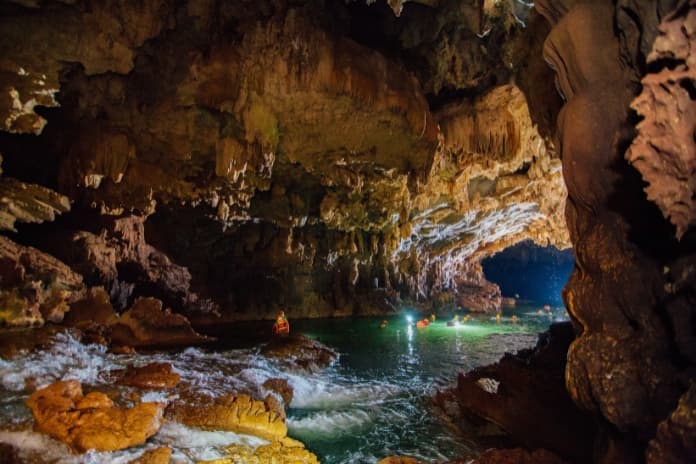
A practical 2026 comparison of Phong Nha's main commercial cave tours: Son Doong, Hang En, Tu Lan, Paradise, and Dark Cave. It covers prices, durations, permits, difficulty, the best season, weather cancellations, and how far ahead to book, so you can choose the right cave without relying on outdated rates.

Phong Nha Beyond the Caves: Farmstay Hopping and Hidden Waterfalls — Self-Guided Free Caves 2026
Independent caving guide for Phong Nha-Ke Bang in 2026. Covers which free or self-guided caves are feasible without a tour, legal rules, required gear, motorbike access, dry-season timing, and costs. Includes practical route notes and farmstay options for Phong Nha Beyond the Caves: Farmstay Hopping and Hidden Waterfalls.