Hang En Cave Trek: A 2026 Guide to Vietnam's Two-Day Expedition Beyond Sapa Trekking
This 2026 guide covers the two-day Hang En Cave trek in Phong Nha-Ke Bang National Park: permits, booking, 10 km trail, weather windows, gear, costs, and a day-by-day plan. If you were comparing Sapa trekking routes with central Vietnam's cave expeditions, this is the practical Hang En route.

Trip plan
Day-by-day itinerary
Day 1
Trek to Hang En entrance and cave camp
Set out from park HQ on the 10 km one-way trail through jungle, with 5 to 6 hours of walking, stream crossings, and 200 to 300 m elevation gain. The final descent drops into the cave entrance where you camp near the river. Camping gear, dinner, and a safety briefing are provided by the operator.
Related reading
Keep exploring Vietnam
- 1
- 2
- 3
At a glance
- Best time
- February to August, outside the September to December flood season
- How long
- 2 days, 10 km each way
- Budget
- US$250 to 300 per person, all trekking permits and gear included
- Getting there
- Phong Nha-Ke Bang National Park, Quang Binh province; tour starts from park HQ
- Language
- Vietnamese, with English-speaking guides on the Oxalis Adventure tour
- Currency
- Vietnamese dong (VND); tour prices quoted in US dollars
Getting there and permits
Hang En's two-day trek starts from Phong Nha-Ke Bang National Park headquarters; the cave sits about 10 km each way on foot. Independent entry is prohibited, so you cannot just show up and pay a park fee. All trips must be booked through a licensed operator, and Oxalis Adventure holds the exclusive permit for the two-day Hang En tour. Anyone used to sapa trekking routes that allow self-guided starts should reset expectations here.
Oxalis sells the standard two-day tour for US$250 to 300 per person. That price includes national park permits, all meals, camping gear, safety gear, and professional guides. You do not buy a separate permit at the gate; the permit is bundled into the package. Because spots are limited and dry-season dates from February to August fill weeks in advance, reserve early on the Oxalis website. Pick a departure date, complete the fitness questionnaire, and pay a deposit to lock in your spot.
Once booked, you will get a confirmation email with a packing list and meeting point details. Check the weather before you commit to non-refundable transport: the wet season from September to December brings heavy rain that can flood streams and close trails. Operators may reschedule or cancel trips during that period. If your schedule allows, aim for a dry-season slot to reduce cancellation risk.
For international visitors, Vietnam offers an e-visa for many nationalities. Apply online and get approval before you book the tour or pay the balance, because visa processing can take several days and the tour price is non-refundable. The US$250 to 300 price already covers the required permits, so no extra paperwork is needed at the park headquarters. Hours, prices, and visa rules change: confirm current details on the official Oxalis Adventure and Vietnam immigration websites before paying.
When to visit Hang En in 2026
February through August is the most reliable window for the Hang En trek in 2026, Phong Nha-Ke Bang's dry season. Unlike many sapa trekking routes, where winter mud and fog complicate planning, Hang En's main variable is rainfall. The two-day tour can operate almost daily during these seven months, but demand is high: bookings sell out weeks in advance.
Reserve early. Altitudes stay under 300 m, so altitude sickness is not a concern. Heat and humidity are the real physical challenges, especially from late March onward. Even on a dry day, expect 5 to 6 hours of walking with rocky paths and stream crossings. The trail follows roughly 10 km each way from park headquarters, and the final descent to the cave mouth is steep. Overheating and dehydration slow more trekkers than the route's technical difficulty.
From September to December, heavy rain arrives and with it flood risks and trail closures. The river that flows through Hang En can rise quickly, making the cave campsite inaccessible. Oxalis Adventure often suspends departures for days or weeks at a time during this period, and even short dry spells may not reopen the route if the approach streams are high. Check the operator website and recent trip reports for current trail conditions before booking any date in September, October, November, or December.
For 2026, plan the trek between February and August if you want the most reliable conditions. Since that is also peak season, select two or three possible dates and book at least a month ahead when possible. Prices remain US$250 to 300 per person for the standard two-day tour, but availability is the tighter constraint. Always confirm current trail status through Oxalis Adventure and independent trip reports, as rainfall patterns can shift.

The track: distance, terrain, difficulty
The track: distance, terrain, difficulty
The Hang En trail covers about 10 km each way from Phong Nha-Ke Bang National Park headquarters to the cave entrance. Most groups take 5 to 6 hours of walking per day on that outward leg, with the same distance back the next morning. If you have done a sapa trekking route, expect a different challenge here: the total elevation gain is only 200 to 300 m, so the effort goes into foot placement and balance rather than climbing.
The first part of the track follows a mix of old forest paths and dry creek beds, where loose rocks and exposed roots force you to watch every step. After that, the trail crosses several streams. Water levels vary with recent rain, and in places you wade through knee-deep channels in your water shoes. The last section is a steep, bouldery descent to the cave entrance, which can be slow even for fit hikers because the rocks shift underfoot.
Oxalis Adventure rates the technical difficulty as moderate, but that still requires a good base fitness. The total elevation gain of 200 to 300 m is low compared with many mountain routes, so the main strain comes from hours of uneven, rocky terrain rather than steep climbs. Your ankles, knees, and hips take more load than on a smooth trail, and the humid heat at under 300 m altitude adds to the fatigue.
Unlike many sapa trekking tours, the Hang En track has no support vehicle, shortcut, or bailout option once you leave the park headquarters. You walk the full 10 km out on day one and the same 10 km back on day two. Pace yourself on the rocky stretches, and stop to adjust footwear before the first deep stream crossing. A headlamp helps in the cave entrance descent, especially if your group arrives late in the afternoon.
What to pack for a two-day cave trek
At under 300 m elevation, Hang En's 10 km one-way approach is hot, humid, and crossed by several streams, so the pack list prioritises moisture control and foot protection over warmth. Hikers coming from sapa trekking routes should leave insulated layers behind; this trail rewards fast-drying long sleeves and a strong repellent. Long-sleeved shirts are essential for the jungle sections, where mosquitoes and leeches are active, and a strong insect repellent applied to cuffs and collars will save you from bites.
Water shoes are non-negotiable for the stream crossings: you will wade through shallow rivers multiple times on the uneven, rocky path. Pack a spare pair of dry camp shoes for the evening, because wet footwear will not dry overnight in the humid air. Inside the cave, a headlamp is required, and spare batteries or a backup light are worth the extra weight as the chamber is pitch dark beyond the entrance. The steep final descent to the cave entrance also demands good grip, so choose water shoes that protect your feet on rocky ground.
Oxalis provides camping gear and safety gear, so leave bulky camp equipment at home. The real weight in your pack should be water: heat and humidity at under 300 m altitude will push sweat rates higher than most first-time trekkers expect, and the 5 to 6 hours of walking each day means you cannot count on refills along the trail. Bring a filtration bottle or enough drinking water to last the full day.
Finally, confirm the current packing list on the official website before you pack; guides provide safety briefings that include required personal gear, and conditions shift with the wet season from September to December.
Costs and what the US$250 to 300 includes
The standard two-day Hang En Cave trek costs approximately US$250 to 300 per person, and that single fee covers almost everything you need inside the national park. Included in the price are meals, camping gear, safety gear, professional guides, and the required permit. Independent entry is prohibited, so every booking must go through a licensed operator, and Oxalis Adventure holds the exclusive permit. For hikers who have priced a sapa trekking tour in northern Vietnam, this is a key difference: Hang En's permit and camp logistics are already folded into one payment, with no separate park gate fees.
Bookings often sell out weeks in advance during peak season, which runs February to August. Reserve early, especially if you have fixed travel dates. Tour prices may rise later in 2026, and hours and prices change, so confirm the current figure on the official Oxalis Adventure website before you pay. The trek is two days with 5 to 6 hours of walking per day, so the cost per hour is reasonable, but the real value is the logistical support.
Budget separately for transport to Phong Nha. The US$250 to 300 fee starts at the tour meeting point near Phong Nha-Ke Bang National Park headquarters, not at your hotel in Hanoi, Da Nang, or Dong Hoi. Bus, train, and private transfer costs are extra, and so are tips for guides and support staff. Tipping is not mandatory but common for multi-day treks in Vietnam. Personal clothing, water shoes, insect repellent, and a headlamp are not included, so factor those into your packing list rather than the tour budget. The dry season from February to August offers the most reliable trail conditions, and if you book those months, plan for higher demand.
Sapa trekking vs Hang En: read this before you book
## Sapa trekking vs Hang En: read this before you book
The Hang En trek is a two-day, 10 km each way cave expedition in Phong Nha-Ke Bang National Park, not a Sapa trekking route. If your search for sapa trekking brought you here, Hang En sits in central Vietnam while Sapa trekking routes run through the Hoang Lien Son mountains near the Chinese border. This guide does not review Sapa trekking hotels, Sapa trekking tour packages, or guide-free Sapa trekking routes.
### Sapa trekking routes stay in the north
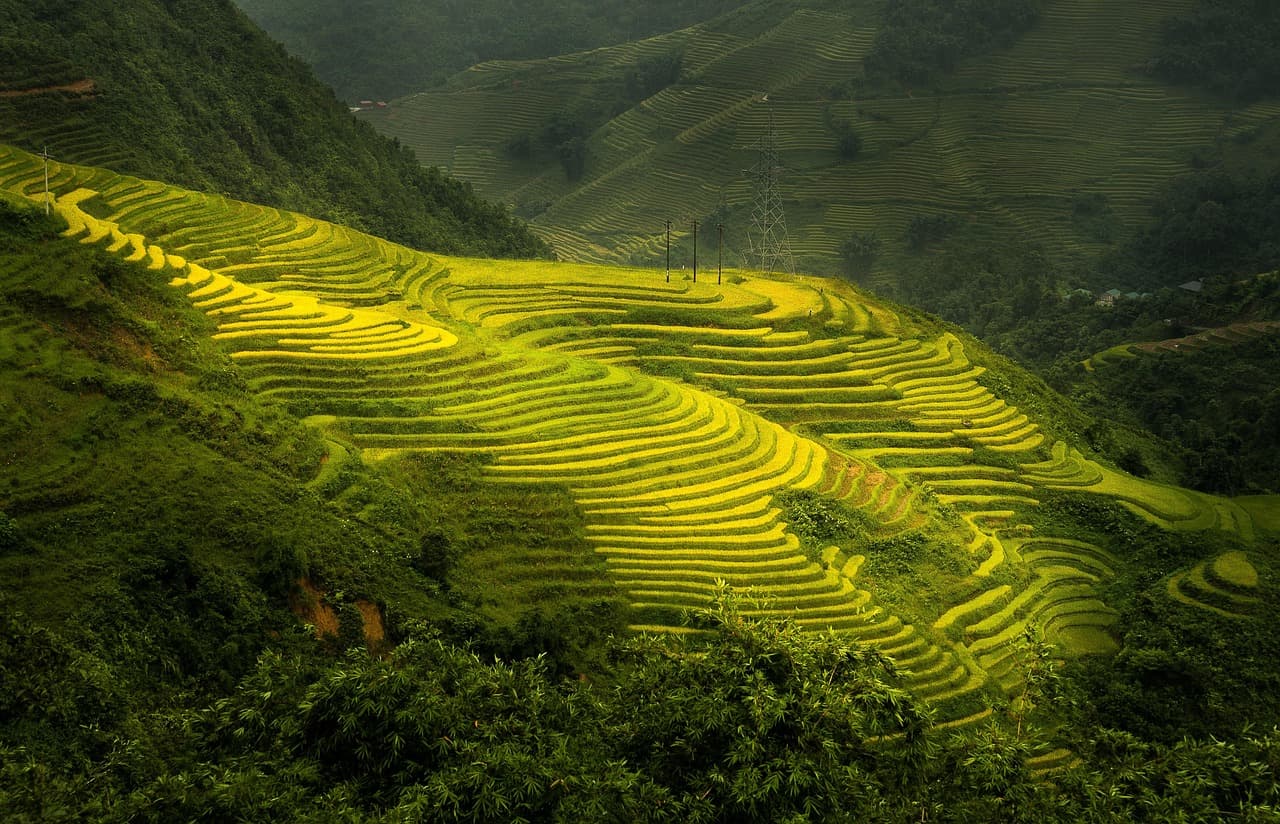
Sapa trekking typically means highland village walks between rice terraces and Hmong, Dao, and Giay settlements. Hang En is a cave expedition with jungle trails, stream wading, and a steep final descent. The two days include 5 to 6 hours of walking per day, with only 200 to 300 m total elevation gain. Altitude stays under 300 m, so heat and humidity drive the challenge, not mountain passes. Expect uneven rocky paths, not graded trails.
### Why Hang En is not a Sapa trekking tour substitute
Hang En cannot be done independently. Licensed operators are mandatory, and Oxalis Adventure holds the exclusive permit. Standard two-day tours cost US$250 to 300 per person and include meals, camping gear, safety gear, and guides. By contrast, some Sapa trekking routes allow local guides or self-guided day hikes. That is not an option at Hang En. You enter the world's third-largest cave and camp inside it, something no Sapa trekking adventure includes.
### Booking and cost timing
Bookings often sell out weeks ahead in the dry season, which runs February to August. The wet season from September to December brings flood risk and trail closures. If you wanted a highland trip rather than a cave expedition, look separately at Sapa trekking tour operators and Sapa trekking hotels in northern Vietnam. For Hang En, reserve through a licensed operator and confirm current conditions before you leave. Do not expect to swap one trek for the other without changing permits, gear, and location.

Hang En day by day: a two-day itinerary
The two-day Hang En trek splits cleanly: day 1 walks the full 10 km from Phong Nha-Ke Bang National Park headquarters to the cave, and day 2 explores the chamber before returning the same 10 km. Guides run a safety briefing before departure and the day's walking totals 5 to 6 hours over rocky, uneven ground with stream crossings. If you have done Sapa trekking, expect a different challenge here: the cave sits under 300 m, but heat and humidity are more of a factor than altitude. The route is out and back, so you carry only a small daypack while camp gear waits inside the cave.
Day 1 starts at the park headquarters with a walk through jungle, across streams, and over loose rock. Total elevation gain is just 200 to 300 m, so the difficulty comes from the rough path rather than climbing. The final approach drops steeply to the cave mouth. You arrive late afternoon, set up camp on a sandy bank near the river inside the cave, and the operator provides dinner and breakfast. Sleeping bags and mats are supplied, but you bring personal clothes, water shoes, insect repellent, and a headlamp.
Day 2 begins after breakfast with a slow exploration of the main cave chamber. The guide adjusts time inside based on group energy and water conditions. After packing up, you walk the same 10 km back to the park headquarters, a hike of roughly 5 to 6 hours, with no new route to learn.
Return time on day 2 depends heavily on group pace and how long cave exploration takes. Do not book a same-day flight or tight bus connection. A buffer of several hours after the expected late-afternoon finish is safer. Check current trail status with the operator, especially in the wet season from September to December.
Frequently asked questions
No. Independent entry is prohibited. Oxalis Adventure holds the exclusive permit and all trips must be booked through licensed operators.
Moderate fitness is required. Expect 5 to 6 hours of walking per day on rocky paths and river crossings. Altitude is under 300 m, so altitude sickness is not a concern, but heat and humidity are.
Yes. Permits, meals, camping gear, safety gear, and guides are included in the US$250 to 300 per person tour price.
No. This guide covers Hang En in Phong Nha-Ke Bang National Park. Sapa trekking routes are in a different part of Vietnam.
Travel details change — opening hours, prices, and schedules can vary by season. Please verify current information on official websites before your visit.
Watch: related videos
Hang En Cave Trek: A 2026 Guide to Vietnam's Two-Day Expedition Beyond Sapa Trekking — Video by K on Pexels
Hang En Cave Trek: A 2026 Guide to Vietnam's Two-Day Expedition Beyond Sapa Trekking — Video by Serg Alesenko on Pexels
Sources
- oxalis.com.vn — Primary source
- travelfish.org — From research brief
- stingynomads.com — From research brief
- thetravelingsquid.com — From research brief
- vietnamcoracle.com — From research brief
Loading reviews…
About the author
Võ Hoài Nam
Nature & Adventure Editor
Hoài Nam edits Vietpeep's national parks, trekking, and adventure coverage from an environmental perspective. He keeps trail conditions, permits, wildlife rules, and low-impact travel choices front and center, so readers can plan a trip that respects the landscape.
All articles by Hoài NamRelated posts
Sapa trekking difficulty: route grades, guide costs and fitness for 2026
Sapa trekking is rarely about altitude: Sapa town sits at about 1,600 m and village treks stay between 1,200 m and 1,800 m. Heat, mud and steep clay descents are what make routes hard. This guide grades valley and remote routes, 2026 guide costs, permits, weather by month and a two-day plan.

Sapa Trekking in 2026: Guide Costs, Permits, and Village Route Planning
This 2026 Sapa trekking guide compares group, private, and multi-day tour prices, explains current permit rules for village trails and Fansipan, and lays out route difficulty, weather windows, and how to avoid street-tout scams. Use it to pick a guide, budget realistically, and plan a trek matched to your fitness.

Sapa Trekking 2026: Multi-Day Routes, Permits, and Practical Tips
This article covers Sapa's best multi-day trekking routes for 2026, current permit and guide requirements, realistic fitness needs, updated transport options and prices, and practical advice for international hikers. It's a practical resource for planning treks, booking homestays, and navigating entry rules for overnight village stays.