Kayaking Ba Be Lake: A Practical Guide for International Visitors
Ba Be Lake, Vietnam’s largest natural freshwater lake, offers a quiet kayaking escape in Bac Kan Province. This guide covers how to get there, when to visit, what to expect, and practical tips for planning a safe and enjoyable trip.

Trip plan
Day-by-day itinerary
Day 1
Arrival and Exploring Pac Ngoi Village
Arrive at Ba Be Lake, check into a homestay in Pac Ngoi village, and take a short walk to explore the local Tay community and lakeside scenery. Settle in with a home-cooked dinner.
Related reading
Keep exploring Vietnam
- 1Exploring Bai Tu Long Bay: Vietnam’s Quiet Alternative to Ha Long
Link from the 'Kayaking and Activities' section to suggest another quiet kayaking destination.
- 2Vietnam travel basics: payment, SIM cards, and getting around
Link from the 'Getting There' or 'Practical Tips and Safety' sections for transport and payment advice.
- 3Visiting the Traditional Stilt Houses of the Tay Ethnic Group in Northern Vietnam
Link from the 'Kayaking and Activities' section when mentioning Tay villages.
At a glance
- Best time
- October–April (dry season)
- How long
- 2–3 days recommended
- Budget
- $30–$50 per day (including kayak, homestay, meals)
- Getting there
- 5–6 hours by car or bus from Hanoi
- Language
- Vietnamese; little English spoken
- Currency
- Vietnamese Dong (VND); bring cash
Getting There
Ba Be Lake is roughly a 5–6 hour drive from Hanoi. Public transport options are limited; most visitors book a private car, minivan, or join a guided tour. Buses to Ba Be town (Cho Ra) run from Hanoi’s My Dinh station, but schedules can be irregular and transfers are often needed. For convenience, arrange your transport in advance, especially if arriving late or during the rainy season.

When to Visit
The best time for kayaking is between October and April, when the weather is cooler and drier. May to September brings heavy rain, higher water levels, and potential flooding or landslides, which can make kayaking more difficult and sometimes unsafe. Always check the latest weather and park conditions before your trip.
Kayaking and Activities
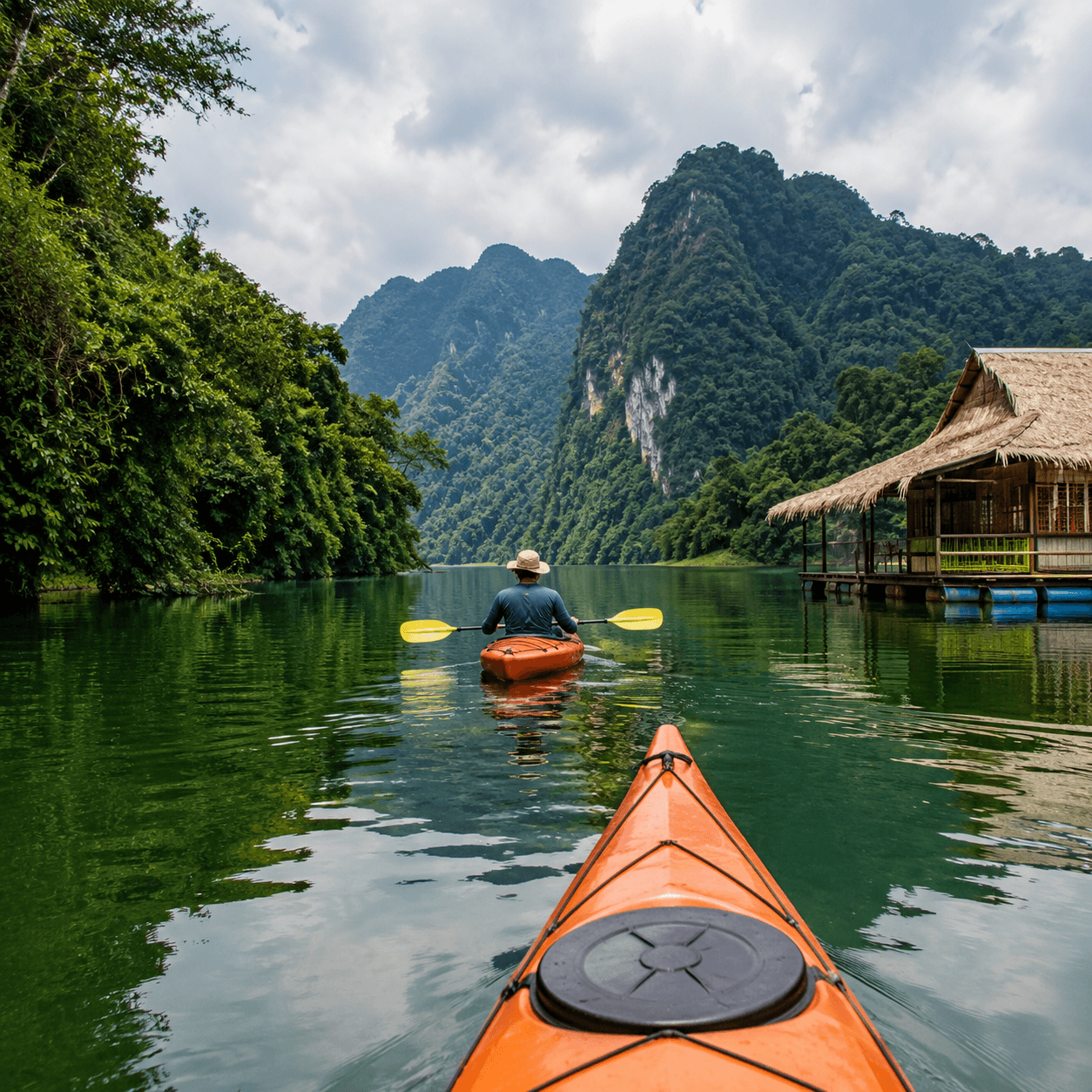
Kayak rentals are available at the park entrance and through homestays in Pac Ngoi and Bo Lu villages, typically costing $10–$20 per day (2023 prices). Guided kayaking trips can be arranged for those who prefer local expertise or need translation help. Popular routes include paddling to Puong Cave, visiting small islands, and stopping at Tay, Hmong, and Dao villages. Equipment quality varies, so inspect kayaks and life jackets before setting out.
Staying and Eating
Most visitors stay in homestays in Pac Ngoi or Bo Lu villages, where hosts offer simple rooms and home-cooked meals. Expect basic facilities, with prices starting around $10–$20 per night. English is not widely spoken, so a phrasebook or translation app is useful. There are few restaurants or shops in the park; meals are usually provided by your homestay.
Practical Tips and Safety
Bring enough cash, as ATMs are scarce and cards are rarely accepted. Medical facilities are limited, so pack a basic first aid kit and any essential medications. Water safety standards may not meet Western expectations—double-check all rental equipment and consider wearing your own life vest if you have one. During the rainy season, monitor weather updates and be prepared for itinerary changes due to flooding or landslides.

Frequently asked questions
No, but basic paddling skills are helpful. Guided trips are available for beginners.
A day trip is not practical due to travel time. Plan to stay at least one night.
ATMs are very limited and cards are rarely accepted. Bring enough cash for your stay.
The area is generally safe, but limited English and medical facilities mean solo travelers should prepare carefully and inform someone of their plans.
Travel details change — opening hours, prices, and schedules can vary by season. Please verify current information on official websites before your visit.
Sources
- nomadasaurus.com — Primary source
- wanderingwheatleys.com — From research brief
- backpackerswanderlust.com — From research brief
- vietnamcoracle.com — From research brief
- ba-be-lake.com — From research brief
Loading reviews…
About the author
Võ Hoài Nam
Nature & Adventure Editor
Hoài Nam edits Vietpeep's national parks, trekking, and adventure coverage from an environmental perspective. He keeps trail conditions, permits, wildlife rules, and low-impact travel choices front and center, so readers can plan a trip that respects the landscape.
All articles by Hoài NamRelated posts

Ba Be Lake Homestays and Boat Tours: Practical Guide for 2026
This article provides international travelers with up-to-date details on staying in ethnic village homestays and booking boat tours at Ba Be Lake, including transport options, entry fees, tour prices, meal costs, and essential cautions for 2026. Useful for planning a tranquil, authentic experience in Vietnam's largest freshwater lake region.

Cat Ba Island’s Hidden Beaches: Practical 2026 Guide for International Visitors
This guide covers how to reach Cat Ba Island’s lesser-known beaches, the best times to visit, entry fees, typical costs, and essential cautions for international travelers in 2026. It’s designed for those seeking quiet alternatives to Ha Long Bay, with up-to-date transport, accommodation, and safety details.

Ba Be Lake Odyssey: Kayaking, Jungle Hikes, and Homestays in Vietnam's Forgotten National Park
A practical 2026 guide to Ba Be National Park covering bus access from Hanoi, October–February timing, kayak and trek costs, homestay prices in Pac Ngoi and Cam Ha, and the guide-permit rule for core-zone trails. Includes a three-day itinerary, safety notes on currents and leeches, and current checks for storm damage and trail closures.