Phong Nha Wild Trail 2026: Race Routes, Permits, and Safety for International Runners
Plan for the Phong Nha Wild Trail 2026: race distances from 15km to 70km, late March or early April timing, registration fees and permits, mandatory safety gear, guided cave add-ons with Oxalis Adventure, and dry-season logistics. Useful for international runners needing dates, fees, gear, transport, and caving extensions in one practical guide.

Related reading
Keep exploring Vietnam
- 1
- 2
- 3
At a glance
- Best time
- March-April (dry season, less muddy)
- How long
- Race distances: 15km, 30km, 50km, 70km
- Budget
- 70km entry ~2.5 million VND; homestay and cave tours extra
- Getting there
- Fly to Dong Hoi Airport (VCS), then 45-minute taxi to Phong Nha
- Language
- Vietnamese (basic English in tourist areas)
- Currency
- Vietnamese dong (VND)
Race Overview and 2026 Dates
The Phong Nha Wild Trail 2026 is expected in late March or early April, with exact dates still to be announced on phongnha-wildtrail.com. The annual race offers four distances: 15km, 30km, 50km, and 70km. All four start and finish in Phong Nha town, inside Phong Nha-Ke Bang National Park. The routes follow jungle paths, karst mountains, and areas near cave entrances, with the 70km crossing the most varied terrain.
Since every distance starts and finishes in Phong Nha town, a homestay there is the most convenient base. Race weekend fills accommodations fast, so book as soon as the official date drops. Aid stations sit every 10-15km on course, so you can plan refill points and carry less water. The trail surface shifts from packed dirt to slick limestone, with river crossings on the longer routes.
Registration fee includes park access and a race permit for your chosen distance, so international runners do not need a separate park entry ticket on race day. For the 70km, the fee is approximately 2.5 million VND. Check phongnha-wildtrail.com for current fees on the 15km, 30km, and 50km distances. A basic medical check is required at registration, and you must carry a copy of your passport.
For 2026 planning, target the dry season in March and April, the best months for trail running in Phong Nha. Avoid August through October, when flood risk in Phong Nha-Ke Bang National Park is highest. Do not book flights to Dông Hới Airport until the official race date is published on phongnha-wildtrail.com. The 45-minute taxi from Dông Hới Airport to Phong Nha town is straightforward, but Vietnam visa rules vary by nationality, so confirm entry documents with the embassy well before race weekend.
Routes and Terrain: What to Expect
The 70km route at the Phong Nha Wild Trail 2026 is the longest option, and it combines high humidity, steep limestone ascents, and repeated river crossings in one loop from Phong Nha town. The 15km, 30km, and 50km distances share the same jungle paths and karst terrain but cut the course short before the final climbs. Runners should not underestimate the shorter routes because the same slippery rocks and dense forest apply at every distance.
Aid stations are spaced every 10-15km along all courses, which means you need to carry extra hydration and fuel between them, especially on the 70km. The race is self-supported, meaning aid stations only and no pacers or support crews on course. Mandatory gear for every distance includes a headlamp, hydration bladder, whistle, and thermal blanket. Carry these even for the 15km, because the gear rules apply to every distance.
Trails in Phong Nha-Ke Bang National Park are often wet and slippery, even in the March-April dry season, because humidity stays high and river crossings leave shoes soaked. Train your joints and ankles on technical terrain before race week, including stone steps, root sections, and short scrambles throughout the 70km. If your training ground lacks hills, use stair repeats and single-track running to prepare for steep ascents and descents.
For the 70km, expect at least one river crossing where your shoes stay wet for long stretches, and pack spare socks inside your hydration pack. High humidity accelerates chafing and blisters, so test your vest, anti-chafe product, and sock choice on a humid long run before race week. A whistle and headlamp are part of your mandatory kit, and you are expected to carry them at all times.
Registration, Permits, and Entry Requirements
The 70km Phong Nha Wild Trail 2026 costs approximately 2.5 million VND to register. That fee covers your park access and the race permit, so you will not need a separate ticket for Phong Nha-Ke Bang National Park on race day. The event is expected in late March or early April 2026, but exact dates are still TBA. Confirm the current entry fee on the official race site before paying, as 2026 fees may be adjusted from the previous year.
If you are not racing and plan to explore Phong Nha-Ke Bang independently, the rules are different. You need an official park permit, and for most caves a certified guide is mandatory. The race registration does not cover sightseeing before or after the event, so do not assume your race bib works as a park pass on off days. Book independent cave visits through a licensed operator such as Oxalis Adventure, which includes permits in its tour price. The race itself is self-supported with aid stations only, so race-day guides are not cave guides.
International runners must carry a copy of their passport as part of the registration process and complete a basic medical check. The medical check is required for the race, not optional. Keep the passport copy with you during race weekend. Vietnam grants visa waivers to citizens of some countries, but the list changes. Contact the Vietnamese embassy in your home country before booking flights and race entry to verify current entry rules. Do not assume a visa waiver from a previous trip still applies.
If you add a guided cave trek before or after the race, check whether the operator includes the park permit in the price. Oxalis Adventure tours do, but some smaller providers may charge the permit separately. Independent hikers must arrange their own official park permit and certified guide at the park office or through a licensed tour operator. This is a separate requirement from the race registration fee.
Safety and Mandatory Gear
Every runner at the Phong Nha Wild Trail 2026 must carry four pieces of mandatory gear at all times: a headlamp, hydration bladder, whistle, and thermal blanket. Race checkpoints can ask to see them, and on the 50km and 70km courses the gear serves a real function: darkness arrives fast in the karst forest, and a thermal blanket buys time if you twist an ankle far from an aid station.
High humidity is the main weather challenge in late March and early April. The dry season from March to April is warmer and less muddy than winter, but still hot, and sudden weather shifts are normal. Check the Dông Hới forecast before race morning, and pack a light rain layer even if the sky looks clear. Aid stations sit every 10-15km, but do not rely on them for all hydration in hot conditions. Top up your hydration bladder at every stop and drink before you feel thirsty.
Steep ascents and river crossings increase fall risk, and wet feet are the default rather than the exception on jungle trails. Train for slippery terrain and wet feet: run hills after rain, practise stepping on slick rock, and break in your race shoes with soaked socks. The whistle is for alerting other runners after a fall; the headlamp is for early starts and any section that runs late into the afternoon. Even the shorter 15km and 30km distances follow the same mandatory gear rules as the 50km and 70km. March and April are the better window for international runners, but heat and sudden showers still require respect. Carry enough water for 10-15km of exposed trail and assume the forecast can change within the hour.
Guided Caving Add-ons in Phong Nha
Guided Caving Add-ons in Phong Nha
Oxalis Adventure tours include the park permit, so international runners do not need a separate permit on those treks. The Phong Nha Wild Trail is self-supported, with aid stations spaced every 10-15km, and there are no guided running segments inside the caves. If you want a deeper park experience, book a pre- or post-race guided trek with Oxalis Adventure rather than attempting cave entry on your own.
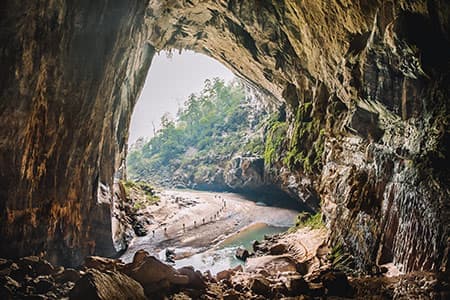
Popular options include Hang En and Tu Lan cave tours, both operated by Oxalis Adventure. Hang En is a two-day trek with an overnight camp inside the cave, while Tu Lan offers one- to three-day loops with river crossings and jungle paths. Both require a level of fitness similar to a long trail run, but the pace is slower and the terrain includes more scrambling. The permit is part of the tour price, so you do not need to buy a separate park pass.
Book guided cave tours early because race weekend makes Phong Nha busy. Homestays and guesthouses in Phong Nha town fill quickly in late March and early April, and Oxalis Adventure groups are small with fixed departure dates. Do not expect to join a Hang En trip on the morning after the race. Reserve at least two to three weeks ahead.
Cave tours are separate from the race and have their own pricing and physical requirements; check oxalisadventure.com for current departure dates, group size limits, and gear lists. Your 70km race registration costs approximately 2.5 million VND, but that fee does not cover cave tours. Budget separately for a Hang En or Tu Lan trek, which includes meals, camping gear, and the certified guide required for cave entry in Phong Nha-Ke Bang National Park.
Best Season and Phong Nha Weather
March-April is the dry season in Phong Nha: warmer and less muddy than winter, yet still hot for running. For the Phong Nha Wild Trail 2026, this is the race window, with exact dates still to be announced but expected late March or early April. The race distances of 15km, 30km, 50km, and 70km all sit inside this drier window.
Typical Phong Nha weather in March and April brings hot days and high humidity even when the trails are dry. Winter mud hardens, so the 50km and 70km routes feel faster than in February, but the heat is real. You will sweat heavily on climbs through jungle and karst; carry more water than you think you need, and train in heat if you arrive from a cool climate.
Avoid August to October for any trail running in Phong Nha-Ke Bang National Park. That period carries serious flood risk; river crossings and low-lying jungle paths can become dangerous after heavy rain, and water can rise fast without much warning. The March to April window is far safer for a self-supported race.
Check the Dong Hoi forecast every morning during race week. Karst terrain can generate local weather that differs from the national forecast, so use the forecast as a baseline rather than a guarantee. Pack for heat and humidity even in March-April: a hydration bladder or bottles, salt tablets, light long sleeves for jungle brush, and a rain shell for short downpours.
Exact 2026 dates remain TBA, so monitor the official Phong Nha Wild Trail site before booking flights or Phong Nha accommodation. Race weekend in late March or early April fills homestays quickly, and a confirmed date lets you align training with the expected heat and humidity.

Getting There, Staying, and Practical Tips
Dong Hoi Airport (VCS) is the closest airport for the Phong Nha Wild Trail, and a taxi from the terminal to Phong Nha town takes 45 minutes. Book flights to Dong Hoi only after the exact race dates are confirmed on phongnha-wildtrail.com. The 2026 event is expected in late March or early April, but that window can narrow once the official date drops.
Accommodation in Phong Nha town is concentrated and busy on race weekend. The area has many homestays, from basic family-run rooms to larger guesthouses, and they sell out weeks ahead for the late March or early April window. Reserve your bed as soon as registration opens; don't assume you can find a same-day room. A homestay near the town center puts you within walking distance of the start and finish, while quieter riverside options add a short bicycle ride.
The 70km registration fee is approximately 2.5 million VND and includes park access plus the race permit. That fee does not cover meals, local transport, or optional cave tours after the race. Carry enough cash in Vietnamese dong for breakfasts, taxis, and any Oxalis Adventure guided trek you add; many smaller homestays and eateries do not accept cards. ATMs exist in Phong Nha town, but lines form on race morning.
Vietnam grants visa waivers only to some nationalities, so check your passport against current rules through the Vietnamese embassy or consulate before booking flights. Entry requirements can shift, and a visa on arrival is not available to everyone. Confirm the exact 2026 race date, course changes, and any fee updates on phongnha-wildtrail.com, then lock in your flight and homestay. The dry season window of March to April is the event's typical slot, but the exact date is still TBA as of this writing.
Frequently asked questions
The 2026 edition is expected in late March or early April, with exact dates to be announced on phongnha-wildtrail.com.
No. The registration fee includes park access and the race permit. Independent park visits require an official permit and a certified guide.
A headlamp, hydration bladder, whistle, and thermal blanket are mandatory. Runners also need a medical check and a passport copy.
March to April is best because it is the dry season, warmer and less muddy. Avoid August to October due to flood risk.
Travel details change — opening hours, prices, and schedules can vary by season. Please verify current information on official websites before your visit.
Watch: related videos
Phong Nha Wild Trail 2026: Race Routes, Permits, and Safety for International Runners — Video by Florian Delée on Pexels · silent stock clip
Phong Nha Wild Trail 2026: Race Routes, Permits, and Safety for International Runners — Video by Florian Delée on Pexels · silent stock clip
Sources
- phongnha-wildtrail.com — Primary source
- oxalisadventure.com — From research brief
- vietnam.travel — From research brief
- phongnhaexplorer.com — From research brief
Loading reviews…
About the author
Võ Hoài Nam
Nature & Adventure Editor
Hoài Nam edits Vietpeep's national parks, trekking, and adventure coverage from an environmental perspective. He keeps trail conditions, permits, wildlife rules, and low-impact travel choices front and center, so readers can plan a trip that respects the landscape.
All articles by Hoài NamRelated posts

Phong Nha-Ke Bang Wildlife Guide 2026: Rare Primates, Cave Bats, and Responsible Watching
This guide covers wildlife in Phong Nha-Ke Bang National Park in 2026: which primates and cave species live there, the best months and morning hours to look, permit and tour rules, responsible watching distances, and what to do when rare mammals do not appear. It gives international visitors realistic plans and fees.

Hang Pygmy Cave in Phong Nha: 2026 permits, costs, and camping steps
This step-by-step guide covers the 2026 Hang Pygmy Cave expedition in Phong Nha, from choosing dates and booking a licensed operator to permits, costs, transport, camping, and failure points that cancel trips. It gives international visitors one consistent budget and timeline for the 2-day, 1-night tour.

Phong Nha Tet 2026: 6 Mistakes to Avoid for Cave Permits, Transport and Homestays
This guide covers six mistakes to avoid in Phong Nha during Tet 2026: cave permits and licensed operators, transport, homestays, cash, weather safety, and unlicensed touts. It gives dates, booking deadlines, warning signs, and a practical timeline for 14-22 February travel.