Phu Quy Island: A Practical Guide for International Visitors
Phu Quy Island in Binh Thuan Province is a quiet, undeveloped destination for travelers seeking authentic Vietnamese island life, pristine beaches, and local culture. This guide covers how to get there, what to expect, and essential tips for a smooth visit.

Related reading
Keep exploring Vietnam
- 1Con Dao Islands: A Practical Guide for International Visitors
Link from 'What to Do' section to compare Phu Quy with other Vietnamese islands.
- 2Vietnam travel basics: payment, SIM cards, and getting around
Link from 'Practical Tips' for broader advice on cash, transport, and connectivity.
- 3Smart Ways to Save on Accommodation in Vietnam: A Practical Guide
Link from 'Practical Tips' to help visitors find budget stays.
At a glance
- Best time to visit
- December–June
- Recommended stay
- 2–4 days
- Budget
- Approx. $30–$50/day (including accommodation, food, scooter rental)
- Getting there
- Ferry from Phan Thiet (2.5–3.5 hours)
- Language
- Vietnamese (English limited)
- Currency
- Vietnamese Dong (VND); no ATMs on island
Getting There
Ferries depart from Phan Thiet port to Phu Quy Island daily, with the journey taking between 2.5 and 3.5 hours depending on the boat. Tickets can be purchased at the port or through local agents; prices typically range from 350,000 to 400,000 VND one way. Weather can affect schedules, especially from July to November, so check ferry times in advance. Upon arrival, foreign visitors must register with local authorities—this is usually handled by ferry staff or your accommodation.
When to Visit
The best time to visit Phu Quy is December to June, when seas are calm and the weather is sunny. July to November is typhoon season, which can disrupt ferry services and bring rough seas. If traveling during Vietnamese holidays (such as Tet), book accommodation in advance as the island can fill up with domestic tourists.
What to Do
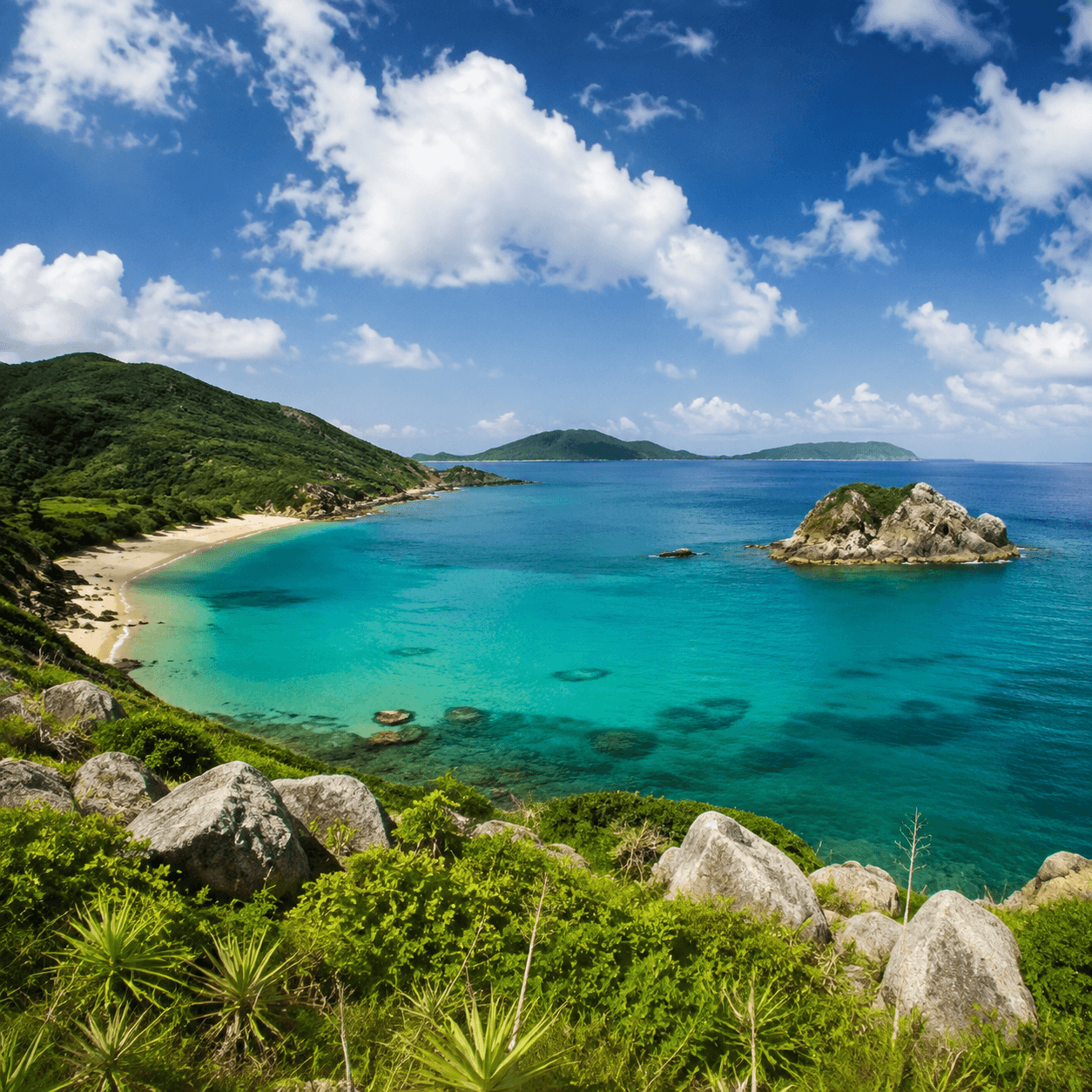
Phu Quy’s main attractions include Trieu Duong Bay (a white sand beach), Ganh Hang (volcanic rocks and tidal pools), Linh Son Pagoda, and Hon Tranh islet for snorkeling. Renting a scooter (150,000–200,000 VND/day) is the easiest way to explore. The island’s fishing villages offer a glimpse into local life, and seafood is plentiful and affordable. There are no large resorts or nightlife; evenings are quiet and focused on local food.
Practical Tips
Bring enough cash for your stay as there are no ATMs. Accommodation options are limited to homestays and small guesthouses—expect basic rooms and amenities. English is not widely spoken, so translation apps or basic Vietnamese phrases are useful. Western food options are limited; most meals are fresh seafood and local dishes. Scooter rental is common, but roads can be rough in places; drive carefully.
Frequently asked questions
No, there are no ATMs. Bring enough cash for your entire stay.
Yes, foreign visitors must register upon arrival. This is usually handled by ferry staff or your accommodation.
English is not widely spoken. Basic Vietnamese phrases or translation apps are recommended.
Mostly homestays and small guesthouses with basic amenities. Book in advance during Vietnamese holidays.
Travel details change — opening hours, prices, and schedules can vary by season. Please verify current information on official websites before your visit.
Sources
- nomadicnotes.com — Primary source
- vietnamcoracle.com — From research brief
- wanderingwheatleys.com — From research brief
- theblondeabroad.com — From research brief
- vietnam.travel — From research brief
Loading reviews…
About the author
Trần Thị Diệu Hằng
Culture & Coast Editor
Diệu Hằng edits Vietpeep's culture, heritage, and coastal coverage with a preference for clear, unhurried prose. She looks for the details that give a place its pace — temple bells, fish-drying racks, the quiet of an island morning — and cuts adjectives until they surface.
All articles by Thị Diệu HằngRelated posts

Cat Ba Island’s Hidden Beaches: Practical 2026 Guide for International Visitors
This guide covers how to reach Cat Ba Island’s lesser-known beaches, the best times to visit, entry fees, typical costs, and essential cautions for international travelers in 2026. It’s designed for those seeking quiet alternatives to Ha Long Bay, with up-to-date transport, accommodation, and safety details.
Con Dao Islands: A Practical Guide for International Visitors
Located 230 km off Vietnam’s southern coast, the Con Dao Islands offer quiet beaches, unique wildlife, and historical sites. This guide covers how to get there, the best times to visit, what to do, and practical tips for travelers seeking a quieter, nature-focused alternative to Vietnam’s larger islands.

Phu Quoc Island Vietnam Travel Guide 2026: Beaches, Island Hopping, and Costs
This Phu Quoc Vietnam travel guide 2026 covers dry season timing, flight and ferry access, the 30 day visa exemption, key attraction prices and hours, and a day by day island hopping plan. It gives international visitors practical budget ranges and tells them when jellyfish and strong currents are a risk.