Tam Giang Lagoon: Practical Guide for Eco-Tourism and Local Culture (2026)
This article gives international visitors clear, up-to-date advice for visiting Tam Giang Lagoon in 2026, covering transport from Hue, entry fees, best times for eco-tours and photography, typical costs, and practical safety tips. It’s ideal for travelers seeking authentic rural experiences and tranquil landscapes away from Vietnam’s main tourist sites.
Related reading
Keep exploring Vietnam
- 1
- 2
- 3
At a glance
- Best time
- March–May, September–November
- How long
- Half-day to 2 days
- Budget
- 500,000–1,000,000 VND/day
- Getting there
- Taxi or motorbike from Hue (30–40 min)
- Language
- Vietnamese; limited English
- Currency
- Vietnamese Dong (VND)
Getting to Tam Giang Lagoon
Tam Giang Lagoon lies roughly 15–20 kilometers north of Hue city, making it an easy half-day trip for travelers based in central Vietnam. The most straightforward way to reach the lagoon is by taxi, with the journey taking 30 to 40 minutes depending on traffic and weather. Expect to pay around 300,000 VND one way (as of 2026), though prices can fluctuate during peak travel periods or after heavy rain. Taxis can be booked via popular apps like Grab or through hotel reception desks in Hue.
For those seeking more independence, motorbike rental is a popular choice. Rentals typically cost about 150,000 VND per day, giving you the flexibility to stop at small fishing villages, local markets, and scenic viewpoints along the lagoon’s 70-kilometer stretch. The main roads from Hue to Tam Giang are paved but can be narrow and occasionally slippery, especially after rain, so cautious driving is advised.
There is currently no direct public bus from Hue to Tam Giang Lagoon, and the area’s villages are not well-served by regular public transport. Private transport or organized local tours are therefore recommended, especially for travelers unfamiliar with the region. Numerous Hue-based operators offer half-day or full-day excursions that include boat rides, seafood meals, and village visits. Since tour operators and offerings change frequently, it’s wise to check recent reviews and confirm details before booking. Advance arrangements are especially helpful during the March–May and September–November high seasons.
Best Time to Visit
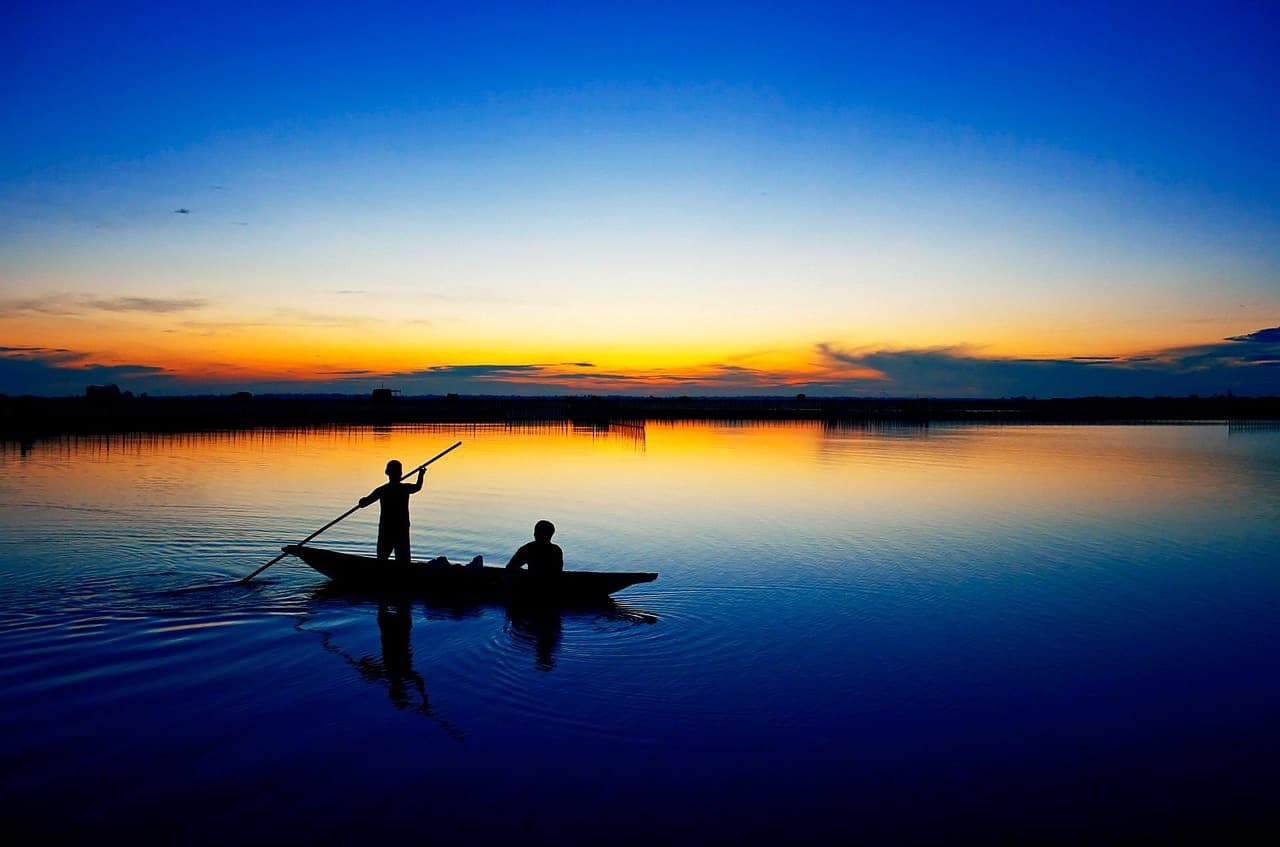
March to May and September to November are the best months to visit Tam Giang Lagoon, when central Vietnam enjoys mild temperatures, lower humidity, and relatively stable water levels. During these periods, daytime highs typically range from 24°C to 30°C, and the lagoon’s waters remain calm—ideal for eco-tours, boat rides, and photography. Local fishermen are active in the early mornings and late afternoons, making these months especially rewarding for visitors interested in observing daily life and capturing images of traditional fishing scenes.
Avoid planning your trip between October and December, when the central coast is prone to heavy rainfall and flooding. Storms during this season can disrupt boat services, cause sudden changes in water quality, and make some rural roads impassable. Many tour operators suspend services during severe weather, so itineraries can be unpredictable.
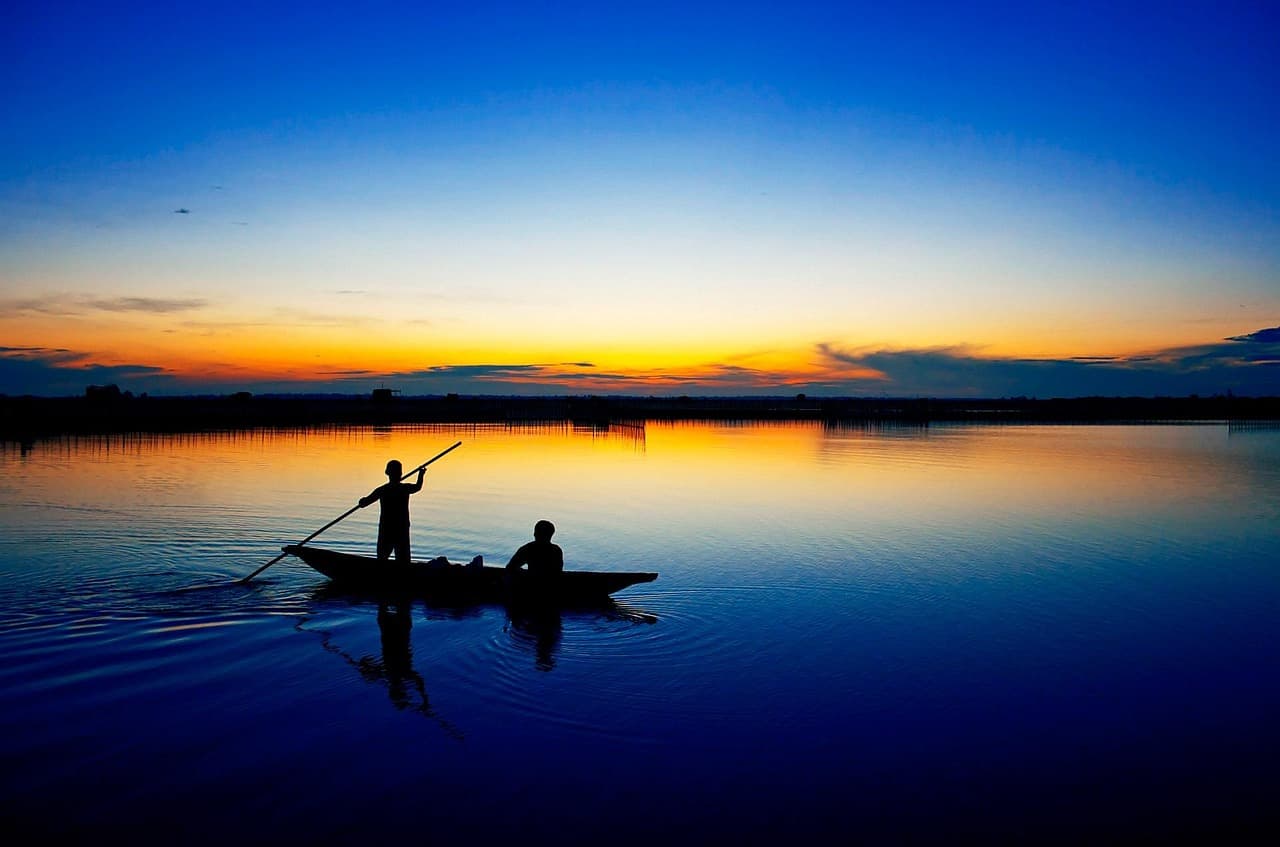
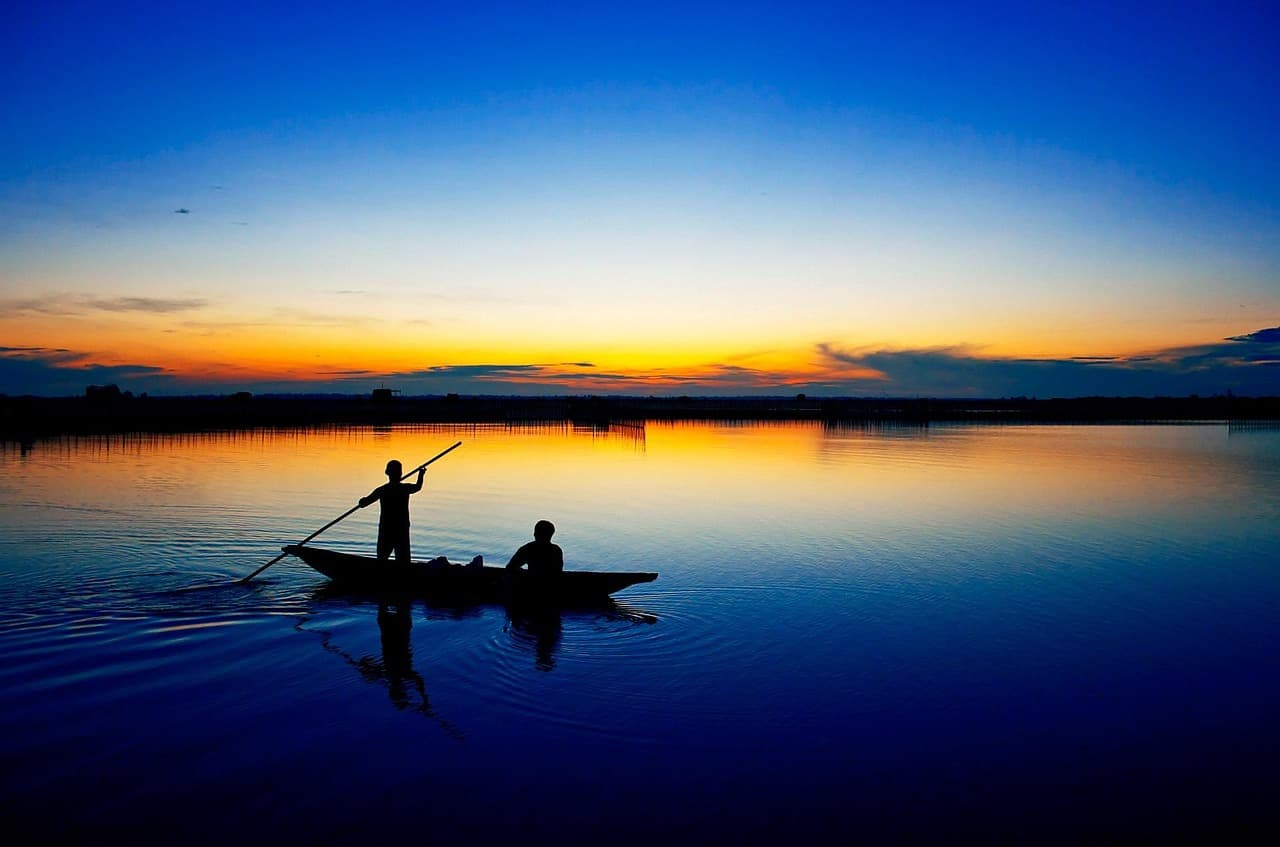
For photographers and those seeking the most atmospheric experiences, sunrise (around 5:30–6:30am) and sunset (5:00–6:00pm) are the prime windows for exploring the lagoon. The low angle of light during these hours highlights the shimmering water and silhouettes of fishing nets, while boat tours are less crowded and the air is cooler. Most boat operators align their schedules with these times, offering departures from early morning until dusk.
Entry Fees and Opening Hours
Most of Tam Giang Lagoon’s shoreline and fishing villages are open to the public without an entry fee, allowing visitors to explore the area’s tranquil scenery and everyday life at their own pace. However, access to boat tours and designated eco-tourism sites typically involves a charge. Expect to pay between 50,000 and 150,000 VND per person for entry to eco-sites or for a basic boat trip arranged on the spot. These fees generally cover short rides or access to managed areas with interpretive signage and basic facilities.
For a more in-depth experience, guided boat tours lasting two to three hours are widely available, costing 200,000 to 400,000 VND per person as of 2026. These tours usually include stops at floating fishing villages, opportunities to observe traditional net fishing, and sometimes a visit to a local market or floating restaurant. Prices can vary depending on the season, group size, and whether meals are included, so it’s worth confirming the itinerary and inclusions before booking. Most operators accept cash only, and it’s advisable to bring small denominations.
Boat tours generally operate from 5:30am to 6:30pm, with sunrise and sunset departures especially popular among photographers. Early morning tours offer the best light and a glimpse of fishermen at work, while late afternoon trips provide cooler temperatures and views of the changing sky. It’s a good idea to arrive early during weekends or holidays, as the most reputable operators can book out quickly.
Local Experiences and Costs
Early mornings at Tam Giang Lagoon bring the sight of fishermen hauling in nets beside stilted houses in villages like Ngu My Thanh and Quang Loi. Visitors can walk through these communities, watch traditional fishing techniques, and browse small markets where locals sell fresh seafood, homegrown vegetables, and handmade baskets. Market visits are free, though bringing small notes for purchases is recommended, as most vendors do not accept cards.
Floating restaurants dot the lagoon’s quieter stretches, offering freshly caught fish, crab, and shrimp. A typical meal ranges from 80,000 to 200,000 VND per person in 2026, with specialties like grilled mullet or clam hotpot. Most floating eateries operate from 10:00am to 8:00pm, and reservations are rarely required except on weekends or local holidays.
For those wanting to linger, homestays in villages such as Thuy Lap or Tan My start at 300,000 VND per night for a private room, often including breakfast and the option to join a family meal. Hosts can arrange boat tours or bicycle rentals for exploring the lagoon’s quieter inlets. English is limited, but many hosts use translation apps to help with communication.
Photography and birdwatching are especially rewarding at sunrise and sunset, when the light reflects off the water and herons gather along the reeds. Guided photo or birdwatching tours cost around 200,000–400,000 VND per person for a 2–3 hour excursion. Most guides provide binoculars and basic equipment, but bringing your own camera or long lens is recommended for serious photographers.
Practical Tips and Safety
Sturdy footwear is essential when exploring Tam Giang Lagoon, as many paths and docks become slick with algae or mud, especially after rain. Lightweight hiking shoes or sandals with good grip are recommended over flip-flops, which can be hazardous on wet surfaces. Early mornings often see mist and dew, making walkways even more slippery.
Mosquitoes and other insects are prevalent throughout the lagoon, particularly near the water’s edge and at dusk. Pack a reliable insect repellent, ideally one containing DEET or picaridin, and consider wearing long sleeves and trousers if you plan to visit fishing villages or take a boat tour in the evening. Local shops may stock basic repellents, but international brands are not always available.
English is rarely spoken outside major tour operators, so having a translation app like Google Translate or a phrasebook can help with ordering food, arranging boat rides, or asking for directions. Simple Vietnamese greetings and numbers go a long way in markets and homestays. In remote villages, cash is king—ATMs are scarce, and most restaurants, homestays, and boat operators do not accept cards. Bring enough Vietnamese dong for your planned expenses, plus a buffer for unexpected costs.
Finally, weather can change quickly. After heavy storms, water quality and accessibility may be affected, and some areas may be closed due to flooding. Before setting out, check local advisories online or ask your accommodation for the latest safety information. This ensures a smoother, safer experience at Tam Giang Lagoon.
Frequently asked questions
Most boat tours operate year-round, but schedules may change during the rainy season (October–December); check with operators before booking.
Flooding risks increase from October–December; it's best to avoid visiting during this period and check local advisories.
Most lagoon-area businesses accept cash only; bring enough VND as ATMs are scarce in remote villages.
English is limited; basic Vietnamese phrases or a translation app are helpful for communication.
Sources
- vietnamcoracle.com — Primary source
- tamgianglagoon.com — From research brief
- luxtravelvietnam.com — From research brief
- visithue.vn — From research brief
- nomadicnotes.com — From research brief
Loading reviews…
Related posts

A Local’s Guide to the Ha Giang Loop: Self-Drive Adventure in Vietnam’s Far North (2026 Edition)
The Ha Giang Loop is a 350–400 km circuit in Vietnam’s far north, offering dramatic mountain scenery, ethnic minority culture, and challenging roads. This 2026 guide provides up-to-date advice for international visitors planning a self-drive motorbike or car trip, covering route options, permits, safety, accommodation, and cultural etiquette.

Mekong Delta Homestays: Practical Guide to Booking, Costs, and Local Life (Ben Tre, Vinh Long, Can Tho, 2026)
This article is a 2026 guide for booking and experiencing homestays in Ben Tre, Vinh Long, and Can Tho. It covers prices, how to reserve, what to expect, transport details, and practical tips for international visitors seeking authentic local culture in the Mekong Delta.

Da Lat & Buon Ma Thuot Coffee, Waterfalls, and Festivals: Practical Guide for 2026
This guide gives international visitors practical details for exploring Da Lat and Buon Ma Thuot in Vietnam’s Central Highlands in 2026. It covers the best travel seasons, getting there, entry fees, top sights like coffee museums and waterfalls, local costs, and safety tips—ideal for travelers interested in coffee culture, festivals, and mountain scenery.