Vietnam travel cost in monsoon season 2026: Da Nang and Hoi An budget shift
Vietnam travel cost in monsoon season 2026 is falling in Da Nang and Hoi An, with September and October hostel dorms at 120,000 to 200,000 VND and homestays at 350,000 to 600,000 VND. This trend report explains what is rising, what is falling, daily budgets, and how to plan around rain and typhoons.

Related reading
Keep exploring Vietnam
- 1
- 2
- 3
At a glance
- Best time
- September to October for Da Nang and Hoi An; May to August for Phu Quoc and the south
- How long
- Flexible; check forecast 72 hours out and keep stays refundable
- Budget
- $22 to $35 per day backpacker; $45 to $65 mid-range
- Getting there
- Sleeper bus 300,000 to 450,000 VND ($12 to $18); dry season domestic flights rise 15% to 30%
- Language
- Vietnamese; English is common in tourist areas
- Currency
- Vietnamese dong (VND); USD equivalents shown in source prices
What the 2026 Vietnam travel cost trend shows
Booking and search data tracked in Vietnam Coracle's 2026 updates, The Broke Backpacker (2025/26) and Nomadic Matt (2025/26) show budget travelers moving their Vietnam trips out of the June to August dry season peak and into the monsoon and shoulder months. September and October draw the strongest shift. Vietnam travel cost in that window is the lowest of the year on the central coast.
Accommodation shows the change first. A dorm bed in Da Nang runs 120,000 to 200,000 VND ($5 to $8) per night in September to October, against 250,000 to 400,000 VND ($10 to $16) in July to August. Hoi An homestays fall to 350,000 to 600,000 VND ($14 to $24) per night from 800,000 to 1,500,000 VND ($32 to $60) in the peak months. Across both cities that is a 20% to 40% drop from June to August rates.
Food and transport stay cheap through the same period. Street food costs 30,000 to 60,000 VND ($1.20 to $2.40), local beer 15,000 to 25,000 VND ($0.60 to $1), and a sleeper bus 300,000 to 450,000 VND ($12 to $18). Daily costs land 25% to 35% lower than dry season: $22 to $35 per day for backpackers and $45 to $65 for mid-range travelers.
Two costs push back. Coastal resort and domestic flight prices are up 15% to 30% versus 2025, and short-notice summer and Tet bookings are up 15% to 30% year on year. Monsoon savings vary by micro-destination and operator, so a Da Nang dorm and a Hoi An homestay do not move on the same schedule. Central Vietnam can see heavy rain and flooding September to November; Phu Quoc and the south are safer May to August. Check the forecast 72 hours out, keep 500,000 to 1,000,000 VND ($20 to $40) for weather changes, and watch whether 2026 La Nina shifts rainfall patterns or Phu Quoc discounts hold.
| Accommodation (per night) | July to August 2026 | September to October 2026 | Drop |
|---|---|---|---|
| Da Nang hostel dorm | 250,000 to 400,000 VND ($10 to $16) | 120,000 to 200,000 VND ($5 to $8) | 20% to 40% |
| Hoi An homestay | 800,000 to 1,500,000 VND ($32 to $60) | 350,000 to 600,000 VND ($14 to $24) | 20% to 40% |
Target September to October for Da Nang and Hoi An
This is when dorm and homestay rates fall 20% to 40% below June to August peaks.
Book refundable stays
Weather in central Vietnam can change quickly, and a refundable rate protects your budget if heavy rain or flooding hits.
Set aside 500,000 to 1,000,000 VND ($20 to $40)
Keep this as contingency for a changed route, an extra night, or a last-minute move south.
Check the forecast 72 hours out
Typhoon season peaks September to November, so confirm conditions before committing to coastal plans.
What is falling: Da Nang and Hoi An prices in September and October
A dorm bed in Da Nang costs 120,000 to 200,000 VND ($5 to $8) per night in September and October. In July and August the same bed runs 250,000 to 400,000 VND ($10 to $16). Across Da Nang and Hoi An, accommodation rates sit 20% to 40% below the June to August peaks, and lodging is where most of the monsoon saving comes from.
Hoi An homestays show the wider gap: 350,000 to 600,000 VND ($14 to $24) per night in September and October against 800,000 to 1,500,000 VND ($32 to $60) in July and August. The high-season range starts at $32 and tops out at $60, while the September and October range starts at $14 and tops out at $24. Rooms at the low end of each range go first, so a refundable booking made early holds the better rate without tying you to a rainy week.
Street food, beer, and buses barely move with the season. Street food runs 30,000 to 60,000 VND ($1.20 to $2.40), a local beer 15,000 to 25,000 VND ($0.60 to $1), and a sleeper bus 300,000 to 450,000 VND ($12 to $18). A traveler spending three weeks between the two towns saves mostly on lodging, which is where the September and October window lowers the total.
These figures come from Numbeo Da Nang (January 2026) and Vietnam Coracle. Daily budgets land at $22 to $35 for backpackers and $45 to $65 mid-range, 25% to 35% lower than dry season. Savings vary by micro-destination and operator, and central Vietnam can see heavy rain and flooding from September to November, so hold 500,000 to 1,000,000 VND ($20 to $40) in contingency.
| Cost item | September to October 2026 | July to August 2026 |
|---|---|---|
| Da Nang hostel dorm | 120,000 to 200,000 VND ($5 to $8) | 250,000 to 400,000 VND ($10 to $16) |
| Hoi An homestay | 350,000 to 600,000 VND ($14 to $24) | 800,000 to 1,500,000 VND ($32 to $60) |
| Street food | 30,000 to 60,000 VND ($1.20 to $2.40) | Same |
| Local beer | 15,000 to 25,000 VND ($0.60 to $1) | Same |
| Sleeper bus | 300,000 to 450,000 VND ($12 to $18) | Same |

What is rising: dry season flights, Tet, and coastal resorts
Vietnam's Tet and summer coastal costs are up 15% to 30% in 2026 compared to 2025, according to the Vietnam National Authority of Tourism. Nomadic Matt reports that short-notice summer and Tet bookings are up 15% to 30% year on year. For anyone tracking Vietnam travel cost, the peak-season premium is widening. This trend makes the monsoon window from May to October more relevant for budget travelers.
That booking surge has a direct effect on prices. When travelers wait until the last minute for Tet or summer trips, they compete for fewer rooms and seats, which pushes rates higher. The 15% to 30% increase applies to Tet and summer coastal costs. Domestic flights and last-minute tours are rising too. The monsoon window still delivers 25% to 35% lower daily costs than dry season. Accommodation rates in Da Nang and Hoi An fall 20% to 40% below June to August peaks, with the lowest rates usually in September to October.
If you must travel during peak season, book refundable stays as early as possible. Refundable rates let you lock in a price without losing money if plans change. This strategy is especially useful for Tet, when demand spikes and last-minute bookings become expensive. The same applies to summer coastal resorts, where prices are up 15% to 30% compared to 2025. Waiting to book often means paying more, because short-notice bookings are up 15% to 30% year on year.
For budget travelers, the takeaway is to avoid peak season if you can. The monsoon shift lets you sidestep these rising costs. For peak-season trips, book refundable accommodation early to lock in a rate before prices climb. Check the Vietnam National Authority of Tourism and Nomadic Matt for updates on 2026 pricing. The 2026 trend report shows that the gap between peak and monsoon costs is growing.
Vietnam travel cost per day in monsoon season
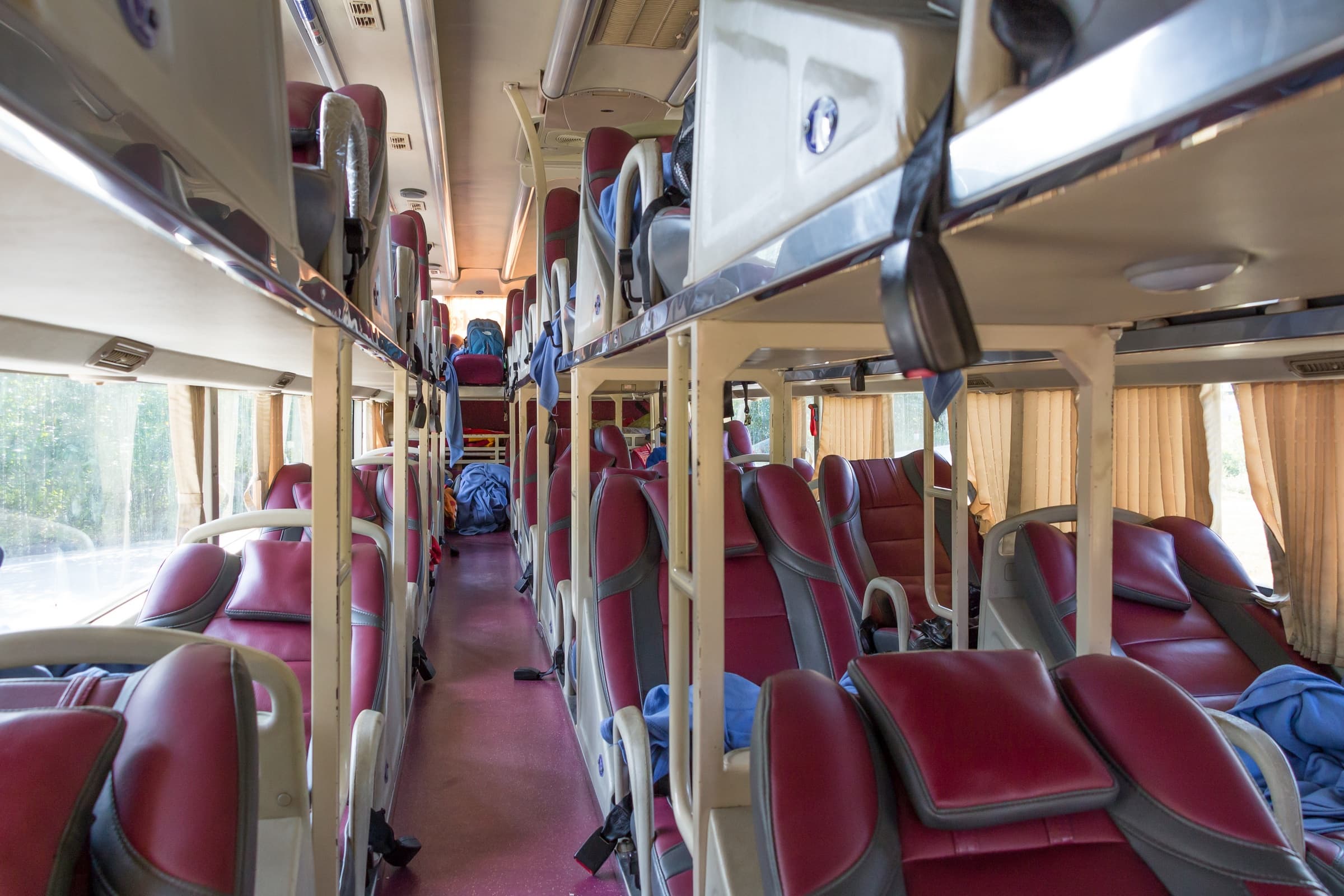
In September and October, a backpacker in Da Nang travels on $22 to $35 per day, which is 25% to 35% below dry-season daily costs. That budget rests on dorm beds at 120,000 to 200,000 VND ($5 to $8) a night, street food at 30,000 to 60,000 VND ($1.20 to $2.40) a meal and local beer at 15,000 to 25,000 VND ($0.60 to $1). A sleeper bus between central towns costs 300,000 to 450,000 VND ($12 to $18), so changing towns every few days still fits.
Mid-range travelers spend $45 to $65 per day. In Hoi An, a homestay room falls to 350,000 to 600,000 VND ($14 to $24) in September and October, against 800,000 to 1,500,000 VND ($32 to $60) in July and August. That range covers an air-conditioned room, a rented scooter and two restaurant meals a day. Both budgets assume you dodge the 2026 increases: coastal resort rates and domestic flights are up 15% to 30% versus 2025, and short-notice summer and Tet bookings are up 15% to 30% year on year.
The lower rates come with weather risk. Central Vietnam can see heavy rain and flooding from September to November, and typhoon season peaks in the same window. Phu Quoc and the south are safer from May to August. Check the forecast 72 hours before you travel and hold 500,000 to 1,000,000 VND ($20 to $40) in contingency for a rerouted bus, a swapped flight or an extra night indoors. Whether La Nina shifts 2026 rainfall patterns is still an open question, and monsoon savings vary by micro-destination and operator. Book refundable stays rather than chasing the lowest headline rate.
| Category | Cost | Notes |
|---|---|---|
| Backpacker daily budget | $22 to $35 per day | Dorm 120,000 to 200,000 VND, street food 30,000 to 60,000 VND, local beer 15,000 to 25,000 VND |
| Mid-range daily budget | $45 to $65 per day | Hoi An homestay 350,000 to 600,000 VND, scooter hire, two restaurant meals |
| Sleeper bus | 300,000 to 450,000 VND ($12 to $18) | Per leg between central towns |
| Weather contingency | 500,000 to 1,000,000 VND ($20 to $40) | Held back for route changes and last-minute rooms |
How to plan around rain and typhoons in central Vietnam
September to October is when the Vietnam travel cost per day drops to its lowest point in Da Nang and Hoi An, and it sits inside the September to November typhoon season in central Vietnam. Dorm beds fall to 120,000 to 200,000 VND ($5 to $8) per night, against 250,000 to 400,000 VND ($10 to $16) in July and August. Hoi An homestays drop to 350,000 to 600,000 VND ($14 to $24) from 800,000 to 1,500,000 VND ($32 to $60). Central Vietnam can see heavy rain and flooding from September to November, so the discount and the risk arrive in the same months.
Book refundable stays before you commit to a fixed route. The premium for a cancellable rate is smaller than the cost of losing an entire booking when a storm stalls over the coast, and it lets you move cities without negotiating a refund. Carry 500,000 to 1,000,000 VND ($20 to $40) as contingency money for a changed ticket, an extra hotel night, or a taxi when buses stop running.
Check the forecast 72 hours out before locking in coastal or mountain plans. Within that window, use forecasts for Da Nang, Hoi An, and the local mountain pass to decide between the beach and an inland day. A sleeper bus seat costs 300,000 to 450,000 VND ($12 to $18), which is an option for a last-minute switch to another central town.
If you want to skip central Vietnam's rain entirely, Phu Quoc and the south are safer from May to August. Daily budgets land at $22 to $35 for backpackers and $45 to $65 mid-range, which is 25% to 35% lower than dry season. Savings vary by micro-destination and operator, and it is still unclear whether 2026 La Nina conditions will shift rainfall patterns. Confirm conditions locally before you book.
Choose September to October for Da Nang and Hoi An
Accept rain and take the 20% to 40% accommodation drop against June to August peaks.
Book refundable stays and hold a contingency
Keep 500,000 to 1,000,000 VND ($20 to $40) free for weather-related changes.
Decide 72 hours out
Check the forecast three days before committing to coastal or mountain plans.
Reroute south from May to August
Phu Quoc and the south avoid central Vietnam's heavy rain during those months.
Open questions and caveats for the 2026 monsoon shift
Da Nang dorm beds drop to 120,000 to 200,000 VND ($5 to $8) a night in September and October, down from 250,000 to 400,000 VND ($10 to $16) in July and August. The report measured that discount in Da Nang and Hoi An. Monsoon savings vary by micro-destination and operator, so a guesthouse cutting its rate says nothing about a Phu Quoc resort in July, or about the same guesthouse in a different year. The 20% to 40% accommodation drop applies to those two cities in the report.
Two open questions remain from the 2026 trend report. Does La Nina shift rainfall patterns for the September and October window? Are Phu Quoc discounts holding through the shoulder season? The report calls for on-ground verification before travelers treat the monsoon shift as settled.
The practical caveat is that monsoon savings vary by micro-destination and operator. A Da Nang dorm and a Hoi An homestay do not move on the same schedule. Central Vietnam can see heavy rain and flooding from September to November. Phu Quoc and the south are safer from May to August. Check the forecast 72 hours out, keep 500,000 to 1,000,000 VND ($20 to $40) for weather changes, and book refundable stays when the route is fixed.
| Open question | What the 2026 data supports | Still unverified |
|---|---|---|
| Does La Nina shift 2026 rainfall? | Heavy rain and flooding are possible in central Vietnam September to November, and typhoon season peaks in the same period | Whether the September to October low-rate window arrives earlier, later, or not at all |
| Are Phu Quoc discounts holding? | Coastal resort and domestic flight costs are up 15% to 30% versus 2025, with short-notice summer and Tet bookings up 15% to 30% year on year | Whether island room rates fall far enough in the monsoon to offset that rise |
| How much do savings vary by place? | Da Nang and Hoi An accommodation drops 20% to 40% below June to August peaks | Whether comparable drops appear in other towns or with other operators |

Frequently asked questions
Yes. Da Nang hostel dorms cost 120,000 to 200,000 VND ($5 to $8) per night in September to October, compared with 250,000 to 400,000 VND ($10 to $16) in July to August. Hoi An homestays cost 350,000 to 600,000 VND ($14 to $24), compared with 800,000 to 1,500,000 VND ($32 to $60).
Plan for $22 to $35 per day as a backpacker and $45 to $65 per day mid-range. Daily costs are 25% to 35% lower than dry season.
Typhoon season peaks September to November. Keep 500,000 to 1,000,000 VND ($20 to $40) as a weather contingency, book refundable stays, and check the forecast 72 hours out.
Phu Quoc and the south are safer May to August. Central Vietnam can see heavy rain and flooding September to November.
Travel details change — opening hours, prices, and schedules can vary by season. Please verify current information on official websites before your visit.
Watch: related videos
Vietnam travel cost in monsoon season 2026: Da Nang and Hoi An budget shift — Video by khanhhoangminh 3 on Pexels · silent stock clip
Sources
- vietnamcoracle.com — Primary source
- nomadicmatt.com — From research brief
- thebrokebackpacker.com — From research brief
- vietnam.travel — From research brief
- numbeo.com — From research brief
Loading reviews…
About the author
Đặng Nhật Linh
Travel News & Money Editor
Nhật Linh curates Vietpeep's travel news and money guides — visa changes, transport updates, seasonal events, and how far your money goes. She writes for travelers who want current, practical answers without the fluff.
All articles by Nhật LinhRelated posts

Vietnam travel cost for a 14-day north-to-south trip: Hanoi, Hoi An, and Ho Chi Minh City in 2026
This 14-day Vietnam travel cost plan prices a fixed north-to-south route from Hanoi to Hoi An/Da Nang to Ho Chi Minh City in 2026. It covers e-visa fees, daily hostel and food costs, sleeper buses, trains, one domestic flight, activities, solo and couple totals, and Tet booking warnings. Use it to compare shoestring, mid-range, and couple budgets before booking.

Da Lat on a Budget: Vietnam Travel Cost and Daily Prices for 2026
This Da Lat budget guide breaks down Vietnam travel cost for 2026 using verified September 2026 prices: dorm beds, private rooms, street food, Grab rides, entry fees, and canyoning. It shows how to stay within 700,000–1,200,000 VND a day and avoid the Flower Festival price spike.

Vietnam Coastal Cities Summer 2026: Daily Travel Costs in Da Nang, Nha Trang, and Vung Tau
This article gives international visitors a clear breakdown of daily expenses for Da Nang, Nha Trang, and Vung Tau during the summer 2026 high season. It covers real prices for accommodation, food, transport, attractions, and practical budgeting tips, helping travelers plan for a beach trip without overspending.