Ha Giang Loop Transport Guide: Motorbikes, Buses, and Permits for 2026
A practical overview of how to travel the Ha Giang Loop in Northern Vietnam, covering motorbike rentals, bus connections from Hanoi, permit requirements, and essential tips for international visitors in 2026.

Related reading
Keep exploring Vietnam
- 1Budget Backpacking the Ha Giang Loop: 2026 Costs, Transport, and Tips
Link from the 'Practical Tips and Booking Advice' section for deeper budgeting and cost guidance.
- 2A Local’s Guide to the Ha Giang Loop: Self-Drive Adventure in Vietnam’s Far North (2026 Edition)
Link from the 'Exploring the Loop: Motorbike Rentals' section for self-drive insights.
- 3Three Days on the Ha Giang Loop: A 2026 Itinerary for Independent Travelers
Link from the 'Practical Tips and Booking Advice' section for sample itineraries.
At a glance
- Best time
- September–November
- How long
- 3–5 days for the full loop
- Budget
- 1–1.5 million VND/day (transport, food, lodging)
- Getting there
- Bus from Hanoi (6–7 hours, 350,000–450,000 VND)
- Language
- Vietnamese; limited English in rural areas
- Currency
- Vietnamese Dong (VND)
Getting to Ha Giang: Buses from Hanoi
Most international visitors reach Ha Giang City by bus from Hanoi. Several companies, including Quang Nghi and Hung Thanh, operate daily departures, with both morning and evening options. Fares are 350,000-450,000 VND one way, and the journey takes 6-7 hours. Booking is straightforward via operator websites or platforms like Vexere. Buses typically arrive at Ha Giang’s main bus station, from where you can arrange onward transport.
Exploring the Loop: Motorbike Rentals
Renting a motorbike is the most popular way to experience the Ha Giang Loop. In 2026, expect to pay 250,000-350,000 VND per day for a semi-automatic and 350,000-500,000 VND per day for a larger bike. Most rental shops require your passport, an international driving permit, and a refundable deposit (1-2 million VND). Insurance coverage is inconsistent—check details with your rental provider. Arrange rentals in person or via WhatsApp with reputable local shops in Ha Giang City.
Local Transport: Minivans and Buses
If you prefer not to ride a motorbike, minivans and local buses connect Ha Giang City with Dong Van, Meo Vac, and Yen Minh. Fares are 100,000-150,000 VND per segment. Schedules are limited, with most departures in the early morning. These vehicles are slower and less flexible than bikes but offer a safer option for those unaccustomed to mountain roads.
Permits, Road Conditions, and Weather
Foreigners need a Ha Giang travel permit (200,000 VND) to enter border districts; obtain it at the Ha Giang Immigration Office. Enforcement varies, but checkpoints have become stricter in 2026. The best months to ride are September to November, as June to August often brings landslides and road closures. The loop’s roads are steep and narrow in places—mountain riding experience is strongly recommended.
Practical Tips and Booking Advice
Most travelers cover 100-150km per day and spend 3-5 days on the loop. Book bus tickets online for convenience, but arrange motorbike rentals in person for the best selection and to inspect bikes. Carry cash for fuel, food, and accommodation in remote areas. Double-check insurance, and clarify what’s included with your rental shop.
Frequently asked questions
Yes, foreigners must obtain a Ha Giang travel permit (200,000 VND) at the Ha Giang Immigration Office to enter border districts.
Most rental shops require an international driving permit and your passport as collateral.
Yes, tickets for buses from Hanoi to Ha Giang can be booked online through operator websites or Vexere.
Roads can be steep and narrow, especially in bad weather. Landslides are possible from June to August, and insurance coverage for rentals is inconsistent.
Travel details change — opening hours, prices, and schedules can vary by season. Please verify current information on official websites before your visit.
Sources
- nomadicnotes.com — Primary source
- vexere.com — From research brief
- thewanderingquinn.com — From research brief
- hagiangtravel.com — From research brief
- quangnghibus.com.vn — From research brief
Loading reviews…
About the author
Lê Minh Đức
Routes & Itineraries Editor
Minh Đức plans Vietpeep's itineraries, transport guides, and practical tips with a surveyor's care for distances, timings, and connections. He believes a route is only as good as its smallest detail — the last ferry, the right train class, the turn travelers miss.
All articles by Minh ĐứcRelated posts

Ha Giang Loop Practical Guide 2026: Costs, Permits, and Safety for International Travelers
Planning to ride the Ha Giang Loop in 2026? This guide covers essential details for international visitors, including when to go, how to get there, permit requirements, typical costs, and up-to-date safety tips. Get clear answers on what to expect, how to prepare, and what’s changed for 2026.
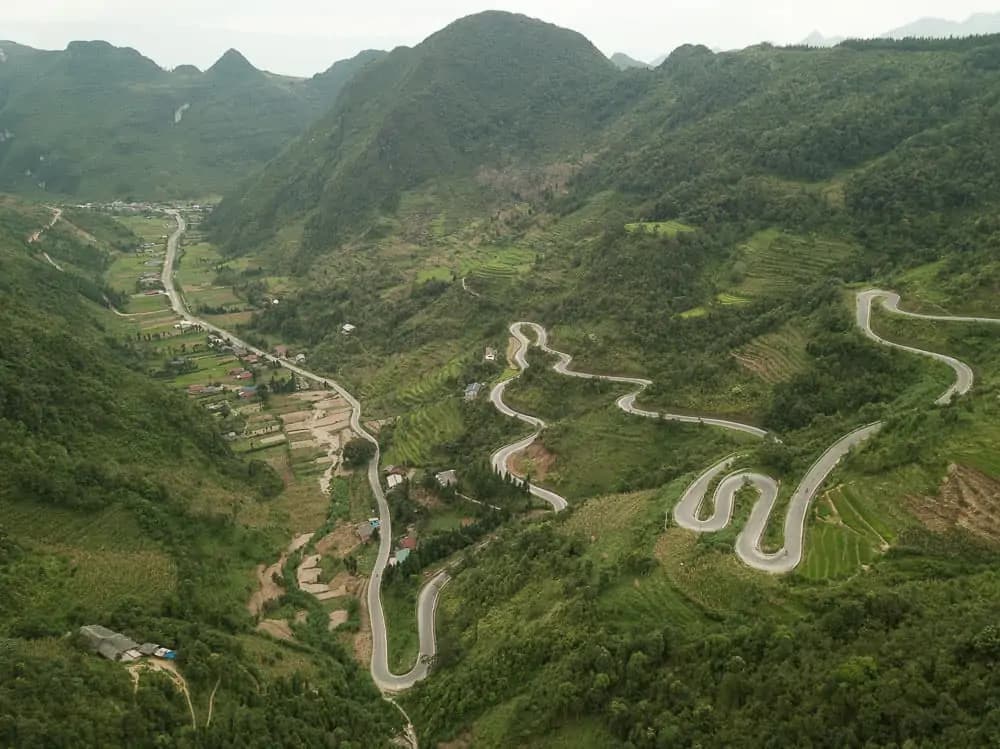
Ha Giang Loop 2026: Vietnam Travel Tips for Permits, Easy Rider Costs, and Self-Drive Rules
This Ha Giang Loop 2026 guide gives first-timers the practical Vietnam travel tips they need: border permits, Hanoi-to-Ha Giang transport, 3-day costs, self-drive versus easy rider, police checks, and seasonal timing. It uses one set of prices and dates so you can budget and book without conflicting numbers.

A Local’s Guide to the Ha Giang Loop: Self-Drive Adventure in Vietnam’s Far North (2026 Edition)
The Ha Giang Loop is a 350–400 km circuit in Vietnam’s far north, offering dramatic mountain scenery, ethnic minority culture, and challenging roads. This 2026 guide provides up-to-date advice for international visitors planning a self-drive motorbike or car trip, covering route options, permits, safety, accommodation, and cultural etiquette.