Budget Backpacking the Ha Giang Loop: 2026 Costs, Transport, and Tips
A practical 2026 guide for international travelers planning the Ha Giang Loop on a budget. Includes up-to-date prices, transport options, accommodation, and essential advice for a safe and affordable motorbike trip in Vietnam's northern mountains.

Related reading
Keep exploring Vietnam
- 1Best time to visit Ha Giang: weather, roads, and scenic routes
Link from 'Best Time to Visit' section for deeper seasonal advice.
- 2Homestay Experiences in Ha Giang: Staying with Local Families on the Loop
Link from 'Accommodation and Food' section for homestay details.
- 3A Local’s Guide to the Ha Giang Loop: Self-Drive Adventure in Vietnam’s Far North (2026 Edition)
Link from 'Safety and Practical Tips' section for advanced driving advice.
At a glance
- Best time
- September–November
- How long
- 3–5 days
- Budget
- 25–35 USD/day (2026)
- Getting there
- Sleeper bus from Hanoi (16–20 USD, 6–8 hours)
- Language
- Vietnamese; limited English in rural areas
- Currency
- Vietnamese Dong (VND)
Getting There and Around
The Ha Giang Loop starts in Ha Giang city, about 300km north of Hanoi. Most travelers take a sleeper bus from Hanoi, with 2026 fares ranging from 400,000 to 500,000 VND (16–20 USD). The journey takes 6–8 hours, and buses depart from My Dinh and Gia Lam stations. Upon arrival, motorbike rental shops are clustered around the Ha Giang bus station. Renting a semi-automatic or manual motorbike costs 180,000–250,000 VND/day (7–10 USD). An International Driving Permit (IDP) is strictly required for rentals in 2026, and police fines for non-compliance are 500,000 VND (20 USD). Petrol costs about 60,000 VND/day (2.40 USD). For those less confident on a bike, group tours with a guide, motorbike, and all expenses included start from 1,400,000 VND/day (56 USD).
Accommodation and Food
Budget travelers can find dorm beds in guesthouses and homestays for 120,000–180,000 VND/night (4.80–7.20 USD) or private rooms for 250,000–400,000 VND/night (10–16 USD). Most villages along the loop—such as Dong Van, Meo Vac, and Yen Minh—have basic but clean options. During peak season (September–November), advance booking is recommended, especially for popular homestays. Meals are simple and affordable: expect to pay 40,000–70,000 VND (1.60–2.80 USD) for a plate of rice, noodles, or local specialties. Vegetarians should clarify dietary needs, as options may be limited in rural areas.
Best Time to Visit
The most popular time for the Ha Giang Loop is September to November, when rice terraces are golden and skies are clear. May to August brings hotter weather and occasional rain, which can affect road conditions. Winter (December–February) is colder, especially at higher altitudes—pack warm layers if traveling then. Sudden weather changes are common year-round, so rain gear is essential.
Safety and Practical Tips
Carry your passport at all times—police checkpoints are common, and you may be asked for ID. ATMs are available in Ha Giang city and Dong Van, but cash is needed in smaller villages. Road conditions can deteriorate after heavy rain, so check recent traveler reports and drive cautiously. Some homestays now require advance booking in peak season due to increased tourism. Fuel prices and bus schedules can fluctuate, so confirm details a week before your trip. Bring rain gear, a basic first-aid kit, and photocopies of important documents.
Frequently asked questions
No special permit is required for foreigners as of January 2026, but you must carry your passport for police checkpoints.
No. As of 2026, an IDP is strictly enforced for all motorbike rentals, and police fines for non-compliance are 500,000 VND (20 USD).
ATMs are available in Ha Giang city and Dong Van; bring enough cash for rural areas where card payments are not accepted.
Road conditions can deteriorate after heavy rain, so check recent traveler reports and be prepared for slippery or damaged sections.
Travel details change — opening hours, prices, and schedules can vary by season. Please verify current information on official websites before your visit.
Sources
- nomadicmatt.com — Primary source
- backpackershanoi.com — From research brief
- thebrokebackpacker.com — From research brief
- hagiangloopadventure.com — From research brief
- vietnam.travel — From research brief
Loading reviews…
About the author
Đặng Nhật Linh
Travel News & Money Editor
Nhật Linh curates Vietpeep's travel news and money guides — visa changes, transport updates, seasonal events, and how far your money goes. She writes for travelers who want current, practical answers without the fluff.
All articles by Nhật LinhRelated posts
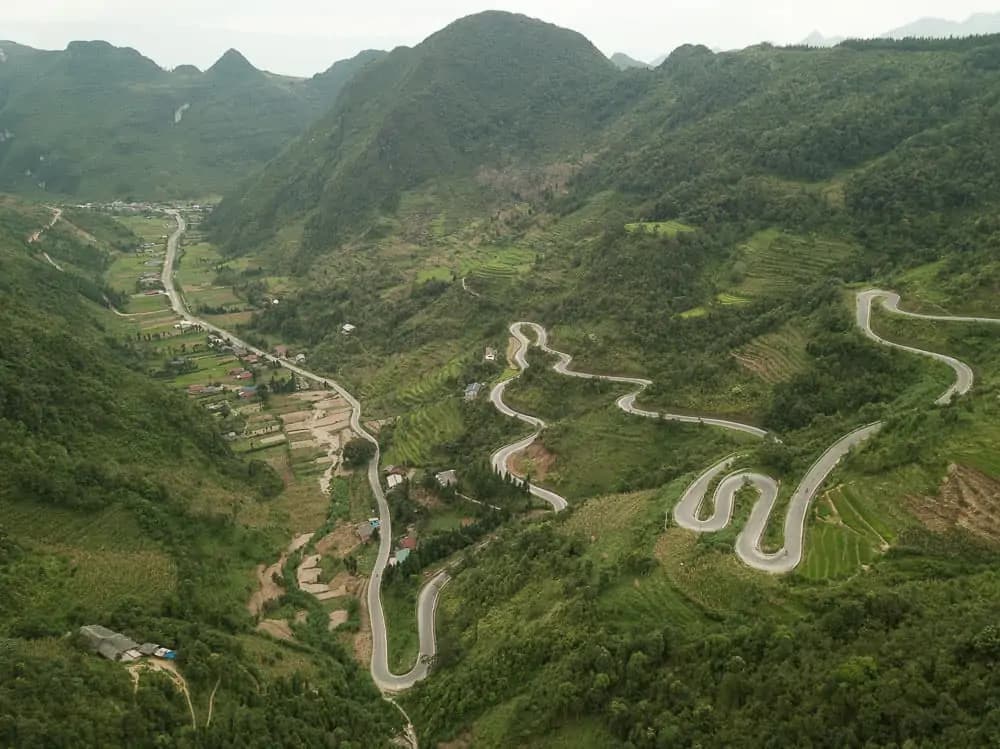
Ha Giang Loop 2026: Vietnam Travel Tips for Permits, Easy Rider Costs, and Self-Drive Rules
This Ha Giang Loop 2026 guide gives first-timers the practical Vietnam travel tips they need: border permits, Hanoi-to-Ha Giang transport, 3-day costs, self-drive versus easy rider, police checks, and seasonal timing. It uses one set of prices and dates so you can budget and book without conflicting numbers.

Vietnam Backpacking Budget 2026: Routes, Hostel Costs, and Practical Vietnam Travel Tips
This 2026 Vietnam backpacking budget guide covers the current e-visa cost, dorm and street-food prices, open-tour bus and train fares, and the main backpacker hubs from Ho Chi Minh City to Hanoi and Ha Giang. Use these Vietnam travel tips to plan a realistic daily budget, avoid taxi scams, and stay connected with a cheap local SIM.
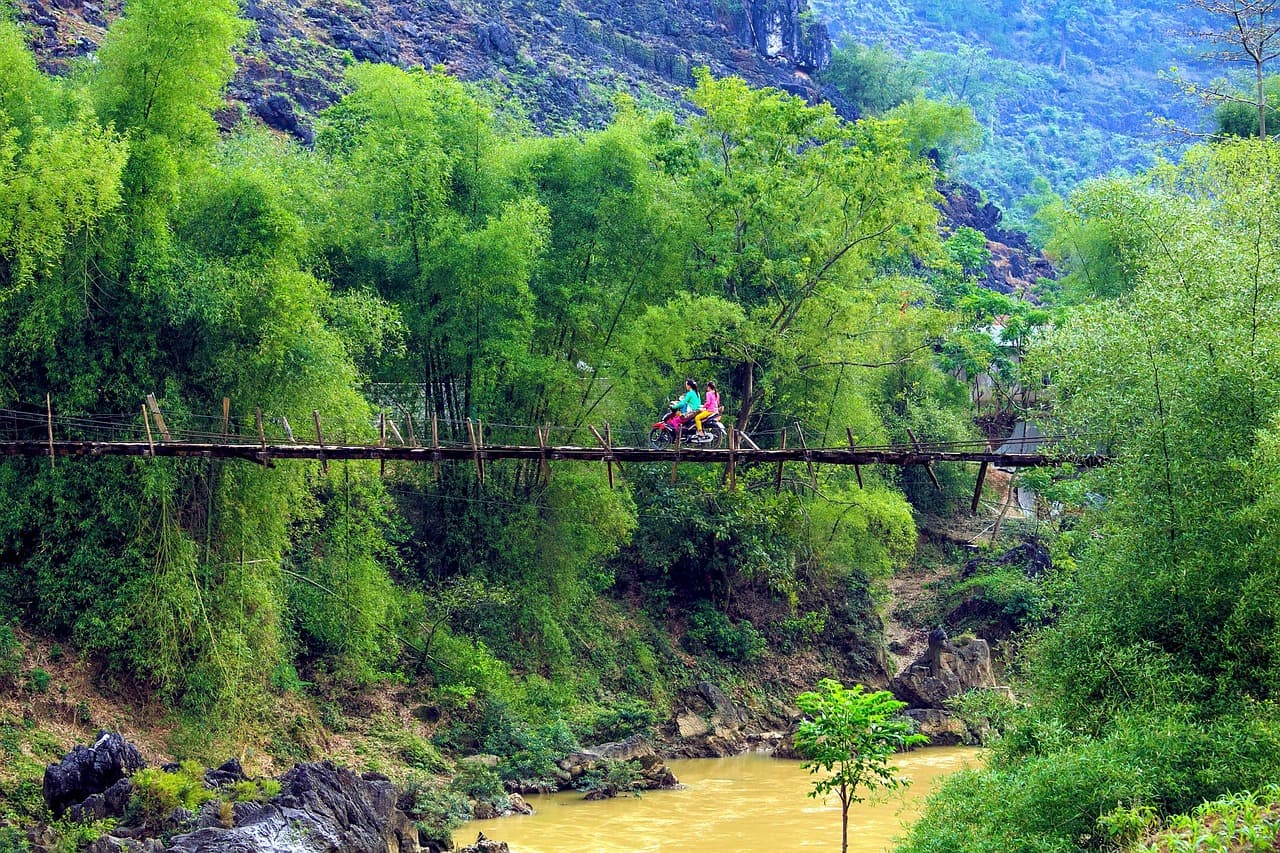
Ha Giang Loop Safety and Police Checks: Vietnam Travel Tips 2026 for First-Timer Riders
The safest months for the Ha Giang Loop in 2026 are September to November and March to May. Avoid June to August for monsoon rain and landslides. Police checkpoints can fine 800,000 to 2 million VND for licence, helmet, or permit problems. This FAQ hub answers first-timer safety questions with 2026 costs, paperwork rules, and Vietnam travel tips.